Displaying 1 - 12 of 12
  • Fundamental Rights Report
    11
    June
    2026
    The Fundamental Rights Report: Challenges and Achievements in 2025 is FRA’s flagship annual publication. It provides an overview of the state of fundamental rights in the EU and highlights selected critical developments from 2025. This year, it focuses on four areas: rights protection in a rapidly changing digital environment; the housing crisis and rising homelessness rates; employment challenges for people from non-EU countries; and the implementation of the EU Charter of Fundamental Rights. The publication is a valuable resource for those seeking to stay informed about the EU’s shifting landscape of fundamental rights.
  • Fundamental Rights Report
    5
    June
    2024
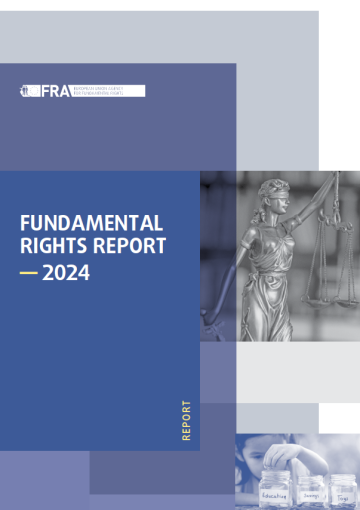
    FRA’s Fundamental Rights Report 2024 analyses the year’s developments in fundamental rights. It focuses on the most pressing fundamental rights concerns facing Europe in 2023: the cost-of-living crisis, rights concerns at the EU’s external borders and migration, and threats to democracy. Re-structured, this year’s new approach is a shorter and sharper analysis. It also presents FRA’s opinions on these developments, including a summary of the evidence supporting these opinions.
  • Fundamental Rights Report
    10
    June
    2021
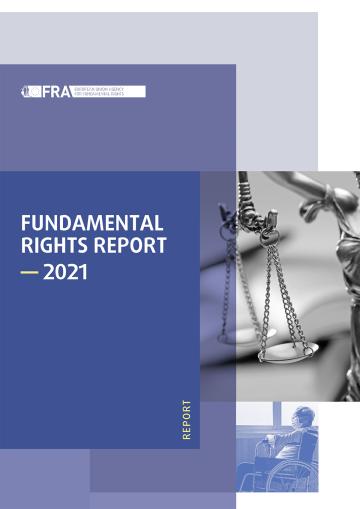
    FRA’s Fundamental Rights Report 2021 reviews major developments in the field in 2020, identifying both achievements and areas of concern. It also presents FRA’s opinions on these developments, including a synopsis of the evidence supporting these opinions. This year’s focus chapter explores the impact of the COVID-19 pandemic on fundamental rights. The remaining chapters cover: the EU Charter of Fundamental Rights; equality and non-discrimination; racism, xenophobia and related intolerance; Roma equality and inclusion; asylum, borders and migration; information society, privacy and data protection; rights of the child; access to justice; and the implementation of the Convention on the Rights of Persons with Disabilities.
  • Report / Paper / Summary
    19
    February
    2021
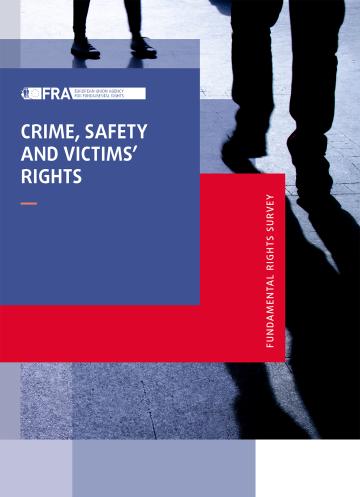
    This is the second main report from FRA’s Fundamental Rights Survey, which collected data from 35,000 people on a range of issues. This report focuses on respondents’ experiences as victims of selected types of crime, including violence, harassment, and property crime. The report also examines how often these crimes are reported to the police, and presents further details relating to harassment and violence, such as the perpetrators and where the incidents took place.

  • Report / Paper / Summary
    6
    October
    2020
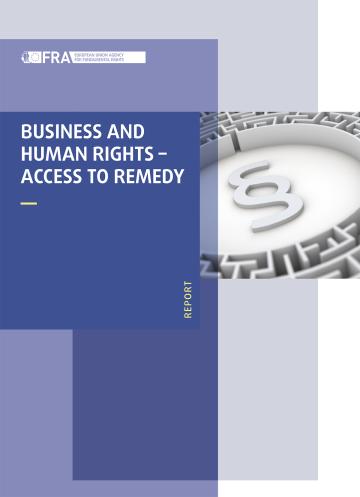
    Business activity affects not just customers, employees, and contractors along supply chains, but often entire communities and the environment. This makes it vital that every business complies with human rights. This comparative report looks at the realities victims face when they seek redress for business-related human rights abuses. It presents the findings of fieldwork research on the views of professionals regarding the different ways people can pursue complaints. The findings highlight that obstacles to achieving justice are often multi-layered.
  • Fundamental Rights Report
    11
    June
    2020
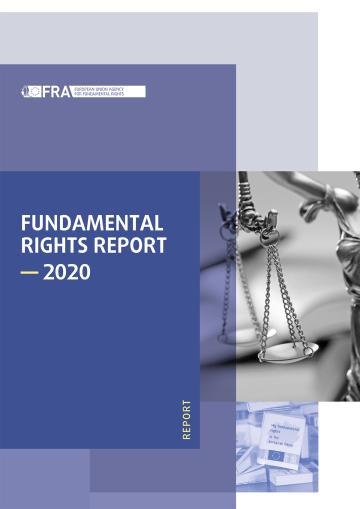
    FRA’s Fundamental Rights Report 2020 reviews major developments in the field in 2019, identifying both achievements and areas of concern. It also presents FRA’s opinions on these developments, including a synopsis of the evidence supporting these opinions. This year’s focus chapter explores how to unlock the full potential of the EU Charter of Fundamental Rights.
  • Report / Paper / Summary
    17
    March
    2016
    Worker exploitation is not an isolated or marginal phenomenon. But despite its pervasiveness
    in everyday life, severe labour exploitation and its adverse effects on third-country nationals
    and EU citizens - as workers, but also as consumers - have to date not received much
    attention from researchers. This report identifies risk factors contributing to such exploitation and
    discusses means of improving the situation and highlights the challenges EU institutions and
    Member States face in making the right of workers who have moved within or into the EU
    to decent working conditions a reality.
  • Rapport / Publication / Résumé
    17
    March
    2016
    L’exploitation de la main d’oeuvre n’est pas un phénomène isolé ou marginal. Toutefois,
    en dépit de leur omniprésence dans la vie quotidienne, les formes graves d’exploitation
    au travail et leurs effets préjudiciables sur les ressortissants des pays tiers et les citoyens
    de l’UE - en tant que travailleurs, mais également en tant que consommateurs - n’ont pas
    à ce jour suscité beaucoup d’intérêt de la part des chercheurs. Ce rapport
    identifie les facteurs de risque qui contribuent à ce type d’exploitation et discute des
    moyens d’améliorer la situation, tout en soulignant les défis auxquels sont confrontés les
    institutions et les États membres de l’UE pour veiller à ce que le droit à des conditions de
    travail décentes des travailleurs provenant de l’UE ou de pays tiers soit réellement appliqué.
  • Report / Paper / Summary
    17
    March
    2016
    Die Ausbeutung von Arbeitskräften ist kein vereinzelt auftretendes oder nebensächliches
    Phänomen. Aber ungeachtet ihrer weiten Verbreitung und Alltäglichkeit haben schwere Arbeitsausbeutung
    und ihre negativen Auswirkungen auf Drittstaatsangehörige und EU-BürgerInnen –
    als Arbeitskräfte, aber auch als VerbraucherInnen – bislang bei WissenschaftlerInnen kaum
    Beachtung gefunden. Im Rahmen der umfangreichen Feld- und Sekundärforschung der FRA
    wurden die unterschiedlichen strafrechtlich relevanten Formen der schweren Ausbeutung von
    Arbeitskräften aus anderen EU-Mitgliedstaaten oder Drittstaaten erstmals umfassend untersucht. Ziel war es, die diesbezüglichen Wissenslücken zu schließen und das derzeit herrschende
    Klima der stillschweigenden Akzeptanz schwerer Arbeitsausbeutung in Frage zu stellen.
  • Report / Paper / Summary
    2
    June
    2015
    Worker exploitation is not an isolated or marginal phenomenon. But despite its pervasiveness in everyday life, severe labour exploitation and its adverse effects on third-country nationals and EU citizens - as workers, but also as consumers - have to date not received much attention from researchers.
Displaying 1 - 12 of 12