В настоящото резюме се представят основните
изводи от първия доклад на FRA, които се
базират на проучването ѝ за основните права.
В проучването са събрани данни от около 35 000
лица относно техния опит, възприятия и мнения
по редица въпроси, които са обхванати по
различен начин от правата на човека.
Toto shrnutí představuje hlavní poznatky z první
zprávy agentury FRA, která vychází z průzkumu
o základních právech. Průzkum shromáždil od
přibližně 35 000 lidí údaje o jejich zkušenostech,
vnímání a názorech na celou řadu otázek, které
různým způsobem zasahují do oblasti lidských práv.
Dette sammendrag indeholder de vigtigste
erfaringer fra FRA’s første rapport, der er baseret
på dets spørgeundersøgelse om grundlæggende
rettigheder. I undersøgelsen blev der indsamlet
data fra ca. 35 000 personer om deres erfaringer,
opfattelse og mening vedrørende en række
spørgsmål, der er omfattet af forskellige
menneskerettigheder.
Η παρούσα περίληψη παρουσιάζει τα κυριότερα
στοιχεία της πρώτης έκθεσης του FRA η οποία
βασίζεται στην έρευνά του για τα θεμελιώδη
δικαιώματα. Για τις ανάγκες της έρευνας
συλλέχθηκαν δεδομένα από περίπου 35 000 πολίτες
σχετικά με τις εμπειρίες, τις αντιλήψεις και τη γνώμη
τους για μια σειρά θεμάτων που άπτονται με
ποικίλους τρόπους των ανθρωπίνων δικαιωμάτων.
The EU is founded on the values of democracy, rule of law and respect for human rights. Yet these values, and discussions on fundamental rights at the EU and Member State level, can seem remote in people’s daily lives. With this in mind, FRA explored what people understand, know and experience with respect to their fundamental rights in practice. The resulting data provide comprehensive and comparable evidence on these aspects.
Este resumen presenta las principales percepciones
del primer informe de la Agencia de los Derechos
Fundamentales de la Unión Europea (FRA) basado
en su encuesta sobre los derechos fundamentales.
La encuesta recabó datos de unas 35 000 personas
sobre sus experiencias, percepciones y opiniones
en relación con una serie de cuestiones
relacionadas, de diversas maneras, con los
derechos humanos.
Käesolevas ülevaates tutvustatakse peamisi
õppetunde Euroopa Liidu Põhiõiguste Ameti
esimesest aruandest põhiõiguste uuringu kohta.
Uuringus koguti ligikaudu 35 000 inimeselt
andmeid nende kogemuste, arusaamade ja
arvamuste kohta seoses rea küsimustega, mis
puutuvad eri moel kokku inimõigustega.
Tässä tiivistelmässä esitetään keskeiset
näkemykset FRA:n ensimmäisestä
perusoikeustutkimusta koskevasta kertomuksesta.
Tutkimuksessa kerättiin noin 35 000 henkilöltä
tietoa heidän kokemuksistaan, näkemyksistään ja
mielipiteistään joukosta aiheita, jotka koskevat eri
tavoin ihmisoikeuksia.
U ovom se sažetku iznose glavni zaključci FRA-ina
prvog izvješća na temelju istraživanja o temeljnim
pravima. U okviru istraživanja prikupljeni su podatci
o iskustvima, percepciji i mišljenju oko
35 000 osoba o nizu pitanja koja su na različite
načine obuhvaćena pojmom ljudskih prava.
Ez az összefoglaló az FRA által az alapjogi
felméréséről készített első jelentés legfontosabb
meglátásait mutatja be. A felmérés során mintegy
35 000 embertől gyűjtöttek adatokat számos, az
emberi jogokra különböző mértékben kiterjedő
kérdéssel kapcsolatos tapasztalataikról,
észrevételeikről és véleményeikről.
La presente sintesi illustra le principali indicazioni
contenute nella prima relazione della FRA basata
sull’indagine sui diritti fondamentali. Ai fini
dell’indagine sono stati raccolti dati intervistando
circa 35 000 persone sulle loro esperienze,
percezioni e opinioni riguardanti una serie di
questioni variamente correlate con i diritti umani.
Šioje santraukoje pateikiamos pagrindinės FRA
pirmos ataskaitos, grindžiamos pagrindinių teisių
tyrimu, įžvalgos. Tyrimo metu iš maždaug 35 000
žmonių surinkti duomenys apie jų patirtį, suvokimą
ir nuomonę tam tikrais klausimais, įvairiai
susijusiais su žmogaus teisėmis.
Artificial intelligence (AI) already plays a role in deciding what unemployment benefits someone gets, where a burglary is likely to take place, whether someone is at risk of cancer, or who sees that catchy advertisement for low mortgage rates. Its use keeps growing, presenting seemingly endless possibilities. But we need to make sure to fully uphold fundamental rights standards when using AI. This report presents concrete examples of how companies and public administrations in the EU are using, or trying to use, AI. It focuses on four core areas – social benefits, predictive policing, health services and targeted advertising.
V tem poročilu so predstavljeni konkretni primeri, kako podjetja in javne uprave v Evropski uniji (EU) uporabljajo ali poskušajo uporabljati umetno inteligenco. Obravnavane so možne posledice za temeljne pravice, prav tako je prikazano, ali uporabniki umetne inteligence upoštevajo pravice in na kakšen način.
This report looks at fundamental rights compliance at the European Union (EU)’s external land borders, including rivers and lakes. On 30 January 2020, the European Parliament requested the EU Agency for Fundamental Rights (FRA) to prepare a report on these borders. It noted that the report should focus on the correct application of the safeguards in the European asylum acquis and the provisions of the Schengen Borders Code (Regulation (EU) 2016/399).
This report outlines some of the measures EU Member States have put in place to protect public health as Europe faces the ‘second wave’ of the Coronavirus pandemic. It highlights how these may affect fundamental rights, especially social rights.
The EU Fundamental Rights Agency published in 2019 its report on the ‘Integration of young refugees in the EU’. The report explored the challenges of young people who fled armed conflict or persecution and arrived in the EU in 2015 and 2016. The report is based on 426 interviews with experts working in the area of asylum and integration, as well as 163 interviews with young people, aged 16 to 24, conducted between October 2017 and June 2018 in 15 regions and cities located in six Member States: Austria, France, Germany, Greece, Italy and Sweden. The links on this page provide a summary of the information collected during this period for each country about unaccompanied children turning 18 and the change in people’s legal status once international protection is granted. These two issues had at the time been identified as moments requiring sufficient, consistent and systematic support, particularly from lawyers, social workers and guardians, to ensure successful integration.
Often living in substandard and overcrowded housing conditions, Roma and Travellers face an increased risk of contracting COVID-19. They are also disproportionately affected by measures taken to contain the virus. This FRA Bulletin takes a closer look at this reality in 15 EU Member States, focusing on education; employment; poverty; healthcare; housing; and anti-Gypsyism. It also outlines civil society efforts to tackle the diverse challenges triggered by the Coronavirus pandemic.
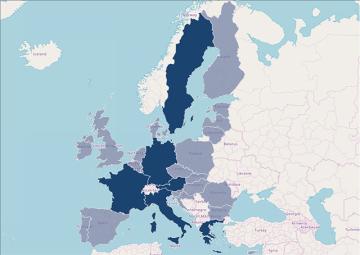
This report presents findings from FRA’s 2019 survey on Roma and Travellers in Belgium, France, Ireland, the Netherlands, Sweden and the United Kingdom. The survey included interviews with almost 4,700 Roma and Travellers, collecting information on more than 8,200 individuals living in their households.
Antisemitism can be expressed in the form of verbal and physical attacks, threats, harassment, discrimination and unequal treatment, property damage and graffiti or other forms of speech or text, including on the internet. Antisemitic incidents and hate crimes violate fundamental rights, especially the right to human dignity, the right to equality of treatment and the freedom of thought, conscience and religion.