Newsroom

FRA will present its research findings during a side meeting at the UN Crime Congress. It will draw on results from its violence against women survey and fundamental rights survey.
The EU Agency for Fundamental Rights (FRA) identifies a number of persistent and emerging fundamental rights concerns in its latest migration bulletin.
Crime can touch any of us – as witnesses or as victims. But no matter who you are, we all have rights when it comes to justice. It is for this reason that the European Union Agency for Fundamental Rights asked 35,000 people across Europe about their experiences of crime in its Fundamental Rights Survey, and the results are in.
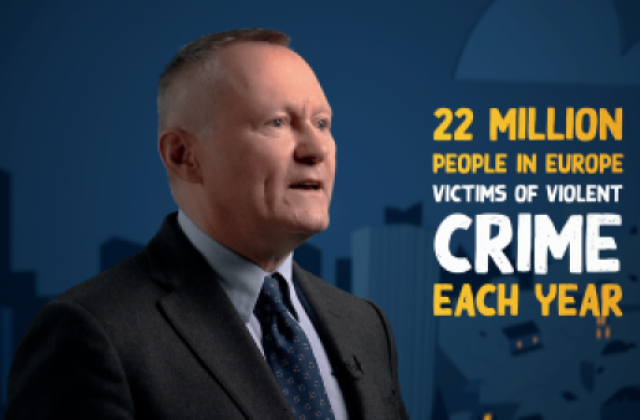
We don’t all experience crime in the same way, and we might deal with it differently. But it’s vital – as victims or witnesses – that our rights are guaranteed, because access to justice is our fundamental right. Watch FRA Director Michael O’Flaherty speaking on the Fundamental Rights Survey report on crime, safety and victims’ rights.
Video
In his latest vlog FRA Director Michael O'Flaherty calls for making Covid-19 vaccine equality a top priority for 2021.
News Item
On 12 February, the European Guardianship Network held a meeting to discuss the development of FRA’s Trainers’ Manual on Guardianship.
FRA presented areas where EU funding could help address fundamental rights challenges in the field of asylum, borders and immigration. This could support Member States om their the implementation of EU law safeguards as they prepare their multiannual programmes under the new migration and security funds.
Event
The FRA Executive Board will meet on 26 February via videoconference.
The Representation of the European Commission in Spain and the Konrad Adenauer Foundation will host a virtual event to mark 20 years of the EU’s Fundamental Rights Charter in collaboration with FRA. Discussions will focus on the EU instruments and mechanisms available to ensure the application of Article 2 of the Treaty on European Union and the Charter of Fundamental Rights in Spain.
-
The Roma Working Party will have its 4th virtual meeting from 25 to 26 February.
FRA will present findings from its recent report on Crime, safety and victims’ rights during the first plenary meeting of the Victims’ Rights Platform. The European Commission inaugurated the Platform on 22 September 2020.
FRA will present evidence on Europeans’ attitudes towards fundamental rights and democracy during a conference to mark European Day for Victims of Crime on 22 February.
Event
On 22 February, the European Commission representation to Albania will host an event with key stakeholders to exchange information on FRA's work.
FRA will take part in a discussion on the application of the Framework Decision on the European Arrest Warrant. The discussions form part of a FairTrials webinar on 18 February.
More than one in four Europeans were victims of harassment and 22 million were physically attacked in one year. But crime victims typically do not report their experiences. They often have difficulties accessing their rights and may feel voiceless. These are the results of the first-ever EU-wide survey on the general population’s experience of crime, carried out by the EU Agency for Fundamental Rights (FRA). The results reveal how targeted measures can help governments support victims and make it easier to report crime and receive justice.
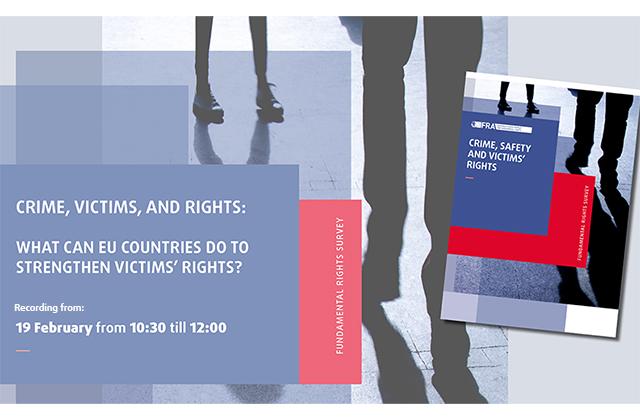
Too often victims of crime are denied their rights. They are left voiceless and unsupported. Young people and minorities particularly suffer, as FRA will reveal during a debate on 19 February.
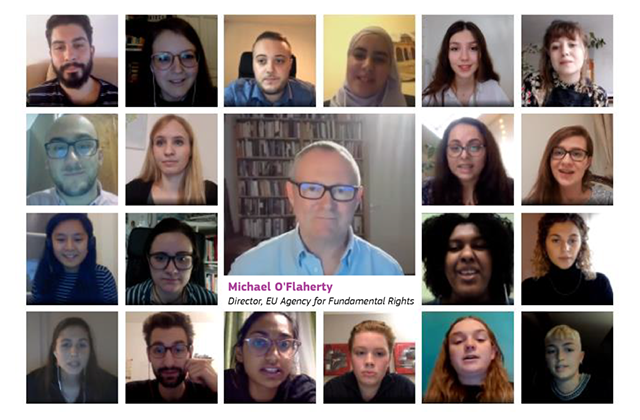
On 23 February, the Fundamental Rights Agency’s Director, Michael O’Flaherty, listened to fundamental rights concerns and discussed ways to solve them. The second Fundamental Rights Dialogue invited young people to participate in shaping our societies, placing human rights centre stage.

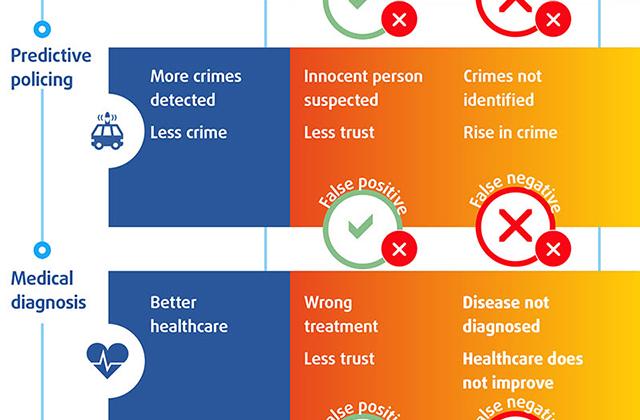
Artificial intelligence (AI) already plays a role in many decisions that affect our daily lives. From deciding what unemployment benefits someone gets to where a burglary is likely to take place. But we need to make sure to fully uphold fundamental rights standards when using AI. Drawing on the ‘Getting the future right – Artificial intelligence and fundamental rights’ report, FRA explores the potential benefits and possible errors that can occur focusing on four core areas – social benefits, predictive policing, health services and targeted advertising.
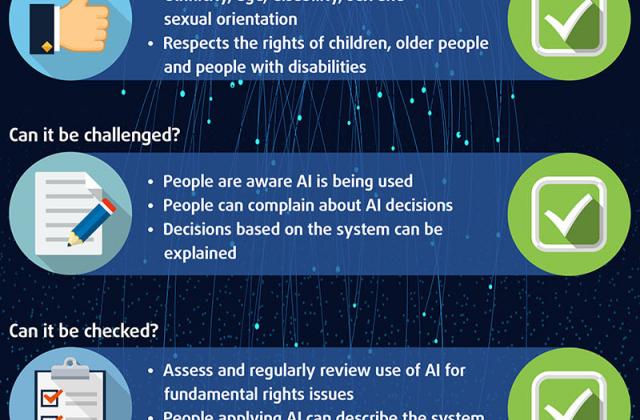
Artificial intelligence (AI) already plays a role in many decisions that affect our daily lives. From deciding what unemployment benefits someone gets to where a burglary is likely to take place. But we need to make sure to fully uphold fundamental rights standards when using AI. Drawing on the ‘Getting the future right – Artificial intelligence and fundamental rights’ report, FRA presents a number of key considerations to help businesses and administrations respect fundamental rights when using AI.