Newsroom

FRA will take part in a European Economic Social Committee (EESC) hearing on 20 April.
Event
FRA will take part in a online expert consultation on 20 April on countering hate speech. The KAICIID Dialogue Centre, in cooperation with the OSCE’s Office for Democratic Institutions and Human Rights and the European Council of Religious Leaders/ Religions for Peace- Europe are organising the event.
The FRA Director will share key insights from FRA’s body of evidence on racism and racial discrimination during a high-level conference on racial discrimination.
FRA delivered online training on 30 March on the fundamental rights considerations of returning unaccompanied children. The European Union Agency for Law Enforcement Training (CEPOL) organised the webinar.
The update to FRA’s anti-Muslim hatred database is now available. It covers 2012 up to mid-2020.
FRA will meet partners online from its FRANET research network to implement the second part of its project on procedural safeguards for children in criminal proceedings. The focus will be on interviewing children to capture their experiences and perspectives in criminal proceedings. FRANET partners from seven EU Member States – Austria, Belgium, Bulgaria, Estonia, Italy, Poland and Portugal – will attend.

On 16 April, FRA will present selected results from its Fundamental Rights Survey at an online Eurostat task force meeting. The task force is responsible for implementing the EU survey on gender-based violence against women and other forms of interpersonal violence.
All societies still feel the impact of the COVID-19 pandemic, but the challenges for Roma are particularly acute, say the EU Agency for Fundamental Rights (FRA) and the OSCE Office for Democratic Institutions and Human Rights (ODIHR) on International Roma Day.
FRA will join panel discussions on 8 April, International Roma Day, organised by the Austrian parliamentary president.
FRA will present results from its Roma and Travellers Survey during a webinar organised by European Public Health Alliance (EPHA).
During the first of a series of seminars on AI and law, FRA presented its research findings on the fundamental rights implications of using Artificial Intelligence.
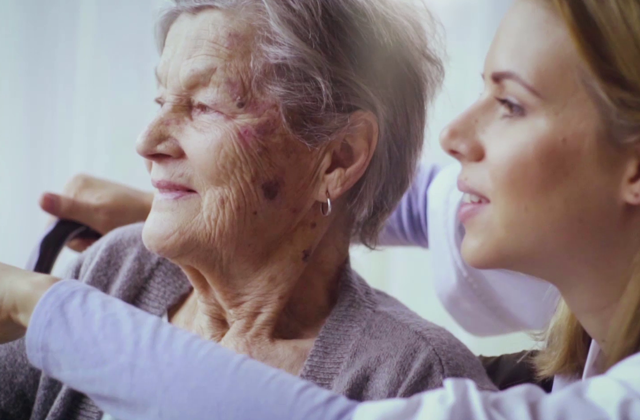
There are many reasons why adults may find themselves in a situation of vulnerability - because of their age, health or disability. Vulnerable people are at greater risk of unfair treatment, exploitation or abuse. And cross-border settings can lead to additional obstacles. It's time to address these challenges and identify the needs of vulnerable adults so everyone can enjoy their fundamental rights.
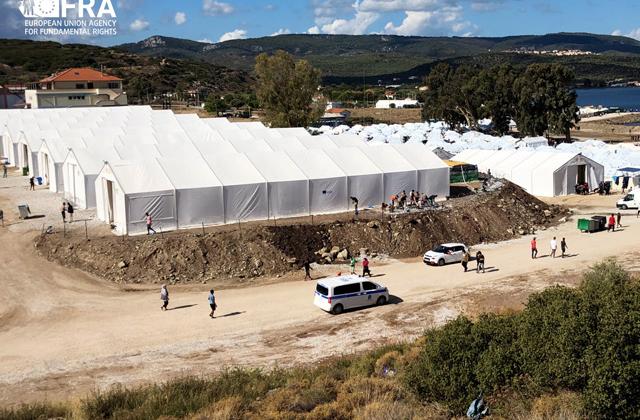
FRA Director Michael O'Flaherty, in his latest vlog, reflects on the migration situation at the EU’s external borders. He highlights the need for sustained joined-up efforts from all relevant bodies, including civil society, to protect the wellbeing and human rights of migrants. He underlines the importance of working with local communities as we receive migrants into our communities. He also points to room for improvement is our treatment of unaccompanied children.
FRA will join round-table discussions on identifying and preventing the discriminatory impact of artificial intelligence.
On 24 March, FRA took part in a webinar organised by the European Network of Ombudsmen on AI and e-government in public administrations.
FRA will introduce its guide on preventing unlawful profiling during a webinar on 1 April. The Inter-American Court of Human Rights and the Agencia GIZ Costa Rica are organising the webinar.
On 31 March, FRA contributes to conference discussions on the effectiveness of national human rights institutions (NHRIs) in the Western Balkans.
Event
On 30 March, FRA will join the European Commission’s regular dialogue with civil society and international partners on Roma inclusion, integration and equality. FRA will provide an update on developments related to its work with civil society, the Roma working party and its Roma survey.
FRA Director will deliver a keynote speech during a high-level online conference on protecting vulnerable adults across Europe. The conference provides an opportunity to reflect on the current situation and look ahead to what steps are necessary to ensure that all members of our diverse societies can enjoy their fundamental rights, including equal access to justice.
Last week, FRA's Director visited Ljubljana from 15 to 18 March to discuss assistance during the upcoming EU Presidency of Slovenia.