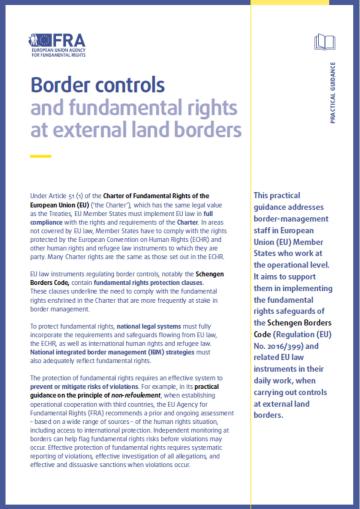
I presenti orientamenti sono destinati al personale addetto alla gestione delle frontiere negli Stati membri dell’Unione europea (UE) che lavora a livello operativo e mirano ad assisterli nell’attuare nel loro lavoro quotidiano, le tutele in materia di diritti fondamentali previste dal codice frontiere Schengen [regolamento (UE) 2016/399] e dal relativo diritto dell’UE.
Šios gairės skirtos ES valstybių narių sienų valdymo pareigūnams, dirbantiems operatyviniu lygmeniu. Jomis siekiama padėti jiems kasdieniame darbe įgyvendinti Šengeno sienų kodekse (Reglamentas (ES) 2016/399) ir susijusiuose ES teisės aktuose nustatytas pagrindinių teisių apsaugos priemones.
Šie norādījumi ir paredzēti robežu pārvaldības darbiniekiem ES dalībvalstīs, kuri strādā operatīvajā līmenī. Norādījumu mērķis ir palīdzēt viņiem ikdienas darbā īstenot Šengenas Robežu kodeksā (Regula (ES) 2016/399) un saistītajos ES tiesību aktos paredzētos pamattiesību aizsardzības pasākumus.
Din il-gwida hija għall-persunal tal-ġestjoni tal-fruntieri fl-Istati Membri tal-UE li jaħdem fuq livell operazzjonali. Din għandha l-għan li tgħinhom jimplimentaw, fil-ħidma tagħhom ta’ kuljum, is-salvagwardji tad-drittijiet fundamentali tal-Kodiċi tal-Fruntieri ta’ Schengen (ir-Regolament (UE) Nru. 2016/399) u l-liġi tal-UE relatata.
Deze richtsnoeren zijn bestemd voor grensbeheerpersoneel in de lidstaten van de Europese Unie (EU) dat op operationeel niveau werkt. Ze zijn bedoeld om deze medewerkers
te helpen bij hun dagelijkse werkzaamheden om de waarborgen op het gebied van de grondrechten van de Schengengrenscode (Verordening (EU) 2016/399) en de daarmee verband houdende EU-wetgeving uit te voeren.
In 2019, the International Organization for Migration estimated that 1,866 people have died or gone missing while crossing the Mediterranean Sea to reach Europe to escape war or persecution or to pursue a better life. This is an average of five people per day. In recent years, a significant proportion of migrants in distress at sea have been rescued by civil society vessels deployed with a humanitarian mandate to reduce fatalities and bring rescued migrants to safety. Since 2018, however, authorities in some EU Member States started viewing civil society-deployed rescue vessels with hostility. As a reaction, national authorities initiated about 40 administrative and criminal proceedings against crew members or vessels, including seizing the latter. In some cases, rescue vessels were blocked in harbours due to flag issues or the inability to meet technical requirements.
FRA’s Fundamental Rights Report 2020 reviews major developments in the field in 2019, identifying both achievements and areas of concern. It also presents FRA’s opinions on these developments, including a synopsis of the evidence supporting these opinions. This year’s focus chapter explores how to unlock the full potential of the EU Charter of Fundamental Rights.
Council of Europe (CoE) and European Union (EU) Member States have an undeniable sovereign right to control the entry of non-nationals into their territory. While exercising border control, states have a duty to protect the fundamental rights of all people under their jurisdiction, regardless of their nationality and/or legal status. Under EU law, this includes providing access to asylum procedures.
Η παρούσα έκθεση εξετάζει πέντε βασικές πτυχές των συνθηκών κράτησης στα κράτη μέλη της ΕΕ: το μέγεθος των
κελιών, τον χρόνο που οι κρατούμενοι μπορούν να περνούν έξω από τα κελιά τους, συμπεριλαμβανομένων των εξω-
τερικών χώρων, τις συνθήκες υγιεινής, την πρόσβαση στην υγειονομική περίθαλψη και το αν οι κρατούμενοι προστα-
τεύονται από τη βία. Για καθεμία από αυτές τις πτυχές των συνθηκών κράτησης, η έκθεση συνοψίζει καταρχάς τα ελά-
χιστα πρότυπα σε διεθνές και ευρωπαϊκό επίπεδο. Στη συνέχεια εξετάζει πώς τα εν λόγω πρότυπα μετουσιώνονται σε
εθνικούς νόμους και άλλους κανόνες των κρατών μελών της ΕΕ.
This report looks at five core aspects of detention conditions in EU Member States: the size of cells; the amount of time detainees can spend outside of these cells, including outdoors; sanitary conditions; access to healthcare; and whether detainees are protected from violence. For each of these aspects of detention conditions, the report first summarises the minimum standards at international and European levels. It then looks at how these standards are translated into national laws and other rules of the EU Member States.
Over 2.5 million people applied for international protection in the 28 EU Member States in 2015 and 2016. Many of those who were granted some form of protection are young people, who are likely to stay and settle in the EU. The EU Agency for Fundamental Rights interviewed some of them, as well as professionals working with them in 15 locations across six EU Member States: Austria, France, Germany, Greece, Italy and Sweden. This report presents the result of FRA’s fieldwork research, focusing on young people between the
ages of 16 and 24.
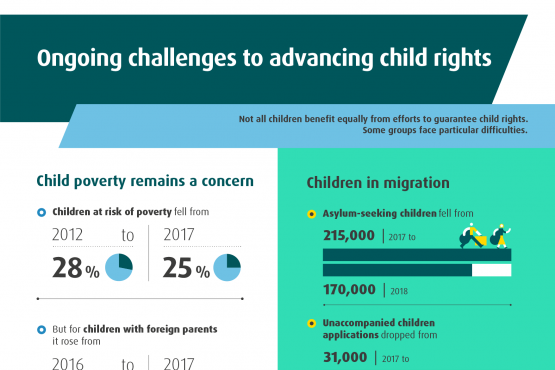
Child rights come first. Measures to ensure child protection and participation apply to all children in the EU. This brochure guides you to relevant FRA reports and tools that can support you when promoting and protecting the rights of all children in the EU.
This annual overview provides an update of the most recent figures on antisemitic incidents, covering the period 1 January 2008 – 31 December 2018, across the EU Member States, where data are available. It includes a section that presents evidence from international organisations. In addition, for the first time, it provides an overview of how Member States that have adopted or endorsed the non-legally binding working definition of antisemitism adopted by the International Holocaust Remembrance Alliance (IHRA) (2016) use or intend to use it.
Protecting the rights of anyone suspected or accused of a crime is an essential element of the rule of law. Courts, prosecutors and police officers need certain powers to enforce the law – but trust in the outcomes of their efforts will quickly erode without effective safeguards. Such safeguards take on various forms, and include the right to certain information and to a lawyer.
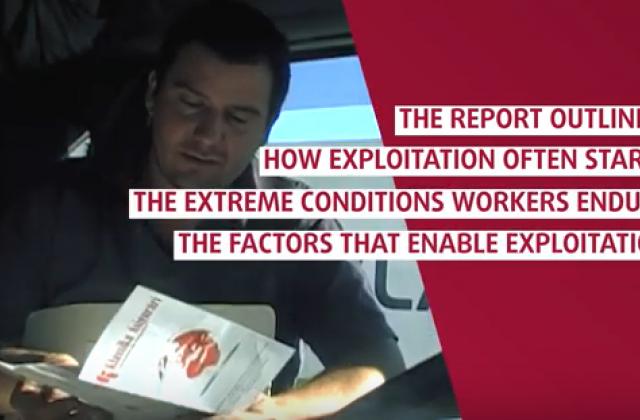
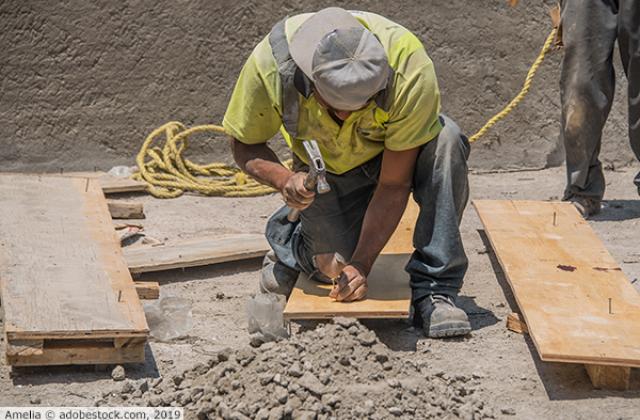
This report is the EU Fundamental Rights Agency’s fourth on the topic of severe labour exploitation. Based on interviews with 237 exploited workers, it paints a bleak picture of severe exploitation and abuse. The workers include both people who came to the EU, and EU nationals who moved to another EU country. They were active in diverse sectors, and their legal status also varied.
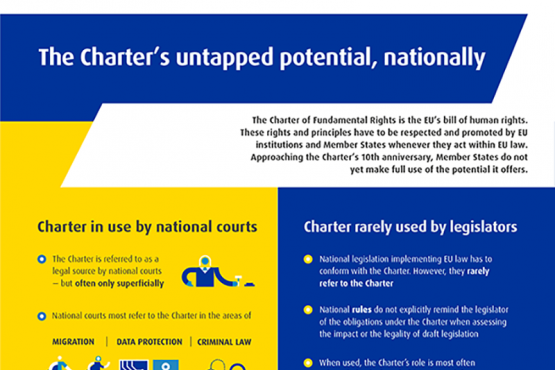
Fundamental Rights Report 2019: The Charter of Fundamental Rights is the EU’s bill of human rights. These rights and principles have to be respected and promoted by EU institutions and Member States whenever they act within EU law. Approaching the Charter’s 10th anniversary, Member States do not yet make full use of the potential it offers.
In 2018, some 2,299 people are estimated to have died or gone missing at sea while crossing the sea to reach Europe to escape war or persecution or to pursue a better life. This is on average more than six people per day. Before mid-2017, a significant share of migrants in distress at sea have been rescued by civil society vessels deployed with a humanitarian mandate to reduce fatalities and bring rescued migrants to safety. In 2018, however, authorities in some Member States viewed civil society-deployed rescue vessels with hostility. As a reaction, they seized rescue vessels, arrested crew members, and initiated legal procedures against them (more than a dozen altogether). In some cases, rescue vessels were blocked in harbours due to flag issues.
Children deprived of parental care found in another EU Member State other than their own aims to strengthen the response of all relevant actors for child protection. The protection of those girls and boys is paramount and an obligation for EU Member States, derived from the international and European legal framework. The guide includes a focus on child victims of trafficking and children at risk, implementing an action set forth in the 2017 Communication stepping up EU action against trafficking in human beings, and takes into account identified patterns, including with respect to the gender specificity of the crime.