eu-charter

Carta dei diritti fondamentali dell’Unione europea

Preambolo

I popoli d'Europa, nel creare tra loro un'unione sempre più stretta, hanno deciso di condividere un futuro di pace fondato su valori comuni. Consapevole del suo patrimonio spirituale e morale, l'Unione si fonda sui valori indivisibili e universali della dignità umana, della libertà, dell'uguaglianza e della solidarietà; essa si basa sul principio della democrazia e sul principio dello Stato di diritto. Pone la persona al centro della sua azione istituendo la cittadinanza dell'Unione e creando uno spazio di libertà, sicurezza e giustizia.
L'Unione contribuisce alla salvaguardia e allo sviluppo di questi valori comuni nel rispetto della diversità delle culture e delle tradizioni dei popoli d'Europa, nonché dell'identità nazionale degli Stati membri e dell'ordinamento dei loro pubblici poteri a livello nazionale, regionale e locale; essa si sforza di promuovere uno sviluppo equilibrato e sostenibile e assicura la libera circolazione delle persone, dei servizi, delle merci e dei capitali, nonché la libertà di stabilimento.
A tal fine è necessario rafforzare la tutela dei diritti fondamentali, alla luce dell'evoluzione della società, del progresso sociale e degli sviluppi scientifici e tecnologici, rendendo tali diritti più visibili in una Carta.
La presente Carta riafferma, nel rispetto delle competenze e dei compiti dell'Unione e del principio di sussidiarietà, i diritti derivanti in particolare dalle tradizioni costituzionali e dagli obblighi internazionali comuni agli Stati membri, dalla Convenzione europea per la salvaguardia dei Diritti dell'Uomo e delle Libertà fondamentali, dalle carte sociali adottate dall'Unione e dal Consiglio d'Europa, nonché dalla giurisprudenza della Corte di giustizia dell'Unione europea e da quella della Corte europea dei diritti dell'uomo. In tale contesto, la Carta sarà interpretata dai giudici dell'Unione e degli Stati membri tenendo in debito conto le spiegazioni elaborate sotto l'autorità del praesidium della Convenzione che ha redatto la Carta e aggiornate sotto la responsabilità del praesidium della Convenzione europea.
Il godimento di questi diritti fa sorgere responsabilità e doveri nei confronti degli altri come pure della comunità umana e delle generazioni future.
Pertanto, l'Unione riconosce i diritti, le libertà e i principi enunciati in appresso.

Spiegazioni

  • Text:
    Source:
    Preamble - Explanations relating to the Charter of Fundamental Rights:

Giurisprudenza

0 results found

Diritto costituzionale nazionale

0 results found

Diritto dell'UE

0 results found

Diritto internazionale

0 results found

Prodotti

  • Fundamental Rights Report
    2
    December
    2004
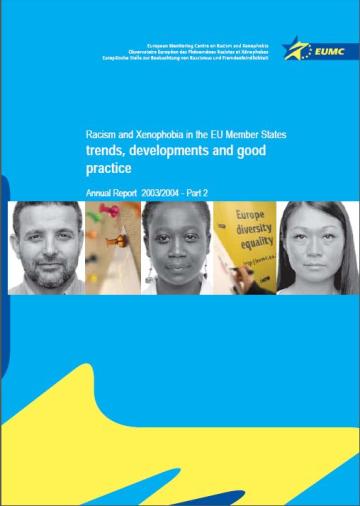
    In the Annual Report published on 2 December 2004, the Agency concludes that the education system in EU states is still failing migrant and minority pupils and racism against the Roma community continues.
  • Fundamental Rights Report
    1
    December
    2004
    The report analyses the existing and developing legal measures and remedies against discrimination of migrants and minorities, especially within the framework of the two EU anti-discrimination directives and their transposition into national legislation.
  • Report / Paper / Summary
    3
    May
    2004
    This report complements the report "Manifestations of Antisemitism in the EU 2002-2003" and consists of material from in-depth interviews with 35 persons from Jewish communities in eight European countries, covering their own perceptions of antisemitism.
  • Report / Paper / Summary
    3
    May
    2004
    "Manifestations of Antisemitism in the EU 2002 - 2003" details manifestations of antisemitism in the EU over a two-year period from 2002-2003 using data available by October 2003 and proposes policies to counter it. The second report, "Perceptions of Antisemitism in the European Union" provides snapshot interviews with members of the Jewish community. The main report shows that there has been an increase in antisemitic incidents in five EU countries, (Belgium, France, Germany, the Netherlands and the UK). Those incidents ranged from hate mail to arson. In some other countries there has been little evidence of increase in antisemitism.
  • Fundamental Rights Report
    1
    April
    2004
    This report presents the activities of the European Monitoring Centre on Racism and Xenophobia during 2003.
  • Report / Paper / Summary
    1
    January
    2004
    The Agency commissioned the material for this report from its National Focal Points in 15 EU Member States. The report constitutes a unique collection of evidence on various forms of discrimination and disadvantage experienced by migrants and minorities in the education sector. The Report finds that migrant and minority ethnic groups are over-represented in educational establishments with lower academic demands, have higher drop out rates, lower school completion rates, and sometimes even face segregation into 'special needs schools'. As well as documenting inequality, discrimination and process of exclusion, the report also examples of good practices in the field of education. The report finishes with selected recommendations for the EU and its Member States.
  • Fundamental Rights Report
    1
    December
    2003
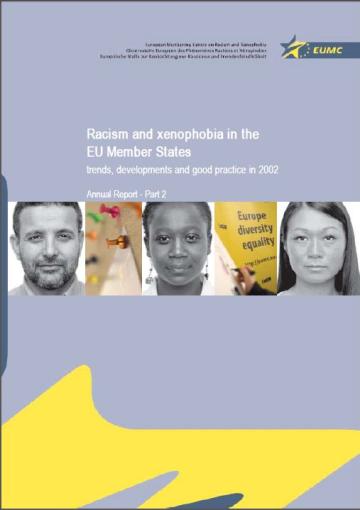
    The report was presented to the European Parliament beginning of December 2003, it provides information on the situation regarding racism and xenophobia in the Community and its Member States, and highlights examples of good practice.
  • Leaflet / Flyer
    1
    October
    2003
    During 2003 the two EU Council Directives on equality were due to be transposed into the legislation of Member States. This report, published by the EUMC in the same year, provides conclusive evidence for the necessity of these Directives, and indicates the need for corresponding anti-discrimination measures in employment.
  • Report / Paper / Summary
    1
    September
    2003
    For the EUMC, which has been established to combat racism and xenophobia, the rapid development of Internet websites has become a reminder of the powerful instrument the Internet can be, as well as the negative impact it is able to exercise.
  • Fundamental Rights Report
    12
    June
    2003
    This report provides an account of the activities and achievements of the EUMC during 2002, and was presented on 12 June 2003 to the European Parliament, the Council ...