eu-charter

Listina základních práv EU

Preambule

Národy Evropy, vytvářejíce mezi sebou stále těsnější unii, se rozhodly sdílet mírovou budoucnost založenou na společných hodnotách.

Unie, vědoma si svého duchovního a morálního dědictví, se zakládá na nedělitelných a všeobecných hodnotách lidské důstojnosti, svobody, rovnosti a solidarity; spočívá na zásadách demokracie a právního státu. Do středu své činnosti staví jednotlivce tím, že zavádí občanství Unie a vytváří prostor svobody, bezpečnosti a práva.
Unie přispívá k zachování a rozvíjení těchto společných hodnot při současném respektování rozmanitosti kultur a tradic národů Evropy, národní identity členských států a uspořádání jejich veřejné moci na státní, regionální a místní úrovni; usiluje o podporu vyváženého a udržitelného rozvoje a zajišťuje volný pohyb osob, služeb, zboží a kapitálu, jakož i svobodu usazování.
K tomuto účelu je nezbytné posílit ochranu základních práv s ohledem na společenský vývoj, sociální pokrok a vědeckotechnologický rozvoj zřetelnějším vyjádřením těchto práv v podobě listiny.
Při respektování pravomocí a úkolů Unie i zásady subsidiarity potvrzuje tato listina práva, která vyplývají především z ústavních tradic a mezinárodních závazků společných členským státům, z Evropské úmluvy o ochraně lidských práv a základních svobod, ze sociálních chart přijatých Unií a Radou Evropy a z judikatury Soudního dvora Evropské unie a Evropského soudu pro lidská práva. Tuto listinu budou v této souvislosti soudy Unie a členských států vykládat s náležitým zřetelem na vysvětlení vyhotovená pod vedením prezídia Konventu, jež vypracovalo tuto listinu, a doplněná pod vedením prezídia Evropského konventu.
Uplatňování těchto práv s sebou nese odpovědnost a povinnosti, jak ve vztahu k druhým, tak ve vztahu k lidskému společenství a budoucím generacím.
V důsledku toho uznává Unie práva, svobody a zásady, které jsou vyhlášeny níže.

Vysvětlivky

  • Text:
    Source:
    Preamble - Explanations relating to the Charter of Fundamental Rights:

Soudcovské právo

0 results found

Vnitrostátního ústavního práva

0 results found

Právo EU

0 results found

Mezinárodní právo

0 results found

Produkty

  • Fundamental Rights Report
    2
    December
    2004
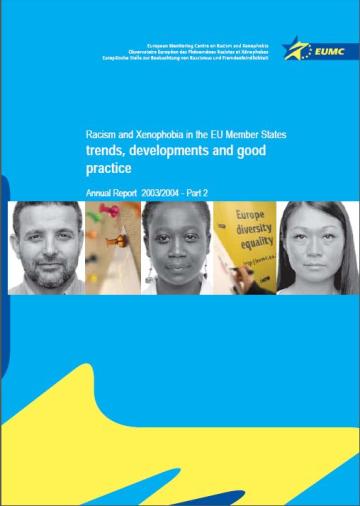
    In the Annual Report published on 2 December 2004, the Agency concludes that the education system in EU states is still failing migrant and minority pupils and racism against the Roma community continues.
  • Fundamental Rights Report
    1
    December
    2004
    The report analyses the existing and developing legal measures and remedies against discrimination of migrants and minorities, especially within the framework of the two EU anti-discrimination directives and their transposition into national legislation.
  • Report / Paper / Summary
    3
    May
    2004
    This report complements the report "Manifestations of Antisemitism in the EU 2002-2003" and consists of material from in-depth interviews with 35 persons from Jewish communities in eight European countries, covering their own perceptions of antisemitism.
  • Report / Paper / Summary
    3
    May
    2004
    "Manifestations of Antisemitism in the EU 2002 - 2003" details manifestations of antisemitism in the EU over a two-year period from 2002-2003 using data available by October 2003 and proposes policies to counter it. The second report, "Perceptions of Antisemitism in the European Union" provides snapshot interviews with members of the Jewish community. The main report shows that there has been an increase in antisemitic incidents in five EU countries, (Belgium, France, Germany, the Netherlands and the UK). Those incidents ranged from hate mail to arson. In some other countries there has been little evidence of increase in antisemitism.
  • Fundamental Rights Report
    1
    April
    2004
    This report presents the activities of the European Monitoring Centre on Racism and Xenophobia during 2003.
  • Report / Paper / Summary
    1
    January
    2004
    The Agency commissioned the material for this report from its National Focal Points in 15 EU Member States. The report constitutes a unique collection of evidence on various forms of discrimination and disadvantage experienced by migrants and minorities in the education sector. The Report finds that migrant and minority ethnic groups are over-represented in educational establishments with lower academic demands, have higher drop out rates, lower school completion rates, and sometimes even face segregation into 'special needs schools'. As well as documenting inequality, discrimination and process of exclusion, the report also examples of good practices in the field of education. The report finishes with selected recommendations for the EU and its Member States.
  • Fundamental Rights Report
    1
    December
    2003
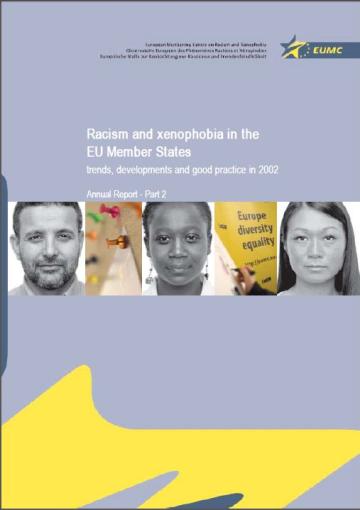
    The report was presented to the European Parliament beginning of December 2003, it provides information on the situation regarding racism and xenophobia in the Community and its Member States, and highlights examples of good practice.
  • Leaflet / Flyer
    1
    October
    2003
    During 2003 the two EU Council Directives on equality were due to be transposed into the legislation of Member States. This report, published by the EUMC in the same year, provides conclusive evidence for the necessity of these Directives, and indicates the need for corresponding anti-discrimination measures in employment.
  • Report / Paper / Summary
    1
    September
    2003
    For the EUMC, which has been established to combat racism and xenophobia, the rapid development of Internet websites has become a reminder of the powerful instrument the Internet can be, as well as the negative impact it is able to exercise.
  • Fundamental Rights Report
    12
    June
    2003
    This report provides an account of the activities and achievements of the EUMC during 2002, and was presented on 12 June 2003 to the European Parliament, the Council ...