eu-charter

EU's charter om grundlæggende rettigheder

Artikel 9 - Ret til at indgå ægteskab og ret til at stifte familie

Artikel 9 - Ret til at indgå ægteskab og ret til at stifte familie

Retten til at indgå ægteskab og retten til at stifte familie sikres i overensstemmelse med de nationale love om udøvelsen af denne ret.

Forklaringer

  • Text:

    Denne artikel bygger på artikel 12 i EMK, der lyder således: »Giftefærdige mænd og kvinder har ret til at indgå ægteskab og stifte familie i overensstemmelse med de nationale love om udøvelsen af denne ret.« Affattelsen af denne ret er moderniseret, således at den også omfatter tilfælde, hvor den nationale lovgivning anerkender andre måder at stifte familie på end ved ægteskab. Denne artikel hverken forbyder eller foreskriver, at partnerskaber mellem personer af samme køn kan få samme status som ægteskab. Retten svarer altså til den, der er fastsat i EMK, men den kan gøres mere omfattende i henhold til national ret.

    Source:
    Den Europæiske Unions Tidende C 303/17 - 14.12.2007
    Preamble - Explanations relating to the Charter of Fundamental Rights:
    Disse forklaringer blev oprindelig udarbejdet under præsidiet for den forsamling, der udarbejdede chartret om grundlæggende rettigheder. De er blevet ajourført under Det Europæiske Konvents præsidiums ansvar i lyset af de udkast til tilpasninger, som konventet har foretaget i charterteksten (især i artikel 51 og 52) og videreudviklingen af EU-retten. Selv om forklaringerne ikke i sig selv har retskraft, udgør de et værdifuldt fortolkningsinstrument beregnet til nærmere præcisering af chartrets bestemmelser.

Retspraksis

National Forfatningsret

34 results found

  • Luxembourg / Constitution of the Grand Ducal of Luxembourg
    Land:
    Luxembourg

    Art. 15.  ... (4) Toute personne a le droit de fonder une famille. 

    Toute personne a droit au respect de sa vie familiale. 

    ...

  • Magyarország Alaptörvénye
    Land:
    Hungary

     L) cikk (Alapvetés) (1) Magyarország védi a házasság intézményét mint férfi és nő között, önkéntes elhatározás alapján létrejött életközösséget, valamint a családot mint a nemzet fennmaradásának alapját.(2) Magyarország támogatja a gyermekvállalást. (3) A családok védelmét sarkalatos törvény szabályozza.

  • Portugal / Constitution of the Portuguese Republic
    Land:
    Portugal

    Article 36 (Family, marriage and filiation) (1) Everyone shall possess the right to found a family and to marry on terms of full equality. (2) The law shall regulate the requirements for and the effects of marriage and its dissolution by death or divorce, regardless of the form in which it was entered into. (3) Spouses shall possess equal rights and duties in relation to their civil and political capacity and to the maintenance and education of their children. (4) Children born outside wedlock shall not be the object of any discrimination for that reason, and neither the law, nor official departments or services may employ discriminatory terms in relation to their filiation. (5) Parents shall possess the right and the duty to educate and maintain their children. (6) Children shall not be separated from their parents, save when the latter do not fulfil their fundamental duties towards them, and then always by judicial order. (7) Adoption shall be regulated and protected by law, which shall lay down swift forms of completion of the necessary requirements.

  • Romania / Constitution of Romania
    Land:
    Romania

    Article 48(1) The family is founded on the freely consented marriage of the spouses, their full equality, as well as the right and duty of the parents to ensure the upbringing, education and instruction of their children.(2) The terms for entering into marriage dissolution and nullity of marriage shall be established by law. Religious wedding may be celebrated only after the civil marriage. (3) Children born out of wedlock are equal before the law with those born in wedlock.

  • Slovakia / Constitution of the Slovak Republic
    Land:
    Slovakia

    Article 41 (1) Marriage is a unique bond between a man and a woman. The Slovak Republic broadly protects and promotes its good. Marriage parenthood and the family are under the protection of the law. (…)

  • Slovenia / Constitution of the Republic of Slovenia
    Land:
    Slovenia

    Article 53 Marriage is based on the equality of spouses. Marriages shall be solemnised before an empowered state authority. Marriage and the legal relations within it and the family, as well as those within an extramarital union, shall be regulated by law. The state shall protect the family, motherhood, fatherhood, children, and young people and shall create the necessary conditions for such protection. Article 54 Parents have the right and duty to maintain, educate, and raise their children. This right and duty may be revoked or restricted only for such reasons as are provided by law in order to protect the child's interests. Children born out of wedlock have the same rights as children born within it. Article 55 Everyone shall be free to decide whether to bear children. The state shall guarantee the opportunities for exercising this freedom and shall create such conditions as will enable parents to decide to bear children. Article 56 Children shall enjoy special protection and care. Children shall enjoy human rights and fundamental freedoms consistent with their age and maturity. Children shall be guaranteed special protection from economic, social, physical, mental, or other exploitation and abuse. Such protection shall be regulated by law. Children and minors who are not cared for by their parents, who have no parents or who are without proper family care shall enjoy the special protection of the state. Their position shall be regulated by law.

  • Spain / Constitution of the Kingdom of Spain
    Land:
    Spain

    Section 32 (1) Man and woman have the right to marry with full legal equality. (2) The law shall make provision for the forms of marriage, the age and capacity for concluding it, the rights and duties of the spouses, the grounds for separation and dissolution, and their effects

  • The Belgian Constitution
    Land:
    Belgium

    Article 21 (...) A civil wedding should always precede the blessing of the marriage, apart from the exceptions to be established by the law if needed.

  • The Constitution of the Republic of Cyprus
    Land:
    Cyprus

    Article 22
    1. Any person reaching nubile age is free to marry and to found a family according to the law relating to marriage, applicable to such person under the provisions of this Constitution.
    2. The provisions of paragraph 1 of this Article shall, in the following cases, be applied as follows: -
    (a) if the law relating to marriage applicable to the parties as provided under Article 111 is not the same, the parties may elect to have their marriage governed by the law applicable to either of them under such Article;
    (b) if the provisions of Article 111 are not applicable to any of the parties to the marriage and neither of such parties is a member of the Turkish Community, the marriage shall be governed by a law of the Republic which the House of Representatives shall make and which shall not contain any restrictions other than those relating to age, health, proximity of relationship and prohibition of polygamy;
    (c) if the provisions of Article 111 are applicable only to one of the parties to the marriage and the other party is not a member of the Turkish Community, the marriage shall be governed by the law of the Republic as in sub-paragraph (b) of this paragraph provided:
    Provided that the parties may elect to have their marriage governed by the law applicable, under Article 111, to one of such parties in so far as such law allows such marriage.
    3. Nothing in this Article contained shall, in any way, affect the rights, other than those on marriage, of the Greek-Orthodox Church or of any religious group to which the provisions of paragraph 3 of Article 2 shall apply with regard to their respective members as provided in this Constitution.

  • The Fundamental Law of Hungary
    Land:
    Hungary

     Article L (Foundation) (1) Hungary shall protect the institution of marriage as the union of a man and a woman established by voluntary decision, and the family as the basis of the survival of the nation. Family ties shall be based on marriage or the relationship between parents and children.
    (2) Hungary shall support the commitment to have children. (3) The protection of families shall be regulated by a cardinal Act.

  • Tο Σύνταγμα της Κυπριακής Δημοκρατίας
    Land:
    Cyprus

    ΑΡΘΡΟΝ 22
    1. Πας συμπληρώσας την προς γάμον ηλικίαν είναι ελεύθερος να συνάψη γάμον και ιδρύση οικογένειαν συμφώνως τω εφαρμοστέω δι’ έκαστον πρόσωπον, δυνάμει των διατάξεων του Συντάγματος, δικαίω περί γάμου.
    2. Αι διατάξεις της πρώτης παραγράφου του παρόντος άρθρου εφαρμόζονται ως ακολούθως εις τας επομένας περιπτώσεις:
    (α) εάν το εφαρμοστέον δι’ αμφοτέρους τους μέλλοντας να τελέσωσι γάμον, ως εν άρθρω 111 ορίζεται, δίκαιον περί γάμου δεν είναι το αυτό, οι μέλλοντες να τελέσωσι γάμον δύνανται να επιλέξωσιν, όπως ο γάμος αυτών διέπεται υπό του δικαίου του εφαρμοστέου δι’ εκάτερον τούτων συμφώνως τω ειρημένω άρθρω,
    (β) εάν αι διατάξεις του άρθρου 111 δεν είναι εφαρμοστέαι διά τους μέλλοντας να τελέσωσι γάμον και ουδείς εξ αυτών είναι μέλος της τουρκικής κοινότητος, ο γάμος αυτών διέπεται υπό νόμου της Δημοκρατίας, ψηφιζομένου υπό της Βουλής, ο οποίος δεν δύναται να περιλαμβάνη περιορισμούς άλλους πλην των αφορώντων εις την ηλικίαν, την υγιείαν, τον βαθμόν συγγενείας και την απαγόρευσιν της πολυγαμίας,
    (γ) εάν αι διατάξεις του άρθρου 111 είναι εφαρμοστέαι μόνον δι’ εκάτερον των μελλόντων να τελέσωσι γάμον και ο έτερος εξ αυτών δεν είναι μέλος της τουρκικής κοινότητος, ο γάμος διέπεται υπό νόμου της Δημοκρατίας, ως ορίζεται εν εδαφίω (β) της παρούσης παραγράφου, τηρουμένου του όρους ότι οι μέλλοντες να τελέσωσι γάμον δύνανται να επιλέξωσιν όπως ο γάμος αυτών διέπεται υπό του εφαρμοστέου συμφώνως τω άρθρω 111 δι’ εκάτερον αυτών δικαίου, εφ’ όσον τούτο επιτρέπει τοιούτον γάμον.
    3. Ουδέν των εν τω παρόντι άρθρω περιλαμβανομένων επηρεάζει καθ’ οιονδήποτε τρόπον τα δικαιώματα, πλην των εις τον γάμον αναφερομένων, της ελληνικής ορθοδόξου Εκκλησίας ως προς τους ανήκοντας εις αυτήν ή οιασδήποτε θρησκευτικής ομάδος, δι’ ην εφαρμόζονται αι διατάξεις της τρίτης παραγράφου του άρθρου 2, ως προς τα μέλη αυτής, ως εν τω Συντάγματι ορίζεται.

  • Zákon z 19. januára 2005 o rodine a o zmene a doplnení niektorých zákonov
    Land:
    Slovakia
  • Το Σύνταγμα της Ελλάδας
    Land:
    Greece

    Άρθρο 21 (1). H oικoγένεια, ως θεμέλιo της συντήρησης και πρoαγωγής τoυ Έθνoυς, καθώς και o γάμoς, η μητρότητα και η παιδική ηλικία τελoύν υπό την πρoστασία τoυ Kράτoυς. (2). Πoλύτεκνες oικoγένειες, ανάπηρoι πoλέμoυ και ειρηνικής περιόδoυ, θύματα πoλέμoυ, χήρες και oρφανά εκείνων πoυ έπεσαν στoν πόλεμo, καθώς και όσoι πάσχoυν από ανίατη σωματική ή πνευματική νόσo έχoυν δικαίωμα ειδικής φρoντίδας από τo Kράτoς. [..]

  • КОНСТИТУЦИЯ на Република България
    Land:
    Bulgaria

    Чл. 46. (1) Бракът е доброволен съюз между мъж и жена. Законен е само гражданският брак. (2) Съпрузите имат равни права и задължения в брака и семейството. (3) Формата на брака, условията и редът за неговото сключване и прекратяване, личните и имуществените отношения между съпрузите се уреждат със закон.

EU-ret

2 results found

  • Council Regulation (EU) 2016/1103 of 24 June 2016 implementing enhanced cooperation in the area of jurisdiction, applicable law and the recognition and enforcement of decisions in matters of matrimonial property regimes

    [...]

    (73) This Regulation respects fundamental rights and observes the principles recognised in the Charter, in particular Articles 7, 9, 17, 21 and 47 concerning, respectively, respect for private and family life, the right to marry and to found a family according to national laws, property rights, the principle of non-discrimination and the right to an effective remedy and to a fair trial. This Regulation should be applied by the courts and other competent authorities of the Member States in compliance with those rights and principles.

    [...]

  • Council Resolution of 4 December 1997 on measures to be adopted on the combating of marriages of convenience

    1. For the purposes of this resolution, a 'marriage of convenience` means a marriage concluded between a national of a Member State or a third-country national legally resident in a Member State and a third-country national, with the sole aim of circumventing the rules on entry and residence of third-country nationals and obtaining for the third-country national a residence permit or authority to reside in a Member State.

    2. Factors which may provide grounds for believing that a marriage is one of convenience are in particular:

    - the fact that matrimonial cohabitation is not maintained,

    - the lack of an appropriate contribution to the responsibilities arising from the marriage,

    - the spouses have never met before their marriage,

    - the spouses are inconsistent about their respective personal details (name, address, nationality and job), about the circumstances of their first meeting, or about other important personal information concerning them,

    - the spouses do not speak a language understood by both,

    - a sum of money has been handed over in order for the marriage to be contracted (with the exception of money given in the form of a dowry in the case of nationals of countries where the provision of a dowry is common practice),

    - the past history of one or both of the spouses contains evidence of previous marriages of convenience or residence anomalies.

    In this context, such information may result from:

    - statements by those concerned or by third parties,

    - information from written documentation, or

    - information obtained from inquiries carried out.

    3. Where there are factors which support suspicions for believing that a marriage is one of convenience, Member States shall issue a residence permit or an authority to reside to the third-country national on the basis of the marriage only after the authorities competent under national law have checked that the marriage is not one of convenience, and that the other conditions relating to entry and residence have been fulfilled. Such checking may involve a separate interview with each of the two spouses.

    4. Should the authorities competent under national law find the marriage to be one of convenience, the residence permit or authority to reside granted on the basis of the third-country national's marriage shall as a general rule be withdrawn, revoked or not renewed.

    5. The third-country national shall have an opportunity to contest or to have reviewed, as provided for by national law, either before a court or before a competent administrative authority, a decision to refuse, withdraw, revoke or not renew a residence permit or authority to reside.

    6. Member States shall have regard to this resolution in any proposals to amend their national legislation. They shall furthermore endeavour to bring their national legislation into line with this resolution by 1 January 1999. The Council shall review the implementation of this resolution once a year, starting from 1 January 1999.

International ret

4 results found

  • European Convention on Human Rights - Article 12

    Article 12 – Right to marry

    Men and women of marriageable age have the right to marry and to found a family, according to the national laws governing the exercise of this right

  • Committee on the Rights of Persons with Disabilities, General comment No. 1 (2014)

    Preamble:
    ‘8. [...] The right to equal recognition before the law implies that legal capacity is a universal attribute inherent in all persons by virtue of their humanity and must be upheld for persons with disabilities on an equal basis with others. Legal capacity is indispensable for the exercise of civil, political, economic, social and cultural rights. It acquires a special significance for persons with disabilities when they have to make fundamental decisions regarding their health, education and work. The denial of legal capacity to persons with disabilities has, in many cases, led to their being deprived of many fundamental rights, including the right to vote, the right to marry and found a family, reproductive rights, parental rights, the right to give consent for intimate relationships and medical treatment, and the right to liberty.‘
    ‘29. [...] (f) Support in decision-making must not be used as justification for limiting other fundamental rights of persons with disabilities, especially the right to vote, the right to marry, or establish a civil partnership, and found a family, reproductive rights, parental rights, the right to give consent for intimate relationships and medical treatment, and the right to liberty;‘

  • UN General Assembly Resolution 70/138 (2016) - The girl child

    ‘Paragraph 13. Urges all States to enact, uphold and strictly enforce laws and policies aimed at preventing and ending child, early and forced marriage and protecting those at risk and to ensure that marriage is entered into only with the informed, free and full consent of the intending spouses, to enact and strictly enforce laws concerning the minimum legal age of consent and the minimum age for marriage, to raise the minimum age for marriage, engage all relevant stakeholders, including girls, where necessary, [...]‘

  • UN General Assembly Resolution 71/175 (2016) - Child, early and forced marriage

    ‘3. Further calls upon States to strengthen their efforts to ensure the timely registration of births and marriages, especially for individuals living in rural and remote areas, including by identifying and removing all physical, administrative, procedural and any other barriers that impede access to registration and by providing, where lacking, mechanisms for the registration of customary and religious marriages;‘
    ‘4. Calls upon States to enact, build awareness of, enforce and uphold laws concerning a minimum age of marriage and to progressively amend laws with lower ages of marriage and/or ages of majority;‘

Produkter

  • Fundamental Rights Report
    11
    June
    2026
    The Fundamental Rights Report: Challenges and Achievements in 2025 is FRA’s flagship annual publication. It provides an overview of the state of fundamental rights in the EU and highlights selected critical developments from 2025. This year, it focuses on four areas: rights protection in a rapidly changing digital environment; the housing crisis and rising homelessness rates; employment challenges for people from non-EU countries; and the implementation of the EU Charter of Fundamental Rights. The publication is a valuable resource for those seeking to stay informed about the EU’s shifting landscape of fundamental rights.
  • Report / Paper / Summary
    19
    February
    2021
    This is the second main report from FRA’s Fundamental Rights Survey, which collected data from 35,000 people on a range of issues. This report focuses on respondents’ experiences as victims of selected types of crime, including violence, harassment, and property crime. The report also examines how often these crimes are reported to the police, and presents further details relating to harassment and violence, such as the perpetrators and where the incidents took place.
  • Report / Paper / Summary
    23
    September
    2020
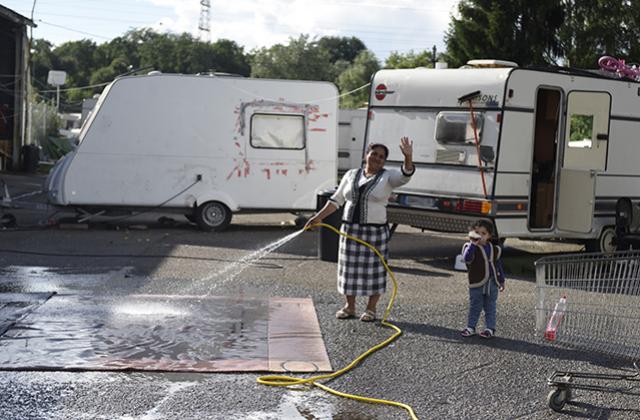
    This report presents findings from FRA’s 2019 survey on Roma and Travellers in Belgium, France, Ireland, the Netherlands, Sweden and the United Kingdom. The survey included interviews with almost 4,700 Roma and Travellers, collecting information on more than 8,200 individuals living in their households.
  • Report / Paper / Summary
    11
    December
    2015
    While awareness of the rights of lesbian, gay, bisexual, transgender and intersex (LGBTI) persons is on the rise across the European Union, hurdles to their full enjoyment of their fundamental rights remain. This report updates FRA’s 2010 report on homophobia, transphobia and discrimination on grounds of sexual orientation and gender identity.
  • Report / Paper / Summary
    12
    May
    2015
    This paper examines the legal situation of intersex people from a fundamental rights perspective. It draws on evidence from the Agency’s updated legal analysis on homophobia, transphobia, and discrimination on grounds of sexual orientation and gender identity, which now includes a section on intersex issues.
  • Report / Paper / Summary
    25
    October
    2011
    This report is the second publication from the legal study carried out in the context of the European Union Agency for Fundamental Rights' (FRA) project on the ‘Fundamental rights of persons with intellectual disabilities and persons with mental health problems'.
  • Report / Paper / Summary
    23
    June
    2011
    The European Union (EU) is founded on the values of equality and non-discrimination, and through its policies works to combat discrimination, including discrimination based on sexual orientation or gender identity. This report of the European Union Agency for Fundamental Rights (FRA) twins its research findings in the field with the relevant EU standards in a short and easy-to-read publication designed to equip those who shape policy with the information they need to develop a coherent and systematic approach to the protection of lesbian, gay, bisexual and transsexual (LGBT) rights.
  • Report / Paper / Summary
    30
    November
    2010
    This report updates the FRA comparative legal analysis of discrimination on the basis of sexual orientation and gender identity first published in June 2008. It presents the situation as it stood at the end of 2009, though information gathered in 2010 has been incorporated to the greatest possible extent. Five main trends among EU Member States can be noted from the information presented in this report.