Implementing the Migration and Asylum Pact: Lessons learnt from the hotspot approach
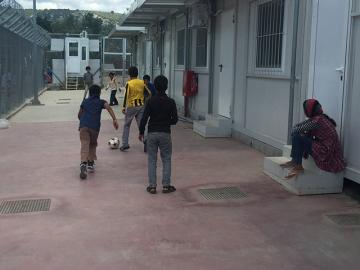
Introduced by the European Commission in 2015, the hotspot approach established reception facilities at the EU’s external borders in Italy and Greece. The aim was to help coordinate the work of EU and national authorities in registering migrants, processing asylum claims, addressing reception needs and identifying vulnerabilities. In 2024, the adoption of the Pact on Migration and Asylum introduced a revision of the EU’s asylum rules, which includes legal instruments in part inspired by the hotspot approach.
FRA’s report ‘Operationalising the Pact on Migration and Asylum: Experiences from the hotspot approach’ presents selected lessons learnt from the Agency’s decade-long experience of on-site visits and first-hand observation at the hotspots.
Drawing on these lessons, FRA highlights the following steps to support the EU and its Member States in implementing the Pact and ensuring fundamental rights compliant treatment of migrants and refugees at the EU’s borders:
- Cooperation with humanitarian actors, including international organisations and civil society, helps improve the delivery of services and information to people hosted at the hotspots.
- Standardised operating procedures for identifying and referring people with vulnerabilities help improve the response to the specific needs of asylum applicants.
- Adequate planning and appropriate infrastructure are essential to respect people’s dignity, especially when responding to sudden increases in arrivals.
- Specialised and accessible legal aid helps promote procedural fairness.
- Deprivation of liberty must always respect EU law. Special attention must be paid to vulnerable groups. First-line reception facilities should not have prison-like conditions.
- Communication and interpretation are fundamental. Qualified cultural mediators, phased information provision, accessible complaint mechanisms and regular outreach through social workers can help residents understand their rights, reduce tensions and build trust.
- Child protection and care is a legal obligation, which requires dedicated attention. Practical measures include tools for assessing the best interests of the child, providing children with specialised care and appropriate accommodation, reducing screening times and age assessments for children, and ensuring guardianship schemes are in place from the moment of arrival.
- Combatting gender-based violence requires preventive actions, such as investing into safe facility designs and ensuring sufficient presence of female police staff and interpreters.
- Cooperation with national human rights statutory bodies helps enhance transparency and accountability.
- FRA also underlines the importance of independent monitoring. Monitoring bodies should be able to access EU funding directly to strengthen oversight.
FRA’s role in the implementation of the Migration and Asylum Pact
FRA supports the implementation of the Pact by providing independent evidence, practical guidance and fundamental rights expertise to EU institutions and Member States. The Pact assigns specific roles to the Agency in the areas of fundamental rights monitoring, strategic planning on asylum and migration, and preparedness and crisis management. More information about FRA’s work on migration and asylum is available here.