Ez az összefoglaló az FRA által az alapjogi
felméréséről készített első jelentés legfontosabb
meglátásait mutatja be. A felmérés során mintegy
35 000 embertől gyűjtöttek adatokat számos, az
emberi jogokra különböző mértékben kiterjedő
kérdéssel kapcsolatos tapasztalataikról,
észrevételeikről és véleményeikről.
La presente sintesi illustra le principali indicazioni
contenute nella prima relazione della FRA basata
sull’indagine sui diritti fondamentali. Ai fini
dell’indagine sono stati raccolti dati intervistando
circa 35 000 persone sulle loro esperienze,
percezioni e opinioni riguardanti una serie di
questioni variamente correlate con i diritti umani.
Šioje santraukoje pateikiamos pagrindinės FRA
pirmos ataskaitos, grindžiamos pagrindinių teisių
tyrimu, įžvalgos. Tyrimo metu iš maždaug 35 000
žmonių surinkti duomenys apie jų patirtį, suvokimą
ir nuomonę tam tikrais klausimais, įvairiai
susijusiais su žmogaus teisėmis.
Šajā kopsavilkumā izklāstītas galvenās atziņas no
FRA pirmā ziņojuma, kura pamatā ir Pamattiesību
apsekojums. Apsekojumā tika apkopoti dati no
aptuveni 35 000 cilvēku par viņu pieredzi, uztveri
un viedokļiem par virkni jautājumu, kuri dažādos
veidos ir daļa no cilvēktiesībām.
In deze samenvatting worden de belangrijkste
inzichten uit het eerste verslag van het FRA op
basis van zijn enquête over de grondrechten
gepresenteerd. Met deze enquête zijn van
ongeveer 35 000 mensen gegevens verzameld
over hun ervaringen, belevingen en opvattingen
met betrekking tot allerlei kwesties die op
verschillende manieren te maken hebben met
mensenrechten.
W niniejszym streszczeniu zaprezentowano główne
spostrzeżenia zawarte w pierwszym sprawozdaniu
FRA z przeprowadzonego badania dotyczącego praw
podstawowych. W ramach badania zebrano
informacje od około 35 tys. osób dotyczące ich
doświadczeń, poglądów i opinii na temat szeregu
kwestii w różny sposób związanych z prawami
człowieka.
A presente síntese expõe as principais perspetivas
do primeiro relatório da FRA baseado no seu
Inquérito sobre os Direitos Fundamentais.
O inquérito recolheu dados de cerca de 35 000
pessoas sobre as suas experiências, perceções
e opiniões em relação a uma pluralidade de
questões que estão enquadradas de diversos
modos nos direitos humanos.
Rezumatul de față prezintă principalele constatări
ale primului raport întocmit de FRA pe baza
Sondajului privind drepturile fundamentale.
Sondajul a colectat date de la aproximativ 35 000
de persoane referitor la experiențele, la percepțiile
și la opiniile acestora cu privire la o serie de
aspecte care intră în sfera drepturilor omului sub
diverse forme.
V tomto zhrnutí sú uvedené hlavné poznatky
z prvej správy agentúry FRA založenej na
prieskume základných práv, ktorý uskutočnila
agentúra. V prieskume boli zhromaždené údaje
približne od 35 000 osôb o skúsenostiach, vnímaní
a názoroch týkajúcich sa celého radu záležitostí,
ktoré sa rôznym spôsobom týkajú ľudských práv.
V tem povzetku so predstavljeni glavni uvidi iz
prvega poročila agencije FRA na podlagi njene
raziskave o temeljnih pravicah. V raziskavi so bili
pri približno 35 000 ljudeh zbrani podatki o njihovih
izkušnjah, dojemanju in mnenjih v zvezi z vrsto
vprašanj, ki se na različne načine nanašajo na
človekove pravice.
Den här sammanfattningen innehåller de viktigaste
lärdomarna från FRA:s första rapport, baserad
på undersökningen om de grundläggande
rättigheterna. I undersökningen samlades data in
från runt 35 000 människor om deras erfarenheter
av, inställning till och åsikter om en mängd frågor
som på olika sätt rör de mänskliga rättigheterna.
Artificial intelligence (AI) already plays a role in deciding what unemployment benefits someone gets, where a burglary is likely to take place, whether someone is at risk of cancer, or who sees that catchy advertisement for low mortgage rates. Its use keeps growing, presenting seemingly endless possibilities. But we need to make sure to fully uphold fundamental rights standards when using AI. This report presents concrete examples of how companies and public administrations in the EU are using, or trying to use, AI. It focuses on four core areas – social benefits, predictive policing, health services and targeted advertising.
V tem poročilu so predstavljeni konkretni primeri, kako podjetja in javne uprave v Evropski uniji (EU) uporabljajo ali poskušajo uporabljati umetno inteligenco. Obravnavane so možne posledice za temeljne pravice, prav tako je prikazano, ali uporabniki umetne inteligence upoštevajo pravice in na kakšen način.
This report looks at fundamental rights compliance at the European Union (EU)’s external land borders, including rivers and lakes. On 30 January 2020, the European Parliament requested the EU Agency for Fundamental Rights (FRA) to prepare a report on these borders. It noted that the report should focus on the correct application of the safeguards in the European asylum acquis and the provisions of the Schengen Borders Code (Regulation (EU) 2016/399).
This report outlines some of the measures EU Member States have put in place to protect public health as Europe faces the ‘second wave’ of the Coronavirus pandemic. It highlights how these may affect fundamental rights, especially social rights.
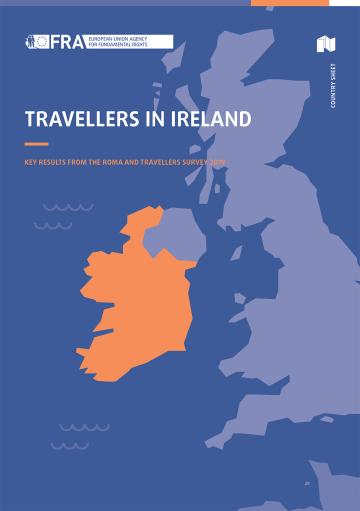
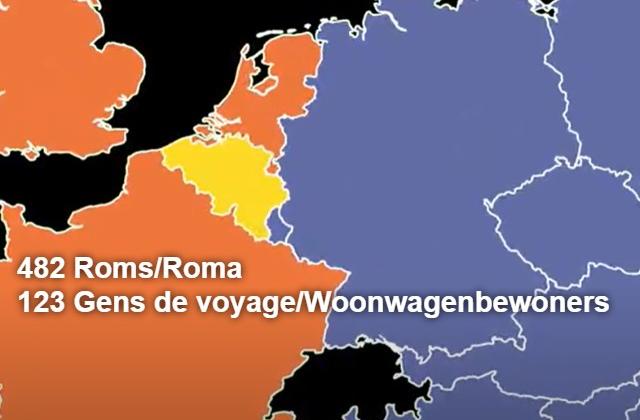
Roma and Travellers living in western EU countries are less often in the limelight than those living in central, eastern and southern EU countries. While they represent a smaller proportion of the population in the west, they also face problems with social exclusion, marginalisation and discrimination. These country sheets present findings from the survey conducted by FRA in 2019 covering Roma and Travellers populations in Belgium, France, Ireland, the Netherlands, Sweden and the United Kingdom. The survey included interviews with almost 4,700 Roma and Travellers, collecting information on more than 8,200 individuals living in their households.
The EU Agency for Fundamental Rights has been regularly collecting data on asylum and migration since September 2015. This report focuses on the fundamental rights situation of people arriving in Member States and EU candidate countries particularly affected by migration. It addresses fundamental rights concerns between 1 July and 30 September 2020.