• Periodic updates / Series
    21
    July
    2026
    This is the second bulletin in FRA’s new quarterly series monitoring the situation of migrants, asylum seekers and refugees. It covers key developments and ongoing concerns from 1 April to 30 June 2026.

    Following regular reporting on fundamental rights issues related to migration and asylum from 2015 to 2023, FRA resumed the series in 2026 under the EU's 2024 Asylum and Migration Management Regulation, ahead of the June 2026 implementation of the EU Migration and Asylum Pact. The first bulletin, published in April 2026, covered developments from 1 January 2025 to 31 March 2026.
  • In brief / Factsheet
    30
    June
    2026
    This factsheet examines case law on cross-border child abduction, meaning the unlawful removal of a child from one EU Member State to another. Jointly published by the European Court of Human Rights and the EU Agency for Fundamental Rights, it explains how courts handle issues where EU law and human rights law overlap. It highlights key court decisions from the Court of Justice of the European Union (CJEU) and the European Court of Human Rights (ECtHR) to show how these two legal systems work together on issues of child abduction and prioritising the best interests of the child.
  • Handbook / Guide / Manual
    29
    June
    2026
    This guidance explains the role of a guardian assigned to a child during the screening and asylum procedure. It provides an overview of the different phases of the process and outlines a child’s legal rights throughout. The guidance includes topics such as lodging an application for international protection, preparing for the application interview and appealing against a negative decision. The European Union Agency for Asylum (EUAA) and the European Union Agency for Fundamental Rights (FRA) have developed a series of practical tools for guardians of unaccompanied children with international protection needs.
  • Report / Paper / Summary
    23
    June
    2026
    Gewalt gegen Menschen mit Behinderung in Einrichtungen ist nach wie vor weit verbreitet, wird aber in ganz Europa kaum gemeldet. Gewalttaten umfassen ein breites Spektrum ausbeuterischer, missbräuchlicher und erniedrigender Handlungen, die gegen die Verpflichtungen der Europäischen Union (EU) und der EU-Mitgliedstaaten gemäß internationalen und europäischen Menschenrechtsnormen verstoßen. Der Schutz vor Gewalt basiert auf dem Übereinkommen der Vereinten Nationen über die Rechte von Menschen mit Behinderungen (im Folgenden „Behindertenrechtskonvention“), dem wichtigsten Menschenrechtsvertrag für die gleichberechtigte Wahrnehmung aller Menschenrechte und Grundfreiheiten durch Menschen mit Behinderung.
  • Report / Paper / Summary
    23
    June
    2026
    The publication is an excerpt from the full report: Places of care = places of safety? Violence against persons with disabilities in institutions. The report looks at the breadth and depth of violence and neglect faced by people with disabilities living in institutions. It includes key findings and calls for better protection, greater prevention of violence, and clear accountability. It urges the EU and its Member States to implement their obligations on equality and fundamental rights. It is available in English, German, Croatian, Italian, Latvian, Polish, Portuguese, Slovakian and Slovenian.

  • Report / Paper / Summary
    23
    June
    2026
    Nasilje nad osobama s invaliditetom u ustanovama i dalje je rašireno, ali se o njemu u pravilu nedovoljno izvještava u cijeloj Europi. Nasilje uključuje širok spektar izrabljivanja te zlonamjernih i ponižavajućih postupaka koji su u suprotnosti s obvezama Europske unije (EU) i njenih država članica preuzetih na temelju međunarodnog prava prava i propisa EU-a u području ljudskih prava. Zaštita od nasilja temelji se na Konvenciji UN-a o pravima osoba s invaliditetom (UN KPOSI), primarnom međunarodnom ugovoru o ljudskim pravima za ravnopravno uživanje svih ljudskih prava i temeljnih sloboda svih osoba s invaliditetom.
  • Report / Paper / Summary
    23
    June
    2026
    Pur rimanendo un fenomeno diffuso, la violenza contro le persone con disabilità negli istituti è largamente sottostimata in Europa. Gli atti di violenza comprendono un ampio spettro di atti degradanti, di sfruttamento e abuso che violano gli obblighi dell’Unione europea (UE) e degli Stati membri dell’UE ai sensi del diritto internazionale ed europeo in materia di diritti umani. La protezione contro la violenza si fonda sulla Convenzione delle Nazioni Unite sui diritti delle persone con disabilità (CRPD), il principale trattato in materia di diritti umani che garantisce il pari godimento di tutti i diritti umani e di tutte le libertà fondamentali da parte delle persone con disabilità.
  • Report / Paper / Summary
    23
    June
    2026
    Vardarbība pret personām ar invaliditāti aprūpes iestādēs joprojām ir plaši izplatīta, taču Eiropā par to tiek ziņots nepietiekami. Vardarbīga rīcība ietver plašu ekspluatējošas, ļaunprātīgas un pazemojošas rīcības spektru, kas ir pretrunā Eiropas Savienības (ES) un ES dalībvalstu pienākumiem saskaņā ar starptautiskajām un Eiropas cilvēktiesībām. Aizsardzība pret vardarbību ir balstīta uz ANO Konvenciju par personu ar invaliditāti tiesībām (CRPD), kas ir primārais cilvēktiesību līgums, lai personas ar invaliditāti varētu vienlīdzīgi izmantot visas cilvēktiesības un pamatbrīvības.
  • Report / Paper / Summary
    23
    June
    2026
    Przemoc wobec osób z niepełnosprawnościami w placówkach opiekuńczych jest nadal szeroko rozpowszechniona w całej Europie i w większości przypadków jest niedostatecznie zgłaszana. Akty przemocy obejmują szeroki zakres działań polegających na wykorzystywaniu, znęcaniu się i poniżaniu, które są sprzeczne ze zobowiązaniami Unii Europejskiej (UE) i państw członkowskich UE wynikającymi z międzynarodowego i europejskiego prawa dotyczącego praw człowieka. Ochrona przed przemocą opiera się na Konwencji ONZ o prawach osób niepełnosprawnych, która jest podstawowym traktatem dotyczącym praw człowieka, zapewniającym osobom z niepełnosprawnościami równe korzystanie ze wszystkich praw człowieka i podstawowych wolności.
  • Report / Paper / Summary
    23
    June
    2026
    A violência contra as pessoas com deficiência nas instituições continua a ser generalizada, mas muito pouco denunciada em toda a Europa. Os atos de violência incluem um vasto leque de atos exploratórios, abusivos e degradantes que violam as obrigações da União Europeia (UE) e dos Estados-Membros da UE ao abrigo do direito internacional e europeu em matéria de direitos humanos. A proteção contra a violência baseia-se na Convenção das Nações Unidas sobre os Direitos das Pessoas com Deficiência (CNUDPD), o principal tratado de direitos humanos para o gozo igualitário de todos os direitos humanos e liberdades fundamentais pelas pessoas com deficiência.
  • Report / Paper / Summary
    23
    June
    2026
    Násilie voči osobám so zdravotným postihnutím v zariadeniach inštitucionálnej starostlivosti stále existuje, ale na území celej Európy je z veľkej časti nedostatočne nahlasované. Akty násilia zahŕňajú široké spektrum vykorisťujúcich, násilných a ponižujúcich činov, ktoré sú v rozpore s povinnosťami Európskej únie (EÚ) a členských štátov EÚ podľa medzinárodného a európskeho práva v oblasti ľudských práv. Ochrana pred násilím je zakotvená v Dohovore Organizácie Spojených národov (OSN) o právach osôb so zdravotným postihnutím (UNCRPD), primárnej zmluve o ľudských právach, na základe ktorej osoby so zdravotným postihnutím môžu na rovnocennom základe uplatňovať všetky ľudské práva a základné slobody.
  • Report / Paper / Summary
    23
    June
    2026
    Nasilje nad invalidi v socialnovarstvenih zavodih je po vsej Evropi še vedno zelo razširjeno, vendar se o njem večinoma premalo poroča. Nasilna dejanja vključujejo najrazličnejša izkoriščevalska, zlonamerna in ponižujoča dejanja, ki so v nasprotju z obveznostmi Evropske unije (EU) in držav članic EU na podlagi mednarodnega in evropskega prava o človekovih pravicah. Zaščita pred nasiljem temelji na Konvenciji Združenih narodov o pravicah invalidov, ki je glavni sporazum o človekovih pravicah za enakopravno uživanje vseh človekovih pravic in temeljnih svoboščin invalidov.
  • Fundamental Rights Report
    11
    June
    2026
    The Fundamental Rights Report: Challenges and Achievements in 2025 is FRA’s flagship annual publication. It provides an overview of the state of fundamental rights in the EU and highlights selected critical developments from 2025. This year, it focuses on four areas: rights protection in a rapidly changing digital environment; the housing crisis and rising homelessness rates; employment challenges for people from non-EU countries; and the implementation of the EU Charter of Fundamental Rights. The publication is a valuable resource for those seeking to stay informed about the EU’s shifting landscape of fundamental rights.
  • Report / Paper / Summary
    29
    May
    2026
    Online fraud represents a major criminal threat, affecting a growing number of people across the EU. This report presents findings from an EU-wide Eurobarometer survey of 26 453 respondents, focusing on responses to survey questions developed by FRA. It explores the prevalence of online fraud, who is most at risk, and which schemes people are most likely to fall victim to. It also looks at the reporting rate to the police and contact with other services, and at the impact on victims.
  • Periodic updates / Series
    21
    April
    2026
    From 2015 to 2023, FRA regularly published bulletins on fundamental rights issues related to migration and asylum. As part of the EU's 2024 Asylum and Migration Management Regulation, FRA is now restarting this reporting ahead of the June 2026 implementation of the EU Migration and Asylum Pact. This first bulletin in the new series takes stock of the situation of migrants, asylum seekers and refugees as of March 2026. It looks at key developments between January 2025 and the end of March 2026, as well as ongoing problems and new areas of concern.
  • Report / Paper / Summary
    14
    April
    2026
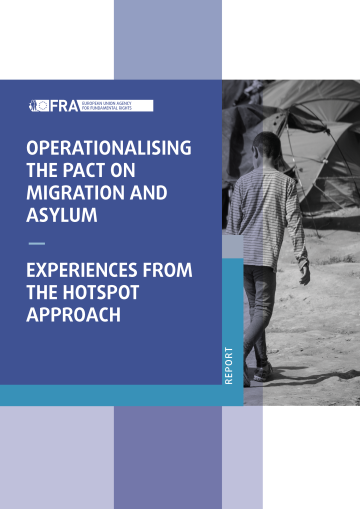
    In response to increased arrivals of asylum seekers, in 2015 the European Commission introduced the hotspot approach. Under this approach, the European Commission and EU agencies supported Greece and Italy in identifying, registering and fingerprinting newly arrived people. FRA regularly visited the initial reception facilities hosting them. This report looks back at the lessons learnt from 10 years of FRA visits. It identifies recurring risks to rights and highlights practical measures and promising practices to prevent or address them. These ‘lessons learnt’ can inform the implementation of the 2024 Pact on Migration and Asylum in line with the EU Charter of Fundamental Rights.
  • Report / Paper / Summary
    3
    March
    2026
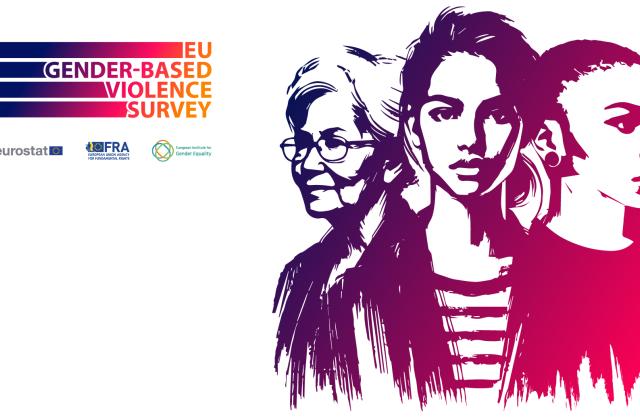
    Violence against women remains widespread in the European Union (EU). This joint report by the EU Agency for Fundamental Rights (FRA) and the European Institute for Gender Equality (EIGE) presents detailed findings from the EU gender-based violence survey. It offers in-depth analysis of the scale, nature and drivers of violence and exposes the structural gender inequality. Building on the 2024 publication, EU gender-based violence survey - Key results, and following up on FRA’s 2014 report, Violence against women: an EU-wide survey, this report tracks trends over the last decade across the EU. Eurostat, FRA, and EIGE jointly conducted the survey. It is based on over 100,000 interviews covering all 27 EU Member States.
  • Report / Paper / Summary
    24
    February
    2026
    The start of Russia’s war of aggression against Ukraine on 24 February 2022 shocked the global community and gave rise to a
    series of urgent fundamental rights challenges across Europe. While much attention has focused on the scale of devastation and its wider impact on all Ukrainians, the war has also inflicted profound personal harm. This report sheds light on the violence, sexual harassment and exploitation experienced by women displaced from Ukraine. Drawing on a survey and in-depth interviews with women from Ukraine, the report documents the prevalence, forms and patterns of gender-based violence and sets out practical measures to improve safety, access to justice and support.
  • Report / Paper / Summary
    22
    January
    2026
    Online terrorist content is a threat to fundamental rights, rule of law and democracy. EU measures to tackle such content aim to prevent terrorism while upholding these values. FRA’s report looks at how online terrorist content is detected and removed under EU legislation. It highlights challenges in interpreting rules, risks of over-removal and potential impacts on freedom of expression. It finds that moderation practices by authorities and platforms can disproportionately affect certain groups, such as Muslims and Arabic speakers, while far-right content often receives less scrutiny. The findings, based on research and expert interviews with those addressing online terrorist content, offer ways to improve transparency in content moderation and to better balance public security and fundamental rights, contributing to wider debates on regulating online content responsibly.