Newsroom

Two days of stimulating discussions, over 145 different sessions, 6 locations – that was the Fundamental Rights Forum 2021 in a nutshell. With over 3,000 people joining the Forum in Vienna and online, it was the biggest human rights event in Europe this year.
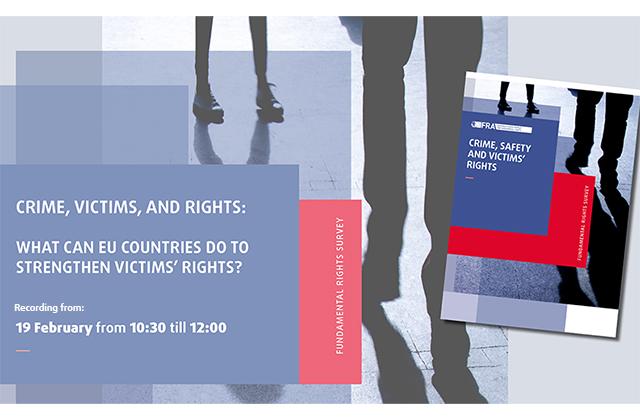
Crime can touch any of us – as witnesses or as victims. But no matter who you are, we all have rights when it comes to justice. It is for this reason that the European Union Agency for Fundamental Rights asked 35,000 people across Europe about their experiences of crime in its Fundamental Rights Survey, and the results are in.
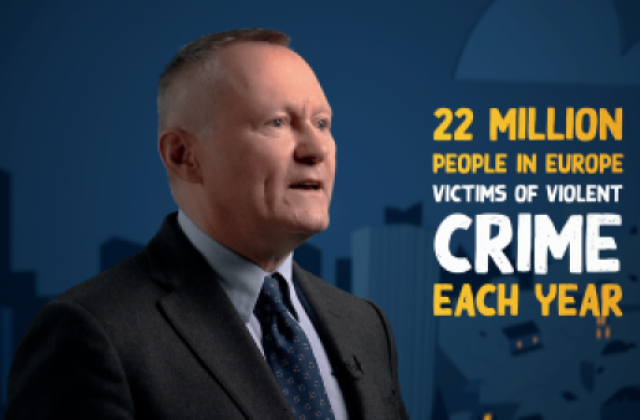
We don’t all experience crime in the same way, and we might deal with it differently. But it’s vital – as victims or witnesses – that our rights are guaranteed, because access to justice is our fundamental right. Watch FRA Director Michael O’Flaherty speaking on the Fundamental Rights Survey report on crime, safety and victims’ rights.
Video
In his latest vlog FRA Director Michael O'Flaherty calls for making Covid-19 vaccine equality a top priority for 2021.
In einem Jahr wurden in Europa 22 Millionen Menschen körperlich angegriffen und mehr als jede oder jeder vierte belästigt. Doch die Opfer dieser Straftaten erstatten häufig keine Anzeige. Sie haben oft Schwierigkeiten, ihre Rechte einzufordern, und fühlen sich alleingelassen. Dies geht aus einer EU-weiten Erhebung über die Erfahrungen der Bevölkerung mit Straftaten hervor, die von der Agentur der Europäischen Union für Grundrechte (FRA) durchgeführt wurde und die erste dieser Art ist. Die Ergebnisse zeigen, wie gezielte Maßnahmen den Regierungen helfen können, Opfer zu unterstützen und die Anzeige von Straftaten zu erleichtern, damit die Opfer Gerechtigkeit erfahren können.
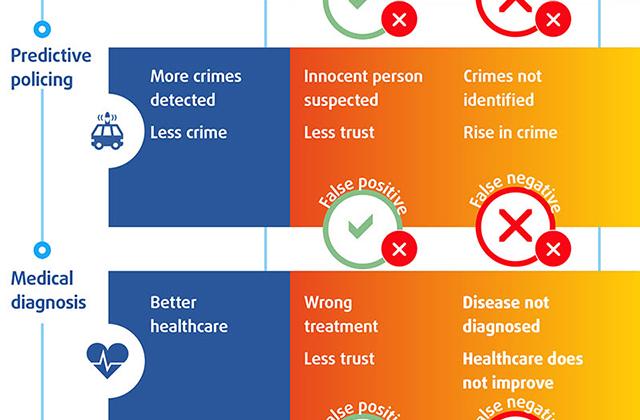
Artificial intelligence (AI) already plays a role in many decisions that affect our daily lives. From deciding what unemployment benefits someone gets to where a burglary is likely to take place. But we need to make sure to fully uphold fundamental rights standards when using AI. Drawing on the ‘Getting the future right – Artificial intelligence and fundamental rights’ report, FRA explores the potential benefits and possible errors that can occur focusing on four core areas – social benefits, predictive policing, health services and targeted advertising.
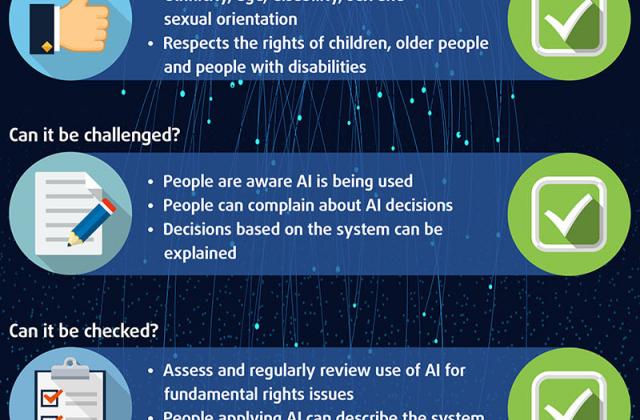
Artificial intelligence (AI) already plays a role in many decisions that affect our daily lives. From deciding what unemployment benefits someone gets to where a burglary is likely to take place. But we need to make sure to fully uphold fundamental rights standards when using AI. Drawing on the ‘Getting the future right – Artificial intelligence and fundamental rights’ report, FRA presents a number of key considerations to help businesses and administrations respect fundamental rights when using AI.
This is a recording from the afternoon session of the high-level virtual event "Doing Artificial Intelligence the European way" which took place on 14 December 2020.
This is a recording from the morning session of the high-level virtual event "Doing Artificial Intelligence the European way" which took place on 14 December 2020.
Key statements from the FRA/Euractiv online event Reinforcing the EU Charter: rights of people in the EU in the next decade, 7 December 2020.
Will AI revolutionise the delivery of our public services? And what's the right balance? How is the private sector using AI to automate decisions — and what implications
might that have? Are some form of binding rules necessary to monitor and regulate the use of AI technology - and what should these rules look like?
Artificial intelligence is here. It’s not going away. It can be a force for good, but it needs to be watched so carefully in terms of respect for our human fundamental rights. The EU Fundamental Rights Agency is deeply committed to this work.Our ambition is not just to ensure that AI respects our rights, but also that it protects and promotes them.
How do we embrace progress while protecting our fundamental rights? As data-driven decision making increasingly touches our daily lives, what does this mean
for our fundamental rights? A step into the dark? Or the next giant leap? The time to answer these questions is here and now. Let’s seize the opportunities, but understand the challenges. Let’s make AI work for everyone in Europe…And get the future right.
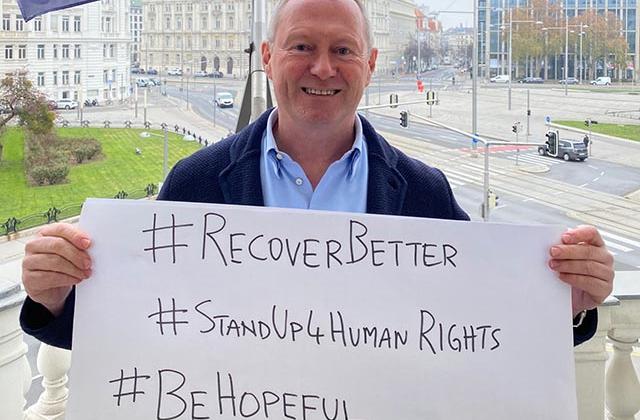
This year, the COVID-19 pandemic leaves a lasting mark on society worldwide. It affected everyone but some people more than others. As we look ahead, on Human Rights Day, on 10 December, we need to make the new normal a better normal. In his video message, FRA Director Michael O’Flaherty underlines the need to stand up for human rights to make 2021 a better year. This means ensuring we respect and take into account everybody's human rights.
This video statement by FRA Director Michael O’Flaherty was recorded for the online event "Union of Equality: achievements and challenges ahead".
Video
FRA asked 518 Travellers in Ireland about their life and experiences of discrimination.
Ob es darum geht, die Verbreitung von COVID-19 nachzuvollziehen oder zu entscheiden, wer Sozialleistungen erhält – künstliche Intelligenz (KI) greift in das Leben von Millionen von Europäerinnen und Europäern ein. Automatisierung kann zu einer besseren Entscheidungsfindung beitragen. KI kann aber auch zu Fehlern und Diskriminierung führen, gegen die man schwer vorgehen kann. Ein neuer Bericht der Agentur der Europäischen Union für Grundrechte (FRA) zeigt: Selbst bei Organisationen, die KI bereits nutzen, besteht Verunsicherung, welchen Einfluss KI auf die Rechte der Menschen hat. Die FRA fordert von politischen Entscheidungsträgern auf, mehr Leitlinien dazu bereitzustellen, wie die bestehenden Vorschriften auf KI anzuwenden sind, und dafür zu sorgen, dass künftige Rechtsvorschriften im Bereich der KI die Grundrechte schützen.
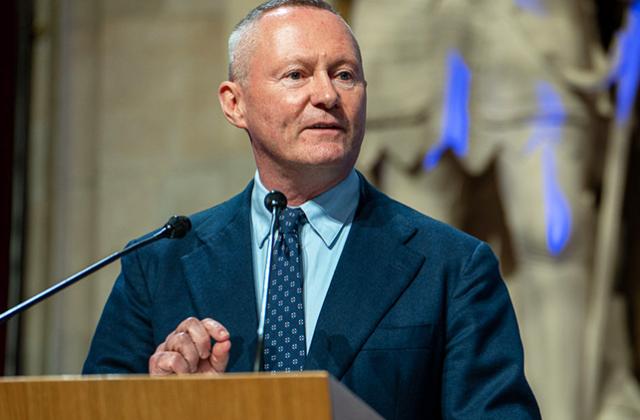
This video statement by FRA Director Michael O’Flaherty was recorded for the 2020 General conference of the International Coalition of Inclusive and Sustainable Cities (ICCAR): “CommunicAction – A common front to protect human rights at the local level”.
Video
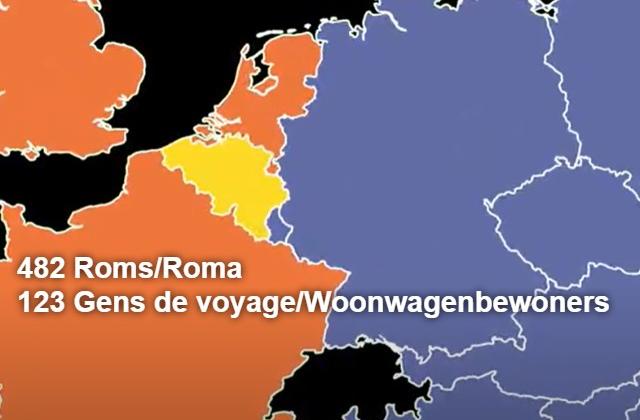
FRA asked 482 Roma and 123 Travellers about their daily life and experiences of discrimination in Belgium in a survey carried out in 2018 and 2019.