Eiropas Cilvēktiesību konvencijā un Eiropas Savienības tiesību aktos ir paredzēts aizvien lielāku nozīmi iegūstošs tiesiskais regulējums ārvalstnieku tiesībām. Eiropas Savienības likumdošana saistībā ar patvērumu, robežām un imigrāciju strauji attīstās. iropas Cilvēktiesību tiesai ir iespaidīga apjoma judikatūra, jo īpaši saistībā ar ECTK 3., 5., 8. un 13. pantu. Eiropas Savienības Tiesai tiek aizvien biežāk lūgts interpretēt Eiropas Savienības tiesību aktus šajā jomā. Šīs rokasgrāmatas 3. izdevums, kas ir aktualizēts līdz 2020. gada jūlijam, iepazīstina ar Eiropas Savienības likumdošanu un divu Eiropas tiesu judikatūras kopumu saprotamā veidā.
Het Europees Verdrag tot bescherming van de rechten van de mens en het EU-recht vormen een steeds belangrijker kader voor de bescherming van de rechten van buitenlanders. Wetgeving van de Europese Unie met betrekking tot asiel, grenzen en immigratie ontwikkelt zich snel. Er is een aanzienlijke hoeveelheid jurisprudentie van het Europees Hof voor de rechten van de mens, met name met betrekking tot de artikelen 3, 5, 8 en 13 van het EVRM. Het Hof van Justitie van de Europese Unie wordt steeds vaker gevraagd zich uit te spreken over de uitlegging van wettelijke bepalingen van de Europese Unie op dit gebied. In de derde editie van dit handboek, geactualiseerd op grond van de ontwikkelingen tot juli 2020, wordt deze wetgeving van de Europese Unie en de jurisprudentie van de twee Europese hoven op toegankelijke wijze gepresenteerd. Het is bestemd voor juristen, rechters, openbaar aanklagers, immigratiebeambten en niet-gouvernementele organisaties in lidstaten van de EU en van de Raad van Europa.
Europejska konwencja praw człowieka i prawo UE stanowią coraz ważniejsze ramy ochrony praw cudzoziemców. Prawodawstwo Unii Europejskiej w dziedzinie azylu, granic i imigracji szybko się rozwija. Europejski Trybunał Praw Człowieka posiada imponujący dorobek orzeczniczy odnoszący się w szczególności do art. 3, 5, 8 i 13 EKPC. Trybunał Sprawiedliwości Unii Europejskiej coraz częściej otrzymuje wnioski o wypowiedzenie się w sprawie wykładni przepisów prawa Unii Europejskiej w tej dziedzinie. Trzecie wydanie niniejszego podręcznika, uaktualnione do lipca 2020 r., w przystępny sposób przedstawia prawodawstwo Unii Europejskiej oraz dorobek orzeczniczy obu trybunałów europejskich. Jest on przeznaczony dla prawników praktyków, sędziów, prokuratorów, urzędników imigracyjnych i organizacji pozarządowych w państwach członkowskich UE i Rady Europy.
A Convenção Europeia dos Direitos Humanos e o direito da União Europeia proporcionam um enquadramento cada vez mais importante para a proteção dos direitos dos estrangeiros. A legislação da União Europeia em matéria de asilo, fronteiras e imigração está a evoluir rapidamente. O Tribunal Europeu dos Direitos Humanos já possui uma jurisprudência abundante relativa, designadamente, aos artigos 3.º, 5.º, 8.º e 13.º da CEDH. O Tribunal de Justiça da União Europeia é crescentemente solicitado a pronunciar-se sobre a interpretação das disposições do direito da União Europeia neste domínio. Esta terceira edição do manual, que foi atualizada até ao final de julho de 2020, apresenta de forma acessível a legislação da União Europeia e a jurisprudência dos dois tribunais europeus. Tem como destinatários os profissionais da justiça, juízes, procuradores, funcionários dos serviços de imigração e organizações não governamentais dos Estados-Membros da União Europeia e do Conselho da Europa.
Convenția Europeană a Drepturilor Omului și dreptul Uniunii Europene oferă un cadru din ce în ce mai important pentru protecția drepturilor străinilor. Legislația Uniunii Europene în materie de azil, frontiere și imigrație se dezvoltă rapid. Există o jurisprudență
impresionantă a Curții Europene a Drepturilor Omului referitoare în special la articolele 3, 5, 8 și 13 din Convenție. Curtea de Justiție a Uniunii Europene este din ce în ce mai solicitată să se pronunțe cu privire la interpretarea dispozițiilor dreptului
Uniunii Europene în acest domeniu. Cea de a treia ediție a acestui manual, actualizată până în iulie 2020, prezintă într-un mod accesibil această legislație a Uniunii Europene și corpusul de jurisprudență a celor două instanțe europene.
Európsky dohovor o ľudských právach a právo Európskej únie poskytujú čoraz dôležitejší rámec na ochranu práv cudzincov. Právne predpisy Európskej únie týkajúce sa azylu, hraníc a prisťahovalectva sa rýchlo vyvíjajú. Existuje pôsobivý súbor judikatúry Európskeho súdu pre ľudské práva, ktorá sa týka najmä článkov 3, 5, 8 a 13 EDĽP. Od Súdneho dvora Európskej únie sa čoraz viac žiada, aby sa vyjadril k výkladu ustanovení práva Európskej únie v tejto oblasti. V treťom vydaní tejto príručky aktualizovanej do júla 2020 sa tieto právne predpisy Európskej únie a súbor judikatúry oboch európskych súdov prezentujú prístupným
spôsobom. Je určená právnikom, sudcom, prokurátorom, imigračným úradníkom a mimovládnym organizáciám v členských štátoch EÚ a Rady Európy.
Z Evropsko konvencijo o človekovih pravicah in pravom Evropske unije se zagotavlja vse pomembnejši okvir za varstvo pravic tujcev. Zakonodaja Evropske unije v zvezi z azilom, mejami in priseljevanjem se hitro razvija. Obsežna sodna praksa Evropskega sodišča za človekove pravice se nanaša zlasti na člene 3, 5, 8 in 13 EKČP. Sodišče Evropske unije je vse pogosteje pozvano, naj se izreče o razlagi določb prava EU na tem področju. V tretji izdaji tega priročnika, ki je bila posodobljena do konca julija 2020, sta zakonodaja Evropske unije in sodna praksa obeh evropskih sodišč predstavljeni na dostopen način. Priročnik je namenjen delavcem v pravni stroki, sodnikom, tožilcem, uradnikom za priseljevanje in nevladnim organizacijam v državah članicah EU in Sveta Evrope.
Den europeiska konventionen om skydd för de mänskliga rättigheterna och de grundläggande friheterna och EU-rätten utgör en allt viktigare ram för skyddet av utlänningars rättigheter. EU-lagstiftningen om asyl, gränser och invandring utvecklas snabbt. Det finns en imponerande rättspraxis från Europeiska domstolen för de mänskliga rättigheterna, särskilt när det gäller artiklarna 3, 5, 8 och 13 i Europakonventionen. Europeiska unionens domstol ombeds i allt högre grad att uttala sig om tolkningen av unionsrättsliga bestämmelser på detta område. I den tredje utgåvan av denna handbok, som uppdaterats fram till juli 2020,
presenteras denna EU-lagstiftning och rättspraxis från de två europeiska domstolarna på ett lättillgängligt sätt. Den är avsedd för rättstillämpare, domare, åklagare, immigrationstjänstemän och icke-statliga organisationer i EU och Europarådets medlemsstater.
The EU is founded on the values of democracy, rule of law and respect for human rights. Yet these values, and discussions on fundamental rights at the EU and Member State level, can seem remote in people’s daily lives. With this in mind, FRA explored what people understand, know and experience with respect to their fundamental rights in practice. The resulting data provide comprehensive and comparable evidence on these aspects.
Artificial intelligence (AI) already plays a role in deciding what unemployment benefits someone gets, where a burglary is likely to take place, whether someone is at risk of cancer, or who sees that catchy advertisement for low mortgage rates. Its use keeps growing, presenting seemingly endless possibilities. But we need to make sure to fully uphold fundamental rights standards when using AI. This report presents concrete examples of how companies and public administrations in the EU are using, or trying to use, AI. It focuses on four core areas – social benefits, predictive policing, health services and targeted advertising.
V tem poročilu so predstavljeni konkretni primeri, kako podjetja in javne uprave v Evropski uniji (EU) uporabljajo ali poskušajo uporabljati umetno inteligenco. Obravnavane so možne posledice za temeljne pravice, prav tako je prikazano, ali uporabniki umetne inteligence upoštevajo pravice in na kakšen način.
This report looks at fundamental rights compliance at the European Union (EU)’s external land borders, including rivers and lakes. On 30 January 2020, the European Parliament requested the EU Agency for Fundamental Rights (FRA) to prepare a report on these borders. It noted that the report should focus on the correct application of the safeguards in the European asylum acquis and the provisions of the Schengen Borders Code (Regulation (EU) 2016/399).
This report outlines some of the measures EU Member States have put in place to protect public health as Europe faces the ‘second wave’ of the Coronavirus pandemic. It highlights how these may affect fundamental rights, especially social rights.
The EU Agency for Fundamental Rights has been regularly collecting data on asylum and migration since September 2015. This report focuses on the fundamental rights situation of people arriving in Member States and EU candidate countries particularly affected by migration. It addresses fundamental rights concerns between 1 July and 30 September 2020.
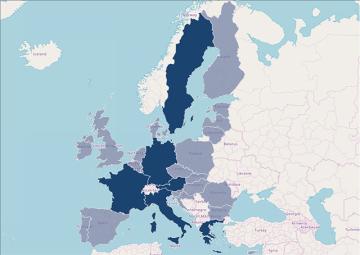
The EU Fundamental Rights Agency published in 2019 its report on the ‘Integration of young refugees in the EU’. The report explored the challenges of young people who fled armed conflict or persecution and arrived in the EU in 2015 and 2016. The report is based on 426 interviews with experts working in the area of asylum and integration, as well as 163 interviews with young people, aged 16 to 24, conducted between October 2017 and June 2018 in 15 regions and cities located in six Member States: Austria, France, Germany, Greece, Italy and Sweden. The links on this page provide a summary of the information collected during this period for each country about unaccompanied children turning 18 and the change in people’s legal status once international protection is granted. These two issues had at the time been identified as moments requiring sufficient, consistent and systematic support, particularly from lawyers, social workers and guardians, to ensure successful integration.
This video statement by FRA Director Michael O’Flaherty was recorded on 15 October 2020 at the Moria migration facility that was destroyed by fire in September 2020.
This video statement by FRA Director Michael O’Flaherty was recorded on 14 October 2020 at the temporary facility at Mavrovouni. This temporary camp was built to re-house people after the fire at the Moria migration facility on the island of Lesbos, in Greece.
Often living in substandard and overcrowded housing conditions, Roma and Travellers face an increased risk of contracting COVID-19. They are also disproportionately affected by measures taken to contain the virus. This FRA Bulletin takes a closer look at this reality in 15 EU Member States, focusing on education; employment; poverty; healthcare; housing; and anti-Gypsyism. It also outlines civil society efforts to tackle the diverse challenges triggered by the Coronavirus pandemic.
This report presents findings from FRA’s 2019 survey on Roma and Travellers in Belgium, France, Ireland, the Netherlands, Sweden and the United Kingdom. The survey included interviews with almost 4,700 Roma and Travellers, collecting information on more than 8,200 individuals living in their households.
National Human Rights Institutions (NHRIs) are a vital part of the country-level human rights protection system. This report, published 10 years after FRA’s first in-depth study on NHRIs, looks at such bodies in the EU, as well as the Republic of North Macedonia, the Republic of Serbia, and the United Kingdom of Great Britain and Northern Ireland. It explores relevant developments, challenges to their effectiveness and ways to maximise their impact.