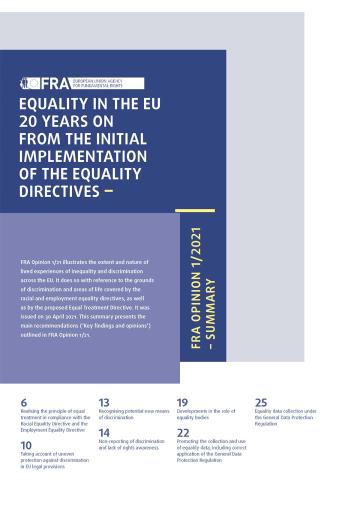
В Становище 1/21 на Агенцията на Европейския съюз за основните права (FRA) са илюстрирани степента и естеството на преживените случаи на неравенство и дискриминация в ЕС. Становището посочва основанията на дискриминация и областите на живот, обхванати в директивите за равенство между расите и за равно третиране во бластта на заетостта, както и в предложената Директива за равно третиране. То е издадено на 30 април 2021 г. В настоящото резюме са представени основните препоръки („Основни констатации и становища“), описани в Становище 1/21 на FRA.
Stanovisko agentury FRA č. 1/21 dokládá rozsah a povahu každodenních zkušeností s nerovností a diskriminací v celé EU. Činí tak s ohledem na důvody diskriminace a na oblasti života, na něž se vztahují směrnice o rasové rovnosti a směrnice o rovnosti v zaměstnání, jakož i navrhovaná směrnice o rovném zacházení. Stanovisko bylo vydáno dne 30. dubna 2021. Toto shrnutí předkládá hlavní doporučení („klíčová zjištění a stanoviska“) uvedená ve stanovisku agentury FRA č. 1/21.
FRA’s udtalelse 1/21 viser omfanget og arten af de faktiske erfaringer med ulighed og forskelsbehandling i hele EU. Det gør den med henvisning til de grunde til forskelsbehandling og de livsområder, der er omfattet af direktivet om racelighed og direktivet om ligebehandling på beskæftigelsesområdet, samt det foreslåede ligebehandlingsdirektiv. Den blev udfærdiget den 30. april 2021. Dette sammendrag indeholder de vigtigste anbefalinger (»Vigtigste resultater og udtalelser«), der er beskrevet i FRA’s udtalelse 1/21.
Η γνωμοδότηση 1/21 του FRA αποτυπώνει την έκταση και τις μορφές ανισότητας και διακρίσεων που βιώνουν οι πολίτες σε όλες τις χώρες της ΕΕ. Πιο συγκεκριμένα, εστιάζεται στους λόγους διάκρισης και στους τομείς της καθημερινής ζωής που καλύπτονται τόσο από τις οδηγίες για τη φυλετική ισότητα και για την ισότητα στην απασχόληση, όσο και από την πρόταση οδηγίας για την ίση μεταχείριση. Η γνωμοδότηση εκδόθηκε στις 30 Απριλίου 2021. Η παρούσα σύνοψη παρουσιάζει τις σημαντικότερες συστάσεις («Κύρια ευρήματα και γνώμες») που περιλαμβάνονται στη γνωμοδότηση 1/21 του FRA.
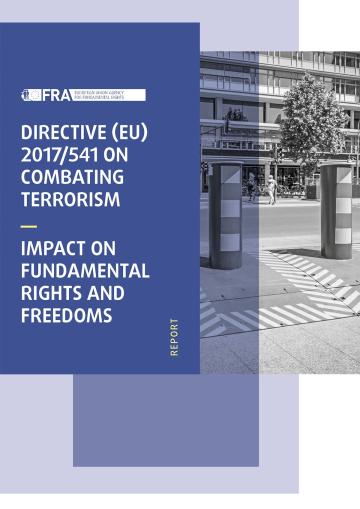
This report examines the EU’s main criminal law instrument in the field of counter-terrorism, Directive (EU) 2017/541. Specifically, it considers how the directive engages issues of fundamental rights, affecting individuals, groups and society as a whole.
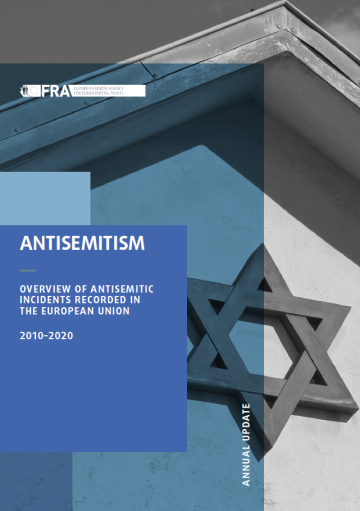
Antisemitic incidents and hate crimes violate fundamental rights, especially the right to human dignity, the right to equality of treatment, and the freedom of thought, conscience and religion. This report provides an overview of available data on antisemitism as recorded by official and unofficial sources in the EU Member States as well as Albania, North Macedonia and Serbia. The data provided by the countries are supplemented with information from international organisations.
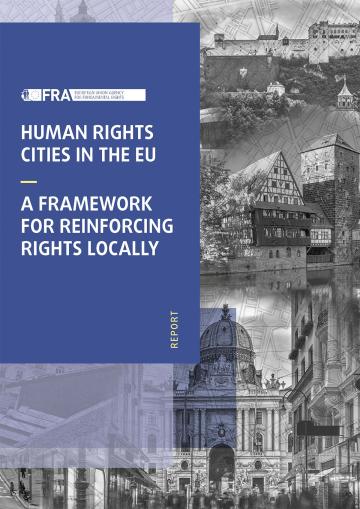
This report proposes a framework for becoming, and functioning as, a ‘human rights city’ in the EU. It includes ‘foundations’, ‘structures’ and ‘tools’ for mayors, local administrations and grassroots organisations to reinforce fundamental rights locally. It is based on existing good practice and expert input by representatives of human rights cities in the EU, academic experts, international organisations and city networks.
The EU Agency for Fundamental Rights has been regularly collecting data on asylum and migration since September 2015. This report focuses on the fundamental rights situation of people arriving in Member States and EU candidate countries particularly affected by migration. It addresses fundamental rights concerns between 1 January and 30 June 2021.
Civil society organisations play a vital role in promoting fundamental rights, but they face diverse challenges across the European Union. This report presents FRA’s findings on a range of such challenges. The findings are based on research, and on two online consultations with civil society organisations, carried out in 2020.
Τα εγκλήματα μίσους που υποκινούνται από τον ρατσισμό, την ξενοφοβία, τη θρησκευτική μισαλλοδοξία ή την αναπηρία ενός ατόμου, τον γενετήσιο προσανατολισμό, την ταυτότητα φύλου, την έκφραση φύλου και τα χαρακτηριστικά του φύλου αποτελούν σοβαρές εκφράσεις διακρίσεων. Εκτός από την παραβίαση των δικαιωμάτων των μεμονωμένων θυμάτων, ένα τέτοιο έγκλημα αποδυναμώνει την κοινωνική συνοχή και βλάπτει το κοινωνικό σύνολο.
This report examines why victims do not report bias-motivated incidents and the barriers that they face when reporting incidents through national crime reporting systems. By mapping existing practices that have a bearing on the victim’s experiences when reporting bias-motivated violence and harassment, it aims to provide evidence to support national efforts to encourage and facilitate reporting – and ultimately assist Member States in delivering on their duties with regard to combating hate crime.
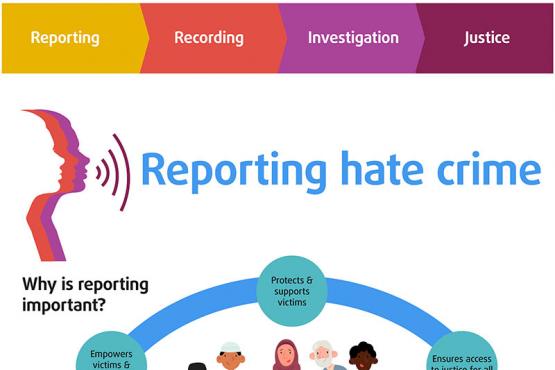
Drawing on the ‘Encouraging hate crime reporting: the role of law enforcement and other authorities' report, in this infographic FRA outlines why reporting is so important and what must change to encourage hate crime reporting.
The Consolidated annual activity report 2020 provides an overview of the activities and achievements of the European Union Agency for Fundamental Rights (FRA) in that year. It follows the guidelines established by the European Commission.
The Employers Sanctions Directive was primarily enacted to dissuade employers from recruiting migrants in an irregular situation, but it also contains provisions to protect workers. It facilitates access to justice for exploited workers and sets out workers’ rights to claim back payment of outstanding wages. The directive also contains provisions to enhance the effectiveness of labour inspections. This report describes how the 25 Member States bound by the directive have been implementing its protective provisions, focusing on the impact these provisions have on migrant workers in an irregular situation who are victims of exploitation and other labour
law violations.
През 2020 г. отбелязахме както напредък,
така и неуспехи по отношение на защитата на
основните права. В Доклада относно основните
права (2021 г.) на FRA е извършен преглед на
важните развития в областта, като са посочени
както постиженията, така и областите, които
все още пораждат.
Rok 2020 přinesl v oblasti ochrany základních práv
pokrok i nezdary. Zpráva o základních právech
2021 agentury FRA přináší přehled hlavního vývoje
v této oblasti a upozorňuje jak na úspěchy, tak na
oblasti, které i nadále vzbuzují obavy.
I 2020 skete der både fremskridt og tilbageskridt
i beskyttelsen af de grundlæggende rettigheder.
FRA’s rapport om grundlæggende rettigheder 2021
gennemgår de vigtigste udviklinger på området,
og fastslår både, hvad der er opnået, og hvilke
områder der fortsat volder bekymring.
Το 2020 σημειώθηκε πρόοδος αλλά και
οπισθοδρόμηση στην προστασία των θεμελιωδών
δικαιωμάτων. Στην Έκθεση για τα Θεμελιώδη
Δικαιώματα 2021 του FRA εξετάζονται οι
σημαντικότερες εξελίξεις στον τομέα και
προσδιορίζονται τόσο τα επιτεύγματα, όσο και
τα ζητήματα που εξακολουθούν να προκαλούν
ανησυχία.
The year 2020 brought both progress and setbacks in terms of fundamental rights protection. FRA’s Fundamental Rights Report 2021 reviews major developments in the field, identifying both achievements and remaining areas of concern. This publication presents FRA’s opinions on the main developments in the thematic areas covered, and a synopsis of the evidence supporting these opinions.
En el año 2020 se produjeron tanto avances como
retrocesos en materia de protección de los derechos
fundamentales. El Informe sobre los derechos
fundamentales 2021 de la Agencia de los Derechos
Fundamentales de la Unión Europea (FRA) analiza
los principales acontecimientos en este ámbito,
destacando tanto los progresos realizados como las
dificultades que todavía persisten.