V tejto príručke sa vysvetľuje, čo je profilovanie, akými právnymi rámcami sa riadi, a prečo vykonávanie profilovania v súlade so zákonom je nutné na dodržiavanie základných práv, ako aj na účely efektívnej policajnej práce a riadenia hraníc. V príručke sa uvádzajú tiež praktické usmernenia týkajúce sa toho, ako zabrániť nezákonnému profilovaniu v policajných operáciách a operáciách riadenia hraníc.
V tem priročniku je pojasnjeno, kaj je profiliranje, kateri pravni okviri ga urejajo ter zakaj je zakonitost profiliranja potrebna zaradi spoštovanja temeljnih pravic ter ključna za učinkovito policijsko delo in upravljanje meja. Priročnik vsebuje tudi praktične smernice o tem, kako se izogniti nezakonitemu profiliranju pri policijskih operacijah in operacijah upravljanja meja.
I denna vägledning förklaras vad profilering innebär, vilken rättslig ram som utgör dess grund och varför en laglig profilering både är nödvändig för att uppfylla de grundläggande rättigheterna och helt avgörande för att effektivisera polisarbetet och gränsförvaltningen. Vägledningen innehåller även praktiska riktlinjer om hur olaglig profilering kan undvikas vid insatser inom polisverksamheten och gränsförvaltningen.
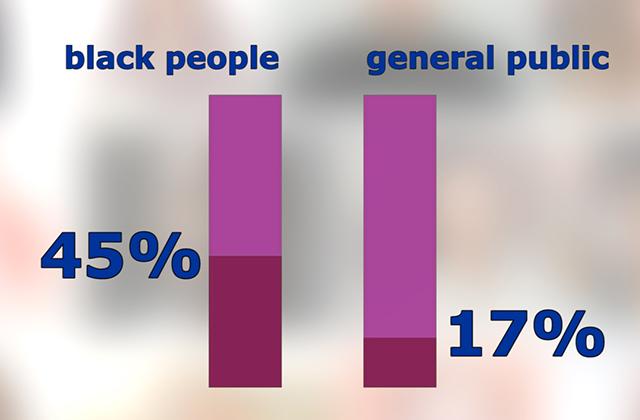
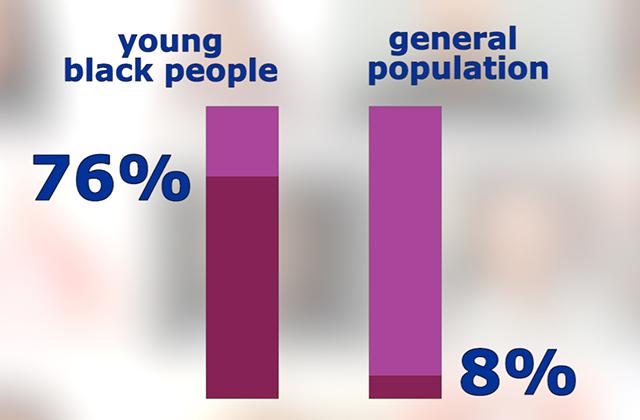
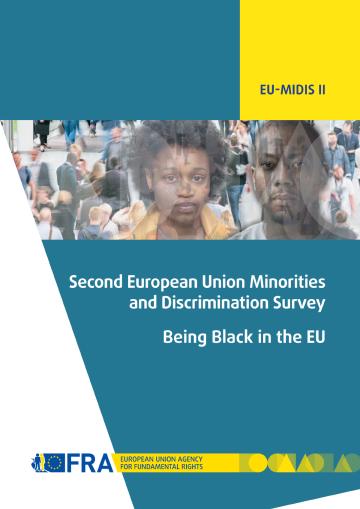
Black people in the EU face unacceptable difficulties in getting a decent job because of their skin colour. Racist harassment also remains all too common.
Almost twenty years after adoption of EU laws forbidding discrimination, people of African descent in the EU face widespread and entrenched prejudice and exclusion. This report outlines selected results from FRA's second large-scale EU-wide survey on migrants and minorities (EU-MIDIS II) carried out in 2016. It examines the experiences of almost 6,000 people of African descent in 12 EU Member States.
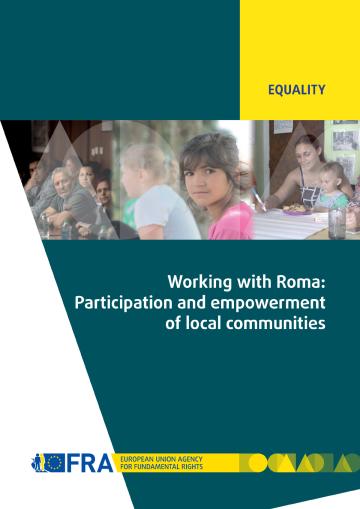
This report presents the main insights gained during the EU Fundamental Rights Agency’s project on local engagement for Roma inclusion, which explores how to best involve Roma in integration efforts at the local level. Bringing together local authorities and residents, especially Roma, it investigated what aspects work, which ones do not, and why this is the case.
Antisemitism can be expressed in the form of verbal and physical attacks, threats,
harassment, discrimination and unequal treatment, property damage and graffiti or other
forms of speech or text, including on the internet. The present report provides an overview of data on antisemitism as recorded by
international organisations and by official and unofficial sources in the 28 European
Union (EU) Member States, based on their own definitions and categorisations.
Almost 25 million children under 18 are at risk of poverty or social exclusion in the EU. Poverty deprives children of educational
opportunities, childcare, access to health care, adequate food and housing, family support and even protection from violence.
This report outlines data and survey findings that highlight the magnitude of child poverty in the EU, but also presents tools
available to counter this phenomenon and keep track of progress made.
These 10 keys sum up the core points
communicators and practitioners in various fields
raised in FRA’s expert meetings, practitioners’
seminars and focus groups in 2017 and 2018.
Across the European Union, Member States are faced with the challenge of integrating Europe’s most deprived
and disenfranchised minority groups. As a follow up to the EU-MIDIS II findings on Roma, this report presents
FRA’s findings relating to the issues of education and employment. Encouraging Roma participation in education
and employment equips communities with higher incomes, better life opportunities and greater social inclusion.
Across the European Union, people face hatred because of their skin colour, ethnicity, religion, gender or sexuality. In response, the EU and its Member States have introduced laws against hate crime and support services for victims. But these will only fulfil their potential if victims report hate-motivated harassment and violence to the police, and if police officers record such incidents as hate crimes. This report provides rich and detailed information on hate crime recording and data collection systems across the EU, including any systemic cooperation with civil society.
The year 2017 brought both progress and setbacks in terms of rights protection. The European Pillar of Social Rights marked an important move towards a more ‘social Europe’. But, as experiences with the EU Charter of Fundamental Rights underscore, agreement on a text is merely a first step. Even in its eighth year as the EU's binding bill of rights, the Charter's potential was not fully exploited, highlighting the need to more actively promote its use.
Rychlý vývoj informací a komunikačních technologií zdůrazňuje rostoucí potřebu spolehlivé ochrany osobních
údajů – práva, jež zaručují jak nástroje Evropské unie (EU), tak nástroje Rady Evropy (RE). Ochrana tohoto
důležitého práva přináší nové a významné výzvy, jelikož technologický pokrok rozšiřuje hranice oblastí, jako
je dozor, odposlouchávání komunikací a uchovávání údajů. Tato příručka je určena k tomu, aby právníky,
kteří se nespecializují na oblast ochrany údajů, s touto oblastí práva seznámila. Poskytuje přehled platných
právních rámců EU a RE. Vysvětluje rovněž klíčovou judikaturu, shrnuje hlavní rozhodnutí Evropského soudu
pro lidská práva i Soudního dvora Evropské unie. Kromě toho představuje hypotetické scénáře, které slouží
jako praktické ilustrace rozmanitých problémů, s nimiž se v tomto neustále se měnícím oboru potýkáme.
Den hurtige udvikling inden for informations- og kommunikationsteknologi fremhæver det øgede behov for
solid beskyttelse af personoplysninger – en ret, der er sikret ved både EU’s og Europarådets instrumenter.
Beskyttelse af denne vigtige rettighed indebærer nye og væsentlige udfordringer, da teknologiske fremskridt
udvider mulighederne for f.eks. overvågning, opfangelse af kommunikation og lagring af data. Denne håndbog
har til formål at give jurister, som ikke er specialister inden for databeskyttelse, kendskab til dette nye
juridiske område.
The rapid development of information technology has exacerbated the need for robust personal data protection, the right to which is safeguarded by both European Union (EU) and Council of Europe (CoE) instruments. Safeguarding this important right entails new and significant challenges as technological advances expand the frontiers of areas such as surveillance, communication interception and data storage. This handbook is designed to familiarise legal practitioners not specialised in data protection with this emerging area of the law.
Infotehnoloogia hoogne areng on teravdanud vajadust tugeva isikuandmete kaitse järele, sest õigus
isikuandmete kaitsele on sätestatud nii Euroopa Liidu kui ka Euroopa Nõukogu õigusaktides. Selle olulise
õiguse tagamisel tekib uusi ja olulisi probleeme, sest tehnika areng laiendab selliseid valdkondi nagu seire,
side pealtkuulamine ja andmete säilitamine. Käsiraamatu eesmärk on tutvustada andmekaitset kui arenevat
õigusvaldkonda juristidele, kes ei ole andmekaitse spetsialistid.
Tieto- ja viestintätekniikoiden nopea kehitys on kasvattanut vankan tietosuojan tarvetta. Tämä oikeus
vahvistetaan sekä Euroopan unionin (EU) että Euroopan neuvoston säädöksissä. Tekniikan kehittymisen
myötä esimerkiksi tarkkailun, telepakkokeinojen ja tietojen säilyttämisen rajat ovat väljentyneet asettaen
uusia ja merkittäviä haasteita tämän tärkeän oikeuden turvaamiselle. Tämän käsikirjan tarkoituksena
on tarjota tietosuojaoikeuteen liittyvää tietoa oikeusalan ammattilaisille, jotka eivät ole erikoistuneet
tähän kehittyvään oikeuden alaan.
Az információs technológiák gyors fejlődésével egyre nagyobb szükség van a személyes adatok erőteljes védelmére, amely jogot az Európai Unió és az Európa Tanács jogi eszközei egyaránt biztosítják. A technológiai fejlesztések kiterjesztik például a felügyelet, a beszélgetések lehallgatása és az adatok tárolása határait, ami új és hatalmas kihívásokat állít e jog biztosítása elé. Ez a kézikönyv azon gyakorló jogászok számára készült, akiknek a jog e fejlődő területe nem a szakterülete.
Dėl sparčios informacinių technologijų plėtros padidėjo poreikis užtikrinti patikimą asmens duomenų apsaugą
taikant tiek Europos Sąjungos, tiek Europos Tarybos priemones. Siekiant užtikrinti šią svarbią teisę, kyla naujų
ir svarbių uždavinių, nes dėl technologinės pažangos plečiamos tokių sričių, kaip stebėjimas, ryšių perėmimas
ir duomenų saugojimas, ribos. Šis vadovas parengtas siekiant supažindinti teisės specialistus, kurie neturi
itin daug žinių apie duomenų apsaugą, su šia naujai besiformuojančia teisės sritimi.