eu-charter

Charta der Grundrechte der Europäischen Union

Präambel

Die Völker Europas sind entschlossen, auf der Grundlage gemeinsamer Werte eine friedliche Zukunft zu teilen, indem sie sich zu einer immer engeren Union verbinden.

In dem Bewusstsein ihres geistig-religiösen und sittlichen Erbes gründet sich die Union auf die unteilbaren und universellen Werte der Würde des Menschen, der Freiheit, der Gleichheit und der Solidarität. Sie beruht auf den Grundsätzen der Demokratie und der Rechtsstaatlichkeit. Sie stellt den Menschen in den Mittelpunkt ihres Handelns, indem sie die Unionsbürgerschaft und einen Raum der Freiheit, der Sicherheit und des Rechts begründet.
Die Union trägt zur Erhaltung und zur Entwicklung dieser gemeinsamen Werte unter Achtung der Vielfalt der Kulturen und Traditionen der Völker Europas sowie der nationalen Identität der Mitgliedstaaten und der Organisation ihrer staatlichen Gewalt auf nationaler, regionaler und lokaler Ebene bei. Sie ist bestrebt, eine ausgewogene und nachhaltige Entwicklung zu fördern und stellt den freien Personen-, Dienstleistungs-, Waren- und Kapitalverkehr sowie die Niederlassungsfreiheit sicher.
Zu diesem Zweck ist es notwendig, angesichts der Weiterentwicklung der Gesellschaft, des sozialen Fortschritts und der wissenschaftlichen und technologischen Entwicklungen den Schutz der Grundrechte zu stärken, indem sie in einer Charta sichtbarer gemacht werden.
Diese Charta bekräftigt unter Achtung der Zuständigkeiten und Aufgaben der Union und des Subsidiaritätsprinzips die Rechte, die sich vor allem aus den gemeinsamen Verfassungstraditionen und den gemeinsamen internationalen Verpflichtungen der Mitgliedstaaten, aus der Europäischen Konvention zum Schutz der Menschenrechte und Grundfreiheiten, aus den von der Union und dem Europarat beschlossenen Sozialchartas sowie aus der Rechtsprechung des Gerichtshofs der Europäischen Union und des Europäischen Gerichtshofs für Menschenrechte ergeben. In diesem Zusammenhang erfolgt die Auslegung der Charta durch die Gerichte der Union und der Mitgliedstaaten unter gebührender Berücksichtigung der Erläuterungen, die unter der Leitung des Präsidiums des Konvents zur Ausarbeitung der Charta formuliert und unter der Verantwortung des Präsidiums des Europäischen Konvents aktualisiert wurden.
Die Ausübung dieser Rechte ist mit Verantwortung und mit Pflichten sowohl gegenüber den Mitmenschen als auch gegenüber der menschlichen Gemeinschaft und den künftigen Generationen verbunden.
Daher erkennt die Union die nachstehend aufgeführten Rechte, Freiheiten und Grundsätze an.

Erläuterungen

  • Text:
    Quelle:
    Preamble - Explanations relating to the Charter of Fundamental Rights:

Rechtsprechung

0 results found

Nationales Verfassungsrecht

0 results found

EU-Recht

0 results found

Internationales Recht

0 results found

Produkte

  • Report / Paper / Summary
    11
    Mai
    2026
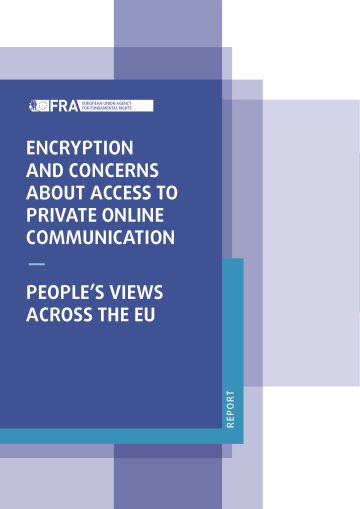
    The ability to communicate freely and privately online is protected under Article 7 of the EU Charter; it is a crucial enabler of other fundamental rights, particularly as the world becomes increasingly digital. This paper presents results from an EU-wide survey about people’s views on encryption of their private online communication. It looks, for example, at concern regarding access by outside actors to information shared when using private messaging applications. The results indicate that people highly value encryption and at the same time have concerns about online communications being accessed without their knowledge or permission. It provides a timely evidence base to shape policy discussions on internal security and digital privacy.
    FRA, 2026
  • Periodic updates / Series
    21
    April
    2026
    From 2015 to 2023, FRA regularly published bulletins on fundamental rights issues related to migration and asylum. As part of the EU's 2024 Asylum and Migration Management Regulation, FRA is now restarting this reporting ahead of the June 2026 implementation of the EU Migration and Asylum Pact. This first bulletin in the new series takes stock of the situation of migrants, asylum seekers and refugees as of March 2026. It looks at key developments between January 2025 and the end of March 2026, as well as ongoing problems and new areas of concern.
  • Report / Paper / Summary
    14
    April
    2026
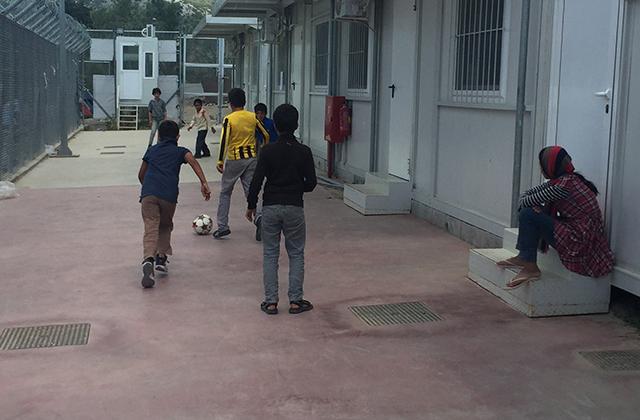
    In response to increased arrivals of asylum seekers, in 2015 the European Commission introduced the hotspot approach. Under this approach, the European Commission and EU agencies supported Greece and Italy in identifying, registering and fingerprinting newly arrived people. FRA regularly visited the initial reception facilities hosting them. This report looks back at the lessons learnt from 10 years of FRA visits. It identifies recurring risks to rights and highlights practical measures and promising practices to prevent or address them. These ‘lessons learnt’ can inform the implementation of the 2024 Pact on Migration and Asylum in line with the EU Charter of Fundamental Rights.
  • Report / Paper / Summary
    31
    März
    2026
    Civic space is a crucial component of democracy and of societies founded on respect for fundamental rights and the rule of law. Civil society organisations across the EU face increasing pressure that limits their ability to operate. This report presents FRA opinions on how EU Member States can better protect civic space and support civil society organisations in safeguarding fundamental rights. The findings are based on data and information collected by FRANET, FRA’s multidisciplinary research network, and FRA’s consultation with CSOs participating in its Fundamental Rights Platform. It is complemented by desk research, interviews, stakeholder meetings and exchanges with intergovernmental organisations. It covers all EU Member States, as well as Albania, North Macedonia and Serbia.
  • Report / Paper / Summary
    27
    März
    2026
    This publication presents findings from an EU-wide survey on public attitudes to children’s use of social media. It presents people’s key concerns and their views on the minimum age limits for accessing social media platforms. The survey draws on the views of both teenagers and adults – those most directly affected. The findings offer a useful evidence base for policy discussions on social media age restrictions in the EU.
  • Report / Paper / Summary
    3
    März
    2026
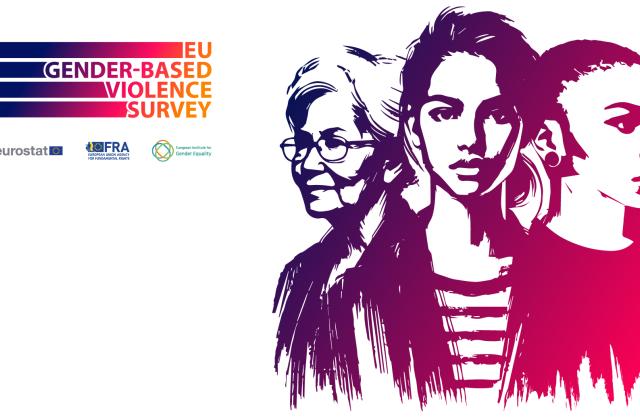
    Violence against women remains widespread in the European Union (EU). This joint report by the EU Agency for Fundamental Rights (FRA) and the European Institute for Gender Equality (EIGE) presents detailed findings from the EU gender-based violence survey. It offers in-depth analysis of the scale, nature and drivers of violence and exposes the structural gender inequality. Building on the 2024 publication, EU gender-based violence survey - Key results, and following up on FRA’s 2014 report, Violence against women: an EU-wide survey, this report tracks trends over the last decade across the EU. Eurostat, FRA, and EIGE jointly conducted the survey. It is based on over 100,000 interviews covering all 27 EU Member States.
  • Report / Paper / Summary
    24
    Februar
    2026
    The start of Russia’s war of aggression against Ukraine on 24 February 2022 shocked the global community and gave rise to a
    series of urgent fundamental rights challenges across Europe. While much attention has focused on the scale of devastation and its wider impact on all Ukrainians, the war has also inflicted profound personal harm. This report sheds light on the violence, sexual harassment and exploitation experienced by women displaced from Ukraine. Drawing on a survey and in-depth interviews with women from Ukraine, the report documents the prevalence, forms and patterns of gender-based violence and sets out practical measures to improve safety, access to justice and support.
  • Report / Paper / Summary
    27
    Januar
    2026
    This report looks at antisemitism in the EU, focusing on what can be done to address gaps in recording and inconsistencies in data collection. It highlights existing tools and guidance for Member States to improve their recording systems. The analysis is based on official administrative data and information from publicly available sources across EU Member States, as well as Albania, North Macedonia, and Serbia. Detailed country overviews are available for all countries covered. Antisemitism has been monitored by FRA since 2004. This report builds on the 2024 publication, ‘Jewish People’s Experiences and Perceptions of Antisemitism’.