eu-charter

Charta der Grundrechte der Europäischen Union

Artikel 30 - Schutz bei ungerechtfertigter Entlassung

Artikel 30 - Schutz bei ungerechtfertigter Entlassung

Jede Arbeitnehmerin und jeder Arbeitnehmer hat nach dem Unionsrecht und den einzelstaatlichen Rechtsvorschriften und Gepflogenheiten Anspruch auf Schutz vor ungerechtfertigter Entlassung.

Erläuterungen

  • Text:

    Dieser Artikel lehnt sich an Artikel 24 der revidierten Sozialcharta an. Siehe auch die Richtlinien 2001/23/EG über die Wahrung von Ansprüchen der Arbeitnehmer beim Übergang von Unternehmen und 80/987/EWG über den Schutz der Arbeitnehmer bei Zahlungsunfähigkeit des Arbeitgebers, geändert durch die Richtlinie 2002/74/EG.

    Quelle:
    Amtsblatt der Europäischen Union C 303/17 - 14.12.2007
    Preamble - Explanations relating to the Charter of Fundamental Rights:
    Die Erläuterungen wurden ursprünglich unter der Verantwortung des Präsidiums des Konvents, der die Charta der Grundrechte der Europäischen Union ausgearbeitet hat, formuliert. Sie wurden unter der Verantwortung des Präsidiums des Europäischen Konvents aufgrund der von diesem Konvent vorgenommenen Anpassungen des Wortlauts der Charta (insbesondere der Artikel 51 und 52) und der Fortentwicklung des Unionsrechts aktualisiert. Diese Erläuterungen haben als solche keinen rechtlichen Status, stellen jedoch eine nützliche Interpretationshilfe dar, die dazu dient, die Bestimmungen der Charta zu verdeutlichen.

Rechtsprechung

Nationales Verfassungsrecht

14 results found

  • Code du Travail
    Land:
    Luxembourg

    (dans sa teneur modifiée au 11 novembre 2009)

  • Constitution of Finland
    Land:
    Finland

    Section 18 The right to work and the freedom to engage in commercial activity (...) No one shall be dismissed from employment without a lawful reason.

  • Constitution of the Republic of Croatia
    Land:
    Croatia
  • Constitution of the Republic of Lithuania
    Land:
    Lithuania

    Article 49. Every working person shall have the right to rest and leisure, as well as to annual paid leave. The length of working time shall be established by law.

  • Employment and Industrial Relations Act, Cap. 452 of the Laws of Malta, 2002
    Land:
    Malta

    Part V - Termination of Contracts of Service

  • Labour Code
    Land:
    Bulgaria

    Chapter XVI - Termination of Employment Relationship deals with protection from dismissal.

  • Labour Law
    Land:
    Latvia

    Chapter 29 Protection of Employees when Terminating Employment Legal Relationships Chapter 30 Obligations of an Employer when Dismissing an Employee

  • Lietuvos Respublikos Konstitucija
    Land:
    Lithuania

    49 straipsnis. Kiekvienas dirbantis žmogus turi teisę turėti poilsį ir laisvalaikį, taip pat kasmetines mokamas atostogas. Darbo laiko trukmę apibrėžia įstatymas.

  • Luxemburg / Verfassung des Großherzogtums Luxemburg
    Land:
    Luxemburg

    Art. 34. Die Grundsätze der sozialen Sicherheit, des Gesundheitsschutzes und der Rechte der Arbeitnehmer werden gesetzlich geregelt.

  • Portugal / Constitution of the Portuguese Republic
    Land:
    Portugal

     Article 53 (Job security) The right of workers to security of employment is guaranteed. Dismissals without just cause or for political or ideological reasons are prohibited.

  • Protection of employment (exceptional collective redundancies and related matters) act 2007
    Land:
    Ireland

    An act to make provision, consequent on the conclusion of the ten-year framework social partnership agreement 2006-2015 known as “towards 2016”, for the establishment of a redundancy panel and the reference to it of certain proposed collective redundancies and for related action by the Minister for Enterprise, Trade and Employment, including the obtaining from the labour court of opinions on the nature of proposed collective redundancies; (...)

  • Slovakia / Constitution of the Slovak Republic
    Land:
    Slovakia

    Article 36 Employees have the right to just and satisfying working conditions. The law guarantees, above all (…) b) protection against arbitrary dismissal and discrimination at the work place (…).

  • Slovenia / Constitution of the Republic of Slovenia
    Land:
    Slovenia

    Article 66 The state shall create opportunities for employment and work, and shall ensure the protection of both by law.

  • Suomen perustuslaki
    Land:
    Finland

    18 § Oikeus työhön ja elinkeinovapaus (...) Ketään ei saa ilman lakiin perustuvaa syytä erottaa työstä.

EU-Recht

2 results found

Internationales Recht

0 results found

Produkte

  • Fundamental Rights Report
    5
    Juni
    2024
    FRA’s Fundamental Rights Report 2024 analyses the year’s developments in fundamental rights. It focuses on the most pressing fundamental rights concerns facing Europe in 2023: the cost-of-living crisis, rights concerns at the EU’s external borders and migration, and threats to democracy. Re-structured, this year’s new approach is a shorter and sharper analysis. It also presents FRA’s opinions on these developments, including a summary of the evidence supporting these opinions.
  • Fundamental Rights Report
    8
    Juni
    2022
    FRA’s Fundamental Rights Report 2022 reviews major developments in the field in 2021, identifying both achievements and areas of concern. It also presents FRA’s opinions on these developments, including a synopsis of the evidence supporting these opinions.
  • Fundamental Rights Report
    8
    Juni
    2022
    This focus looks at the impact of the pandemic on social rights. It examines the measures in national recovery and resilience plans that address the social vulnerabilities among a variety of population groups in the EU, including women, children and young people in situations of vulnerability, people with disabilities, older people, Roma and people in precarious working conditions.
  • Periodic updates / Series
    30
    November
    2020
    This report outlines some of the measures EU Member States have put in place to protect public health as Europe faces the ‘second wave’ of the Coronavirus pandemic. It highlights how these may affect fundamental rights, especially social rights.
  • Periodic updates / Series
    29
    Juli
    2020
    As we enter the second half of 2020, the constraints on our daily lives brought about by the Coronavirus pandemic have become a firm reality. New local lockdowns and the reintroduction of restrictive measures prompted by fresh outbreaks of the virus are a stark reminder that COVID-19 continues to shape our lives – and our enjoyment of fundamental rights – in profound ways. There is compelling evidence of how the pandemic has exacerbated existing challenges in our societies. This FRA Bulletin outlines some of the measures EU Member States adopted to safely reopen their societies and economies while continuing to mitigate the spread of COVID-19. It highlights the impact these measures may have on civil, political and socioeconomic rights.
  • Periodic updates / Series
    30
    Juni
    2020
    The Coronavirus pandemic continues to interrupt everyday life in the EU in unprecedented ways. But the way it affects our societies is shifting. As governments gradually lift some of the measures put in place to contain the spread of COVID-19, new fundamental rights concerns arise: how to ensure that the rights to life and health are upheld as daily life transitions to a ‘new normal’. This Bulletin looks at declarations of states of emergency, or equivalent, and how they came under scrutiny. It considers
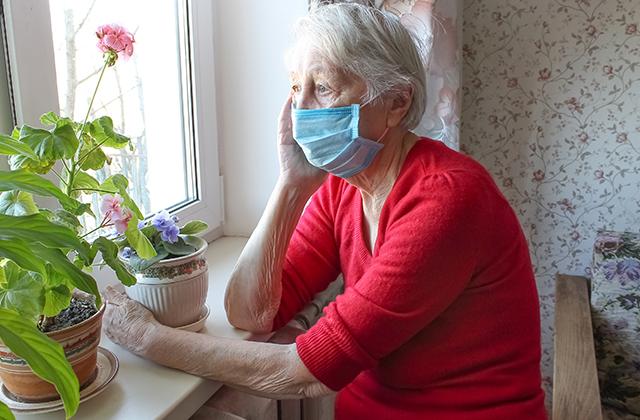
    the impact on fundamental rights in important areas of daily life, and includes a thematic focus on the pandemic's impact on older people.
  • Periodic updates / Series
    28
    Mai
    2020
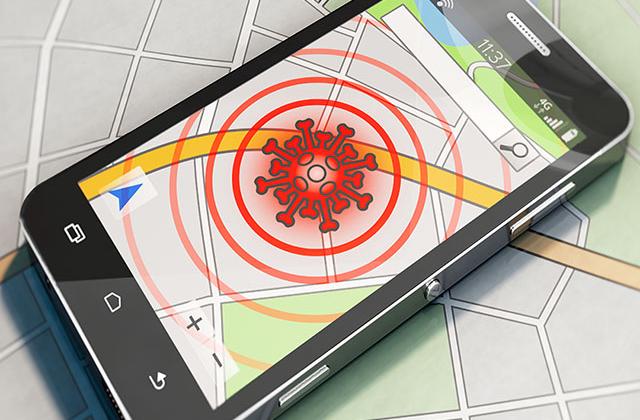
    The Coronavirus pandemic continues to interrupt everyday life in the EU in unprecedented ways. But the way it affects our societies is shifting. As governments gradually lift some of the measures put in place to contain the spread of COVID-19, new fundamental rights concerns arise: how to ensure that the rights to life and health are upheld as daily life transitions to a ‘new normal’. This Bulletin looks at declarations of states of emergency, or equivalent, and how they came under scrutiny. It considers the impact on fundamental rights in important areas of daily life, and includes a thematic focus on the processing of users’ data to help contain COVID-19, particularly by contact-tracing apps. It covers the period 21 March – 30 April 2020.
  • Periodic updates / Series
    8
    April
    2020
    The outbreak of COVID-19 affects people’s daily life in the 27 EU Member States. As the number of infected people in the EU territory began to mount rapidly in February and March, governments put in place a raft of measures – often introduced in a period of only a few days – in an effort to contain the spread of the virus. Many of these measures reflect how, in exceptional emergency situations, the urgent need to save lives justifies restrictions on other rights, such as the freedom of movement and of assembly. This report outlines some of the measures EU Member States have put in place to protect public health during the COVID-19 pandemic. It covers the period 1 February – 20 March 2020.
  • Report / Paper / Summary
    5
    Juli
    2011
    Dieser Report ist das Ergebnis eines Projekts der FRA zum Thema Migranten in einer irregulären Situation. Als erster von zwei thematischen Reports nimmt er Ergebnisse eines umfassenden Reports über die Grundrechte von Migranten in irregulären Situationen in der EU vorweg.
  • In brief / Factsheet
    30
    November
    2010
    Die Entwicklung der letzten Jahre belegt, dass das Bewusstsein für die Rechte von Lesben, Schwulen, Bisexuellen und Transgender-Personen (Lesbian, Gay, Bisexual and Transgender, LGBT) in der Europäischen Union zunimmt. Mit der rechtsverbindlichen Charta der Grundrechte der Europäischen Union stärkt der Vertrag von Lissabon den Rahmen für eine Gesetzgebung zur Nichtdiskriminierung. Die EU ist nun verpflichtet in all ihren Politikfeldern und Tätigkeiten Diskriminierung zu bekämpfen, auch Diskriminierung aufgrund der sexuellen Ausrichtung.