eu-charter

Carta de los Derechos Fundamentales de la Unión Europea

Artículo 21 - No discriminación

Artículo 21 - No discriminación

1. Se prohíbe toda discriminación, y en particular la ejercida por razón de sexo, raza, color, orígenes étnicos o sociales, características genéticas, lengua, religión o convicciones, opiniones políticas o de cualquier otro tipo, pertenencia a una minoría nacional, patrimonio, nacimiento, discapacidad, edad u orientación sexual.
2. Se prohíbe toda discriminación por razón de nacionalidad en el ámbito de aplicación de los Tratados y sin perjuicio de sus disposiciones particulares.

Explicaciones

  • Text:

    El apartado 1 se inspira en el artículo 13 del Tratado CE, sustituido ahora por el artículo 19 del Tratado de Funcionamiento de la Unión Europea, en el artículo 14 del CEDH y en el artículo 11 del Convenio relativo a los derechos humanos y la biomedicina, referente al patrimonio genético. En la medida en que coincide con el artículo 14 del CEDH, se aplica de acuerdo con éste.
    No existe contradicción ni incompatibilidad entre el apartado 1 y el artículo 19 del Tratado de Funcionamiento de la Unión Europea, que tiene objetivos y alcance diferentes: el artículo 19 confiere competencias a la Unión para adoptar actos legislativos, incluida la armonización de las disposiciones legales y reglamentarias de los Estados miembros, con el fin de combatir determinadas formas de discriminación que se especifican de forma exhaustiva en el citado artículo. Dicha legislación podría cubrir la acción de las autoridades de los Estados miembros (así como las relaciones entre los particulares) en cualquier ámbito dentro de los límites de las competencias de la Unión. Las disposiciones del apartado 1 del artículo 21 no confieren, sin embargo, competencias para adoptar leyes con el fin de combatir formas de discriminación en ámbitos de acción de los Estados miembros o en la esfera privada, ni constituyen una prohibición generalizada de la discriminación en dichos ámbitos. Se refieren solamente a las discriminaciones por parte de las instituciones y órganos de la Unión en el ejercicio de las competencias que les confieren los Tratados, y por parte de los Estados miembros cuando apliquen el Derecho de la Unión solamente. Por consiguiente, el apartado 1 no modifica el alcance de las competencias conferidas por el artículo 19 ni la interpretación de dicho artículo.
    El apartado 2 corresponde al párrafo primero del artículo 18 del Tratado de Funcionamiento de la Unión Europea y debe aplicarse de acuerdo con este último.

    Source:
    Diario Oficial de la Unión Europea C 303/17 - 14.12.2007
    Preamble - Explanations relating to the Charter of Fundamental Rights:
    Las presentes explicaciones fueron elaboradas inicialmente bajo la responsabilidad del Praesidium de la Convención que redactó la Carta de los Derechos Fundamentales de la Unión Europea. Han sido actualizadas bajo la responsabilidad del Praesidium de la Convención Europea, a la vista de las adaptaciones de la redacción del texto de la Carta realizadas por la Convención (en particular, los artículos 51 y 52) y de la evolución del Derecho de la Unión. Si bien no tienen por sí mismas valor jurídico, constituyen un valioso instrumento de interpretación con objeto de aclarar las disposiciones de la Carta.

Jurisprudencia

Derecho constitucional nacional

57 results found

  •  European Convention on Human Rights - Article 14
    País:
    Austria

    Article 14 - Prohibition of discrimination 

    The enjoyment of the rights and freedoms set forth in this Convention shall be secured without discrimination on any ground such as sex, race, colour, language, religion, political or other opinion, national or social origin, association with a national minority, property, birth or other status

  • Sweden / Instrument of Government
    País:
    Sweden

    Chapter 1 - Basic principles of the form of government:

    Article 2. Public power shall be exercised with respect for the equal worth of all and the liberty and dignity of the individual. (…) The public institutions shall promote the opportunity for all to attain participation and equality in society and for the rights of the child to be safeguarded. The public institutions shall combat discrimination of persons on grounds of gender, colour, national or ethnic origin, linguistic or religious affiliation, functional disability, sexual orientation, age or other circumstance affecting the individual. The opportunities of the Sami people and ethnic, linguistic and religious minorities to preserve and develop a cultural and social life of their own shall be promoted;

    Article 9 Courts of law, administrative authorities and others performing public administration functions shall pay regard in their work to the equality of all before the law and shall observe objectivity and impartiality.

    Chapter 2 - Fundamental rights and freedoms:

    Article 12 No act of law or other provision may imply the unfavourable treatment of anyone because they belong to a minority group by reason of ethnic origin, colour, or other similar circumstances or on account of their sexual orientation;

    Article 13 No act of law or other provision may imply the unfavourable treatment of anyone on grounds of gender, unless the provision forms part of efforts to promote equality between men and women or relates to compulsory military service or other equivalent official duties.

  • ACT No. 365/2004 Coll. - Antidiscrimination Act
    País:
    Slovakia

    § 1 Scope This Act provides for the application of the principle of equal treatment and lays down the means of legal protection in a case of violation of this principle. § 2 Basic provisions (1) Adherence to the principle of equal treatment shall lay in the prohibition of discrimination on grounds of sex, religion or belief, race, nationality or ethnic origin, disability, age, sexual orientation, marital or family status, colour, language, political affiliation or other conviction, national or social origin, property, lineage or any other status. (2) While adhering to the principle of equal treatment, observance shall also be paid to good morals for the purpose of broadening of protection against discrimination. (3) Adherence to the principle of equal treatment shall also rest in adoption of measures for the protection against discrimination.

  • Algemene wet gelijke behandeling (AWGB)
    País:
    Netherlands

    Preambule : Alzo Wij in overweging genomen hebben, dat het wenselijk is om, mede in verband met artikel 1 van de Grondwet, ter bevordering van de deelneming op gelijke voet aan het maatschappelijk leven bescherming te bieden tegen discriminatie op grond van godsdienst, levensovertuiging, politieke gezindheid, ras, geslacht, nationaliteit, hetero- of homoseksuele gerichtheid of burgerlijke staat, dat het daarom wenselijk is behoudens wettelijke uitzonderingen onderscheid op deze gronden te verbieden en dat het in verband met de handhaving van dit verbod wenselijk is een Commissie gelijke behandeling in te stellen;

  • Allgemeines Gleichbehandlungsgesetz
    País:
    Germany


  • Basic Law for the Federal Republic of Germany
    País:
    Germany

    Article 3 (... ) (3) No person shall be favoured or disfavoured because of sex, parentage, race, language, homeland and origin, faith, or religious or political opinions. No person shall be disfavoured because of disability. Article 33 (1) Every German shall have in every Land the same political rights and duties. (2) Every German shall be equally eligible for any public office according to his aptitude, qualifications and professional achievements. (3) Neither the enjoyment of civil and political rights, nor eligibility for public office, nor rights acquired in the public service shall be dependent upon religious affiliation. No one may be disadvantaged by reason of adherence or non-adherence to a particular religious denomination or philosophical creed.

  • Bundes-Verfassungsgesetz (B-VG)
    País:
    Austria

    Artikel 7 (1) Alle Staatsbürger sind vor dem Gesetz gleich. Vorrechte der Geburt, des Geschlechtes, des Standes, der Klasse und des Bekenntnisses sind ausgeschlossen. Niemand darf wegen seiner Behinderung benachteiligt werden. Die Republik (Bund, Länder und Gemeinden) bekennt sich dazu, die Gleichbehandlung von behinderten und nichtbehinderten Menschen in allen Bereichen des täglichen Lebens zu gewährleisten. (...)

  • Bundesverfassungsgesetz vom 3. Juli 1973 zur Durchführung des Internationalen Übereinkommens über die Beseitigung aller Formen rassischer Diskriminierung
    País:
    Austria

    Artikel 1 §1 (1) Jede Form rassischer Diskriminierung ist – auch soweit ihr nicht bereits
    Art. 7 des Bundes-Verfassungsgesetzes in der Fassung von 1929 und Art. 14 der Konvention zum Schutz der Menschenrechte und Grundfreiheiten, BGBl. Nr. 210/1958, entgegenstehen – verboten. Gesetzgebung und Vollziehung haben jede Unterscheidung aus dem alleinigen Grund der Rasse, der Hautfarbe, der Abstammung oder der nationalen oder ethnischen Herkunft zu unterlassen. (2) Abs. 1 hindert nicht, österreichischen Staatsbürgern besondere Rechte einzuräumen oder besondere Verpflichtungen aufzuerlegen, soweit dem Art. 14 der Konvention zum Schutz der Menschenrechte und Grundfreiheiten nicht entgegensteht.

  • Constitution
    País:
    France

    Article 1 La France est une République indivisible, laïque, démocratique et sociale. Elle assure l'égalité devant la loi de tous les citoyens sans distinction d'origine, de race ou de religion. Elle respecte toutes les croyances. Son organisation est décentralisée. La loi favorise l'égal accès des femmes et des hommes aux mandats électoraux et fonctions électives, ainsi qu'aux responsabilités professionnelles et sociales.

  • Constitution
    País:
    France

    Article 1 France shall be an indivisible, secular, democratic and social Republic. It shall ensure the equality of all citizens before the law, without distinction of origin, race or religion. It shall respect all beliefs.

  • Constitution of Finland
    País:
    Finland

    Section 6 Equality Everyone is equal before the law. No one shall, without an acceptable reason, be treated differently from other persons on the ground of sex, age, origin, language, religion, conviction, opinion, health, disability or other reason that concerns his or her person. Children shall be treated equally and as individuals and they shall be allowed to influence matters pertaining to themselves to a degree corresponding to their level of development. Equality of the sexes is promoted in societal activity and working life, especially in the determination of pay and the other terms of employment, as provided in more detail by an Act. 

  • Constitution of Ireland
    País:
    Ireland

    Article 40.1. All citizens shall, as human persons, be held equal before the law. This shall not be held to mean that the State shall not in its enactments have due regard to differences of capacity, physical and moral, and of social function. Article 40.6.2. Laws regulating the manner in which the right of forming associations and nions and the right of free assembly may be exercised shall contain no political, religious or class discrimination.

  • Constitution of Malta
    País:
    Malta

    Article 45. (1) Subject to the provisions of sub-articles (4), (5) and (7) of this article, no law shall make any provision that is discriminatory either of itself or in its effect. (2) Subject to the provisions of sub-articles (6), (7) and (8) of this article, no person shall be treated in a discriminatory manner by any person acting by virtue of any written law or in the performance of the functions of any public office or any public authority. (3) In this article, the expression "discriminatory" means affording different treatment to different persons attributable wholly or mainly to their respective descriptions by race, place of origin, political opinions, colour, creed or sex whereby persons of one such description are subjected to disabilities or restrictions to which persons of another such description are not made subject or are accorded privileges or advantages which are not accorded to persons of another such description. (4) Sub-article (1) of this article shall not apply to any law so far as that law makes provision - (a) for the appropriation of public revenues or other public funds; or (b) with respect to persons who are not citizens of Malta; or (c) with respect to adoption, marriage, dissolution of marriage, burial, devolution of property on death or any matters of personal law not hereinbefore specified; or (d) whereby persons of any such description as is mentioned in sub-article (3) of this article may be subjected to any disability or restriction or may be accorded any privilege or advantage which, having regard to its nature and to special circumstances pertaining to those persons or to persons of any other such description and to any other provision of this Constitution, is reasonably justifiable in a democratic society; or (e) for authorising the taking during a period of public emergency of measures that are reasonably justifiable for the purpose of dealing with the situation that exists during that period of public emergency; Provided that paragraph (c) of this sub-article shall not apply to any law which makes any provision that is discriminatory, either of itself or in its effect by affording different treatment to different persons attributable wholly or mainly to their respective description by sex. (5) Nothing contained in any law shall be held to be inconsistent with or in contravention of sub-article (1) of this article to the extent that it makes provision: (a) with respect to qualifications for service or conditions of service in any disciplined force; or (b) with respect to qualifications (not being qualifications specifically relating to sex) for service as a public officer or for service of a local government authority or a body corporate established for public purposes by any law. (6) Sub-article (2) of this article shall not apply to anything which is expressly or by necessary implication authorised to be done by any such provision of law as is referred to in sub-article (4) or (5) of this article. (7) Nothing contained in or done under the authority of any law shall be held to be inconsistent with or in contravention of this article to the extent that the law in question makes provision (not being provisions specifically relating to sex) whereby persons of any such description as is mentioned in sub-article (3) of this article may be subjected to any restriction on the rights and freedoms guaranteed by articles 38, 40, 41, 42 and 44 of this Constitution, being such a restriction as is authorised by article 38(2), 40(2), 41(2), 42(2) or 44(3). (8) Nothing in sub-article (2) of this article shall affect any discretion relating to the institution, conduct or discontinuance of civil or criminal proceedings in any court that is vested in any person by or under this Constitution or any other law. (9) A requirement, however made, that the Roman Catholic Apostolic Religion shall be taught by a person professing that religion shall not be held to be inconsistent with or in contravention of this article. (10) Until the expiration of a period of two years commencing on the lst July, 1991, nothing contained in any law made before the 1st July, 1991, shall be held to be inconsistent with the provisions of this article, in so far as that law provides for different treatment to different persons attributable wholly or mainly to their respective description by sex. (11) Nothing in the provisions of this article shall apply to any law or anything done under the authority of a law, or to any procedure or arrangement, in so far as such law, thing done, procedure or arrangement provides for the taking of special measures aimed at accelerating de facto equality between men and women, and in so far only as such measures, taking into account the social fabric of Malta, are shown to be reasonably justifiable in a democratic society.

  • Constitution of the Hellenic Republic
    País:
    Greece

    Article 4 (5) Greek citizens contribute without distinction to public charges in proportion to their means. [...] Article 5 (2) All persons living within the Greek territory shall enjoy full protection of their life, honour and liberty irrespective of nationality, race or language and of religious or political beliefs. Exceptions shall be permitted only in cases provided by international law. [...]

  • Constitution of the Italian Republic
    País:
    Italy

    Art. 3. All citizens have equal social dignity and are equal before the law, without distinction of sex, race, language, religion, political opinion, personal and social conditions. It is the duty of the Republic to remove those obstacles of an economic or social nature which constrain the freedom and equality of citizens, thereby
    impeding the full development of the human person and the effective participation of all workers in the political, economic and social organisation
    of the country. Art. 10. (...) The legal status of foreigners is regulated by law in conformity with
    international provisions and treaties. (...)

  • Constitution of the Republic of Austria
    País:
    Austria

    Article 7 (1) All nationals (Austrian citizens) are equal before the law. Privileges based upon birth, sex, estate, class or religion are excluded. No one shall be discriminated against because of his disability. The Republic (Federation, Laender and municipalities) commits itself to ensuring the equal treatment of disabled and non-disabled persons in all spheres of every-day life. (...)

  • Constitution of the Republic of Bulgaria
    País:
    Bulgaria

    Art. 6. (1) All persons are born free and equal in dignity and rights. (2) All citizens shall be equal before the law. There shall be no privileges or restriction of rights on the grounds of race, national or social origin, ethnic self-identity, sex, religion, education, opinion, political affiliation, personal or social status or property status.

  • Constitution of the Republic of Croatia
    País:
    Croatia

    Article 14
    (1) All persons in the Republic of Croatia shall enjoy rights and freedoms, regardless of race, colour, gender, language, religion, political or other conviction, national or social origin, property, birth, education, social status or other characteristics.

    Article 39
    Any call for or incitement to war or use of violence, to national, racial or religious hatred, or any form of intolerance shall be prohibited and punishable by law.

  • Constitution of the Republic of Estonia
    País:
    Estonia

    Article 12. Everyone is equal before the law. No one may be discriminated against on the basis of nationality, race, colour, sex, language, origin, religion, political or other views, property or social status, or on other grounds.
    Incitement to ethnic, racial, religious or political hatred, violence or discrimination is prohibited and punishable by law. Incitement to hatred and violence between social classes or to discrimination against a social class is also prohibited and punishable by law.

  • Constitution of the Republic of Latvia
    País:
    Latvia

    91. All human beings in Latvia shall be equal before the law and the courts. Human rights shall be realised without discrimination of any kind.

Derecho de la UE

33 results found

  • Council Directive 79/7/EEC of 19 December 1978 on the progressive implementation of the principle of equal treatment for men and women in matters of social security

    Article 1

    The purpose of this Directive is the progressive implementation, in the field of social security and other elements of social protection provided for in Article 3, of the principle of equal treatment for men and women in matters of social security, hereinafter referred to as ‘the principle of equal treatment’.

    Article 4

    1.   The principle of equal treatment means that there shall be no discrimination whatsoever on ground of sex either directly, or indirectly by reference in particular to marital or family status, in particular as concerns:

    — the scope of the schemes and the conditions of access thereto,

    — the obligation to contribute and the calculation of contributions,

    — the calculation of benefits including increases due in respect of a spouse and for dependants and the conditions governing the duration and retention of entitlement to benefits.

    2.   The principle of equal treatment shall be without prejudice to the provisions relating to the protection of women on the grounds of maternity.

    Article 6

    Member States shall introduce into their national legal systems such measures as are necessary to enable all persons who consider themselves wronged by failure to apply the principle of equal treatment to pursue their claims by judicial process, possibly after recourse to other competent authorities.

  • Council Directive 2004/113/EC of 13 December 2004 implementing the principle of equal treatment between men and women in the access to and supply of goods and services

    Preamble 
    (4) Equality between men and women is a fundamental principle of the European Union. Articles 21 and 23 of the Charter of Fundamental Rights of the European Union prohibit any discrimination on grounds of sex and require equality between men and women to be ensured in all areas.

    Article 1: Purpose

    The purpose of this Directive is to lay down a framework for combating discrimination based on sex in access to and supply of goods and services, with a view to putting into effect in the Member States the principle of equal treatment between men and women.

    Article 4: Principle of equal treatment

    1.   For the purposes of this Directive, the principle of equal treatment between men and women shall mean that

    (a) there shall be no direct discrimination based on sex, including less favourable treatment of women for reasons of pregnancy and maternity;

    (b) there shall be no indirect discrimination based on sex.

    2.   This Directive shall be without prejudice to more favourable provisions concerning the protection of women as regards pregnancy and maternity.

    3.   Harassment and sexual harassment within the meaning of this Directive shall be deemed to be discrimination on the grounds of sex and therefore prohibited. A person's rejection of, or submission to, such conduct may not be used as a basis for a decision affecting that person.

    4.   Instruction to direct or indirect discrimination on the grounds of sex shall be deemed to be discrimination within the meaning of this Directive.

    5.   This Directive shall not preclude differences in treatment, if the provision of the goods and services exclusively or primarily to members of one sex is justified by a legitimate aim and the means of achieving that aim are appropriate and necessary.

    Article 6: Positive action

    With a view to ensuring full equality in practice between men and women, the principle of equal treatment shall not prevent any Member State from maintaining or adopting specific measures to prevent or compensate for disadvantages linked to sex.

    Article 7: Minimum requirements

    1.   Member States may introduce or maintain provisions which are more favourable to the protection of the principle of equal treatment between men and women than those laid down in this Directive.

    2.   The implementation of this Directive shall in no circumstances constitute grounds for a reduction in the level of protection against discrimination already afforded by Member States in the fields covered by this Directive.

  • Directive (EU) 2024/1385 of the European Parliament and of the Council of 14 May 2024 on combating violence against women and domestic violence

    Preamble  


    (2) Equality between women and men and non-discrimination are core values of the Union and fundamental rights enshrined, respectively, in Article 2 of the Treaty on European Union (TEU) and in Articles 21 and 23 of the Charter of Fundamental Rights of the European Union (the ‘Charter’). Violence against women and domestic violence endanger those very values and rights, undermining women and girls’ rights to equality in all areas of life and hindering their equal societal and professional participation.

    (3) Violence against women and domestic violence is a violation of fundamental rights such as the right to human dignity, the right to life and integrity of the person, the prohibition of inhuman or degrading treatment or punishment, the right to respect for private and family life, the right to liberty and security, the right to the protection of personal data, the right to non-discrimination, including on the grounds of sex, and the rights of the child, as enshrined in the Charter and the United Nations Convention on the Rights of the Child.


    (6) Violence against women and domestic violence can be exacerbated where it intersects with discrimination based on a combination of sex and any other ground or grounds of discrimination as referred to in Article 21 of the Charter, namely race, colour, ethnic or social origin, genetic features, language, religion or belief, political or any other opinion, membership of a national minority, property, birth, disability, age or sexual orientation (‘intersectional discrimination’). Member States should therefore pay due regard to victims affected by such intersectional discrimination by taking specific measures. Persons affected by intersectional discrimination are at a heightened risk of experiencing gender-based violence. Consequently, Member States should take that heightened level of risk into consideration when implementing the measures provided for by this Directive, especially regarding the individual assessment to identify victims’ protection needs, specialist support to victims and training and information for professionals likely to come into contact with victims.


    (20) The dissemination of images, videos or other material depicting sexually explicit activities or the intimate parts of a person without that person’s consent to the public by means of ICT should not be criminalised, where such non-criminalisation is necessary to safeguard the fundamental rights protected under the Charter, in particular the freedom of expression, including the freedom to receive and impart information and ideas in an open and democratic society, as well as the freedom of the arts and sciences, including academic freedom. Moreover, the offence should not cover the handling of material by public authorities, in particular to conduct criminal proceedings or to prevent, detect or investigate crime, and Member States should be able to exempt a person from responsibility under specific circumstances, for example where telephone or internet helplines handle material in order to report an offence to authorities.


    (26) The offence of cyber incitement to violence or hatred presupposes that the incitement is not expressed in a purely private context but publicly through the use of ICT. Therefore, it should require dissemination to the public, which should be understood as entailing making a given item of material which amounts to incitement to violence or hatred accessible, through ICT, to a potentially unlimited number of persons, namely making the material easily accessible to users in general, without requiring further action by the person who provided the material, irrespective of whether those persons actually access the information in question. Accordingly, where access to the material requires registration or admittance to a group of users, that information should be considered to be disseminated to the public only where users seeking to access the material are automatically registered or admitted without a human decision or without selecting to whom access is granted. In assessing whether material qualifies as amounting to incitement to hatred or violence, the competent authorities should take into account the fundamental right to freedom of expression as enshrined in Article 11 of the Charter.


    (33) In the case of domestic violence and violence against women, especially where committed by close family members or intimate partners, victims might be under such duress from the offender that they fear to reach out to the competent authorities, even if their lives are in danger. Therefore, Member States should ensure that their confidentiality rules do not constitute an obstacle for healthcare professionals to report to the competent authorities, where they have reasonable grounds to believe that there is an imminent risk of serious physical harm. Such reporting is justified because such acts might not be reported by those who experience or directly witness them. Similarly, instances of domestic violence or violence against women which affect children are often only intercepted by third parties noticing irregular behaviour or physical harm to the child. Children need to be effectively protected from such forms of violence and adequate measures promptly taken. Therefore, professionals who come into contact with child victims, including healthcare, social services or education professionals, should not be constrained by confidentiality rules where they have reasonable grounds to believe that serious physical harm has been inflicted on a child. Where professionals report such instances of violence, Member States should ensure that they are not held liable for breach of confidentiality. However, legal professional privilege should be protected, in accordance with Article 7 of the Charter, as justified by the fundamental role assigned to lawyers in a democratic society. Where provided for by national law, the clergy-penitent privilege, or equivalent principles applicable in order to safeguard the freedom of religion, should also be protected. In addition, the possibility for professionals to report such instances of violence is without prejudice to national rules on confidentiality of sources applicable in the context of the media.


    (42) Victims are often in need of specific support. To ensure they effectively receive offers of support, the competent authorities should refer victims to appropriate support services. That should, in particular, be the case where an individual assessment has found that the victim has particular support needs. When determining whether to refer child victims to support services, the best interests of those victims should be a primary consideration, as laid down in Article 24 of the Charter. Member States should ensure that the processing of related personal data by competent authorities is based on law, in accordance with the relevant provisions concerning the lawfulness of processing set out in Regulation (EU) 2016/679 of the European Parliament and of the Council  and in accordance with Directive (EU) 2016/680 of the European Parliament and of the Council. Such law should include appropriate personal data safeguards that respect the essence of the right to data protection and provide for suitable and specific measures to safeguard the fundamental rights and the interests of individuals. Where competent authorities transfer victims’ personal data to support services for the purposes of victim referral, they should ensure that the data transferred are limited to what is necessary to inform the support services of the circumstances of the case, so that victims receive appropriate support and protection. A support service should only store personal data for as long as necessary and, in any event, for no longer than five years, or a shorter period of time if established in national law, after the last contact between the support service and the victim.


    (68) To effectively address negative consequences for children, support measures for children should include specialised psychological counselling adapted to the age, developmental needs and individual situation of the child, together with paediatric care where necessary, and be provided as soon as the competent authorities have reasonable grounds to believe that children might have been victims, including child witnesses. When providing support to children, the rights of the child, as laid down in Article 24 of the Charter, should be a primary consideration.

    Article 16: Individual assessment to identify victims’ protection needs

    4.   The individual assessment as referred to in paragraph 2 shall take into account the victim’s individual circumstances, including whether the victim experiences discrimination based on a combination of sex and any other ground or grounds of discrimination as referred to in Article 21 of the Charter (‘intersectional discrimination’), and, therefore, faces a heightened risk of violence, and the victim’s own account and assessment of the situation. It shall be conducted in the best interest of the victim, paying special attention to the need to avoid secondary or repeat victimisation.

    Article 23: Measures to remove certain online material

    4.   Member States shall ensure that the orders and other measures referred to in paragraph 1 are taken following transparent procedures and are subject to adequate safeguards, in particular to ensure that those orders and other measures are limited to what is necessary and proportionate and that due account is taken of the rights and interests of all relevant parties involved, including their fundamental rights in accordance with the Charter.

    Member States shall ensure that hosting service providers, other relevant intermediary service providers and content providers affected by an order as referred to in the second subparagraph of paragraph 1 have a right to an effective judicial remedy. Such right shall include the right to challenge such an order before the courts of the Member State of the competent authority that issued the order.

    Article 47: Freedom of the press and freedom of expression in other media

    This Directive shall not affect special liability regimes relating to fundamental principles on the freedom of the press and the freedom of expression in protected media which exist in Member States as of 13 June 2024, provided that such regimes can be applied in full compliance with the Charter.

  • Directive (EU) 2024/2831 of the European Parliament and of the Council of 23 October 2024 on improving working conditions in platform work

    Preamble 


    (2) Article 31 of the Charter of Fundamental Rights of the European Union (the ‘Charter’) provides for the right of every worker to fair and just working conditions which respect his or her health, safety and dignity. Article 27 of the Charter protects the workers’ right to information and consultation within the undertaking. Article 8 of the Charter provides that everyone has the right to the protection of personal data concerning him or her. Article 12 of the Charter provides that everyone has the right to freedom of assembly and of association at all levels. Article 16 of the Charter recognises the freedom to conduct a business. Article 21 of the Charter prohibits discrimination.

    Article 7: Limitations on the processing of personal data by means of automated monitoring systems or automated decision-making systems

    1.   Digital labour platforms shall not, by means of automated monitoring systems or automated decision-making systems:

    (a) process any personal data on the emotional or psychological state of a person performing platform work;

    (b) process any personal data in relation to private conversations, including exchanges with other persons performing platform work and the representatives of persons performing platform work;

    (c) collect any personal data of a person performing platform work while that person is not offering or performing platform work;

    (d) process personal data to predict the exercise of fundamental rights, including the freedom of association, the right of collective bargaining and action or the right to information and consultation as laid down in the Charter;

    (e) process any personal data to infer the racial or ethnic origin, migration status, political opinions, religious or philosophical beliefs, disability, state of health, including chronic disease or HIV status, emotional or psychological state, trade union membership, sex life or sexual orientation;

    (f) process any biometric data, as defined in Article 4, point (14), of Regulation (EU) 2016/679, of a person performing platform work to establish that person’s identity by comparing that data to stored biometric data of natural persons in a database.

  • Directive 2009/52/EC of the European Parliament and of the Council of 18 June 2009 providing for minimum standards on sanctions and measures against employers of illegally staying third-country nationals

    Preamble  


    (37) This Directive respects the fundamental rights and observes the principles recognised in particular by the European Convention for the Protection of Human Rights and Fundamental Freedoms and the Charter of Fundamental Rights of the European Union. Specifically, it should be applied with due respect for the freedom to conduct a business, equality before the law and the principle of non-discrimination, the right to an effective remedy and to a fair trial and the principles of legality and proportionality of criminal offences and penalties, in accordance with Articles 16, 20, 21, 47 and 49 of the Charter.

  • Directive (EU) 2024/1346 of the European Parliament and of the Council of 14 May 2024 laying down standards for the reception of applicants for international protection

    Preamble 


    (31) Applicants who are in detention should be treated with full respect for human dignity and their reception should be specifically designed to meet their needs in that situation. In particular, Member States should ensure that Article 24 of the Charter and Article 37 of the 1989 United Nations Convention on the Rights of the Child are applied.


    (38) In applying this Directive, Member States should seek to ensure full respect for the principles of the best interests of the child and of family unity, in accordance with the Charter, the 1989 United Nations Convention on the Rights of the Child, the European Convention for the Protection of Human Rights and Fundamental Freedoms and, where applicable, the Council of Europe Convention on Preventing and Combating Violence against Women and Domestic Violence.


    (75) This Directive respects the fundamental rights and observes the principles recognised in particular by the Charter. In particular, this Directive seeks to ensure full respect for human dignity and to promote the application of Articles 1, 4, 6, 7, 18, 21, 24 and 47 of the Charter and has to be implemented accordingly.

    Article 19: General rules on material reception conditions and health care

    2.   Member States shall ensure that material reception conditions and health care received in accordance with Article 22 provide an adequate standard of living for applicants, which guarantees their subsistence, protects their physical and mental health and respects their rights under the Charter.

    Article 21: Reception conditions in a Member State other than the one in which the applicant is required to be present

    From the moment applicants have been notified of a decision to transfer them to the Member State responsible in accordance with Regulation (EU) 2024/1351, they shall not be entitled to the reception conditions set out in Articles 17 to 20 of this Directive in any Member State other than the one in which they are required to be present in accordance with Regulation (EU) 2024/1351. This shall be without prejudice to the need to ensure a standard of living in accordance with Union law, including the Charter, and international obligations.

  • Directive 2013/32/EU of the European Parliament and of the Council of 26 June 2013 on common procedures for granting and withdrawing international protection (recast)

    Preamble 
    (33) The best interests of the child should be a primary consideration of Member States when applying this Directive, in accordance with the Charter of Fundamental Rights of the European Union (the Charter) and the 1989 United Nations Convention on the Rights of the Child. In assessing the best interest of the child, Member States should in particular take due account of the minor’s well-being and social development, including his or her background.

    (39) In determining whether a situation of uncertainty prevails in the country of origin of an applicant, Member States should ensure that they obtain precise and up-to-date information from relevant sources such as EASO, UNHCR, the Council of Europe and other relevant international organisations. Member States should ensure that any postponement of conclusion of the procedure fully complies with their obligations under Directive 2011/95/EU and Article 41 of the Charter, without prejudice to the efficiency and fairness of the procedures under this Directive.


    (60) This Directive respects the fundamental rights and observes the principles recognised by the Charter. In particular, this Directive seeks to ensure full respect for human dignity and to promote the application of Articles 1, 4, 18, 19, 21, 23, 24, and 47 of the Charter and has to be implemented accordingly.

    Article 13: Obligations of the applicants

    1. Member States shall impose upon applicants the obligation to cooperate with the competent authorities with a view to establishing their identity and other elements referred to in Article 4(2) of Directive 2011/95/EU. Member States may impose upon applicants other obligations to cooperate with the competent authorities insofar as such obligations are necessary for the processing of the application.

    2. In particular, Member States may provide that:

    (a) applicants are required to report to the competent authorities or to appear before them in person, either without delay or at a specified time;

    (b) applicants have to hand over documents in their possession relevant to the examination of the application, such as their passports;

    (c) applicants are required to inform the competent authorities of their current place of residence or address and of any changes thereof as soon as possible. Member States may provide that the applicant shall have to accept any communication at the most recent place of residence or address which he or she indicated accordingly;

    (d) the competent authorities may search the applicant and the items which he or she is carrying. Without prejudice to any search carried out for security reasons, a search of the applicant’s person under this Directive shall be carried out by a person of the same sex with full respect for the principles of human dignity and of physical and psychological integrity;

    (e) the competent authorities may take a photograph of the applicant; and

    (f) the competent authorities may record the applicant’s oral statements, provided he or she has previously been informed thereof.

    ...

    Article 30: Collection of information on individual cases

    For the purposes of examining individual cases, Member States shall not:

    (a) disclose information regarding individual applications for international protection, or the fact that an application has been made, to the alleged actor(s) of persecution or serious harm;

    (b) obtain any information from the alleged actor(s) of persecution or serious harm in a manner that would result in such actor(s) being directly informed of the fact that an application has been made by the applicant in question, and would jeopardise the physical integrity of the applicant or his or her dependants, or the liberty and security of his or her family members still living in the country of origin.

    ...

    Article 45: Procedural rules

    1. Member States shall ensure that, where the competent authority is considering withdrawing international protection from a third-country national or stateless person in accordance with Article 14 or 19 of Directive 2011/95/EU, the person concerned enjoys the following guarantees:

    (a) to be informed in writing that the competent authority is reconsidering his or her qualification as a beneficiary of international protection and the reasons for such a reconsideration; and

    (b) to be given the opportunity to submit, in a personal interview in accordance with Article 12(1)(b) and Articles 14 to 17 or in a written statement, reasons as to why his or her international protection should not be withdrawn.

    2. In addition, Member States shall ensure that within the framework of the procedure set out in paragraph 1:

    (a) the competent authority is able to obtain precise and up-to-date information from various sources, such as, where appropriate, from EASO and UNHCR, as to the general situation prevailing in the countries of origin of the persons concerned; and

    (b) where information on an individual case is collected for the purposes of reconsidering international protection, it is not obtained from the actor(s) of persecution or serious harm in a manner that would result in such actor(s) being directly informed of the fact that the person concerned is a beneficiary of international protection whose status is under reconsideration, or jeopardise the physical integrity of the person or his or her dependants, or the liberty and security of his or her family members still living in the country of origin.

    3. Member States shall ensure that the decision of the competent authority to withdraw international protection is given in writing. The reasons in fact and in law shall be stated in the decision and information on how to challenge the decision shall be given in writing.

    4. Once the competent authority has taken the decision to withdraw international protection, Article 20, Article 22, Article 23(1) and Article 29 are equally applicable.

    5. By way of derogation from paragraphs 1 to 4 of this Article, Member States may decide that international protection shall lapse by law where the beneficiary of international protection has unequivocally renounced his or her recognition as such. A Member State may also provide that international protection shall lapse by law where the beneficiary of international protection has become a national of that Member State. 

  • Regulation (EU) 2024/1356 of the European Parliament and of the Council of 14 May 2024 introducing the screening of third-country nationals at the external borders and amending Regulations (EC) No 767/2008, (EU) 2017/2226, (EU) 2018/1240 and (EU) 2019/817

    Preamble 
    (25) During the screening, the best interests of the child should always be a primary consideration in accordance with Article 24(2) of the Charter of Fundamental Rights of the European Union (the ‘Charter’). Child protection authorities should, wherever necessary, be closely involved in the screening to ensure that the best interests of the child are duly taken into account throughout the screening. A representative should be appointed to represent and assist the unaccompanied minor during the screening or, where a representative has not been appointed, a person trained to safeguard the best interests and general wellbeing of the minor should be designated. Where applicable, that representative should be the same as the representative appointed in accordance with the rules on unaccompanied minors in Directive (EU) 2024/1346. The trained person should be the person designated to provisionally act as a representative under that Directive, where that person has been designated.


    (37) A preliminary vulnerability check should be carried out with a view to identifying persons with indications of being vulnerable, of being victims of torture or other inhuman or degrading treatment, or of being stateless, or who may have special reception or procedural needs within the meaning of Directive (EU) 2024/1346 and Regulation (EU) 2024/1348, respectively. This should be without prejudice to further assessment in ensuing procedures following the completion of the screening. The vulnerability check should be carried out by specialised personnel of the screening authorities trained for that purpose.


    (38) During the screening, all persons concerned should be guaranteed a standard of living complying with the Charter and have access to emergency health care and essential treatment of illnesses. Particular attention should be paid to individuals with vulnerabilities, such as pregnant women, elderly persons, single-parent families, persons with an immediately identifiable physical or mental disability, persons visibly having suffered psychological or physical trauma and unaccompanied minors. In particular, in the case of a minor, information should be provided in a child-friendly and age-appropriate manner. All the authorities involved in the performance of the tasks related to the screening should report any situation of vulnerabilities observed or reported to them, should respect human dignity and privacy, and should refrain from any discrimination.

    Article 8 : Requirements concerning the screening

    8.   Member States shall ensure that all persons subject to the screening are accorded a standard of living which guarantees their subsistence, protects their physical and mental health and respects their rights under the Charter.

    Article 10 : Monitoring of fundamental rights

    2.   Each Member State shall provide for an independent monitoring mechanism in accordance with the requirements set out in this Article, which shall:

    (a) monitor compliance with Union and international law, including the Charter, in particular as regards access to the asylum procedure, the principle of non-refoulement, the best interest of the child and the relevant rules on detention, including relevant provisions on detention in national law, during the screening; and

    (b) ensure that substantiated allegations of failure to respect fundamental rights in all relevant activities in relation to the screening are dealt with effectively and without undue delay, trigger, where necessary, investigations into such allegations and monitor the progress of such investigations.

    Article 12: Preliminary health checks and vulnerabilities

    3.   Third-country nationals subjected to the screening referred to in Articles 5 and 7 shall be subject to a preliminary vulnerability check by specialised personnel of the screening authorities trained for that purpose, with a view to identifying whether a third-country national might be a stateless person, vulnerable or a victim of torture or other inhuman or degrading treatment, or have special needs within the meaning of Directive 2008/115/EC, Article 25 of Directive (EU) 2024/1346 and Article 20 of Regulation (EU) 2024/1348. For the purpose of that vulnerability check, the screening authorities may be assisted by non-governmental organisations and, where relevant, by qualified medical personnel.

    Article 13: Guarantees for minors

    1.   During the screening, the best interests of the child shall always be a primary consideration in accordance with Article 24(2) of the Charter.

  • Regulation (EU) No 656/2014 of the European Parliament and of the Council of 15 May 2014 establishing rules for the surveillance of the external sea borders in the context of operational cooperation coordinated by Frontex

    Preamble 


    (19) This Regulation respects the fundamental rights and observes the principles recognised by Articles 2 and 6 of the Treaty on European Union (TEU) and by the Charter, in particular respect for human dignity, the right to life, the prohibition of torture and of inhuman or degrading treatment or punishment, the prohibition of trafficking in human beings, the right to liberty and security, the right to the protection of personal data, the right to asylum and to protection against removal and expulsion, the principles of non-refoulement and non-discrimination, the right to an effective remedy and the rights of the child. This Regulation should be applied by Member States and the Agency in accordance with those rights and principles.

  • Council Directive 2000/43/EC of 29 June 2000 implementing the principle of equal treatment between persons irrespective of racial or ethnic origin

    Preamble 

    (3) The right to equality before the law and protection against discrimination for all persons constitutes a universal right recognised by the Universal Declaration of Human Rights, the United Nations Convention on the Elimination of all forms of Discrimination Against Women, the International Convention on the Elimination of all forms of Racial Discrimination and the United Nations Covenants on Civil and Political Rights and on Economic, Social and Cultural Rights and by the European Convention for the Protection of Human Rights and Fundamental Freedoms, to which all Member States are signatories.

    (9) Discrimination based on racial or ethnic origin may undermine the achievement of the objectives of the EC Treaty, in particular the attainment of a high level of employment and of social protection, the raising of the standard of living and quality of life, economic and social cohesion and solidarity. It may also undermine the objective of developing the European Union as an area of freedom, security and justice.

    (13) To this end, any direct or indirect discrimination based on racial or ethnic origin as regards the areas covered by this Directive should be prohibited throughout the Community. This prohibition of discrimination should also apply to nationals of third countries, but does not cover differences of treatment based on nationality and is without prejudice to provisions governing the entry and residence of third-country nationals and their access to employment and to occupation.

    (14) In implementing the principle of equal treatment irrespective of racial or ethnic origin, the Community should, in accordance with Article 3(2) of the EC Treaty, aim to eliminate inequalities, and to promote equality between men and women, especially since women are often the victims of multiple discrimination.

    (19) Persons who have been subject to discrimination based on racial and ethnic origin should have adequate means of legal protection. To provide a more effective level of protection, associations or legal entities should also be empowered to engage, as the Member States so determine, either on behalf or in support of any victim, in proceedings, without prejudice to national rules of procedure concerning representation and defence before the courts.

    Article 1: Purpose

    The purpose of this Directive is to lay down a framework for combating discrimination on the grounds of racial or ethnic origin, with a view to putting into effect in the Member States the principle of equal treatment.

    Article 2: Concept of discrimination

    1. For the purposes of this Directive, the principle of equal treatment shall mean that there shall be no direct or indirect discrimination based on racial or ethnic origin.

    2. For the purposes of paragraph 1:

    (a) direct discrimination shall be taken to occur where one person is treated less favourably than another is, has been or would be treated in a comparable situation on grounds of racial or ethnic origin;

    (b) indirect discrimination shall be taken to occur where an apparently neutral provision, criterion or practice would put persons of a racial or ethnic origin at a particular disadvantage compared with other persons, unless that provision, criterion or practice is objectively justified by a legitimate aim and the means of achieving that aim are appropriate and necessary.

    3. Harassment shall be deemed to be discrimination within the meaning of paragraph 1, when an unwanted conduct related to racial or ethnic origin takes place with the purpose or effect of violating the dignity of a person and of creating an intimidating, hostile, degrading, humiliating or offensive environment. In this context, the concept of harassment may be defined in accordance with the national laws and practice of the Member States.

    4. An instruction to discriminate against persons on grounds of racial or ethnic origin shall be deemed to be discrimination within the meaning of paragraph 1.

    Article 7: Defence of rights

    1. Member States shall ensure that judicial and/or administrative procedures, including where they deem it appropriate conciliation procedures, for the enforcement of obligations under this Directive are available to all persons who consider themselves wronged by failure to apply the principle of equal treatment to them, even after the relationship in which the discrimination is alleged to have occurred has ended.

    2. Member States shall ensure that associations, organisations or other legal entities, which have, in accordance with the criteria laid down by their national law, a legitimate interest in ensuring that the provisions of this Directive are complied with, may engage, either on behalf or in support of the complainant, with his or her approval, in any judicial and/or administrative procedure provided for the enforcement of obligations under this Directive.

Derecho internacional

4 results found

  • Committee on the Elimination of Racial Discrimination, General recommendation No. 35 Combating racist hate speech

    ‘24. Article 5 of the Convention enshrines the obligation of States parties to prohibit and eliminate racial discrimination and to guarantee the right of everyone, without distinction as to race, colour, or national or ethnic origin, to equality before the law, notably in the enjoyment of civil, political, economic, social and cultural rights, including the rights to freedom of thought, conscience and religion, freedom of opinion and expression, and freedom of peaceful assembly and association.‘
    ‘25. The Committee considers that the expression of ideas and opinions made in the context of academic debates, political engagement or similar activity, and without incitement to hatred, contempt, violence or discrimination, should be regarded as legitimate exercises of the right to freedom of expression, even when such ideas are controversial.‘
    ‘26. In addition to its inclusion in article 5, freedom of opinion and expression is recognized as a fundamental right in a broad range of international instruments, including the Universal Declaration of Human Rights, which affirm that everyone has the right to hold opinions and to seek, receive and impart information and ideas of all kinds through any media and regardless of frontiers. The right to freedom of expression is not unlimited but carries with it special duties and responsibilities. It may therefore be subject to certain restrictions, but only if they are provided by law and are necessary for protection of the rights or reputations of others and for the protection of national security or of public order, or of public health or morals. Freedom of expression should not aim at the destruction of the rights and freedoms of others, including the right to equality and non-discrimination.‘

  • Human Rights Council Resolution 26/15 (2014) - Accelerating efforts to eliminate all forms of violence against women: violence against women as a barrier to women’s political and economic empowerment

    ‘6. Emphasizes that the prohibition of discrimination against women on grounds of sex, pregnancy, maternity, parenthood or care work should be enforced for all women in all areas of work, including in the informal sector;
    7. Requests States to take measures to overcome the barriers to women’s economic opportunities resulting from maternity and the disproportionate burden of unpaid care work in order to permit choice by women and men as to how they allocate work and family duties and in order to enable the complementarity of work and family between women and men;
    8. Urges States to take measures to reduce informal work for women, with a focus on female participation in economic life and by increasing women’s economic opportunities, particularly in formal employment, in order to promote gender equality; [...]‘

  • Human Rights Council Resolution 26/5 (2014) - Elimination of discrimination against women
  • Human Rights Council Resolution 35/18 (2017) - Elimination of discrimination against women and girls

Productos

  • Handbook / Guide / Manual
    7
    April
    2022
    BG, EL, HU, RO, SV, and UK version now available
    17 April 2025
    Los niños son titulares plenos de derechos. Son beneficiarios de todos los derechos humanos y fundamentales, y están sujetos a una regulación especial por sus características específicas. El presente manual tiene el propósito de ilustrar el modo en que la legislación y la jurisprudencia europeas se adecuan a los intereses y las necesidades específicas de los niños. Muestra también la importancia de los padres, tutores u otro tipo de representantes legales, y hace referencia, cuando procede, a los supuestos en que los derechos y las responsabilidades se asignan principalmente a los cuidadores de los niños. Este manual tiene el objeto de elevar la sensibilización y mejorar el conocimiento en relación con la normativa que protege y fomenta los derechos de los niños en Europa. Es un punto de referencia en Derecho de la UE y el CdE en relación con estos ámbitos de interés y explica cómo se regula cada cuestión en el Derecho de la UE, incluida la Carta de los Derechos Fundamentales de la Unión Europea, así como el CEDH, la CSE y otros instrumentos del CdE.
  • Handbook / Guide / Manual
    19
    August
    2022
    La Carta de los Derechos Fundamentales de la Unión Europea (CDFUE) equivale a la Declaración de derechos de la UE. Es siempre vinculante para las instituciones de la UE y los Estados miembros cuando actúan dentro del ámbito de aplicación del Derecho de la Unión. Ahora bien, no es en absoluto fácil determinar si un caso concreto entra dentro del ámbito de aplicación del Derecho de la Unión. Por ello, es necesario impartir formación y material didáctico a los profesionales del Derecho a fin de que puedan comprender el ámbito de aplicación de la Carta, tal como se establece en su artículo 51. Este manual del formador tiene por objeto ofrecer orientación tanto sobre la organización como sobre la realización de dichas formaciones tomando como base una serie de estudios de caso, que se ampliarán en el futuro.
  • Report / Paper / Summary
    25
    October
    2022
    02 November 2022
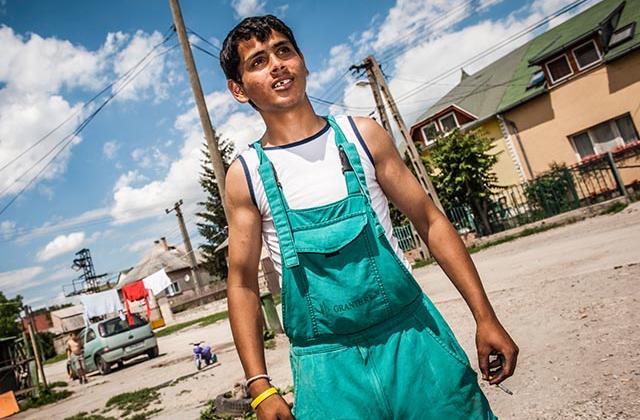
    This report presents findings from FRA’s 2021 survey on Roma in Croatia, Czechia, Greece, Hungary, Italy, Portugal, Romania and Spain, as well as in North Macedonia and Serbia. The survey includes interviews with more than 8,400 Roma, collecting information on more than 20,000 individuals living in their households. By focusing on Roma, the survey provides unique data and information that are not available from European general population surveys, which do not disaggregate on grounds of ethnic origin. The findings present a bleak but familiar picture of exclusion, deprivation, discrimination and racism.
  • Fundamental Rights Report
    8
    June
    2022
    En el año 2021 se produjeron tanto avances como retrocesos en materia de protección de derechos fundamentales. El Informe sobre los derechos fundamentales 2022 de la Agencia de los Derechos Fundamentales de la Unión Europea (FRA) analiza los principales acontecimientos en este ámbito, destacando tanto los progresos realizados como las dificultades que todavía persisten. La publicación presenta los dictámenes de la FRA sobre los principales avances realizados en los ámbitos temáticos contemplados, así como un resumen de las pruebas que avalan tales dictámenes. Esto permite disponer de una visión de conjunto, compacta, pero muy ilustrativa, de los principales desafíos en materia de derechos fundamentales a los que se enfrentan la Unión Europea (UE) y sus Estados miembros.
  • Report / Paper / Summary
    7
    July
    2021
    Italian version now available
    12 September 2022
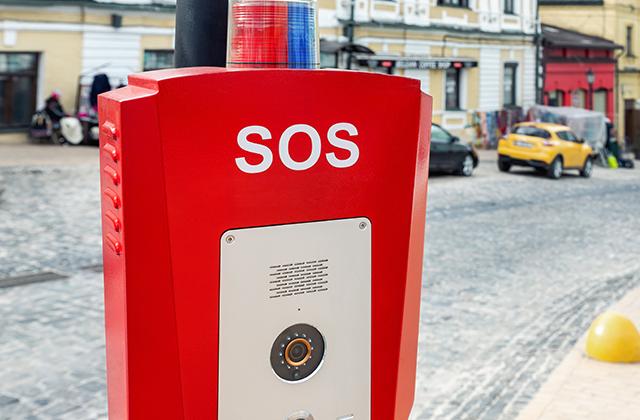
    This report examines why victims do not report bias-motivated incidents and the barriers that they face when reporting incidents through national crime reporting systems. By mapping existing practices that have a bearing on the victim’s experiences when reporting bias-motivated violence and harassment, it aims to provide evidence to support national efforts to encourage and facilitate reporting – and ultimately assist Member States in delivering on their duties with regard to combating hate crime.
  • Handbook / Guide / Manual
    21
    March
    2018
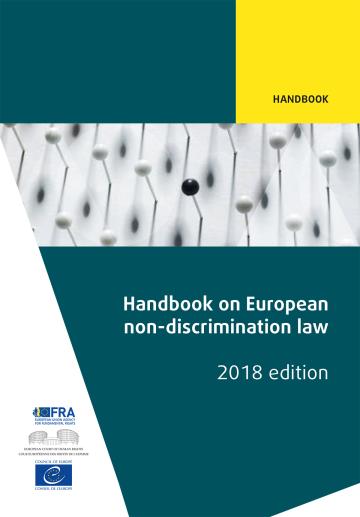
    La legislación europea contra la discriminación, integrada por las Directivas de la UE en materia de no discriminación y el artículo 14 y el Protocolo n.o 12 del Convenio Europeo de Derechos Humanos, prohíben la discriminación en una gama de contextos y por una serie de motivos. En este manual se analiza la legislación europea contra la discriminación derivada de estas dos fuentes, que funcionan como sistemas complementarios, acudiendo indistintamente a uno u otro en los casos en que se superpongan y resaltando también las diferencias existentes.
  • Report / Paper / Summary
    8
    March
    2021
    Este resumen presenta las principales percepciones
    del segundo informe de la FRA basado en su
    Encuesta sobre los derechos fundamentales. La
    encuesta recabó datos de unas 35 000 personas
    sobre sus experiencias, percepciones y opiniones
    en relación con una serie de cuestiones
    relacionadas, de diversas maneras, con los
    derechos humanos.
  • Report / Paper / Summary
    16
    December
    2020
    Este resumen presenta las principales percepciones
    del primer informe de la Agencia de los Derechos
    Fundamentales de la Unión Europea (FRA) basado
    en su encuesta sobre los derechos fundamentales.
    La encuesta recabó datos de unas 35 000 personas
    sobre sus experiencias, percepciones y opiniones
    en relación con una serie de cuestiones
    relacionadas, de diversas maneras, con los
    derechos humanos.
  • Report / Paper / Summary
    21
    January
    2021
    German language version now available
    26 January 2021
    Las instituciones nacionales de derechos humanos (INDH) constituyen una parte esencial del sistema de protección de los derechos humanos en cada país. Con su trabajo de sensibilización, asesoramiento, supervisión y exigencia de rendición de
    cuentas a las autoridades, estas instituciones desempeñan un papel fundamental a la hora de abordar los grandes retos actuales en materia de derechos humanos, al ocuparse tanto de problemáticas recurrentes, tales como la discriminación y la
    desigualdad, como de problemas de reciente aparición como las implicaciones desde el punto de vista de los derechos de la inteligencia artificial y de la pandemia de la COVID-19.
  • Handbook / Guide / Manual
    5
    December
    2018
    Last versions available are EL and NL
    11 March 2021
    En esta guía se explica qué es la elaboración de perfiles, los marcos jurídicos que la regulan, y por qué llevarla a cabo de manera lícita no solo es necesario para respetar los derechos fundamentales, sino también crucial para la eficacia de la actuación policial y la gestión de fronteras. Esta guía contiene también orientaciones prácticas sobre cómo evitar la utilización ilícita de perfiles en las operaciones de vigilancia policial y gestión de fronteras.