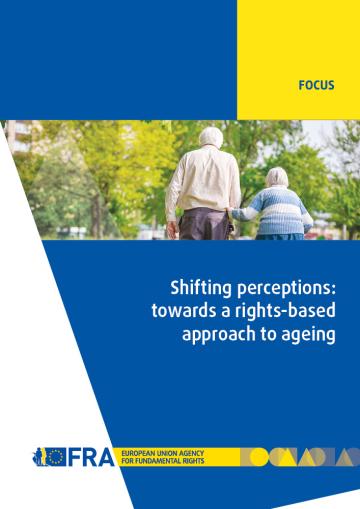
European societies are not getting any younger! It is a simple truth we must face both about ourselves and Europe as a whole. In two generations, by 2080, those aged 65 or above will account for almost 30% of the European Union’s population.
Het jaar 2017 kende zowel voor- als achteruitgang in de bescherming van grondrechten. Het Verslag over de grondrechten 2018 van het FRA evalueert de belangrijkste ontwikkelingen op het gebied van de grondrechten, waarbij niet alleen wordt ingegaan op de successen die zijn behaald, maar ook wordt gewezen op de resterende punten van zorg.
We live in a world of big data, where technological developments in the area of machine learning and artificial intelligence have changed the way we live. Decisions and processes concerning everyday life are increasingly automated, based on data. This affects fundamental rights in various ways. This focus paper specifically deals with discrimination, a fundamental rights area particularly affected by technological developments.
Maatschappelijke organisaties in de Europese Unie spelen een cruciale rol bij de bevordering van grondrechten, maar het is moeilijker geworden voor hen om dat te doen – wegens
zowel wettelijke als praktische beperkingen. In alle lidstaten van de EU zijn er uitdagingen, maar de precieze aard en omvang ervan verschillen. Gegevens en onderzoek op dit gebied –
inclusief vergelijkend onderzoek – ontbreken over het algemeen.
In het verslag van het FRA wordt daarom gekeken naar de verschillende soorten en patronen van uitdagingen waarmee maatschappelijke organisaties die zich inzetten voor de mensenrechten in de EU, worden geconfronteerd. In het verslag wordt ook de aandacht gevestigd op veelbelovende praktijken die deze zorgwekkende patronen kunnen tegengaan.
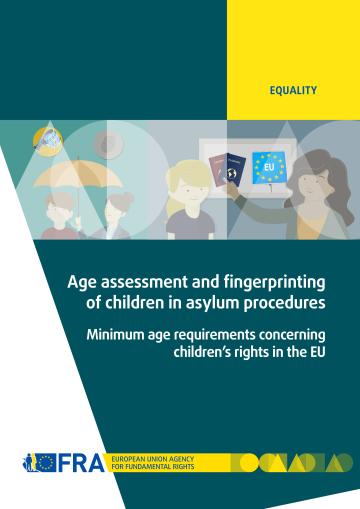
The methods used to determine the age of
an applicant may include “invasive” medical tests which interfere with the rights of the child, including their right to dignity,
integrity and privacy. It is often a challenge to find the right balance between protecting children from harm and promoting
their participation in these procedures. This report provides important insights and identifies the implications of collecting
children’s biometric data and conducting age assessments.
The right to access justice and all other relevant procedural rights are not just rights in themselves; they also protect against violations of every other right. Respect for children’s rights in the area of justice is therefore essential. International treaties, the Charter of Fundamental Rights of the European Union, European Union (EU) secondary law, and national legislation provide a number of relevant rights.
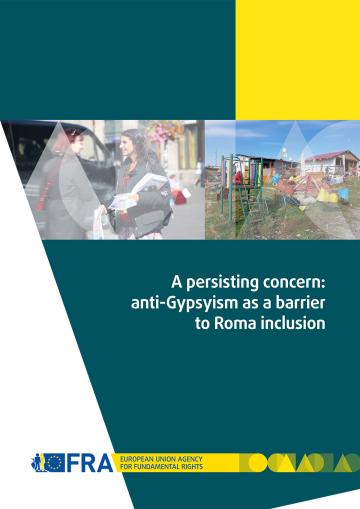
Despite ambitious initiatives, the fundamental rights situation of Roma in the EU remains profoundly troubling. This report examines the persisting phenomenon of anti-Gypsyism and its effect on Roma inclusion efforts. It first presents data on key manifestations of anti-Gypsyism, namely discrimination, harassment and hate crime.
Het Europese non-discriminatierecht, dat met name wordt gevormd door de EU-richtlijnen inzake non-discriminatie en door artikel 14 van en protocol 12 bij het Europese Verdrag tot bescherming van de rechten van de mens, verbiedt discriminatie op basis van diverse contexten en gronden. Dit handboek onderzoekt het Europees non-discriminatierecht dat voortvloeit uit deze twee complementaire bronnen, en maakt daarbij geen onderscheid tussen beide, tenzij daar waar ze van elkaar afwijken.
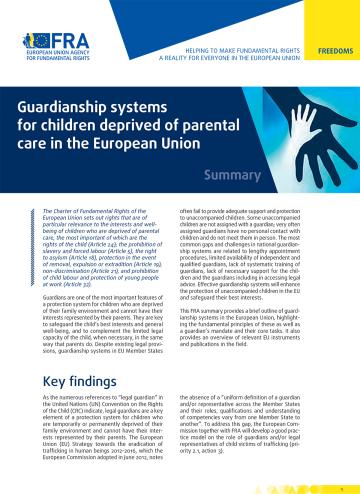
Guardians are a key element of a protection system for children who are temporarily or
permanently deprived of their family environment and cannot have their interests represented
by their parents. Great disparities exist between the types of guardianship provided
to children in and within European Union (EU) Member States. This report explores the key
features of guardianship systems put in place to cater for the needs of all children in need
of protection, including child victims and those at risk of becoming victims of trafficking in
human beings or of other forms of exploitation.


 Report / Paper / Summary3March2026
 Report / Paper / Summary27January2026
 Report / Paper / Summary27November2025