Le présent résumé présente les principaux
enseignements tirés du premier rapport de la FRA
inspiré de son enquête sur les droits
fondamentaux. L’enquête a recueilli des données
auprès de quelque 35 000 personnes sur leurs
expériences, leurs perceptions et leurs opinions au
sujet d’un ensemble de questions relevant, à des
degrés divers, des droits humains.
U ovom se sažetku iznose glavni zaključci FRA-ina
prvog izvješća na temelju istraživanja o temeljnim
pravima. U okviru istraživanja prikupljeni su podatci
o iskustvima, percepciji i mišljenju oko
35 000 osoba o nizu pitanja koja su na različite
načine obuhvaćena pojmom ljudskih prava.
Ez az összefoglaló az FRA által az alapjogi
felméréséről készített első jelentés legfontosabb
meglátásait mutatja be. A felmérés során mintegy
35 000 embertől gyűjtöttek adatokat számos, az
emberi jogokra különböző mértékben kiterjedő
kérdéssel kapcsolatos tapasztalataikról,
észrevételeikről és véleményeikről.
La presente sintesi illustra le principali indicazioni
contenute nella prima relazione della FRA basata
sull’indagine sui diritti fondamentali. Ai fini
dell’indagine sono stati raccolti dati intervistando
circa 35 000 persone sulle loro esperienze,
percezioni e opinioni riguardanti una serie di
questioni variamente correlate con i diritti umani.
Šioje santraukoje pateikiamos pagrindinės FRA
pirmos ataskaitos, grindžiamos pagrindinių teisių
tyrimu, įžvalgos. Tyrimo metu iš maždaug 35 000
žmonių surinkti duomenys apie jų patirtį, suvokimą
ir nuomonę tam tikrais klausimais, įvairiai
susijusiais su žmogaus teisėmis.
Šajā kopsavilkumā izklāstītas galvenās atziņas no
FRA pirmā ziņojuma, kura pamatā ir Pamattiesību
apsekojums. Apsekojumā tika apkopoti dati no
aptuveni 35 000 cilvēku par viņu pieredzi, uztveri
un viedokļiem par virkni jautājumu, kuri dažādos
veidos ir daļa no cilvēktiesībām.
In deze samenvatting worden de belangrijkste
inzichten uit het eerste verslag van het FRA op
basis van zijn enquête over de grondrechten
gepresenteerd. Met deze enquête zijn van
ongeveer 35 000 mensen gegevens verzameld
over hun ervaringen, belevingen en opvattingen
met betrekking tot allerlei kwesties die op
verschillende manieren te maken hebben met
mensenrechten.
W niniejszym streszczeniu zaprezentowano główne
spostrzeżenia zawarte w pierwszym sprawozdaniu
FRA z przeprowadzonego badania dotyczącego praw
podstawowych. W ramach badania zebrano
informacje od około 35 tys. osób dotyczące ich
doświadczeń, poglądów i opinii na temat szeregu
kwestii w różny sposób związanych z prawami
człowieka.
A presente síntese expõe as principais perspetivas
do primeiro relatório da FRA baseado no seu
Inquérito sobre os Direitos Fundamentais.
O inquérito recolheu dados de cerca de 35 000
pessoas sobre as suas experiências, perceções
e opiniões em relação a uma pluralidade de
questões que estão enquadradas de diversos
modos nos direitos humanos.
Rezumatul de față prezintă principalele constatări
ale primului raport întocmit de FRA pe baza
Sondajului privind drepturile fundamentale.
Sondajul a colectat date de la aproximativ 35 000
de persoane referitor la experiențele, la percepțiile
și la opiniile acestora cu privire la o serie de
aspecte care intră în sfera drepturilor omului sub
diverse forme.
V tomto zhrnutí sú uvedené hlavné poznatky
z prvej správy agentúry FRA založenej na
prieskume základných práv, ktorý uskutočnila
agentúra. V prieskume boli zhromaždené údaje
približne od 35 000 osôb o skúsenostiach, vnímaní
a názoroch týkajúcich sa celého radu záležitostí,
ktoré sa rôznym spôsobom týkajú ľudských práv.
V tem povzetku so predstavljeni glavni uvidi iz
prvega poročila agencije FRA na podlagi njene
raziskave o temeljnih pravicah. V raziskavi so bili
pri približno 35 000 ljudeh zbrani podatki o njihovih
izkušnjah, dojemanju in mnenjih v zvezi z vrsto
vprašanj, ki se na različne načine nanašajo na
človekove pravice.
Den här sammanfattningen innehåller de viktigaste
lärdomarna från FRA:s första rapport, baserad
på undersökningen om de grundläggande
rättigheterna. I undersökningen samlades data in
från runt 35 000 människor om deras erfarenheter
av, inställning till och åsikter om en mängd frågor
som på olika sätt rör de mänskliga rättigheterna.
Artificial intelligence (AI) already plays a role in deciding what unemployment benefits someone gets, where a burglary is likely to take place, whether someone is at risk of cancer, or who sees that catchy advertisement for low mortgage rates. Its use keeps growing, presenting seemingly endless possibilities. But we need to make sure to fully uphold fundamental rights standards when using AI. This report presents concrete examples of how companies and public administrations in the EU are using, or trying to use, AI. It focuses on four core areas – social benefits, predictive policing, health services and targeted advertising.
V tem poročilu so predstavljeni konkretni primeri, kako podjetja in javne uprave v Evropski uniji (EU) uporabljajo ali poskušajo uporabljati umetno inteligenco. Obravnavane so možne posledice za temeljne pravice, prav tako je prikazano, ali uporabniki umetne inteligence upoštevajo pravice in na kakšen način.
This report outlines some of the measures EU Member States have put in place to protect public health as Europe faces the ‘second wave’ of the Coronavirus pandemic. It highlights how these may affect fundamental rights, especially social rights.
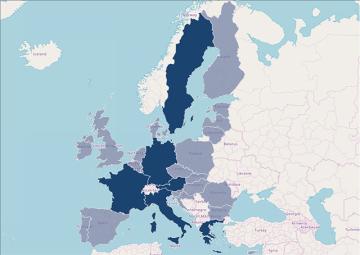
The EU Fundamental Rights Agency published in 2019 its report on the ‘Integration of young refugees in the EU’. The report explored the challenges of young people who fled armed conflict or persecution and arrived in the EU in 2015 and 2016. The report is based on 426 interviews with experts working in the area of asylum and integration, as well as 163 interviews with young people, aged 16 to 24, conducted between October 2017 and June 2018 in 15 regions and cities located in six Member States: Austria, France, Germany, Greece, Italy and Sweden. The links on this page provide a summary of the information collected during this period for each country about unaccompanied children turning 18 and the change in people’s legal status once international protection is granted. These two issues had at the time been identified as moments requiring sufficient, consistent and systematic support, particularly from lawyers, social workers and guardians, to ensure successful integration.
Business activity affects not just customers, employees, and contractors along supply chains, but often entire communities and the environment. This makes it vital that every business complies with human rights. This comparative report looks at the realities victims face when they seek redress for business-related human rights abuses. It presents the findings of fieldwork research on the views of professionals regarding the different ways people can pursue complaints. The findings highlight that obstacles to achieving justice are often multi-layered.
Often living in substandard and overcrowded housing conditions, Roma and Travellers face an increased risk of contracting COVID-19. They are also disproportionately affected by measures taken to contain the virus. This FRA Bulletin takes a closer look at this reality in 15 EU Member States, focusing on education; employment; poverty; healthcare; housing; and anti-Gypsyism. It also outlines civil society efforts to tackle the diverse challenges triggered by the Coronavirus pandemic.
This report presents findings from FRA’s 2019 survey on Roma and Travellers in Belgium, France, Ireland, the Netherlands, Sweden and the United Kingdom. The survey included interviews with almost 4,700 Roma and Travellers, collecting information on more than 8,200 individuals living in their households.