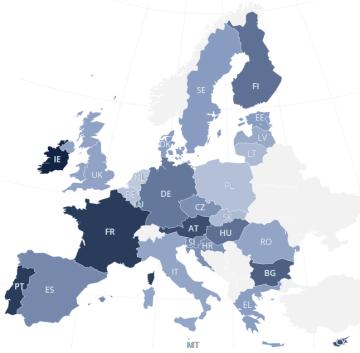
European societies are not getting any younger! It is a simple truth we must face both about ourselves and Europe as a whole. In two generations, by 2080, those aged 65 or above will account for almost 30% of the European Union’s population.
2017 r. przyniósł zarówno postęp, jak i regres pod względem ochrony praw podstawowych. Sprawozdanie FRA na temat praw podstawowych z 2018 r. zawiera przegląd najważniejszych zmian, jakie miały miejsce w tym obszarze,
wskazując zarówno na osiągnięcia, jak i kwestie, które nadal wymagają stosownych działań.
We live in a world of big data, where technological developments in the area of machine learning and artificial intelligence have changed the way we live. Decisions and processes concerning everyday life are increasingly automated, based on data. This affects fundamental rights in various ways. This focus paper specifically deals with discrimination, a fundamental rights area particularly affected by technological developments.
Organizacje społeczeństwa obywatelskiego w Unii Europejskiej odgrywają kluczową rolę w promowaniu praw podstawowych, lecz misja ta staje się coraz bardziej utrudniona zarówno ze względu na ograniczenia prawne, jak i praktyczne. Chociaż wyzwania istnieją we wszystkich państwach członkowskich UE, ich dokładny charakter i zasięg są zróżnicowane. Zasadniczo brakuje danych i badań na ten temat, w tym badań porównawczych.
Dlatego też sprawozdanie FRA analizuje różne rodzaje i wzorce wyzwań stojących przed organizacjami społeczeństwa obywatelskiego działającymi na rzecz praw człowieka w UE. Podkreśla ono także obiecujące praktyki, które mogą tym niepokojącym wzorcom przeciwdziałać.
The methods used to determine the age of
an applicant may include “invasive” medical tests which interfere with the rights of the child, including their right to dignity,
integrity and privacy. It is often a challenge to find the right balance between protecting children from harm and promoting
their participation in these procedures. This report provides important insights and identifies the implications of collecting
children’s biometric data and conducting age assessments.
The right to access justice and all other relevant procedural rights are not just rights in themselves; they also protect against violations of every other right. Respect for children’s rights in the area of justice is therefore essential. International treaties, the Charter of Fundamental Rights of the European Union, European Union (EU) secondary law, and national legislation provide a number of relevant rights.
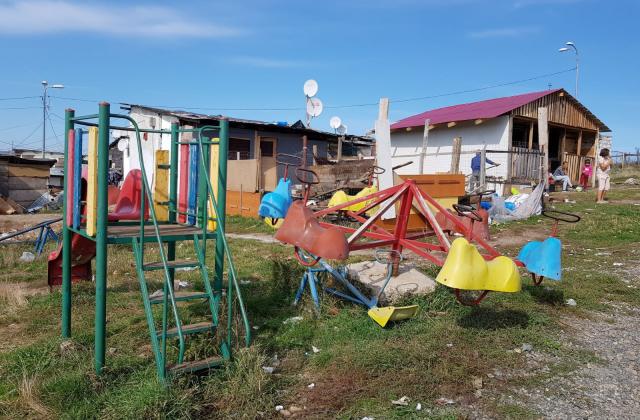
Despite ambitious initiatives, the fundamental rights situation of Roma in the EU remains profoundly troubling. This report examines the persisting phenomenon of anti-Gypsyism and its effect on Roma inclusion efforts. It first presents data on key manifestations of anti-Gypsyism, namely discrimination, harassment and hate crime.
Europejskie prawo antydyskryminacyjne, ukonstytuowane w szczególności w unijnych dyrektywach dotyczących niedyskryminacji oraz art. 14 i Protokole nr 12 do Konwencji o ochronie praw człowieka i podstawowych wolności, zakazuje dyskryminacji w różnych kontekstach i z różnych przyczyn. W niniejszym podręczniku przeanalizowano europejskie prawo antydyskryminacyjne pochodzące z tych dwóch uzupełniających się źródeł, sięgając do nich wymiennie w tych obszarach, w których się pokrywają, i podkreślając istniejące różnice.
Guardians are a key element of a protection system for children who are temporarily or
permanently deprived of their family environment and cannot have their interests represented
by their parents. Great disparities exist between the types of guardianship provided
to children in and within European Union (EU) Member States. This report explores the key
features of guardianship systems put in place to cater for the needs of all children in need
of protection, including child victims and those at risk of becoming victims of trafficking in
human beings or of other forms of exploitation.


 Report / Paper / Summary3March2026
 Report / Paper / Summary27January2026
 Report / Paper / Summary27November2025