Home

User menu

Select site language

  • Български
  • Čeština
  • Dansk
  • Deutsch
  • Ελληνικά
  • English
  • Español
  • Eesti
  • Suomi
  • Français
  • Gaeilge
  • Hrvatski
  • Magyar
  • Italiano
  • Lietuvių
  • Latviešu
  • Malti
  • Nederlands
  • Polski
  • Português
  • Română
  • Slovenčina
  • Slovenščina
  • Svenska

Custom topbar revamped

Home

Search the FRA website

  • Work on rights
    • Azil, migracije in meje
      • Dostop do azila
      • Meje in informacijski sistemi
      • Zaščita otrok
      • Nezakonite migracije, vračanje in pridržanje migrantov
      • Zakonite migracije in vključevanje
      • Trgovina z ljudmi in izkoriščanje delovne sile
    • Varstvo podatkov, zasebnost in nove tehnologije
      • Umetna inteligenca in velepodatki
      • Meje in informacijski sistemi
      • Varstvo podatkov
      • Nezakonito profiliranje
    • Environmental and social sustainability
      • Business and human rights
      • Climate change and environmental protection
      • Consumer protection
      • Human rights due diligence
      • Just and green transition
    • Enakost, nediskriminacija in rasizem
      • Otroci, mladina in starejši ljudje
      • Kazniva dejanja iz sovraštva
      • Invalidne osebe
      • Rasno in etnično poreklo
      • Vera in prepričanja
      • Romi
      • Spol, spolna usmerjenost in spolna identiteta
    • Pravno varstvo, pravice žrtev in pravosodno sodelovanje
      • Podjetništvo in človekove pravice
      • Sodno varstvo v civilnih zadevah
      • Pravice obtožencev
      • Pravosodno sodelovanje in vladavina prava
      • Varnost
      • Pravice žrtev
    • Podpora za sisteme in branilce človekovih pravic
      • Civilna družba
      • Listina EU o temeljnih pravicah
      • Medvladni sistemi za človekove pravice
      • Nacionalni sistemi in organi za človekove pravice
  • Listina EU o temeljnih pravicah
    • Preambula
    • Naslov I: Dostojanstvo
      • Article 1 - Človekovo dostojanstvo
      • Article 2 - Pravica do življenja
      • Article 3 - Pravica do osebne celovitosti
      • Article 4 - Prepoved mučenja in nečloveškega ali ponižujočega ravnanja ali kaznovanja
      • Article 5 - Prepoved suženjstva in prisilnega dela.
    • Naslov II: Svoboščine
      • Article 6 - Pravica do svobode in varnosti
      • Article 7 - Spoštovanje zasebnega in družinskega življenja
      • Article 8 - Varstvo osebnih podatkov
      • Article 9 - Pravica sklepanja zakonske zveze in pravica ustvarjanja družine
      • Article 10 - Svoboda misli, vesti in vere
      • Article 11 - Svoboda izražanja in obveščanja
      • Article 12 - Svoboda zbiranja in združevanja
      • Article 13 - Svoboda umetnosti in znanosti
      • Article 14 - Pravica do izobraževanja
      • Article 15 - Svoboda izbire poklica in pravica do dela
      • Article 16 - Svoboda gospodarske pobude
      • Article 17 - Lastninska pravica
      • Article 18 - Pravica do azila
      • Article 19 - Varstvo v primeru odstranitve, izgona ali izročitve
    • Naslov III: Enakost
      • Article 20 - Enakost pred zakonom
      • Article 21 - Prepoved diskriminacije
      • Article 22 - Kulturna, verska in jezikovna raznolikost
      • Article 23 - Enakost žensk in moških
      • Article 24 - Pravice otroka
      • Article 25 - Pravice starejših
      • Article 26 - Vključenost invalidov
    • Naslov IV: Solidarnost
      • Article 27 - Pravica delavcev do obveščenosti in posvetovanja v podjetju
      • Article 28 - Pravica do kolektivnih pogajanj in ukrepov
      • Article 29 - Pravica dostopa do služb za posredovanje zaposlitev
      • Article 30 - Varstvo v primeru neupravičene odpustitve
      • Article 31 - Pošteni in pravični delovni pogoji
      • Article 32 - Prepoved dela otrok in varstvo mladih pri delu
      • Article 33 - Družinsko in poklicno življenje
      • Article 34 - Socialna varnost in socialna pomoč
      • Article 35 - Varovanje zdravja
      • Article 36 - Dostop do storitev splošnega gospodarskega pomena
      • Article 37 - Varstvo okolja
      • Article 38 - Varstvo potrošnikov
    • Naslov V: Pravice Državljanov
      • Article 39 - Pravica voliti in biti voljen na volitvah v Evropski parlament
      • Article 40 - Pravica voliti in biti voljen na občinskih volitvah
      • Article 41 - Pravica do dobrega upravljanja
      • Article 42 - Pravica dostopa do dokumentov
      • Article 43 - Evropski varuh človekovih pravic
      • Article 44 - Pravica do peticije
      • Article 45 - Svoboda gibanja in prebiva
      • Article 46 - Diplomatska in konzularna zaščita
    • Naslov VI: Sodno Varstvo
      • Article 47 - Pravica do učinkovitega pravnega sredstva in nepristranskega sodišča
      • Article 48 - Domneva nedolžnosti in pravica do obrambe
      • Article 49 - Načeli zakonitosti in sorazmernosti kaznivih dejanj in kazni
      • Article 50 - Pravica, da se za isto kaznivo dejanje kazensko ne preganja ali kaznuje dvakrat
    • Naslov VII: Splošne določbe
      • Article 51 - Področje uporabe
      • Article 52 - Obseg pravic in načel ter njihova razlaga
      • Article 53 - Raven varstva
      • Article 54 - Prepoved zlorabe pravic
  • Gradivo
    • Publication types
      • Report / Paper / Summary
      • Guide / Handbook / Manual
      • Fundamental Rights Report
      • Opinion / Position paper
      • Factsheet / In Brief
    • All publications and data
      • Publications
      • Data
      • Videos
  • Tools
    • Anti-Muslim hatred database
    • Case-law database
    • Charterpedia
    • Criminal detention database
    • Data visualisation
    • Equality data collection: promising practices
    • EU Fundamental Rights Information System - EFRIS
    • Fighting hate crime: promising practices
    • FRA e-learning platform
    • National human rights structures navigator
  • Newsroom
    • Media contacts
    • News
    • Press releases
    • Stories
    • Events
      • Past Events
    • FRA products 2026
      • FRA products 2025
      • FRA products 2024
      • FRA products 2023
      • FRA products 2022
      • FRA products 2021
      • FRA Products 2020
      • FRA Products 2019
    • Multimedia
      • Videos
      • Infographics
      • Podcasts
    • Speeches
    • Press packs
      • EU LGBTIQ survey - Press pack
      • Fundamental Rights Survey
      • EU LGBTI survey II
      • From institutions to community living for persons with disabilities: perspectives from the ground
      • Second European Union Minorities and Discrimination Survey – Main results
      • Second European Union Minorities and Discrimination Survey (EU-MIDIS II) Muslims
      • Together in the EU: Promoting the participation of migrants and their descendants
      • Second European Union Minorities and Discrimination Survey (EU-MIDIS II) Roma
      • Severe labour exploitation in the EU
      • Child-friendly justice – perspectives and experiences of professionals: Press pack
      • Fundamental rights at EU borders
      • Violence against women press pack
      • Jewish people’s experiences and perceptions of hate crime, discrimination and antisemitism
      • EU LGBT Press pack
      • Child-friendly justice – perspectives and experiences of children
    • Newsletter
  • Sodelovanje
  • O FRA
    • Who we are
      • Structure of FRA
      • Management Board
        • Management Board members
        • Management Board meeting documents
      • Executive Board
      • Scientific Committee
        • Scientific Committee members
      • Director
      • Management team
    • What we do
      • Research and data
      • FRA for children
        • What are my rights?
        • Where do my rights come from?
      • Areas of work
      • Work Programme
        • Archive
      • Annual Activity report
        • Archive
      • Projects
    • Working at FRA
      • Vacancies and selections
        • Previous vacancies
      • What we offer
      • Work-life balance
      • Application instructions
      • Seconded National Experts
      • Traineeship
      • Study visits at FRA
    • Procurement
      • Ongoing procedures
      • Closed procedures
      • Contracts awarded
    • Finance and budget
      • Financial Rules
      • Financial documents
    • Dostop do dokumentov
      • Access to documents
      • Prošnjo za dostop do dokumentov
    • Data protection within FRA
      • Records registry
  • Account
    • Log in

Main Revamped menu

  • Work on rights

    Work on Rights

    FRA aims to build a culture of fundamental rights in the EU.

    Browse all work areas
    • Azil, migracije in meje
    • Varstvo podatkov, zasebnost in nove tehnologije
    • Environmental and social sustainability
    • Enakost, nediskriminacija in rasizem
    • Pravno varstvo, pravice žrtev in pravosodno sodelovanje
    • Podpora za sisteme in branilce človekovih pravic
    Azil, migracije in meje
    • Dostop do azila
    • Meje in informacijski sistemi
    • Zaščita otrok
    • Nezakonite migracije, vračanje in pridržanje migrantov
    • Zakonite migracije in vključevanje
    • Trgovina z ljudmi in izkoriščanje delovne sile
    Varstvo podatkov, zasebnost in nove tehnologije
    • Umetna inteligenca in velepodatki
    • Meje in informacijski sistemi
    • Varstvo podatkov
    • Nezakonito profiliranje
    Environmental and social sustainability
    • Business and human rights
    • Climate change and environmental protection
    • Consumer protection
    • Human rights due diligence
    • Just and green transition
    Enakost, nediskriminacija in rasizem
    • Otroci, mladina in starejši ljudje
    • Kazniva dejanja iz sovraštva
    • Invalidne osebe
    • Rasno in etnično poreklo
    • Vera in prepričanja
    • Romi
    • Spol, spolna usmerjenost in spolna identiteta
    Pravno varstvo, pravice žrtev in pravosodno sodelovanje
    • Podjetništvo in človekove pravice
    • Sodno varstvo v civilnih zadevah
    • Pravice obtožencev
    • Pravosodno sodelovanje in vladavina prava
    • Varnost
    • Pravice žrtev
    Podpora za sisteme in branilce človekovih pravic
    • Civilna družba
    • Listina EU o temeljnih pravicah
    • Medvladni sistemi za človekove pravice
    • Nacionalni sistemi in organi za človekove pravice
  • Listina EU o temeljnih pravicah

    EU Charter of Fundamental Rights

    • EU Charter and Charter resources
    • Explore the EU Charter through Charterpedia
    • FRA Charter material and tools
    • Preambula
    • Naslov I: Dostojanstvo
    • Naslov II: Svoboščine
    • Naslov III: Enakost
    • Naslov IV: Solidarnost
    • Naslov V: Pravice Državljanov
    • Naslov VI: Sodno Varstvo
    • Naslov VII: Splošne določbe
    Naslov I: Dostojanstvo
    • Article 1 - Človekovo dostojanstvo
    • Article 2 - Pravica do življenja
    • Article 3 - Pravica do osebne celovitosti
    • Article 4 - Prepoved mučenja in nečloveškega ali ponižujočega ravnanja ali kaznovanja
    • Article 5 - Prepoved suženjstva in prisilnega dela.
    Naslov II: Svoboščine
    • Article 6 - Pravica do svobode in varnosti
    • Article 7 - Spoštovanje zasebnega in družinskega življenja
    • Article 8 - Varstvo osebnih podatkov
    • Article 9 - Pravica sklepanja zakonske zveze in pravica ustvarjanja družine
    • Article 10 - Svoboda misli, vesti in vere
    • Article 11 - Svoboda izražanja in obveščanja
    • Article 12 - Svoboda zbiranja in združevanja
    • Article 13 - Svoboda umetnosti in znanosti
    • Article 14 - Pravica do izobraževanja
    • Article 15 - Svoboda izbire poklica in pravica do dela
    • Article 16 - Svoboda gospodarske pobude
    • Article 17 - Lastninska pravica
    • Article 18 - Pravica do azila
    • Article 19 - Varstvo v primeru odstranitve, izgona ali izročitve
    Naslov III: Enakost
    • Article 20 - Enakost pred zakonom
    • Article 21 - Prepoved diskriminacije
    • Article 22 - Kulturna, verska in jezikovna raznolikost
    • Article 23 - Enakost žensk in moških
    • Article 24 - Pravice otroka
    • Article 25 - Pravice starejših
    • Article 26 - Vključenost invalidov
    Naslov IV: Solidarnost
    • Article 27 - Pravica delavcev do obveščenosti in posvetovanja v podjetju
    • Article 28 - Pravica do kolektivnih pogajanj in ukrepov
    • Article 29 - Pravica dostopa do služb za posredovanje zaposlitev
    • Article 30 - Varstvo v primeru neupravičene odpustitve
    • Article 31 - Pošteni in pravični delovni pogoji
    • Article 32 - Prepoved dela otrok in varstvo mladih pri delu
    • Article 33 - Družinsko in poklicno življenje
    • Article 34 - Socialna varnost in socialna pomoč
    • Article 35 - Varovanje zdravja
    • Article 36 - Dostop do storitev splošnega gospodarskega pomena
    • Article 37 - Varstvo okolja
    • Article 38 - Varstvo potrošnikov
    Naslov V: Pravice Državljanov
    • Article 39 - Pravica voliti in biti voljen na volitvah v Evropski parlament
    • Article 40 - Pravica voliti in biti voljen na občinskih volitvah
    • Article 41 - Pravica do dobrega upravljanja
    • Article 42 - Pravica dostopa do dokumentov
    • Article 43 - Evropski varuh človekovih pravic
    • Article 44 - Pravica do peticije
    • Article 45 - Svoboda gibanja in prebiva
    • Article 46 - Diplomatska in konzularna zaščita
    Naslov VI: Sodno Varstvo
    • Article 47 - Pravica do učinkovitega pravnega sredstva in nepristranskega sodišča
    • Article 48 - Domneva nedolžnosti in pravica do obrambe
    • Article 49 - Načeli zakonitosti in sorazmernosti kaznivih dejanj in kazni
    • Article 50 - Pravica, da se za isto kaznivo dejanje kazensko ne preganja ali kaznuje dvakrat
    Naslov VII: Splošne določbe
    • Article 51 - Področje uporabe
    • Article 52 - Obseg pravic in načel ter njihova razlaga
    • Article 53 - Raven varstva
    • Article 54 - Prepoved zlorabe pravic
  • Gradivo

    Gradivo

    • Fundamental Rights Report - Challenges and Achievements in 2025 - Cover
      Fundamental Rights Report

      Fundamental Rights Report - Challenges and achievements in 2025

      11
      June
      2026

    Publication types

    • Report / Paper / Summary
    • Guide / Handbook / Manual
    • Fundamental Rights Report
    • Opinion / Position paper
    • Factsheet / In Brief

    All publications and data

    • Publications
    • Data
    • Videos
    Search publication and data
  • Tools

    Tools

    A collection of tools and databases by the FRA on various human rights-related topics.

    • Data explorer

      EU Survey on Immigrants and Descendants of Immigrants (EU-MIDIS III)

    • Anti-Muslim hatred database
    • Case-law database
    • Charterpedia
    • Criminal detention database
    • Data visualisation
    • Equality data collection: promising practices
    • EU Fundamental Rights Information System - EFRIS
    • Fighting hate crime: promising practices
    • FRA e-learning platform
    • National human rights structures navigator
  • Newsroom
  • Sodelovanje
  • O FRA

You are here

  • Home
  • Work On Rights
  • Environmental and social sustainability
  • Climate change and environmental protection
  • Towards a fundamental rights-compliant European Green Deal
Report / Paper / Summary
15
January
2025

Towards a fundamental rights-compliant European Green Deal

Climate change affects the daily lives of everyone in the EU and has significant environmental, economic, social and health impacts. To tackle this, the European Green Deal was adopted in 2019. This report examines the Green Deal from a fundamental rights perspective, with the aim of protecting the right to a safe, clean, healthy and sustainable environment for all. It highlights the lack of fundamental rights in EU climate policy and the need to incorporate these rights into future legislation. It also considers how applying a human-rights-based approach to climate policy could support a fair and inclusive transition.
Towards a fundamental rights-compliant European Green Deal
glebzter/AdobeStock
Read news item
  • Read Online
  • Related Content

TABLE OF CONTENT

  • Introduction
  • 1. A human-rights-based approach to the Green Deal
  • 2. The human right to a safe, clean, healthy and sustainable environment
    • 2.1. The European Union’s commitment to environmental protection
    • 2.2. International recognition of the human right to a safe, clean, healthy and sustainable environment
    • 2.3. The Council of Europe and the human right to a safe, clean, healthy and sustainable environment
  • 3. The Green Deal through a fundamental rights lens
    • 3.1. EU funds and the common provisions regulation
      • 3.1.1. Just Transition Mechanism & Social Climate Fund
      • 3.1.2. Recovery and Resilience Facility
    • 3.2. EU action to address energy poverty
    • 3.3. The European Pillar of Social Rights
    • 3.4. The EU environment action programme to 2030
  • 4. Challenges from existing EU legislation and policies
    • 4.1. Reinforcing existing inequalities through the green transition
    • 4.2. Climate change, health and impact on vulnerable groups
    • 4.3. Energy poverty and fundamental rights
    • 4.4. Employment and green jobs in the just transition
    • 4.5. Equal access to essential services
    • 4.6. Monitoring the just transition
  • Ways forward
    • Systematic integration of fundamental rights in the EU’s green transition
    • Effective application of fundamental rights as enabling conditions of EU funds
    • A monitoring framework for a just transition
    • Ensure effective participation
    • Access to justice and adequate enforcement
  • Abbreviations
  • About this publication
Search inside this publication
Export to PDF


Introduction

With temperatures rising and the rate and severity of natural disasters increasing, efforts to mitigate the impacts of climate change are accelerating. Pursuant to its commitments under the Paris Agreement, the European Union (EU) has adopted a broad range of measures to reduce greenhouse gas emissions while transitioning the economy and the overall way of life to more sustainable and ‘green’ sources and ways.

The European Green Deal was adopted in 2019, aimed at setting the EU on the path to a green transition. It is the EU’s principal strategic measure designed to transform the EU into a modern, resource-efficient and competitive economy by ensuring that: (i) no more net greenhouse gas emissions are generated by 2050; (ii) net greenhouse gas emissions are reduced by at least 55 % by 2030; (iii) economic growth is decoupled from resource use; and (iv) no people and places are left behind.

Fundamental rights, as guaranteed by the Treaty on European Union (TEU), are both values (Article 2 of the TEU) and general principles of EU law (Article 6(3) of the TEU).

The Charter of Fundamental Rights of the European Union (the Charter) is a cornerstone of primary EU law. In 2020, the European Commission reinforced its commitment to compliance with the Charter by adopting a new strategy to strengthen the application of the Charter in the EU. It proposes that the Charter serve as a compass for EU institutions and enumerates specific actions to strengthen people’s awareness of their rights and ensure the effective implementation of the Charter by the Member States. The strategy underscores that impact assessments of EU legislative processes should address fundamental rights.

Thus, fundamental rights are an integral part of the applicable legal framework which binds the EU and Member States as they develop, adopt and implement EU secondary law. The Green Deal and related policies are therefore not implemented in a legal vacuum or fundamental rights-free zone: the Charter, applicable international human rights law and EU fundamental rights law also govern in this policy area.

The results of this initial analysis are based on desk research of a selected number of legislative files of the green transition or EU climate policy, including those of the Green Deal. They reveal a fragmented and incomplete approach to addressing the specific fundamental rights impacts of climate change and an inchoate approach to mainstreaming fundamental rights in EU climate policy generally.

The consequences of climate change already affect all Europeans’ daily lives with significant environmental, economic, social and health impacts. However, climate change particularly impacts the rights of people in vulnerable situations. Those with limited financial resources or living on the margins of poverty or in poverty, individuals experiencing discrimination based on their ethnicity or geographical background, along with children, young people and older people, or those with disabilities, are likely to suffer the most severe repercussions of climate change and environmental degradation. European Union Agency for Fundamental Rights (FRA) reports show that Roma people, who are the largest minority in Europe, face high numbers of housing deprivation, discrimination and poverty. Every second Roma person lives in damp, dark dwellings or housing without proper sanitation facilities, and every fifth person has no access to tap water inside their dwelling. The European Environmental Bureau, Europe’s largest network of environmental citizens’ organisations, describes such a ‘push to the wastelands’ as environmental racism against Roma communities. Similarly, the 2024 European Environmental Agency (EEA) report on climate risk assessment shows that climate change can exacerbate existing risks and crises, leading to system-wide challenges affecting whole societies, with vulnerable social groups particularly affected.

While the EU and its Member States have committed significant funding and programmes to reach the climate targets, these implementing policies and measures rarely reflect fundamental rights explicitly. The Communication setting out the Green Deal does not specify how the Charter or fundamental rights obligations that Member States have under EU or international law should be complied with when implementing the Green Deal. In its commitment to tackle climate change, the EU has established as an aim of the Green Deal that the transition be just and inclusive and put people first, emphasising that such a socially just transition be reflected in EU policies and at the national level. The Green Deal stresses the need to tackle energy poverty and ensure a fair transition, including through designing measures for households unable to afford key energy services, financing renovation schemes and reducing energy bills.

In its Strategic Plan 2023–2028, FRA identified climate change as one of seven key megatrends with implications for fundamental rights. In 2023, the agency launched an initial project looking into the fundamental rights challenges of the green transition, with a specific focus on people in vulnerable situations and the principle to leave no one behind.

FRA activity - research on the just transition of the Green Deal

This paper is part of the ongoing FRA project ‘Ensuring the right to environmental protection’, which was launched in 2023 and seeks to identify the most urgent social and fundamental rights challenges, gaps and promising practices, relevant implementing legislation related to climate change, and the commitment of the UN sustainable development goals (SDGs) to leave no one behind.

This project consists of a mix of fieldwork research via expert interviews and desk research on selected programmes or projects carried out in 10 selected Member States (Belgium, Czechia, Estonia, France, Germany, Greece, Poland, Romania, Spain and Sweden).

As a first step, the project focuses on projects which aim to contribute to the climate targets within the priority of energy efficiency and to tackle energy poverty. The research will focus, in particular, on legal and policy measures affecting those in precarious living conditions and those most exposed to negative impacts of environmental changes.

The main results of the field research will be published in the second half of 2025.

In the context of the agency’s emerging research on environmental protection, this paper explores the Green Deal through a fundamental rights lens, including its commitment to a just transition and to leave no one behind. It marks a first step to raise awareness about the relative absence of fundamental rights in EU climate policy and the need to mainstream fundamental rights in future climate legislative and policy files. It reflects on how the systematic, explicit and comprehensive application of fundamental rights as part of a human-rights-based approach (HRBA) to climate policy could advance a just and inclusive transition.

This paper does not purport to offer a comprehensive analysis of the implementing legislation and policy files of the Green Deal. However, it provides a preliminary appraisal of the extent to which fundamental rights are reflected in said files and finds that it is limited and ad hoc. This paper is based on initial desk research which sought to identify and analyse key elements of the Green Deal with potential impact on fundamental rights. The research explored whether and how selected legislative measures adopted under the Green Deal had an explicit link to rights, freedoms and principles referred to the Charter or reflected the nexus of fundamental rights as general principles of the Union's law pursuant to Article 6 of the TEU. The paper addresses EU institutions, policymakers in Member States and other stakeholders concerned with environmental policy and fundamental rights, with the aim of raising awareness about the need to take fundamental rights into account in strategies and legislation aimed at implementing the Green Deal.

This paper provides an overview of the relevant and applicable fundamental rights obligations of Member States and EU institutions as they implement the Green Deal, and can serve as a baseline for further research and analysis to inform future policies. Consistent with the Commission’s communication on the Green Deal, it considers how fundamental rights obligations and principles can be leveraged to ensure that the ‘Green Deal can make consistent use of all policy levers: regulation and standardisation, investment and innovation, national reforms, dialogue with social partners and international cooperation.’

The first section of the paper outlines the elements of a hypothetical HRBA to the Green Deal. In the second section, the paper discusses the EU’s and international human rights obligations to ensure a safe, clean, healthy and sustainable environment. The third section provides an overview of the elements of the Green Deal with potential implications for social rights, particularly for the EU funds, the EPSR, specific action to tackle energy poverty and the EU environment programme to 2030. The fourth section sheds light on challenges and risks if fundamental rights are not explicitly taken on board in the implementation of the Green Deal. The ‘Ways forward’ offer preliminary suggestions of how an HRBA can be developed and fundamental rights strengthened in the EU’s green transition.

Next Section1. A human-rights-based approach to the Green Deal

Related Content

Fundamental Rights Report
11
June
2026

Fundamental Rights Report - Challenges and achievements in 2025

The Fundamental Rights Report: Challenges and Achievements in 2025 is FRA’s flagship annual publication. It provides an overview of the state of fundamental rights in the EU and highlights selected critical developments from 2025. This year, it focuses on four areas: rights protection in a rapidly changing digital environment; the housing crisis and rising homelessness rates; employment challenges for people from non-EU countries; and the implementation of the EU Charter of Fundamental Rights. The publication is a valuable resource for those seeking to stay informed about the EU’s shifting landscape of fundamental rights.
Woman holding European Union flag against blue sky
New Africa / adobestock.com, 2026
Report / Paper / Summary
29
January
2026

Fundamental rights and housing in the EU’s climate and energy transition

Making homes energy efficient and equipping them with clean energy can help the EU to reach its climate and energy goals. These measures improve living conditions and support fighting energy poverty, but they can also compromise affordability and displace low-income families. This report looks at housing renovation and clean energy installation programmes and wider EU climate and energy transition policies. It analyses their impact on fundamental rights. It finds that measures often inadvertently exclude people or risk exacerbating existing inequalities. Climate and social policies must comply with fundamental rights obligations. This report builds on FRA’s 2025 publication: Towards a fundamental rights-compliant European Green Deal.
Photograph of an elderly couple which is covered in blankets and is sitting next to a heater studying a bill.
AdobeStock@257248327
In brief / Factsheet
15
December
2025

Climate change - ECtHR and CJEU Case-Law

This factsheet outlines key judgments of the Court of Justice of the European Union (CJEU) and the European Court of Human Rights (ECtHR) relating to the intersection of climate change and human rights. The issues examined include territorial jurisdiction, standards of protection, standing and victim status, and procedural guarantees in climate-related cases, including the rights of access to information. It is intended to assist legal practitioners, policymakers, and researchers in understanding and applying the evolving human rights jurisprudence in the context of climate change within the European legal space.
Report / Paper / Summary
8
December
2025

Better legislation – Human rights impact assessments in lawmaking

This report examines how human rights impact assessments (HRIAs) are built into lawmaking across the EU and its Member States. It highlights that, although progress has been made, the use of HRIAs remains uneven and often superficial. In many EU countries, the EU Charter of Fundamental Rights is frequently overlooked. The report identifies insufficient consultation with external experts, limited stakeholder participation and a lack of evaluation once laws are in force. To address these gaps, it offers practical recommendations for more systematic, inclusive and evidence-based HRIAs that strengthen human rights protection and ensure better, more accountable legislation throughout the EU.
Creative collage of law and justice, gavel and scales
BillionPhotos.com / adobestock.com, 2025
Fundamental Rights Report
10
June
2025

Fundamental Rights Report 2025 - FRA opinions

This publication is an excerpt from the Fundamental Rights Report 2025, the annual report of the European Union Agency for Fundamental Rights (FRA). It presents selected critical developments in fundamental rights in 2024, as well as the key findings and FRA opinions from the report’s chapters.
Fundamental Rights Report
10
June
2025

Fundamental Rights Report 2025

The Fundamental Rights Report 2025 is the annual report of the European Union Agency for Fundamental Rights (FRA). It provides an overview of the state of fundamental rights in the EU and highlights selected critical developments and trends in 2024. The report covers issues such as inclusive elections, gender-based violence, and the implementation of the EU Charter of Fundamental Rights. It presents FRA’s opinions on these developments, setting out the actions that the EU and Member States should take. This annual publication is a valuable resource for those seeking to stay informed about the EU’s shifting landscape of fundamental rights.
Lady justice with EU flag as background
respiro888 / Adobestock.com, 2019
Report / Paper / Summary
25
October
2024

Being Muslim in the EU - Experiences of Muslims

Racism towards Muslims is increasing in countries across the EU. Muslims face racial discrimination and racist harassment because of their religion, skin colour or ethnic background. This report shows a sharp rise since the last survey in 2016.
Fundamental Rights Report
5
June
2024

Fundamental Rights Report 2024

FRA’s Fundamental Rights Report 2024 analyses the year’s developments in fundamental rights. It focuses on the most pressing fundamental rights concerns facing Europe in 2023: the cost-of-living crisis, rights concerns at the EU’s external borders and migration, and threats to democracy. Re-structured, this year’s new approach is a shorter and sharper analysis. It also presents FRA’s opinions on these developments, including a summary of the evidence supporting these opinions.
FRA's Fundamental rights report 2024
Report / Paper / Summary
7
March
2024

Enforcing consumer rights to combat greenwashing

Tackling greenwashing is an issue where human rights, consumer rights and climate goals align. Companies use greenwashing to convince people to buy products that are not always as environmentally friendly as they claim to be. They mislead consumers and harm the environment. This report shows how a human rights approach can combat greenwashing. It is based on consultations with experts in 10 Member States. The report identifies gaps in existing laws and enforcement. It includes case studies of consumers seeking remedies for misleading environmental claims.
Industry smoking chimneys with forest overlay.
Report / Paper / Summary
31
January
2024

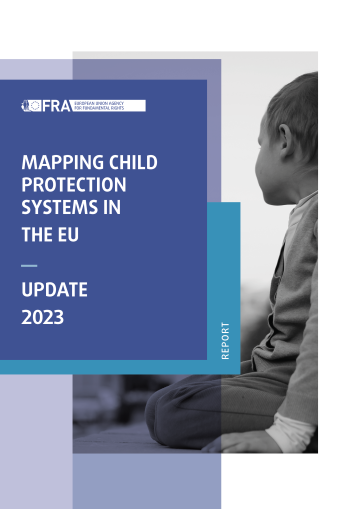
Mapping Child Protection Systems in the EU – Update 2023

Children’s rights exist to ensure the safety and wellbeing of every child. Improved child protection systems ensure that these rights are met. In recent years, the EU has taken significant steps to improve child protection systems. This mapping of child protection systems gives an overview of the state of such systems at national level and developments since 2015. It promotes the improvement of integrated child protection systems. It is an update of FRA’s mapping of child protection systems in 2015, based on data collected in 2023 in the 27 EU Member States. By publishing this, FRA aims to support securing the sustainable well-being, safety and rights of all children living in the EU.
Report / Paper / Summary
25
October
2023

Being Black in the EU – Experiences of people of African descent

FRA's first Being Black in the EU report exposed widespread and entrenched racism against people of African descent in Europe. Now updated with new data, this report revisits the situation revealing persistent racial discrimination, harassment and violence. Overall, experiences of racial discrimination increased in the EU countries since 2016, reaching as high as 77%. The lack of progress is alarming despite binding anti-discrimination law in the EU since 2000 and significant EU policy developments since then.
Montage of faces of various Black people.
Report / Paper / Summary
20
October
2023

FRA Strategic Plan 2023-2028

FRA’s strategic priorities and objectives are based on the agency’s role and mission as defined in its amended founding regulation. They build on FRA’s 2018–2022 strategy as well as how it performed, its experience and its vision. Their design takes into account future fundamental rights challenges facing Europe, the agency’s mandate, the broader operational context and the resources available.
Handbook / Guide / Manual
20
March
2023

Implementing the UN Convention on the Rights of Persons with Disabilities: Human rights indicators

This guide helps independent national monitoring frameworks to fulfil their monitoring responsibility set out in Article 33 of the Convention on the Rights of Persons with Disabilities (CRPD). It focuses on the use of indicators. It does not deal with aspects such as compliance with the Paris Principles or the efficiency of complaints mechanisms. Its objective is to support national monitoring frameworks in designing or improving indicators for assessing progress of CRPD implementation at national level.
Little Girl With Down Syndrome And Boy Hugging
kali9 © iStockphoto.com, 2022
Report / Paper / Summary
25
October
2022
02 November 2022

Roma in 10 European Countries - Main results

This report presents findings from FRA’s 2021 survey on Roma in Croatia, Czechia, Greece, Hungary, Italy, Portugal, Romania and Spain, as well as in North Macedonia and Serbia. The survey includes interviews with more than 8,400 Roma, collecting information on more than 20,000 individuals living in their households. By focusing on Roma, the survey provides unique data and information that are not available from European general population surveys, which do not disaggregate on grounds of ethnic origin. The findings present a bleak but familiar picture of exclusion, deprivation, discrimination and racism.
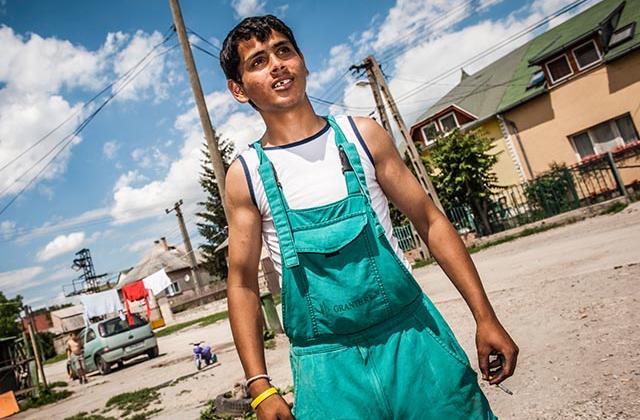
Roma man outside housing in Hungary
Christophe Vander Eecken / EEA and Norway Grants
O FRA

Tukaj boste izvedeli več o agenciji in njenem delu.

  • O FRA
  • Listina EU o Temeljnih Pravicah
  • Na koga se obrniti za pomoč?
  • Novice
  • Naročite se na novice
Stik z nami

Address

European Union Agency for Fundamental Rights
Rennweg 12
1030 Vienna, Austria

E-mail

Kontakt

Newsletter

Naročite se na novice

  • Facebook
  • Twitter
  • LinkedIn
  • YouTube
  • Newsletter
  • E-mail
  • RSS

© European Union Agency for Fundamental Rights, 2007-2026

  • About this website
  • Legal notice
  • Cookies
  • Data Protection
  • Accessibility

Custom Topbar

Home

Search the FRA website

    • Work on rights
    • Listina EU o temeljnih pravicah
      • Kaj so temeljne pravice?
      • What is the EU Charter of Fundamental Rights?
      • Preambula
      • Naslov I: Dostojanstvo
        • 1 - Človekovo dostojanstvo
        • 2 - Pravica do življenja
        • 3 - Pravica do osebne celovitosti
        • 4 - Prepoved mučenja in nečloveškega ali ponižujočega ravnanja ali kaznovanja
        • 5 - Prepoved suženjstva in prisilnega dela.
      • Naslov II: Svoboščine
        • 6 - Pravica do svobode in varnosti
        • 7 - Spoštovanje zasebnega in družinskega življenja
        • 8 - Varstvo osebnih podatkov
        • 9 - Pravica sklepanja zakonske zveze in pravica ustvarjanja družine
        • 10 - Svoboda misli, vesti in vere
        • 11 - Svoboda izražanja in obveščanja
        • 12 - Svoboda zbiranja in združevanja
        • 13 - Svoboda umetnosti in znanosti
        • 14 - Pravica do izobraževanja
        • 15 - Svoboda izbire poklica in pravica do dela
        • 16 - Svoboda gospodarske pobude
        • 17 - Lastninska pravica
        • 18 - Pravica do azila
        • 19 - Varstvo v primeru odstranitve, izgona ali izročitve
      • Naslov III: Enakost
        • 20 - Enakost pred zakonom
        • 21 - Prepoved diskriminacije
        • 22 - Kulturna, verska in jezikovna raznolikost
        • 23 - Enakost žensk in moških
        • 24 - Pravice otroka
        • 25 - Pravice starejših
        • 26 - Vključenost invalidov
      • Naslov IV: Solidarnost
        • 27 - Pravica delavcev do obveščenosti in posvetovanja v podjetju
        • 28 - Pravica do kolektivnih pogajanj in ukrepov
        • 29 - Pravica dostopa do služb za posredovanje zaposlitev
        • 30 - Varstvo v primeru neupravičene odpustitve
        • 31 - Pošteni in pravični delovni pogoji
        • 32 - Prepoved dela otrok in varstvo mladih pri delu
        • 33 - Družinsko in poklicno življenje
        • 34 - Socialna varnost in socialna pomoč
        • 35 - Varovanje zdravja
        • 36 - Dostop do storitev splošnega gospodarskega pomena
        • 37 - Varstvo okolja
        • 38 - Varstvo potrošnikov
      • Naslov V: Pravice Državljanov
        • 39 - Pravica voliti in biti voljen na volitvah v Evropski parlament
        • 40 - Pravica voliti in biti voljen na občinskih volitvah
        • 41 - Pravica do dobrega upravljanja
        • 42 - Pravica dostopa do dokumentov
        • 43 - Evropski varuh človekovih pravic
        • 44 - Pravica do peticije
        • 45 - Svoboda gibanja in prebiva
        • 46 - Diplomatska in konzularna zaščita
      • Naslov VI: Sodno Varstvo
        • 47 - Pravica do učinkovitega pravnega sredstva in nepristranskega sodišča
        • 48 - Domneva nedolžnosti in pravica do obrambe
        • 49 - Načeli zakonitosti in sorazmernosti kaznivih dejanj in kazni
        • 50 - Pravica, da se za isto kaznivo dejanje kazensko ne preganja ali kaznuje dvakrat
      • Naslov VII: Splošne določbe
        • 51 - Področje uporabe
        • 52 - Obseg pravic in načel ter njihova razlaga
        • 53 - Raven varstva
        • 54 - Prepoved zlorabe pravic
    • Tools
      • EU Fundamental Rights Information System - EFRIS
      • Criminal detention database
      • Anti-Muslim hatred database
      • National human rights structures navigator
      • Case-law database
      • Charterpedia
      • FRA e-learning platform
      • Data visualisation
      • Equality data collection: promising practices
      • Fighting hate crime: promising practices
    • Gradivo
  • About FRA
    • Who we are
      • Structure of FRA
      • Management Board
        • Management Board members
        • Management Board meeting documents
      • Executive Board
      • Scientific Committee
        • Scientific Committee members
      • Director
      • Management team
    • What we do
      • Research and data
      • FRA for children
        • What are my rights?
        • Where do my rights come from?
      • Areas of work
      • Work Programme
        • Archive
      • Annual Activity report
        • Archive
      • Projects
    • Working at FRA
      • Vacancies and selections
        • Previous vacancies
      • What we offer
      • Work-life balance
      • Application instructions
      • Seconded National Experts
      • Traineeship
      • Study visits at FRA
    • Procurement
      • Ongoing procedures
      • Closed procedures
      • Contracts awarded
    • Finance and budget
      • Financial Rules
      • Financial documents
    • Dostop do dokumentov
      • Access to documents
      • Prošnjo za dostop do dokumentov
    • Data protection within FRA
      • Records registry
  • Cooperation
    • Institucije in drugi organi EU
      • European Parliament
      • Council of the European Union
      • European Commission
      • EU agencies
        • Justice and Home Affairs Agencies Network
      • European Committee of the Regions
      • European Economic and Social Committee
      • European Ombudsman
      • EU CRPD Framework
        • Promotion
        • Protection
        • Monitoring
        • Review process
        • Resources
    • Države članice EU
      • National Liaison Officers
      • National Parliaments
    • Svet Evrope
    • EEA and Norway Grants
    • Civilna družba in platforma za temeljne pravice
      • FRP organisations
      • Activities
      • Civic space
      • Platform library
      • How to register
    • Nacionalne institucije za človekove pravice, organi za enakost in uradi varuhov človekovih pravic
    • Združeni narodi, OVSE in druge mednarodne organizacije
  • Newsroom
    • Media contacts
    • News
    • Press releases
    • Stories
    • Events
      • Past Events
    • FRA products 2026
      • FRA products 2025
      • FRA products 2024
      • FRA products 2023
      • FRA products 2022
      • FRA products 2021
      • FRA Products 2020
      • FRA Products 2019
    • Multimedia
      • Videos
      • Infographics
      • Podcasts
    • Speeches
    • Press packs
      • EU LGBTIQ survey - Press pack
      • Fundamental Rights Survey
      • EU LGBTI survey II
      • From institutions to community living for persons with disabilities: perspectives from the ground
      • Second European Union Minorities and Discrimination Survey – Main results
      • Second European Union Minorities and Discrimination Survey (EU-MIDIS II) Muslims
      • Together in the EU: Promoting the participation of migrants and their descendants
      • Second European Union Minorities and Discrimination Survey (EU-MIDIS II) Roma
      • Severe labour exploitation in the EU
      • Child-friendly justice – perspectives and experiences of professionals: Press pack
      • Fundamental rights at EU borders
      • Violence against women press pack
      • Jewish people’s experiences and perceptions of hate crime, discrimination and antisemitism
      • EU LGBT Press pack
      • Child-friendly justice – perspectives and experiences of children
    • Newsletter
  • Account
    • Log in

Top Menu

  • O FRA
  • Sodelovanje
  • Newsroom
  • Cookies
  • Contact

Main menu

Home
  • Work on rights
  • Listina EU o temeljnih pravicah
    Listina EU o temeljnih pravicah
    • Kaj so temeljne pravice?
    • What is the EU Charter of Fundamental Rights?
    • Preambula
    • Naslov I: Dostojanstvo
      • 1 - Človekovo dostojanstvo
      • 2 - Pravica do življenja
      • 3 - Pravica do osebne celovitosti
      • 4 - Prepoved mučenja in nečloveškega ali ponižujočega ravnanja ali kaznovanja
      • 5 - Prepoved suženjstva in prisilnega dela.
    • Naslov II: Svoboščine
      • 6 - Pravica do svobode in varnosti
      • 7 - Spoštovanje zasebnega in družinskega življenja
      • 8 - Varstvo osebnih podatkov
      • 9 - Pravica sklepanja zakonske zveze in pravica ustvarjanja družine
      • 10 - Svoboda misli, vesti in vere
      • 11 - Svoboda izražanja in obveščanja
      • 12 - Svoboda zbiranja in združevanja
      • 13 - Svoboda umetnosti in znanosti
      • 14 - Pravica do izobraževanja
      • 15 - Svoboda izbire poklica in pravica do dela
      • 16 - Svoboda gospodarske pobude
      • 17 - Lastninska pravica
      • 18 - Pravica do azila
      • 19 - Varstvo v primeru odstranitve, izgona ali izročitve
    • Naslov III: Enakost
      • 20 - Enakost pred zakonom
      • 21 - Prepoved diskriminacije
      • 22 - Kulturna, verska in jezikovna raznolikost
      • 23 - Enakost žensk in moških
      • 24 - Pravice otroka
      • 25 - Pravice starejših
      • 26 - Vključenost invalidov
    • Naslov IV: Solidarnost
      • 27 - Pravica delavcev do obveščenosti in posvetovanja v podjetju
      • 28 - Pravica do kolektivnih pogajanj in ukrepov
      • 29 - Pravica dostopa do služb za posredovanje zaposlitev
      • 30 - Varstvo v primeru neupravičene odpustitve
      • 31 - Pošteni in pravični delovni pogoji
      • 32 - Prepoved dela otrok in varstvo mladih pri delu
      • 33 - Družinsko in poklicno življenje
      • 34 - Socialna varnost in socialna pomoč
      • 35 - Varovanje zdravja
      • 36 - Dostop do storitev splošnega gospodarskega pomena
      • 37 - Varstvo okolja
      • 38 - Varstvo potrošnikov
    • Naslov V: Pravice Državljanov
      • 39 - Pravica voliti in biti voljen na volitvah v Evropski parlament
      • 40 - Pravica voliti in biti voljen na občinskih volitvah
      • 41 - Pravica do dobrega upravljanja
      • 42 - Pravica dostopa do dokumentov
      • 43 - Evropski varuh človekovih pravic
      • 44 - Pravica do peticije
      • 45 - Svoboda gibanja in prebiva
      • 46 - Diplomatska in konzularna zaščita
    • Naslov VI: Sodno Varstvo
      • 47 - Pravica do učinkovitega pravnega sredstva in nepristranskega sodišča
      • 48 - Domneva nedolžnosti in pravica do obrambe
      • 49 - Načeli zakonitosti in sorazmernosti kaznivih dejanj in kazni
      • 50 - Pravica, da se za isto kaznivo dejanje kazensko ne preganja ali kaznuje dvakrat
    • Naslov VII: Splošne določbe
      • 51 - Področje uporabe
      • 52 - Obseg pravic in načel ter njihova razlaga
      • 53 - Raven varstva
      • 54 - Prepoved zlorabe pravic
  • Tools
    Tools
    • EU Fundamental Rights Information System - EFRIS
    • Criminal detention database
    • Anti-Muslim hatred database
    • National human rights structures navigator
    • Case-law database
    • Charterpedia
    • FRA e-learning platform
    • Data visualisation
    • Equality data collection: promising practices
    • Fighting hate crime: promising practices
  • Gradivo