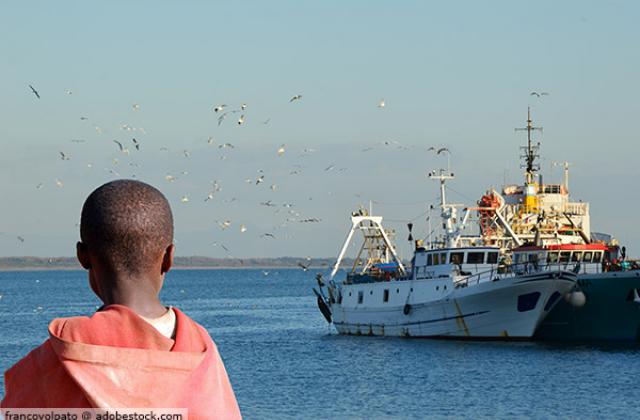
In 2018, some 2,299 people are estimated to have died or gone missing at sea while crossing the sea to reach Europe to escape war or persecution or to pursue a better life. This is on average more than six people per day. Before mid-2017, a significant share of migrants in distress at sea have been rescued by civil society vessels deployed with a humanitarian mandate to reduce fatalities and bring rescued migrants to safety. In 2018, however, authorities in some Member States viewed civil society-deployed rescue vessels with hostility. As a reaction, they seized rescue vessels, arrested crew members, and initiated legal procedures against them (more than a dozen altogether). In some cases, rescue vessels were blocked in harbours due to flag issues.
Menores privados del cuidado parental al encontrarse en un Estado miembro de la Unión Europea
distinto del suyo tiene por objeto reforzar la respuesta de todos los agentes pertinentes en la
protección de menores. La protección de esos niños y niñas es fundamental, así como una obligación
para los Estados miembros de la Unión Europea (UE) que emana del marco jurídico internacional
y europeo. La guía se centra en los menores víctimas de la trata y en riesgo, por lo que aplica una
medida expuesta en la Comunicación de 2017 sobre la intensificación de la actuación de la UE contra
la trata de seres humanos, y tiene en cuenta los patrones identificados, como los relativos a la
especificidad del delito respecto del género.
How much progress can we expect in a decade? Various rights-related instruments had been in place for 10 years in 2018, prompting both sobering and encouraging reflection on this question.
En el año 2018 hubo tantos avances como retrocesos en materia de protección de derechos fundamentales. El Informe sobre los derechos fundamentales 2019 de la Agencia de los Derechos Fundamentales de la Unión Europea (FRA) analiza los principales acontecimientos en este ámbito, destacando tanto los progresos realizados como los obstáculos que se siguen encontrando. La publicación presenta las opiniones de la FRA sobre los principales avances realizados en las áreas temáticas cubiertas, así como un resumen de las evidencias que respaldan tales opiniones.
The EU Agency for Fundamental Rights has been regularly collecting data on migration since
September 2015. This report focuses on the fundamental rights situation of people arriving in
Member States and EU candidate countries particularly affected by migration movements.
It addresses fundamental rights concerns between 1 January and 31 March 2019.
This report looks into the fundamental rights situation of asylum applicants and beneficiaries of international protection in the EU throughout 2018. It pulls together the main issues identified in FRA’s regular updates on fundamental rights related to asylum, migration and borders in selected EU Member States, which the agency has been publishing since September 2015.
In November 2016, FRA formulated 21 individual opinions to address the fundamental rights shortcomings identified in the implementation of the hotspot approach in Greece and Italy. Despite genuine efforts to improve the situation since November 2016, many of the suggestions contained in the 21 opinions FRA formulated at the time remain valid.
The EU Agency for Fundamental Rights has been regularly collecting data on migration since
September 2015. This report focuses on the fundamental rights situation of people arriving in
Member States and EU candidate countries particularly affected by large migration movements.


 Handbook / Guide / Manual9June2026
 Handbook / Guide / Manual8October2025
 Opinion / Position Paper23July2025