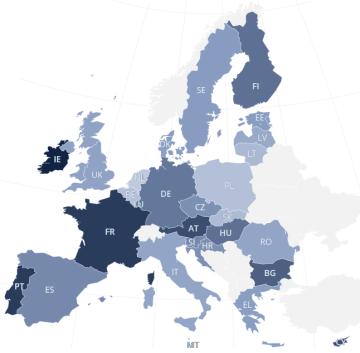
FRA’s second EU Minorities and Discrimination survey (EU-MIDIS II) collected information from over 25,000 respondents with different ethnic minority and immigrant backgrounds across all 28 EU Member States. The main findings from the survey, published in 2017, pointed to a number of differences in the way women and men with immigrant backgrounds across the European Union (EU) experience how their rights are respected. This report summarises some of the most relevant survey findings in this regard, which show the need for targeted, gender-sensitive measures that promote the integration of – specifically – women who are immigrants or descendants of immigrants.
The EU Agency for Fundamental Rights has been regularly collecting data on migration since September 2015. This report focuses on the fundamental rights situation of people arriving in Member States and EU candidate countries particularly affected by migration movements. It addresses fundamental rights concerns between 1 April and 30 June 2019.
The EU Return Directive (2008/115/EC) in Article 8 (6) introduced an important fundamental rights safeguard for third-country nationals ordered to leave the EU because they do not or no longer fulfil the conditions for entry and/or stay. According to the directive, Member States must provide for an effective forced-return monitoring system.
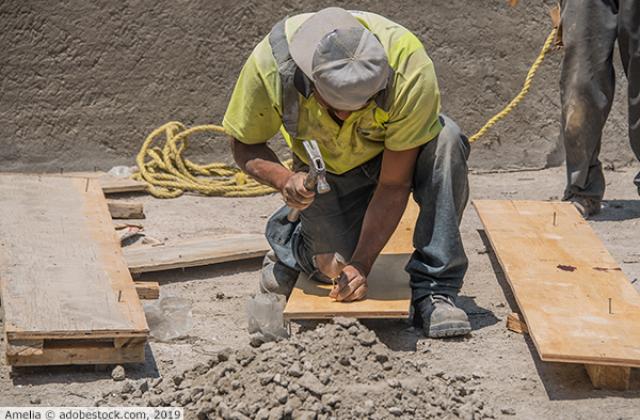
This report is the EU Fundamental Rights Agency’s fourth on the topic of severe labour exploitation. Based on interviews with 237 exploited workers, it paints a bleak picture of severe exploitation and abuse. The workers include both people who came to the EU, and EU nationals who moved to another EU country. They were active in diverse sectors, and their legal status also varied.
In 2018, some 2,299 people are estimated to have died or gone missing at sea while crossing the sea to reach Europe to escape war or persecution or to pursue a better life. This is on average more than six people per day. Before mid-2017, a significant share of migrants in distress at sea have been rescued by civil society vessels deployed with a humanitarian mandate to reduce fatalities and bring rescued migrants to safety. In 2018, however, authorities in some Member States viewed civil society-deployed rescue vessels with hostility. As a reaction, they seized rescue vessels, arrested crew members, and initiated legal procedures against them (more than a dozen altogether). In some cases, rescue vessels were blocked in harbours due to flag issues.
O manual «Crianças privadas de cuidados parentais na UE fora do Estado‑Membro de origem» é
um guia que se destina a reforçar a resposta de todos os intervenientes pertinentes no domínio
da proteção de menores. A proteção destes menores do sexo masculino e feminino é da maior
importância e uma obrigação dos Estados‑Membros da UE, decorrente do quadro jurídico
internacional e europeu. O presente guia dá especial atenção às crianças vítimas do tráfico de
seres humanos e às crianças em risco, em aplicação de uma ação definida na comunicação de 2017
que pretende intensificar a ação da UE contra o tráfico de seres humanos, e tem em conta padrões
identificados, nomeadamente no que diz respeito à especificidade de género do crime.
How much progress can we expect in a decade? Various rights-related instruments had been in place for 10 years in 2018, prompting both sobering and encouraging reflection on this question.
O ano de 2018 trouxe avanços e retrocessos no âmbito da proteção dos direitos fundamentais. O Relatório sobre os Direitos Fundamentais 2019 da FRA analisa os principais desenvolvimentos neste domínio, identificando tanto as realizações quanto os problemas que persistem. A presente publicação apresenta os pareceres da FRA relacionados com os principais desenvolvimentos nas áreas temáticas versadas e uma sinopse dos factos comprovados que sustentam tais pareceres.


 Handbook / Guide / Manual9June2026
 Handbook / Guide / Manual8October2025
 Opinion / Position Paper23July2025