Pagrindinių teisių apsaugos srityje 2022 m. būta ir sėkmės, ir nesėkmės. FRA 2023 m. pagrindinių teisių ataskaitoje apžvelgiami pagrindiniai pokyčiai pagrindinių teisių srityje, nurodant ir pasiekimus, ir sritis, keliančias nuolatinį susirūpinimą. Šiame leidinyje pateikiamos FRA išvados apie pagrindinius pokyčius atitinkamose teminėse srityse ir šias išvadas pagrindžiantys įrodymai.
Pamattiesību aizsardzības jomā 2022. gadā bija vērojami gan sasniegumi, gan neveiksmes. FRA 2023. gada ziņojumā par pamattiesībām aplūkoti galvenie jaunumi pamattiesību jomā, nosakot gan sasniegumus, gan jomas, kas aizvien rada bažas. Šajā publikācijā sniegti FRA atzinumi par galvenajiem jaunumiem attiecīgajās tematiskajās jomās un šos atzinumus pamatojošs pierādījumu apkopojums.
Het jaar 2022 kende zowel vooruitgang als tegenslagen bij de bescherming van de grondrechten. In het Verslag over de grondrechten 2023 van FRA worden de belangrijkste ontwikkelingen op het gebied van de grondrechten geëvalueerd en wordt niet alleen ingegaan op de behaalde successen, maar ook gewezen op blijvende punten van zorg. Deze publicatie geeft een overzicht van FRA- adviezen over de belangrijkste ontwikkelingen binnen thematische gebieden en geeft in het kort de feitelijke gegevens weer waarop deze adviezen berusten.
Rok 2022 przyniósł zarówno postęp, jak i regres pod względem ochrony praw podstawowych. Sprawozdanie FRA na temat praw podstawowych z 2023 r. zawiera przegląd najważniejszych zmian, jakie miały miejsce w tym obszarze, wskazując zarówno na osiągnięcia, jak i kwestie, które nadal wymagają stosownych działań. W niniejszej publikacji przedstawiono opinie FRA na temat najważniejszych zmian, jakie miały miejsce w uwzględnionych obszarach tematycznych, oraz podsumowanie dowodów, na których oparto te opinie.
O ano de 2022 trouxe avanços e retrocessos na proteção dos direitos fundamentais. O Relatório sobre os Direitos Fundamentais 2023 da FRA analisa os principais desenvolvimentos neste domínio, identificando tanto as realizações quanto os problemas que persistem. A presente publicação apresenta os pareceres da FRA relacionados com os principais desenvolvimentos nas áreas temáticas versadas e uma sinopse dos factos comprovados que sustentam tais pareceres.
Anul 2022 a adus atât progrese, cât și regrese în ceea ce privește protecția drepturilor fundamentale. Raportul privind drepturile fundamentale 2023 al FRA analizează evoluțiile majore din domeniu, identificând atât realizările, cât și problemele îngrijorătoare rămase nesoluționate. Această publicație prezintă opiniile FRA în legătură cu principalele evoluții înregistrate în domeniile tematice vizate, precum și o sinteză a dovezilor care vin în sprijinul acestor opinii.
Z hľadiska ochrany základných práv priniesol rok 2022 pokrok i určité nezdary. V publikácii agentúry FRA Správa o základných právach 2023 je uvedený prehľad hlavného vývoja v tejto oblasti, poukazuje sa na úspechy, ale aj na oblasti, ktoré ešte stále vyvolávajú obavy. V tejto publikácii sa nachádzajú stanoviská agentúry FRA k základným výsledkom vývoja v jednotlivých tematických oblastiach, ako aj súhrn dôkazov k týmto stanoviskám.
Leta 2022 je bil na področju varstva temeljnih pravic sicer dosežen napredek, a je bilo hkrati opazno tudi nazadovanje. Poročilo o temeljnih pravicah za leto 2023, ki ga je pripravila Agencija Evropske unije za temeljne pravice (FRA), povzema razvoj glavnih dogodkov na tem področju ter izpostavlja dosežke in področja, ki so še vedno zaskrbljujoča. Predstavlja mnenja agencije FRA o glavnem razvoju dogodkov na obravnavanih tematskih področjih in podaja utemeljitve za ta mnenja.
År 2022 innebar både framgångar och motgångar för skyddet av de grundläggande rättigheterna. FRA:s Rapport om grundläggande rättigheter 2023 innehåller en granskning av de viktigaste händelserna på området och pekar ut både framsteg och återstående problemområden. I publikationen presenteras FRA:s yttranden om den huvudsakliga utvecklingen på de berörda tematiska områdena, tillsammans med en översikt över det underlag som ligger till grund för dessa yttranden.
Over the span of nearly eight years, there have been developments in showing respect for the human rights of those who arrive at the EU’s borders. Russia’s war of aggression against Ukraine has shown how a large and sudden influx of people can be managed effectively and respectfully. Notwithstanding the improvements, the growing number of people crossing or attempting to enter the EU pose a wide range of fundamental rights challenges.
In this bulletin, FRA takes stock of concerns and improvements regarding the fundamental rights of migrants, asylum seekers and refugees. It highlights the EU Member States’ legal and practical responses. It identifies key trends, promising practices, long-standing and emerging patterns, and persistent concerns.
This report provides a partial update on the findings of the 2017 European Union Agency for Fundamental Rights (FRA) report Surveillance by intelligence services: Fundamental rights safeguards and remedies in the EU. It was prepared at the request of the European Parliament, which asked FRA to update its 2017 findings to support the work of its committee of inquiry to investigate the use of Pegasus and equivalent surveillance spyware (PEGA).
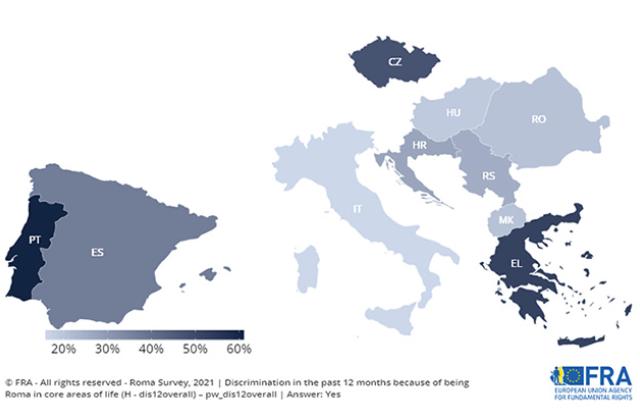
FRA’s 2021 survey on Roma in Croatia, Czechia, Greece, Hungary, Italy, North Macedonia, Portugal, Romania, Serbia and Spain collected information from 8,461 respondents living in private households who self-identify as Roma, are 16 or older and have lived in the survey countries for at least the 12 months before the survey.
This guide helps independent national monitoring frameworks to fulfil their monitoring responsibility set out in Article 33 of the Convention on the Rights of Persons with Disabilities (CRPD). It focuses on the use of indicators. It does not deal with aspects such as compliance with the Paris Principles or the efficiency of complaints mechanisms. Its objective is to support national monitoring frameworks in designing or improving indicators for assessing progress of CRPD implementation at national level.
Το παρόν εγχειρίδιο έχει σχεδιαστεί με στόχο να συνδράμει φορείς, οργανισμούς και φυσικά πρόσωπα στην εκπαίδευση επιτρόπων ασυνόδευτων παιδιών ή στην εκπαίδευση εκπαιδευτών. Μπορεί να χρησιμοποιηθεί σε διάφορα πλαίσια κατάρτισης, όπως είναι η επαγγελματική και ακαδημαϊκή κατάρτιση, η πρακτική άσκηση και η συνεχής κατάρτιση. Το εγχειρίδιο βασίζεται στις αρχές των ανθρωπίνων και των θεμελιωδών δικαιωμάτων και στα πρότυπα δεοντολογίας, ενώ επίσης αναγνωρίζει ότι το παιδί και ο/η επίτροπος έχουν τις δικές τους προσωπικές ιστορίες, ικανότητες και δεξιότητες. Ενισχύει την αυτοπεποίθηση των επιτρόπων όσον αφορά την προώθηση των δικαιωμάτων και του συμφέροντος του παιδιού. Επιπλέον, τους/τις ενδυναμώνει προκειμένου να ενεργούν ανεξάρτητα και αμερόληπτα απέναντι σε διάφορους κρατικούς υπαλλήλους, παρόχους υπηρεσιών και μέλη της κοινότητας.
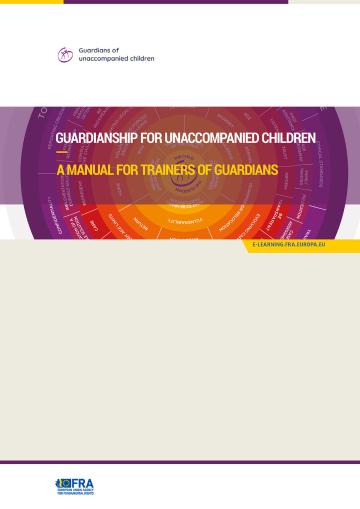
This manual is designed to help institutions, organisations and individuals to train guardians of unaccompanied children or to deliver ‘train-the-trainers’ courses. It can be used in a range of training contexts, such as professional and academic training, on-the-job training and continuing training. The manual is based on human and fundamental rights principles and ethical standards and recognises that the child and the guardian have their own personal stories, resources and capacities. It enhances guardians’ confidence to promote the child’s rights and best interests. It also enhances their confidence to act independently and impartially in relation to different state
officials, service providers and other community members.
Военната агресия на Русия срещу Украйна доведе до сцени, на които Европа не беше ставала свидетел от десетилетия. Оттогава причинява смърт, огромни разрушения и неописуеми страдания. Тя предизвика и масово движение на хора, невиждано от Втората световна война насам. За да ги защити, ЕС за първи път задейства Директивата за временна закрила. По този начин всички държави — членки на ЕС, трябва да предложат закрила на разселените лица от Украйна.
Vojenská agrese Ruska vůči Ukrajině vyvolala scény, které Evropa neviděla po desetiletí. Od té doby přináší smrt, rozsáhlé ničení a nepopsatelné utrpení. V jejím důsledku se rovněž daly do pohybu obrovské masy lidí, největší od druhé světové války. S cílem ochránit tyto uprchlíky EU poprvé aktivovala směrnici o dočasné ochraně. Všechny členské státy EU jsou tudíž povinny poskytnout osobám vysídleným z Ukrajiny ochranu.
Russia’s military aggression against Ukraine triggered scenes not seen in Europe for decades. It has since caused death, immense destruction, and unspeakable suffering. It also set in motion a mass movement of people not seen since World War II. To protect them, the EU activated the Temporary Protection Directive for the first time. In doing so, all EU Member States must offer protection to those displaced from Ukraine.
La agresión militar de Rusia contra Ucrania provocó escenas que no se vivían en Europa desde hacía décadas. El conflicto ha causado desde entonces muertes, inmensa destrucción y un sufrimiento indecible. También implicó desplazamientos masivos de población a una escala como no se conocía desde la Segunda Guerra Mundial.
Venemaa sõjaline agressioon Ukrainasse on põhjustanud olukorra, mida ei ole Euroopas aastakümneid esinenud. See on põhjustanud surma, tohutut hävingut ja kirjeldamatuid kannatusi. See käivitas ka inimeste massilise rände, mille sarnast ei ole toimunud teisest maailmasõjast saadik. Põgenike kaitseks aktiveeris EL esmakordselt ajutise kaitse direktiivi. See kohustas kõiki ELi liikmesriike pakkuma Ukraina põgenikele aruandes.