Artificial intelligence (AI) already plays a role in deciding what unemployment benefits someone gets, where a burglary is likely to take place, whether someone is at risk of cancer, or who sees that catchy advertisement for low mortgage rates. Its use keeps growing, presenting seemingly endless possibilities. But we need to make sure to fully uphold fundamental rights standards when using AI. This report presents concrete examples of how companies and public administrations in the EU are using, or trying to use, AI. It focuses on four core areas – social benefits, predictive policing, health services and targeted advertising.
V tem poročilu so predstavljeni konkretni primeri, kako podjetja in javne uprave v Evropski uniji (EU) uporabljajo ali poskušajo uporabljati umetno inteligenco. Obravnavane so možne posledice za temeljne pravice, prav tako je prikazano, ali uporabniki umetne inteligence upoštevajo pravice in na kakšen način.
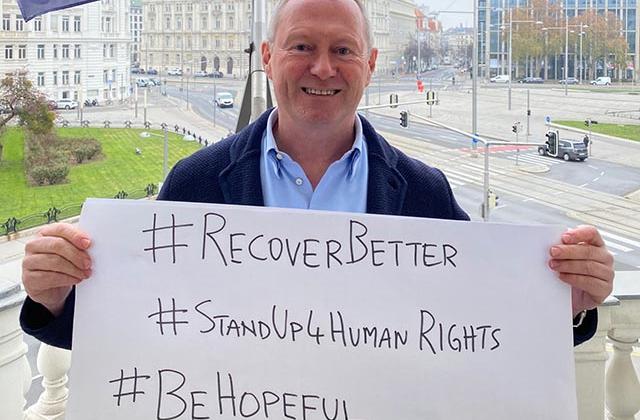
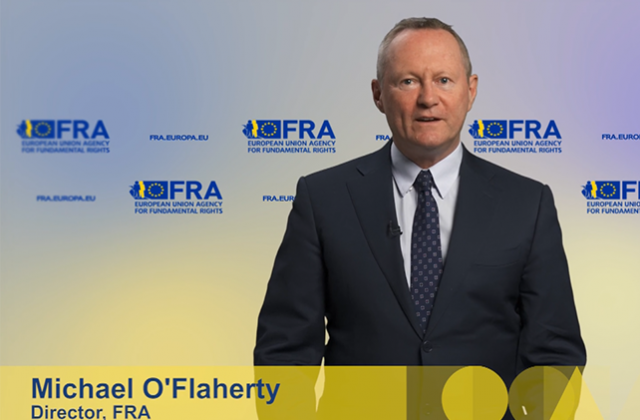
This year, the COVID-19 pandemic leaves a lasting mark on society worldwide. It affected everyone but some people more than others. As we look ahead, on Human Rights Day, on 10 December, we need to make the new normal a better normal. In his video message, FRA Director Michael O’Flaherty underlines the need to stand up for human rights to make 2021 a better year. This means ensuring we respect and take into account everybody's human rights.
This report looks at fundamental rights compliance at the European Union (EU)’s external land borders, including rivers and lakes. On 30 January 2020, the European Parliament requested the EU Agency for Fundamental Rights (FRA) to prepare a report on these borders. It noted that the report should focus on the correct application of the safeguards in the European asylum acquis and the provisions of the Schengen Borders Code (Regulation (EU) 2016/399).
Die Europäische Menschenrechtskonvention (EMRK) und das Recht der Europäischen Union
bieten einen zunehmend bedeutenden Rahmen für den Schutz der Rechte von Ausländern.
Das Unionsrecht zu Asyl, Grenzen und Einwanderung entwickelt sich in hoher Geschwindigkeit
weiter. Der Umfang der Rechtsprechung des Europäischen Gerichtshofs für Menschenrechte,
insbesondere zu den Artikeln 3, 5, 8 und 13 EMRK, ist beträchtlich. Der Gerichtshof
der Europäischen Union wird immer häufiger aufgefordert, sich zur Auslegung der diesbezüglichen
Bestimmungen des EU-Rechts zu äußern. Die dritte Ausgabe dieses Handbuchs
wurde im Juli 2020 fertiggestellt. Es stellt das Unionsrecht sowie die Rechtsprechung der
beiden europäischen Gerichtshöfe auf verständliche Art und Weise vor.
La Convenzione europea dei diritti dell’uomo (CEDU) e il diritto dell’Unione europea (UE)
forniscono un quadro di riferimento sempre più importante per la protezione dei diritti degli
stranieri. La legislazione dell’UE in materia di asilo, frontiere e immigrazione è in rapido sviluppo.
Esiste un cospicuo corpus di giurisprudenza formato dalla Corte europea dei diritti
dell’uomo (Corte EDU) riguardante, in particolare, gli articoli 3, 5, 8 e 13 CEDU. La Corte di
giustizia dell’Unione europea (CGUE) è chiamata con sempre maggiore frequenza a pronunciarsi
sull’interpretazione delle disposizioni legislative dell’UE in quest’ambito. La presente
terza edizione del manuale, aggiornata a luglio 2020, presenta in modo accessibile la legislazione
dell’UE e la giurisprudenza delle due corti europee, è rivolto a professionisti legali,
giudici, pubblici ministeri, funzionari dell’immigrazione e organizzazioni non governative
negli Stati membri dell’Unione europea e del Consiglio d’Europa.
This report outlines some of the measures EU Member States have put in place to protect public health as Europe faces the ‘second wave’ of the Coronavirus pandemic. It highlights how these may affect fundamental rights, especially social rights.
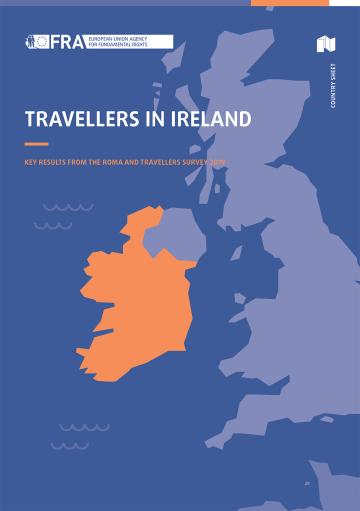
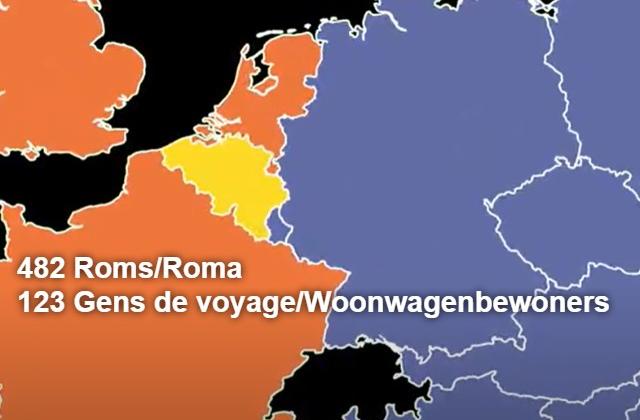
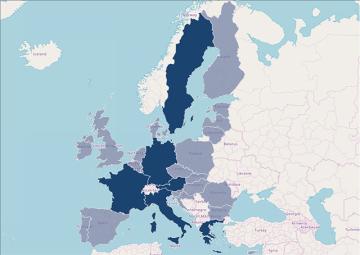
Roma and Travellers living in western EU countries are less often in the limelight than those living in central, eastern and southern EU countries. While they represent a smaller proportion of the population in the west, they also face problems with social exclusion, marginalisation and discrimination. These country sheets present findings from the survey conducted by FRA in 2019 covering Roma and Travellers populations in Belgium, France, Ireland, the Netherlands, Sweden and the United Kingdom. The survey included interviews with almost 4,700 Roma and Travellers, collecting information on more than 8,200 individuals living in their households.
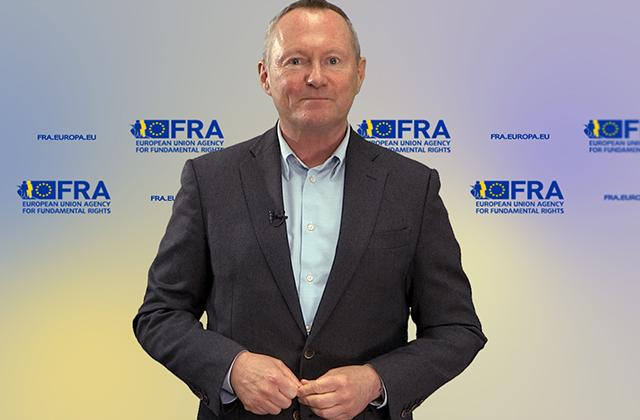
This video statement by FRA Director Michael O’Flaherty was recorded for the 2020 General conference of the International Coalition of Inclusive and Sustainable Cities (ICCAR): “CommunicAction – A common front to protect human rights at the local level”.
The EU Agency for Fundamental Rights has been regularly collecting data on asylum and migration since September 2015. This report focuses on the fundamental rights situation of people arriving in Member States and EU candidate countries particularly affected by migration. It addresses fundamental rights concerns between 1 July and 30 September 2020.
The EU Fundamental Rights Agency published in 2019 its report on the ‘Integration of young refugees in the EU’. The report explored the challenges of young people who fled armed conflict or persecution and arrived in the EU in 2015 and 2016. The report is based on 426 interviews with experts working in the area of asylum and integration, as well as 163 interviews with young people, aged 16 to 24, conducted between October 2017 and June 2018 in 15 regions and cities located in six Member States: Austria, France, Germany, Greece, Italy and Sweden. The links on this page provide a summary of the information collected during this period for each country about unaccompanied children turning 18 and the change in people’s legal status once international protection is granted. These two issues had at the time been identified as moments requiring sufficient, consistent and systematic support, particularly from lawyers, social workers and guardians, to ensure successful integration.
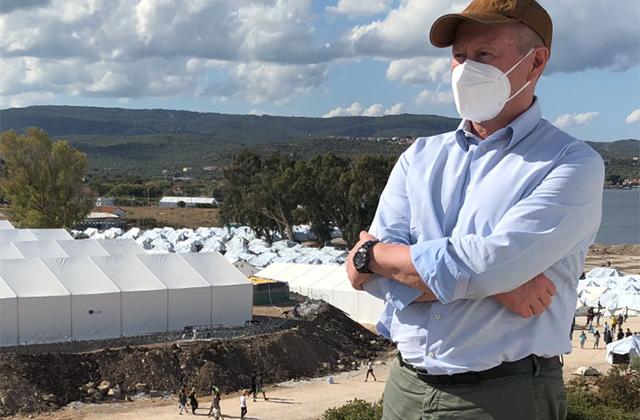
This video statement by FRA Director Michael O’Flaherty was recorded on 15 October 2020 at the Moria migration facility that was destroyed by fire in September 2020.
This video statement by FRA Director Michael O’Flaherty was recorded on 14 October 2020 at the temporary facility at Mavrovouni. This temporary camp was built to re-house people after the fire at the Moria migration facility on the island of Lesbos, in Greece.
This video statement by FRA Director Michael O’Flaherty was recorded for the Annual Conference of the Geneva Human Rights Platform: ''Connectivity between regional and global human rights mechanisms".
Business activity affects not just customers, employees, and contractors along supply chains, but often entire communities and the environment. This makes it vital that every business complies with human rights. This comparative report looks at the realities victims face when they seek redress for business-related human rights abuses. It presents the findings of fieldwork research on the views of professionals regarding the different ways people can pursue complaints. The findings highlight that obstacles to achieving justice are often multi-layered.
Often living in substandard and overcrowded housing conditions, Roma and Travellers face an increased risk of contracting COVID-19. They are also disproportionately affected by measures taken to contain the virus. This FRA Bulletin takes a closer look at this reality in 15 EU Member States, focusing on education; employment; poverty; healthcare; housing; and anti-Gypsyism. It also outlines civil society efforts to tackle the diverse challenges triggered by the Coronavirus pandemic.