Top Menu

  • Informacje o agencji praw podstawowych unii europejskiej
  • Coopération
  • Newsroom
  • Cookies
  • Contact

Select site language

  • Български
  • Čeština
  • Dansk
  • Deutsch
  • Ελληνικά
  • English
  • Español
  • Eesti
  • Suomi
  • Français
  • Gaeilge
  • Hrvatski
  • Magyar
  • Italiano
  • Lietuvių
  • Latviešu
  • Malti
  • Nederlands
  • Polski
  • Português
  • Română
  • Slovenčina
  • Slovenščina
  • Svenska

Custom Topbar

Home

Search the FRA website

      • Work on rights
        • Wymiar sprawiedliwości, prawa ofiar i współpraca sądowa
          • Prawa ofiar
          • Prawa oskarżonych
          • Wymiar sprawiedliwości w sprawach cywilnych
          • Współpraca sądowa i praworządność
          • Bezpieczeństwo
          • Biznes i prawa człowieka
        • Równość, niedyskryminacja i rasizm
          • Dzieci, młodzież i osoby starsze
          • Osoby z niepełnosprawnościami
          • Przestępstwa z nienawiści
          • Pochodzenie rasowe i etniczne
          • Religia i przekonania
          • Romowie
          • Płeć, orientacja seksualna i płeć społeczno-kulturowa
        • Azyl, migracja i granice
          • Dostęp do azylu
          • Grenzen en informatiesystemen
          • Ochrona dziecka
          • Migracja nieuregulowana, powrót i zatrzymanie imigrantów
          • Legalna migracja i integracja
          • Handel ludźmi i wyzysk pracowników
        • Ochrona danych, prywatność i nowe technologie
          • Sztuczna inteligencja i duże zbiory danych
          • Granice i systemy informacyjne
          • Ochrona danych
          • Profilowanie niezgodne z prawem
        • Wsparcie dla systemów praw człowieka i obrońców praw człowieka
          • Karta praw podstawowych UE
          • Międzyrządowe systemy praw człowieka
          • Krajowe systemy i organy w dziedzinie praw człowieka
          • Społeczeństwo obywatelskie
        • Environmental and social sustainability
          • Climate change and environmental protection
          • Just and green transition
          • Business and human rights
          • Human rights due diligence
          • Consumer protection
      • Karta praw podstawowych Unii Europejskiej
        • Czym są prawa podstawowe?
        • What is the EU Charter of Fundamental Rights?
        • Preambuła
        • Tytuł I: Godność
          • 1 - Godność człowieka
          • 2 - Prawo do życia
          • 3 - Prawo człowieka do integralności
          • 4 - Zakaz tortur i nieludzkiego lub poniżającego traktowania albo karania
          • 5 - Zakaz niewolnictwa i pracy przymusowej
        • Tytuł II: Wolności
          • 6 - Prawo do wolności i bezpieczeństwa osobistego
          • 7 - Poszanowanie życia prywatnego i rodzinnego
          • 8 - Ochrona danych osobowych
          • 9 - Prawo do zawarcia małżeństwa i prawo do założenia rodziny
          • 10 - Wolność myśli, sumienia i religii
          • 11 - Wolność wypowiedzi i informacji
          • 12 - Wolność zgromadzania się i stowarzyszania się
          • 13 - Wolność sztuki i nauki
          • 14 - Prawo do nauki
          • 15 - Wolność wyboru zawodu i prawo do podejmowania pracy
          • 16 - Wolność prowadzenia działalności gospodarczej
          • 17 - Prawo własności
          • 18 - Prawo do azylu
          • 19 - Ochrona w przypadku usunięcia z terytorium państwa, wydalenia lub ekstradycji
        • Tytuł III: Równość
          • 20 - Równość wobec prawa
          • 21 - Niedyskryminacja
          • 22 - Różnorodność kulturowa, religijna i językowa
          • 23 - Równość kobiet i mężczyzn
          • 24 - Prawa dziecka
          • 25 - Prawa osób w podeszłym wieku
          • 26 - Integracja osób niepełnosprawnych
        • Tytuł IV: Solidarność
          • 27 - Prawo pracowników do informacji i konsultacji w ramach przedsiębiorstwa
          • 28 - Prawo do rokowań i działań zbiorowych
          • 29 - Prawo dostępu do pośrednictwa pracy
          • 30 - Ochrona w przypadku nieuzasadnionego zwolnienia z pracy
          • 31 - Należyte i sprawiedliwe warunki pracy
          • 32 - Zakaz pracy dzieci i ochrona młodocianych w pracy
          • 33 - Życie rodzinne i zawodowe
          • 34 - Zabezpieczenie społeczne i pomoc społeczna
          • 35 - Ochrona zdrowia
          • 36 - Dostęp do usług świadczonych w ogólnym interesie gospodarczym
          • 37 - Ochrona środowiska
          • 38 - Ochrona konsumentów
        • Tytuł V: Prawa obywatelskie
          • 39 - Prawo głosowania i kandydowania w wyborach do Parlamentu Europejskiego
          • 40 - Prawo głosowania i kandydowania w wyborach lokalnych
          • 41 - Prawo do dobrej administracji
          • 42 - Prawo dostępu do dokumentów
          • 43 - Europejski Rzecznik Praw Obywatelskich
          • 44 - Prawo petycji
          • 45 - Swoboda przemieszczania się i pobytu
          • 46 - Opieka dyplomatyczna i konsularna
        • Tytuł VI: Wymiar sprawiedliwości
          • 47 - Prawo do skutecznego środka prawnego i dostępu do bezstronnego sądu
          • 48 - Domniemanie niewinności i prawo do obrony
          • 49 - Zasady legalności oraz proporcjonalności kar do czynów zabronionych pod groźbą kary
          • 50 - Zakaz ponownego sądzenia lub karania w postępowaniu karnym za ten sam czyn zabroniony pod groźbą kary
        • Tytuł VII: Postanowienia ogólne
          • 51 - Zakres zastosowania
          • 52 - Zakres i wykładnia praw i zasad
          • 53 - Poziom ochrony
          • 54 - Zakaz nadużycia praw
      • Tools
        • EU Fundamental Rights Information System - EFRIS
        • Criminal detention database
        • Anti-Muslim hatred database
        • National human rights structures navigator
        • Case-law database
        • Charterpedia
        • FRA e-learning platform
        • Data visualisation
        • Equality data collection: promising practices
        • Fighting hate crime: promising practices
      • Publikacje i dane
    • About FRA
      • Who we are
        • Structure of FRA
        • Management Board
          • Management Board members
          • Management Board meeting documents
        • Executive Board
        • Scientific Committee
          • Scientific Committee members
        • Director
        • Management team
      • What we do
        • Research and data
        • Capacity-building
        • Advising
        • Convening people
        • FRA for children
          • What are my rights?
          • Where do my rights come from?
        • Areas of work
          • Multi-annual Framework 2007-2022
        • Work Programme
          • Archive
        • Annual Activity report
          • Archive
        • Projects
      • Working at FRA
        • Vacancies and selections
          • Previous vacancies
        • What we offer
        • Work-life balance
        • Application instructions
        • Seconded National Experts
        • Traineeship
        • Study visits at FRA
      • Procurement
        • Ongoing procedures
        • Closed procedures
        • Contracts awarded
      • Finance and budget
        • Financial Rules
        • Financial documents
      • Register of documents
        • Dostęp do dokumentów
        • Application for access to documents
      • Data protection within FRA
        • Records registry
    • Cooperation
      • Instytucje UE i inne organy
        • European Parliament
        • Council of the European Union
        • European Commission
        • EU agencies
          • Justice and Home Affairs Agencies Network
        • European Committee of the Regions
        • European Economic and Social Committee
        • European Ombudsman
        • EU CRPD Framework
          • Promotion
          • Protection
          • Monitoring
          • Review process
          • Resources
      • Państwa członkowskie UE
        • National Liaison Officers
        • National Parliaments
      • Rada Europy
      • Społeczeństwo obywatelskie i platforma praw podstawowych
        • Activities
        • Civic space
        • Platform library
        • How to register
      • Krajowe instytucje ds. praw człowieka, organy ds. równości i instytucje rzeczników praw obywatelskich
      • ONZ, OBWE i inne organizacje międzynarodowe
        • EEA and Norway Grants
      • FRANET
    • Newsroom
      • Media contacts
      • News
      • Press releases
      • Stories
      • Events
        • Past Events
      • FRA products 2026
        • FRA products 2025
        • FRA products 2024
        • FRA products 2023
        • FRA products 2022
        • FRA products 2021
        • FRA Products 2020
        • FRA Products 2019
      • Multimedia
        • Videos
        • Infographics
        • Podcasts
      • Speeches
      • Press packs
        • EU LGBTIQ survey - Press pack
        • Fundamental Rights Survey
        • EU LGBTI survey II
        • From institutions to community living for persons with disabilities: perspectives from the ground
        • Second European Union Minorities and Discrimination Survey – Main results
        • Second European Union Minorities and Discrimination Survey (EU-MIDIS II) Muslims
        • Together in the EU: Promoting the participation of migrants and their descendants
        • Second European Union Minorities and Discrimination Survey (EU-MIDIS II) Roma
        • Severe labour exploitation in the EU
        • Child-friendly justice – perspectives and experiences of professionals: Press pack
        • Fundamental rights at EU borders
        • Violence against women press pack
        • Jewish people’s experiences and perceptions of hate crime, discrimination and antisemitism
        • EU LGBT Press pack
        • Child-friendly justice – perspectives and experiences of children
      • Newsletter
    • Account
      • Log in

Main menu

Home
  • Work on rights
    Work on rights
    • Wymiar sprawiedliwości, prawa ofiar i współpraca sądowa
      • Prawa ofiar
      • Prawa oskarżonych
      • Wymiar sprawiedliwości w sprawach cywilnych
      • Współpraca sądowa i praworządność
      • Bezpieczeństwo
      • Biznes i prawa człowieka
    • Równość, niedyskryminacja i rasizm
      • Dzieci, młodzież i osoby starsze
      • Osoby z niepełnosprawnościami
      • Przestępstwa z nienawiści
      • Pochodzenie rasowe i etniczne
      • Religia i przekonania
      • Romowie
      • Płeć, orientacja seksualna i płeć społeczno-kulturowa
    • Azyl, migracja i granice
      • Dostęp do azylu
      • Grenzen en informatiesystemen
      • Ochrona dziecka
      • Migracja nieuregulowana, powrót i zatrzymanie imigrantów
      • Legalna migracja i integracja
      • Handel ludźmi i wyzysk pracowników
    • Ochrona danych, prywatność i nowe technologie
      • Sztuczna inteligencja i duże zbiory danych
      • Granice i systemy informacyjne
      • Ochrona danych
      • Profilowanie niezgodne z prawem
    • Wsparcie dla systemów praw człowieka i obrońców praw człowieka
      • Karta praw podstawowych UE
      • Międzyrządowe systemy praw człowieka
      • Krajowe systemy i organy w dziedzinie praw człowieka
      • Społeczeństwo obywatelskie
    • Environmental and social sustainability
      • Climate change and environmental protection
      • Just and green transition
      • Business and human rights
      • Human rights due diligence
      • Consumer protection
  • Karta praw podstawowych Unii Europejskiej
    Karta praw podstawowych Unii Europejskiej
    • Czym są prawa podstawowe?
    • What is the EU Charter of Fundamental Rights?
    • Preambuła
    • Tytuł I: Godność
      • 1 - Godność człowieka
      • 2 - Prawo do życia
      • 3 - Prawo człowieka do integralności
      • 4 - Zakaz tortur i nieludzkiego lub poniżającego traktowania albo karania
      • 5 - Zakaz niewolnictwa i pracy przymusowej
    • Tytuł II: Wolności
      • 6 - Prawo do wolności i bezpieczeństwa osobistego
      • 7 - Poszanowanie życia prywatnego i rodzinnego
      • 8 - Ochrona danych osobowych
      • 9 - Prawo do zawarcia małżeństwa i prawo do założenia rodziny
      • 10 - Wolność myśli, sumienia i religii
      • 11 - Wolność wypowiedzi i informacji
      • 12 - Wolność zgromadzania się i stowarzyszania się
      • 13 - Wolność sztuki i nauki
      • 14 - Prawo do nauki
      • 15 - Wolność wyboru zawodu i prawo do podejmowania pracy
      • 16 - Wolność prowadzenia działalności gospodarczej
      • 17 - Prawo własności
      • 18 - Prawo do azylu
      • 19 - Ochrona w przypadku usunięcia z terytorium państwa, wydalenia lub ekstradycji
    • Tytuł III: Równość
      • 20 - Równość wobec prawa
      • 21 - Niedyskryminacja
      • 22 - Różnorodność kulturowa, religijna i językowa
      • 23 - Równość kobiet i mężczyzn
      • 24 - Prawa dziecka
      • 25 - Prawa osób w podeszłym wieku
      • 26 - Integracja osób niepełnosprawnych
    • Tytuł IV: Solidarność
      • 27 - Prawo pracowników do informacji i konsultacji w ramach przedsiębiorstwa
      • 28 - Prawo do rokowań i działań zbiorowych
      • 29 - Prawo dostępu do pośrednictwa pracy
      • 30 - Ochrona w przypadku nieuzasadnionego zwolnienia z pracy
      • 31 - Należyte i sprawiedliwe warunki pracy
      • 32 - Zakaz pracy dzieci i ochrona młodocianych w pracy
      • 33 - Życie rodzinne i zawodowe
      • 34 - Zabezpieczenie społeczne i pomoc społeczna
      • 35 - Ochrona zdrowia
      • 36 - Dostęp do usług świadczonych w ogólnym interesie gospodarczym
      • 37 - Ochrona środowiska
      • 38 - Ochrona konsumentów
    • Tytuł V: Prawa obywatelskie
      • 39 - Prawo głosowania i kandydowania w wyborach do Parlamentu Europejskiego
      • 40 - Prawo głosowania i kandydowania w wyborach lokalnych
      • 41 - Prawo do dobrej administracji
      • 42 - Prawo dostępu do dokumentów
      • 43 - Europejski Rzecznik Praw Obywatelskich
      • 44 - Prawo petycji
      • 45 - Swoboda przemieszczania się i pobytu
      • 46 - Opieka dyplomatyczna i konsularna
    • Tytuł VI: Wymiar sprawiedliwości
      • 47 - Prawo do skutecznego środka prawnego i dostępu do bezstronnego sądu
      • 48 - Domniemanie niewinności i prawo do obrony
      • 49 - Zasady legalności oraz proporcjonalności kar do czynów zabronionych pod groźbą kary
      • 50 - Zakaz ponownego sądzenia lub karania w postępowaniu karnym za ten sam czyn zabroniony pod groźbą kary
    • Tytuł VII: Postanowienia ogólne
      • 51 - Zakres zastosowania
      • 52 - Zakres i wykładnia praw i zasad
      • 53 - Poziom ochrony
      • 54 - Zakaz nadużycia praw
  • Tools
    Tools
    • EU Fundamental Rights Information System - EFRIS
    • Criminal detention database
    • Anti-Muslim hatred database
    • National human rights structures navigator
    • Case-law database
    • Charterpedia
    • FRA e-learning platform
    • Data visualisation
    • Equality data collection: promising practices
    • Fighting hate crime: promising practices
  • Publikacje i dane

You are here

  • Home
  • Work On Rights
  • Environmental and social sustainability
  • Just and green transition
  • Fundamental rights and housing in the EU’s climate and energy transition
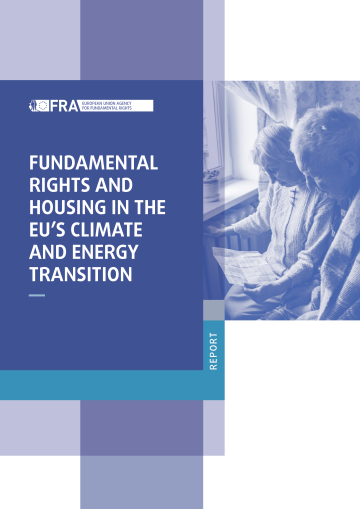
Cover with title and image showing elderly couple with blankets around their shoulders sitting in front of  radiator and holding a energy bill in their hand.
AdobeStock@Solarisys
29
January
2026

Fundamental rights and housing in the EU’s climate and energy transition

Just and green transition
Environmental and social sustainability
Making homes energy efficient and equipping them with clean energy can help the EU to reach its climate and energy goals. These measures improve living conditions and support fighting energy poverty, but they can also compromise affordability and displace low-income families. This report looks at housing renovation and clean energy installation programmes and wider EU climate and energy transition policies. It analyses their impact on fundamental rights. It finds that measures often inadvertently exclude people or risk exacerbating existing inequalities. Climate and social policies must comply with fundamental rights obligations. This report builds on FRA’s 2025 publication: Towards a fundamental rights-compliant European Green Deal.
Read Press Release
  • Read Online
  • Related
Export to PDF
Search inside this publication
  • Key findings and FRA opinions
    • Integrating fundamental rights into the climate and energy transition
      • FRA opinion 1
    • Strengthening fundamental rights safeguards in designing and implementing energy renovation policies
      • FRA opinion 2
      • FRA opinion 3
    • The lack of equal access to renovation measures impacts the right to housing
      • FRA opinion 4
    • Protecting the rights of tenants in energy renovations
      • FRA opinion 5
    • People confronted with housing deprivation are at risk of being left behind in the climate and energy transition
      • FRA opinion 6
    • Participation and stakeholder engagement in the energy transition is often a one-off exercise and is not inclusive
      • FRA opinion 7
    • Lack of transparency and information for complaint mechanisms hinder access to justice
      • FRA opinion 8
    • Need for integrated and systematic monitoring and data collection for a just climate and energy transition
      • FRA opinion 9
  • Introduction
  • 1. Access to energy and the right to housing in the climate and energy transition
    • 1.1 International framework on access to affordable and sustainable energy
    • 1.2 The link between the right to housing and sustainability
    • 1.3 Energy as an essential service in the European Union’s framework
      • 1.3.1 Addressing energy poverty to ensure health and an adequate standard of living
      • 1.3.2 Right of access to energy – including renewable energy – and users’ rights
    • 1.4 Energy renovations for achieving affordable and sustainable housing in the European Union
    • 1.5 Conclusion
  • 2. Fundamental rights in the European Union climate and energy governance
    • 2.1 Fundamental rights in the National Energy and Climate Plans
      • 2.1.1 Equality and non-discrimination in national energy and climate plans
      • 2.1.2 Gender equality
      • 2.1.3 Vulnerability and equal access to energy
      • 2.1.4 Access to affordable housing
    • 2.2 National Energy and Climate Progress Reports
    • 2.3 Conclusion
  • 3. Non-discrimination and leaving no one behind in the energy transition
    • 3.1 Equal access to renovation and energy transition measures
      • 3.1.1 Target groups and access criteria
      • 3.1.2 Tenure status and renovations: exclusion of tenants
      • 3.1.3 Support measures essential for ensuring equal access to the programmes in practice
      • 3.1.4 Funding is necessary to ensure access for people with lower incomes
    • 3.2 Energy poverty and attention to people in situations of vulnerability
      • 3.2.1 Risks and prevalence of energy poverty in the European Union
      • 3.2.2 Tackling energy poverty among people in vulnerable situations
    • 3.3 Conclusion
  • 4. Participation and stakeholder engagement in the energy transition
    • 4.1 Ensuring the right to information: transparency and awareness
    • 4.2 Participation and stakeholder engagement
    • 4.3 Conclusion
  • 5. Accountability: effective structures for fundamental-rights-compliant energy policy implementation
    • 5.1 Fundamental-rights-compliant funding and finances
    • 5.2 Monitoring and data collection
    • 5.3 Access to justice and complaints mechanisms
      • 5.3.1 Complaint and review mechanisms in energy renovation programmes lack consistency and transparency
      • 5.3.2 The role of ombudsperson institutions, equality bodies, national human rights institutions and other stakeholders
    • 5.4 Conclusion
  • Conclusions
  • Annex 1 – Methodology
  • Acronyms and abbreviations
  • About this publication


Conclusions

Energy renovations are an important mitigation measure to achieve the objectives of the EU’s climate and energy transition. They also impact fundamental rights: by improving energy efficiency and incorporating clean energy technologies, these renovations make affordable and clean energy more accessible, which is crucial for people experiencing energy poverty who struggle to meet basic energy needs or face disconnections. By contributing to climate mitigation and enhancing climate resilience, such as through measures for better insulation against extreme temperatures, they also help to safeguard health and environmental rights. Energy renovations further impact the right to housing. While energy renovations can improve housing standards and contribute to adequate living conditions, they can also compromise housing affordability and drive displacement, especially for low-income individuals, tenants and vulnerable groups. The right to housing and access to clean and affordable energy are key for the effective enjoyment of many other fundamental rights, including the right to health.

Energy renovations and related measures addressing energy transition and energy poverty should be implemented in a fundamental-rights-compliant way: ensuring equal access and effective targeting of people in situations of vulnerability are key. FRA’s research shows that both the relevant EU policy framework and Member States’ efforts and investments to enhance energy efficiency in housing to reach climate targets do not integrate fundamental rights systematically. Energy renovations often inadvertently exclude people in vulnerable situations and risk exacerbating existing inequalities, including in the context of the right to adequate housing. The complexities of the programmes and the online application process were identified as a major obstacle for people in situations of vulnerability, such as older people, people with disabilities, people with a migrant background or people with lower levels of education or digital skills. Governance structures that fail to take due consideration of fundamental rights result in unfair and unintended unequal access to energy renovation measures. The report argues that the EU Charter of Fundamental Rights obliges Member States to protect all people in the EU from any form of discrimination and to ensure access to and the supply of goods and services, including energy services in the context of the climate and energy transition required by EU law.

The report proposes a human-rights-based approach to the climate and energy transition that explicitly integrates fundamental rights into EU climate and energy transition policies, including those governing energy renovations. In 2026, the European Commission will revise the EPSR action plan, develop for the first time an EU Anti-Poverty Strategy and begin implementing the European Affordable Housing Plan. These actions provide unique opportunities to integrate EU funds with social and climate change policies in a fundamental-rights-compliant manner.


5. Accountability: effective structures for fundamental-rights-compliant energy policy implementationAnnex 1 – Methodology
Related
Planting a seedling
lovelyday12 / Adobestock
Report / Paper / Summary
Climate change and environmental protection
Business and human rights
Environmental and social sustainability
15
January
2025

Towards a fundamental rights-compliant European Green Deal

Climate change affects the daily lives of everyone in the EU and has significant environmental, economic, social and health impacts. To tackle this, the European Green Deal was adopted in 2019. This report examines the Green Deal from a fundamental rights perspective, with the aim of protecting the right to a safe, clean, healthy and sustainable environment for all. It highlights the lack of fundamental rights in EU climate policy and the need to incorporate these rights into future legislation. It also considers how applying a human-rights-based approach to climate policy could support a fair and inclusive transition.
Read news item
Informacje o Agencji Praw Podstawowych Unii Europejskiej

Dowiedz się więcej na temat Agencji i jej działalności.

  • Informacje o Agencji Praw Podstawowych Unii Europejskiej
  • Karta Praw Podstawowych Unii Europejskiej
  • Dokąd zgłosić się o pomoc.
  • Aktualności
  • Zapisz się, aby otrzymywać wiadomości na bieżąco
Napisz do nas
Address
European Union Agency for Fundamental Rights
Schwarzenbergplatz 11
A-1040 Vienna, Austria
E-mail
Skontaktuj się z nami
Newsletter
Zapisz się, aby otrzymywać wiadomości na bieżąco
  • Facebook
  • Twitter
  • LinkedIn
  • YouTube
  • Newsletter
  • E-mail
  • RSS

© European Union Agency for Fundamental Rights, 2007-2026

  • About this website
  • Legal notice
  • Cookies
  • Data Protection
  • Accessibility