Newsroom

Michael O'Flaherty
FRA Director address a Peer Learning Activity under the Portuguese Presidency of the Council of the EU on 22 June 2021 on a rights-based approach to youth policies.
Irregular migrants can fall victim to exploitative employers. The EU has rules to protect migrant workers in an irregular situation from exploitation and abuse, but gaps remain in their enforcement, finds a new report by the EU Agency for Fundamental Rights (FRA). Workers do not know their rights or how to complain, and even when they do, they may not receive compensation due. EU countries should do better to protect migrant workers’ rights under existing EU rules.

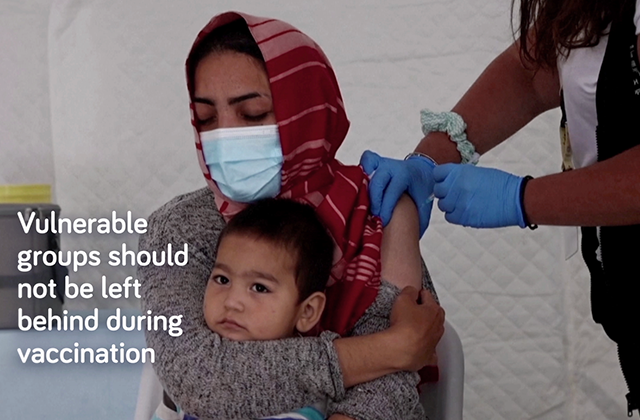
On 16 June, the EU Agency for Fundamental Rights publishes the seventh of its bulletins on the fundamental rights impact of the COVID-19 pandemic. In his vlog FRA Director draws attention to fundamental rights issues related to the roll out of the vaccines in the EU 27 Member States.
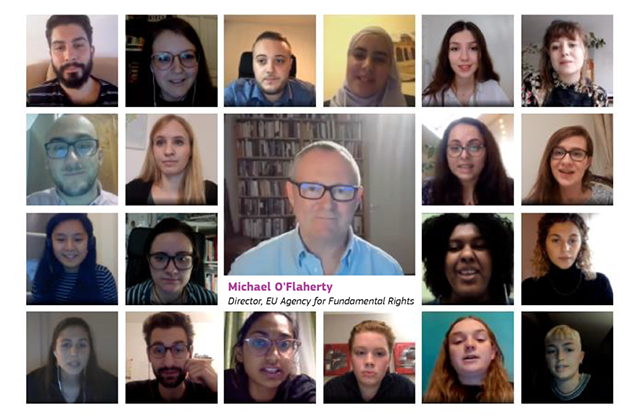
On 13 November, the Fundamental Rights Agency (FRA) hosted its first Fundamental Rights Dialogue - a virtual event that gave young people an opportunity to voice their fundamental rights concerns and discussed ways to solve them with FRA's Director Michael O'Flaherty.
Michael O'Flaherty
FRA Director Michael O'Flaherty addressed a national round-table discussion on 25 May on the role of the Fundamental Rights Charter in the EU. The European Commission Representation in Poland was FRA’s partner for the '20 years of the EU Charter of Fundamental Rights' event.
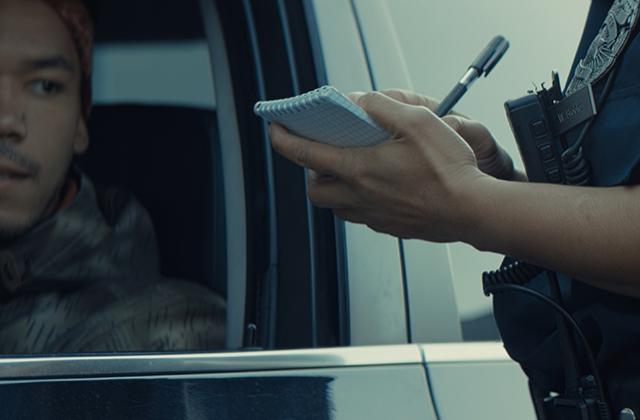
There are many reasons for the police to stop someone. But prejudice should not be one of them. Find out what FRA is doing to end discriminatory police stops.
The COVID-19 pandemic exposed gaps in respecting the fundamental rights to health, education, employment and social protection across society. FRA’s Fundamental Rights Report 2021 plots the pandemic’s wide-ranging impact on rights and suggests how best to address increasing inequalities and threats to societal cohesion.
A new paper by the EU Agency for Fundamental Rights (FRA) reveals the differences between people’s experiences with police stops. It shows that Black people, Asians and Roma are still more likely to be stopped and searched by police, which also affects their trust in policing. FRA will continue providing EU countries with data and guidance to support them in ensuring their policing practices respect people’s fundamental rights.
Michael O'Flaherty
FRA Director, Michael O'Flaherty, delivered a speech during a panel debate reflecting on the current situation facing vulnerable adults and the way forward. The Portuguese Presidency of the Council of the EU hosted the high-level conference on protecting vulnerable adults across Europe. It took place on 30 March 2021.

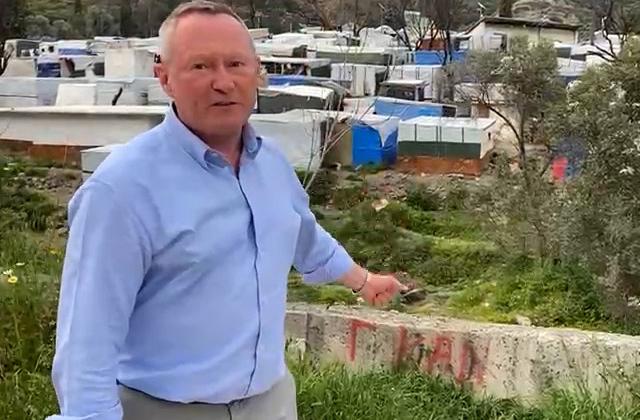
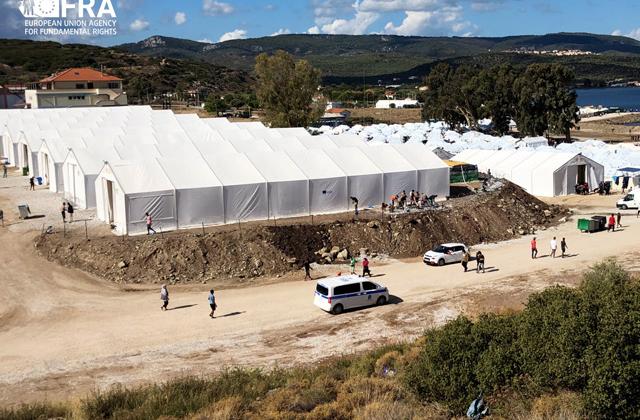
FRA Director Michael O'Flaherty visited the island of Samos, Greece, in April 2021 to get a sense of the reception facilities there. In this video, he acknowledges the efforts being made to improve facilities. He offers the Agency’s continued commitment to support these supports. As an example, he refers to FRA’s guidance on respecting fundamental rights at such facilities that could benefit both migrants and locals.
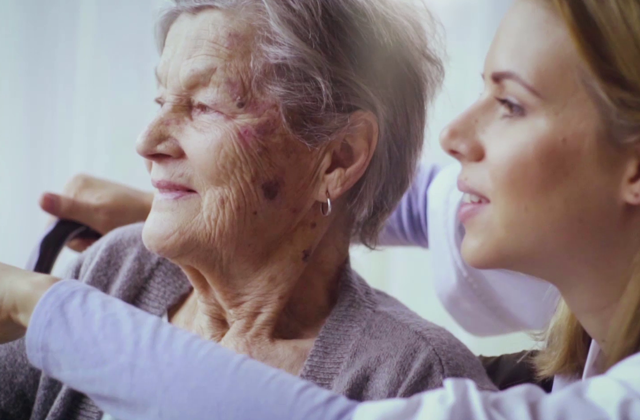
There are many reasons why adults may find themselves in a situation of vulnerability - because of their age, health or disability. Vulnerable people are at greater risk of unfair treatment, exploitation or abuse. And cross-border settings can lead to additional obstacles. It's time to address these challenges and identify the needs of vulnerable adults so everyone can enjoy their fundamental rights.
FRA Director Michael O'Flaherty, in his latest vlog, reflects on the migration situation at the EU’s external borders. He highlights the need for sustained joined-up efforts from all relevant bodies, including civil society, to protect the wellbeing and human rights of migrants. He underlines the importance of working with local communities as we receive migrants into our communities. He also points to room for improvement is our treatment of unaccompanied children.
Presumption of innocence is a core right in criminal justice. Yet, prejudice, bias and practices like presenting defendants in handcuffs undermine this right in many European countries, finds the latest report of the EU Agency for Fundamental Rights (FRA). FRA calls on EU countries to respect the rights of all defendants, regardless of their background.
This video statement by FRA Director Michael O’Flaherty was recorded for the online event '2021 Mayors Summit Against Anti-Semitism' which took place on 16 March 2021. The event was hosted by the city of Frankfurt am Main in partnership with the Combat Anti-Semitism Movement (CAM).
Crime can touch any of us – as witnesses or as victims. But no matter who you are, we all have rights when it comes to justice. These three short clips show some aspects of working together for justice, rights of victims of crime and rights of witnesses of crime.
On 23 February 2021, FRA’s Director, Michael O’Flaherty, listened to fundamental rights concerns and discussed ways to solve them. The second Fundamental Rights Dialogue invited young people to participate in shaping our societies, placing human rights centre stage.
FRA Director Michael O'Flaherty visited the Canary Islands in March 2021 to get a sense of the migration situation there. He highlights the need to support the Canary Islands in relocating unaccompanied children and providing clear procedures on asylum applications.
Two days of stimulating discussions, over 145 different sessions, 6 locations – that was the Fundamental Rights Forum 2021 in a nutshell. With over 3,000 people joining the Forum in Vienna and online, it was the biggest human rights event in Europe this year.
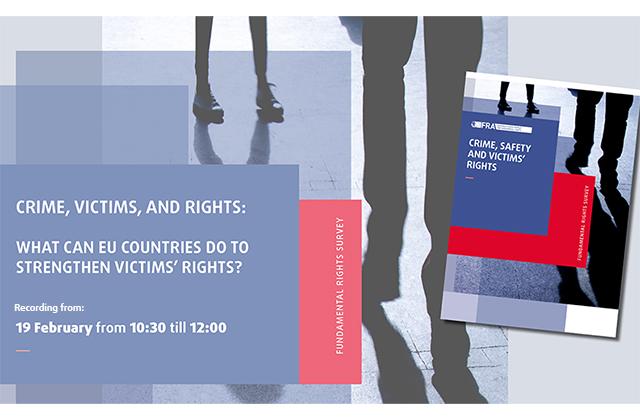
Crime can touch any of us – as witnesses or as victims. But no matter who you are, we all have rights when it comes to justice. It is for this reason that the European Union Agency for Fundamental Rights asked 35,000 people across Europe about their experiences of crime in its Fundamental Rights Survey, and the results are in.