Home

Select site language

  • Български
  • Čeština
  • Dansk
  • Deutsch
  • Ελληνικά
  • English
  • Español
  • Eesti
  • Suomi
  • Français
  • Gaeilge
  • Hrvatski
  • Magyar
  • Italiano
  • Lietuvių
  • Latviešu
  • Malti
  • Nederlands
  • Polski
  • Português
  • Română
  • Slovenčina
  • Slovenščina
  • Svenska

Custom topbar revamped

Home

Search the FRA website

  • Work on rights
    • Menedékjog, migráció és határok
      • A menekültügyi eljárásokhoz való hozzáférés
      • Határok és információs rendszerek
      • Gyermekvédelem
      • Irreguláris migráció, visszaküldés és idegenrendészeti őrizet
      • Legális migráció és integráció
      • Emberkereskedelem és munkaerő-kizsákmányolás
    • Adatvédelem, magánélet és új technológiák
      • Mesterséges intelligencia és nagy adathalmazok
      • Határok és információs rendszerek
      • Adatvédelem
      • Jogellenes profilalkotás
    • Environmental and social sustainability
      • Business and human rights
      • Climate change and environmental protection
      • Consumer protection
      • Human rights due diligence
      • Just and green transition
    • Egyenlőség, megkülönböztetésmentesség és rasszizmus
      • Gyermekek, fiatalok és idősebbek
      • Gyűlölet-bűncselekmények
      • Fogyatékossággal élők
      • Faji és etnikai származás
      • Vallás és meggyőződés
      • Romák
      • Nem, szexuális irányultság és társadalmi nem
    • Igazságszolgáltatás, a sértettek jogai és igazságügyi együttműködés
      • Üzleti tevékenység és emberi jogok
      • Polgári igazságszolgáltatás
      • Vádlottak jogai
      • Igazságügyi együttműködés és jogállamiság
      • Biztonság
      • Bűncselekmények áldozatainak jogai
    • Az emberi jogi rendszerek és jogvédők támogatása
      • Civil társadalom
      • Az Európai Unió Alapjogi Chartája
      • Kormányközi emberi jogi rendszerek
      • Nemzeti emberi jogi rendszerek és szervek
  • Az EU Alapjogi Chartája
    • Preambulum
    • I. Cím: Méltóság
      • Article 1 - Az emberi méltóság
      • Article 2 - Az élethez való jog
      • Article 3 - A személyi sérthetetlenséghez való jog
      • Article 4 - A kínzás és az embertelen vagy megalázó bánásmód és büntetés tilalma
      • Article 5 - A rabszolgaság és a kényszermunka tilalma
    • II. Cím: Szabadságok
      • Article 6 - A szabadsághoz és biztonsághoz való jog
      • Article 7 - A magán
      • Article 8 - A személyes adatok védelme
      • Article 9 - A házasságkötéshez és a családalapításhoz való jog
      • Article 10 - A gondolat-, a lelkiismeret
      • Article 11 - A véleménynyilvánítás és a tájékozódás szabadsága
      • Article 12 - A gyülekezés és az egyesülés szabadsága
      • Article 13 - A művészet és a tudomány szabadsága
      • Article 14 - Az oktatáshoz való jog
      • Article 15 - A foglalkozás megválasztásának szabadsága és a munkavállaláshoz való jog
      • Article 16 - A vállalkozás szabadsága
      • Article 17 - A tulajdonhoz való jog
      • Article 18 - A menedékjog
      • Article 19 - Védelem a kitoloncolással, a kiutasítással és a kiadatással szemben
    • III. Cím: Egyenlőség
      • Article 20 - A törvény előtti egyenlőség
      • Article 21 - A megkülönböztetés tilalma
      • Article 22 - A kulturális, vallási és nyelvi sokféleség
      • Article 23 - A nők és férfiak közötti egyenlőség
      • Article 24 - A gyermekek jogai
      • Article 25 - Az idősek jogai
      • Article 26 - A fogyatékkal élő személyek beilleszkedése
    • IV. Cím: Szolidaritás
      • Article 27 - A munkavállalók joga a vállalkozásnál a tájékoztatáshoz és konzultációhoz
      • Article 28 - A kollektív tárgyaláshoz és fellépéshez való jog
      • Article 29 - A munkaközvetítői szolgáltatások igénybevételéhez való jog
      • Article 30 - Az indokolatlan elbocsátással szembeni védelem
      • Article 31 - Tisztességes és igazságos munkafeltételek
      • Article 32 - A gyermekmunka tilalma és a fiatalok munkahelyi védelme
      • Article 33 - A család és a munka
      • Article 34 - A szociális biztonság és a szociális segítségnyújtás
      • Article 35 - Egészségvédelem
      • Article 36 - Az általános gazdasági érdekű szolgáltatásokhoz való hozzáférés
      • Article 37 - Környezetvédelem
      • Article 38 - A fogyasztók védelme
    • V. Cím: A polgárok jogai
      • Article 39 - Aktív és passzív választójog az európai parlamenti választásokon
      • Article 40 - Aktív és passzív választójog a helyhatósági választásokon
      • Article 41 - A megfelelő ügyintézéshez való jog
      • Article 42 - A dokumentumokhoz való hozzáférés joga
      • Article 43 - Az európai ombudsman
      • Article 44 - A petíciós jog
      • Article 45 - A mozgás és a tartózkodás szabadsága
      • Article 46 - A diplomáciai és konzuli védelem
    • VI. Cím: Igazságszolgáltatás
      • Article 47 - A hatékony jogorvoslathoz és a tisztességes eljáráshoz való jog
      • Article 48 - Az ártatlanság vélelme és a védelemhez való jog
      • Article 49 - A bűncselekmények és büntetések törvényességének és arányosságának elvei
      • Article 50 - A kétszeres eljárás alá vonás és a kétszeres büntetés tilalma
    • VII. Cím: Általános rendelkezések
      • Article 51 - Alkalmazási kör
      • Article 52 - A jogok és elvek hatálya és értelmezése
      • Article 53 - A védelem szintje
      • Article 54 - A joggal való visszaélés tilalma
  • Termékek
    • Publication types
      • Report / Paper / Summary
      • Guide / Handbook / Manual
      • Fundamental Rights Report
      • Opinion / Position paper
      • Factsheet / In Brief
    • All publications and data
      • Publications
      • Data
      • Videos
  • Tools
    • Anti-Muslim hatred database
    • Case-law database
    • Charterpedia
    • Criminal detention database
    • Data visualisation
    • Equality data collection: promising practices
    • EU Fundamental Rights Information System - EFRIS
    • Fighting hate crime: promising practices
    • FRA e-learning platform
    • National human rights structures navigator
  • Newsroom
    • Media contacts
    • News
    • Press releases
    • Stories
    • Events
      • Past Events
    • FRA products 2026
      • FRA products 2025
      • FRA products 2024
      • FRA products 2023
      • FRA products 2022
      • FRA products 2021
      • FRA Products 2020
      • FRA Products 2019
    • Multimedia
      • Videos
      • Infographics
      • Podcasts
    • Speeches
    • Press packs
      • EU LGBTIQ survey - Press pack
      • Fundamental Rights Survey
      • EU LGBTI survey II
      • From institutions to community living for persons with disabilities: perspectives from the ground
      • Second European Union Minorities and Discrimination Survey – Main results
      • Second European Union Minorities and Discrimination Survey (EU-MIDIS II) Muslims
      • Together in the EU: Promoting the participation of migrants and their descendants
      • Second European Union Minorities and Discrimination Survey (EU-MIDIS II) Roma
      • Severe labour exploitation in the EU
      • Child-friendly justice – perspectives and experiences of professionals: Press pack
      • Fundamental rights at EU borders
      • Violence against women press pack
      • Jewish people’s experiences and perceptions of hate crime, discrimination and antisemitism
      • EU LGBT Press pack
      • Child-friendly justice – perspectives and experiences of children
    • Newsletter
  • Együttműködés
  • Az FRA-ról
    • Who we are
      • Structure of FRA
      • Management Board
        • Management Board members
        • Management Board meeting documents
      • Executive Board
      • Scientific Committee
        • Scientific Committee members
      • Director
      • Management team
    • What we do
      • Research and data
      • FRA for children
        • What are my rights?
        • Where do my rights come from?
      • Areas of work
      • Work Programme
        • Archive
      • Annual Activity report
        • Archive
      • Projects
    • Working at FRA
      • Vacancies and selections
        • Previous vacancies
      • What we offer
      • Work-life balance
      • Application instructions
      • Seconded National Experts
      • Traineeship
      • Study visits at FRA
    • Procurement
      • Ongoing procedures
      • Closed procedures
      • Contracts awarded
    • Finance and budget
      • Financial Rules
      • Financial documents
    • A dokumentumokhoz való hozzáférés
      • Access to documents
      • A dokumentumokhoz való hozzáférés iránti kérelem
    • Data protection within FRA
      • Records registry
  • Account
    • Log in

Main Revamped menu

  • Work on rights

    Work on Rights

    FRA aims to build a culture of fundamental rights in the EU.

    Browse all work areas
    • Menedékjog, migráció és határok
    • Adatvédelem, magánélet és új technológiák
    • Environmental and social sustainability
    • Egyenlőség, megkülönböztetésmentesség és rasszizmus
    • Igazságszolgáltatás, a sértettek jogai és igazságügyi együttműködés
    • Az emberi jogi rendszerek és jogvédők támogatása
    Menedékjog, migráció és határok
    • A menekültügyi eljárásokhoz való hozzáférés
    • Határok és információs rendszerek
    • Gyermekvédelem
    • Irreguláris migráció, visszaküldés és idegenrendészeti őrizet
    • Legális migráció és integráció
    • Emberkereskedelem és munkaerő-kizsákmányolás
    Adatvédelem, magánélet és új technológiák
    • Mesterséges intelligencia és nagy adathalmazok
    • Határok és információs rendszerek
    • Adatvédelem
    • Jogellenes profilalkotás
    Environmental and social sustainability
    • Business and human rights
    • Climate change and environmental protection
    • Consumer protection
    • Human rights due diligence
    • Just and green transition
    Egyenlőség, megkülönböztetésmentesség és rasszizmus
    • Gyermekek, fiatalok és idősebbek
    • Gyűlölet-bűncselekmények
    • Fogyatékossággal élők
    • Faji és etnikai származás
    • Vallás és meggyőződés
    • Romák
    • Nem, szexuális irányultság és társadalmi nem
    Igazságszolgáltatás, a sértettek jogai és igazságügyi együttműködés
    • Üzleti tevékenység és emberi jogok
    • Polgári igazságszolgáltatás
    • Vádlottak jogai
    • Igazságügyi együttműködés és jogállamiság
    • Biztonság
    • Bűncselekmények áldozatainak jogai
    Az emberi jogi rendszerek és jogvédők támogatása
    • Civil társadalom
    • Az Európai Unió Alapjogi Chartája
    • Kormányközi emberi jogi rendszerek
    • Nemzeti emberi jogi rendszerek és szervek
  • Az EU Alapjogi Chartája

    EU Charter of Fundamental Rights

    • EU Charter and Charter resources
    • Explore the EU Charter through Charterpedia
    • FRA Charter material and tools
    • Preambulum
    • I. Cím: Méltóság
    • II. Cím: Szabadságok
    • III. Cím: Egyenlőség
    • IV. Cím: Szolidaritás
    • V. Cím: A polgárok jogai
    • VI. Cím: Igazságszolgáltatás
    • VII. Cím: Általános rendelkezések
    I. Cím: Méltóság
    • Article 1 - Az emberi méltóság
    • Article 2 - Az élethez való jog
    • Article 3 - A személyi sérthetetlenséghez való jog
    • Article 4 - A kínzás és az embertelen vagy megalázó bánásmód és büntetés tilalma
    • Article 5 - A rabszolgaság és a kényszermunka tilalma
    II. Cím: Szabadságok
    • Article 6 - A szabadsághoz és biztonsághoz való jog
    • Article 7 - A magán
    • Article 8 - A személyes adatok védelme
    • Article 9 - A házasságkötéshez és a családalapításhoz való jog
    • Article 10 - A gondolat-, a lelkiismeret
    • Article 11 - A véleménynyilvánítás és a tájékozódás szabadsága
    • Article 12 - A gyülekezés és az egyesülés szabadsága
    • Article 13 - A művészet és a tudomány szabadsága
    • Article 14 - Az oktatáshoz való jog
    • Article 15 - A foglalkozás megválasztásának szabadsága és a munkavállaláshoz való jog
    • Article 16 - A vállalkozás szabadsága
    • Article 17 - A tulajdonhoz való jog
    • Article 18 - A menedékjog
    • Article 19 - Védelem a kitoloncolással, a kiutasítással és a kiadatással szemben
    III. Cím: Egyenlőség
    • Article 20 - A törvény előtti egyenlőség
    • Article 21 - A megkülönböztetés tilalma
    • Article 22 - A kulturális, vallási és nyelvi sokféleség
    • Article 23 - A nők és férfiak közötti egyenlőség
    • Article 24 - A gyermekek jogai
    • Article 25 - Az idősek jogai
    • Article 26 - A fogyatékkal élő személyek beilleszkedése
    IV. Cím: Szolidaritás
    • Article 27 - A munkavállalók joga a vállalkozásnál a tájékoztatáshoz és konzultációhoz
    • Article 28 - A kollektív tárgyaláshoz és fellépéshez való jog
    • Article 29 - A munkaközvetítői szolgáltatások igénybevételéhez való jog
    • Article 30 - Az indokolatlan elbocsátással szembeni védelem
    • Article 31 - Tisztességes és igazságos munkafeltételek
    • Article 32 - A gyermekmunka tilalma és a fiatalok munkahelyi védelme
    • Article 33 - A család és a munka
    • Article 34 - A szociális biztonság és a szociális segítségnyújtás
    • Article 35 - Egészségvédelem
    • Article 36 - Az általános gazdasági érdekű szolgáltatásokhoz való hozzáférés
    • Article 37 - Környezetvédelem
    • Article 38 - A fogyasztók védelme
    V. Cím: A polgárok jogai
    • Article 39 - Aktív és passzív választójog az európai parlamenti választásokon
    • Article 40 - Aktív és passzív választójog a helyhatósági választásokon
    • Article 41 - A megfelelő ügyintézéshez való jog
    • Article 42 - A dokumentumokhoz való hozzáférés joga
    • Article 43 - Az európai ombudsman
    • Article 44 - A petíciós jog
    • Article 45 - A mozgás és a tartózkodás szabadsága
    • Article 46 - A diplomáciai és konzuli védelem
    VI. Cím: Igazságszolgáltatás
    • Article 47 - A hatékony jogorvoslathoz és a tisztességes eljáráshoz való jog
    • Article 48 - Az ártatlanság vélelme és a védelemhez való jog
    • Article 49 - A bűncselekmények és büntetések törvényességének és arányosságának elvei
    • Article 50 - A kétszeres eljárás alá vonás és a kétszeres büntetés tilalma
    VII. Cím: Általános rendelkezések
    • Article 51 - Alkalmazási kör
    • Article 52 - A jogok és elvek hatálya és értelmezése
    • Article 53 - A védelem szintje
    • Article 54 - A joggal való visszaélés tilalma
  • Termékek

    Termékek

    • Fundamental Rights Report - Challenges and Achievements in 2025 - Cover
      Fundamental Rights Report

      Fundamental Rights Report - Challenges and achievements in 2025

      11
      June
      2026

    Publication types

    • Report / Paper / Summary
    • Guide / Handbook / Manual
    • Fundamental Rights Report
    • Opinion / Position paper
    • Factsheet / In Brief

    All publications and data

    • Publications
    • Data
    • Videos
    Search publication and data
  • Tools

    Tools

    A collection of tools and databases by the FRA on various human rights-related topics.

    • Data explorer

      EU Survey on Immigrants and Descendants of Immigrants (EU-MIDIS III)

    • Anti-Muslim hatred database
    • Case-law database
    • Charterpedia
    • Criminal detention database
    • Data visualisation
    • Equality data collection: promising practices
    • EU Fundamental Rights Information System - EFRIS
    • Fighting hate crime: promising practices
    • FRA e-learning platform
    • National human rights structures navigator
  • Newsroom
  • Együttműködés
  • Az FRA-ról

You are here

  • Home
  • Work On Rights
  • Environmental and social sustainability
  • Climate change and environmental protection
  • Towards a fundamental rights-compliant European Green Deal
Report / Paper / Summary
15
January
2025

Towards a fundamental rights-compliant European Green Deal

Climate change affects the daily lives of everyone in the EU and has significant environmental, economic, social and health impacts. To tackle this, the European Green Deal was adopted in 2019. This report examines the Green Deal from a fundamental rights perspective, with the aim of protecting the right to a safe, clean, healthy and sustainable environment for all. It highlights the lack of fundamental rights in EU climate policy and the need to incorporate these rights into future legislation. It also considers how applying a human-rights-based approach to climate policy could support a fair and inclusive transition.
Towards a fundamental rights-compliant European Green Deal
glebzter/AdobeStock
Read news item
  • Read Online
  • Related Content

TABLE OF CONTENT

  • Introduction
  • 1. A human-rights-based approach to the Green Deal
  • 2. The human right to a safe, clean, healthy and sustainable environment
    • 2.1. The European Union’s commitment to environmental protection
    • 2.2. International recognition of the human right to a safe, clean, healthy and sustainable environment
    • 2.3. The Council of Europe and the human right to a safe, clean, healthy and sustainable environment
  • 3. The Green Deal through a fundamental rights lens
    • 3.1. EU funds and the common provisions regulation
      • 3.1.1. Just Transition Mechanism & Social Climate Fund
      • 3.1.2. Recovery and Resilience Facility
    • 3.2. EU action to address energy poverty
    • 3.3. The European Pillar of Social Rights
    • 3.4. The EU environment action programme to 2030
  • 4. Challenges from existing EU legislation and policies
    • 4.1. Reinforcing existing inequalities through the green transition
    • 4.2. Climate change, health and impact on vulnerable groups
    • 4.3. Energy poverty and fundamental rights
    • 4.4. Employment and green jobs in the just transition
    • 4.5. Equal access to essential services
    • 4.6. Monitoring the just transition
  • Ways forward
    • Systematic integration of fundamental rights in the EU’s green transition
    • Effective application of fundamental rights as enabling conditions of EU funds
    • A monitoring framework for a just transition
    • Ensure effective participation
    • Access to justice and adequate enforcement
  • Abbreviations
  • About this publication
Search inside this publication
Export to PDF


Abbreviations

  • CSDDD - corporate sustainability due diligence directive
  • CRPD - Convention on the Rights of Persons with Disabilities
  • EAP - environment action programme
  • ECHR - European Convention on Human Rights
  • ECtHR - European Court of Human Rights
  • EEA - European Environmental Agency
  • EPSR - European Pillar of Social Rights
  • ESC - European Social Charter
  • EU - European Union
  • Eurofound - European Foundation for the Improvement of Living and Working Conditions
  • HRBA - human-rights-based approach
  • JTF - Just Transition Fund
  • NGO - non-governmental organisation
  • RRF - Recovery and Resilience Facility
  • SCF - Social Climate Fund
  • SDG - sustainable development goals
  • TEU - Treaty on European Union
  • TFEU - Treaty on the Functioning of the European Union
  • UN - United Nations
Previous SectionWays forwardNext SectionAbout this publication

Related Content

Fundamental Rights Report
11
June
2026

Fundamental Rights Report - Challenges and achievements in 2025

The Fundamental Rights Report: Challenges and Achievements in 2025 is FRA’s flagship annual publication. It provides an overview of the state of fundamental rights in the EU and highlights selected critical developments from 2025. This year, it focuses on four areas: rights protection in a rapidly changing digital environment; the housing crisis and rising homelessness rates; employment challenges for people from non-EU countries; and the implementation of the EU Charter of Fundamental Rights. The publication is a valuable resource for those seeking to stay informed about the EU’s shifting landscape of fundamental rights.
Woman holding European Union flag against blue sky
New Africa / adobestock.com, 2026
Report / Paper / Summary
29
January
2026

Fundamental rights and housing in the EU’s climate and energy transition

Making homes energy efficient and equipping them with clean energy can help the EU to reach its climate and energy goals. These measures improve living conditions and support fighting energy poverty, but they can also compromise affordability and displace low-income families. This report looks at housing renovation and clean energy installation programmes and wider EU climate and energy transition policies. It analyses their impact on fundamental rights. It finds that measures often inadvertently exclude people or risk exacerbating existing inequalities. Climate and social policies must comply with fundamental rights obligations. This report builds on FRA’s 2025 publication: Towards a fundamental rights-compliant European Green Deal.
Photograph of an elderly couple which is covered in blankets and is sitting next to a heater studying a bill.
AdobeStock@257248327
In brief / Factsheet
15
December
2025

Climate change - ECtHR and CJEU Case-Law

This factsheet outlines key judgments of the Court of Justice of the European Union (CJEU) and the European Court of Human Rights (ECtHR) relating to the intersection of climate change and human rights. The issues examined include territorial jurisdiction, standards of protection, standing and victim status, and procedural guarantees in climate-related cases, including the rights of access to information. It is intended to assist legal practitioners, policymakers, and researchers in understanding and applying the evolving human rights jurisprudence in the context of climate change within the European legal space.
Report / Paper / Summary
8
December
2025

Better legislation – Human rights impact assessments in lawmaking

This report examines how human rights impact assessments (HRIAs) are built into lawmaking across the EU and its Member States. It highlights that, although progress has been made, the use of HRIAs remains uneven and often superficial. In many EU countries, the EU Charter of Fundamental Rights is frequently overlooked. The report identifies insufficient consultation with external experts, limited stakeholder participation and a lack of evaluation once laws are in force. To address these gaps, it offers practical recommendations for more systematic, inclusive and evidence-based HRIAs that strengthen human rights protection and ensure better, more accountable legislation throughout the EU.
Creative collage of law and justice, gavel and scales
BillionPhotos.com / adobestock.com, 2025
Fundamental Rights Report
10
June
2025

Fundamental Rights Report 2025 - FRA opinions

This publication is an excerpt from the Fundamental Rights Report 2025, the annual report of the European Union Agency for Fundamental Rights (FRA). It presents selected critical developments in fundamental rights in 2024, as well as the key findings and FRA opinions from the report’s chapters.
Fundamental Rights Report
10
June
2025

Fundamental Rights Report 2025

The Fundamental Rights Report 2025 is the annual report of the European Union Agency for Fundamental Rights (FRA). It provides an overview of the state of fundamental rights in the EU and highlights selected critical developments and trends in 2024. The report covers issues such as inclusive elections, gender-based violence, and the implementation of the EU Charter of Fundamental Rights. It presents FRA’s opinions on these developments, setting out the actions that the EU and Member States should take. This annual publication is a valuable resource for those seeking to stay informed about the EU’s shifting landscape of fundamental rights.
Lady justice with EU flag as background
respiro888 / Adobestock.com, 2019
Report / Paper / Summary
25
October
2024

Being Muslim in the EU - Experiences of Muslims

Racism towards Muslims is increasing in countries across the EU. Muslims face racial discrimination and racist harassment because of their religion, skin colour or ethnic background. This report shows a sharp rise since the last survey in 2016.
Fundamental Rights Report
5
June
2024

Fundamental Rights Report 2024

FRA’s Fundamental Rights Report 2024 analyses the year’s developments in fundamental rights. It focuses on the most pressing fundamental rights concerns facing Europe in 2023: the cost-of-living crisis, rights concerns at the EU’s external borders and migration, and threats to democracy. Re-structured, this year’s new approach is a shorter and sharper analysis. It also presents FRA’s opinions on these developments, including a summary of the evidence supporting these opinions.
FRA's Fundamental rights report 2024
Report / Paper / Summary
7
March
2024

Enforcing consumer rights to combat greenwashing

Tackling greenwashing is an issue where human rights, consumer rights and climate goals align. Companies use greenwashing to convince people to buy products that are not always as environmentally friendly as they claim to be. They mislead consumers and harm the environment. This report shows how a human rights approach can combat greenwashing. It is based on consultations with experts in 10 Member States. The report identifies gaps in existing laws and enforcement. It includes case studies of consumers seeking remedies for misleading environmental claims.
Industry smoking chimneys with forest overlay.
Report / Paper / Summary
31
January
2024

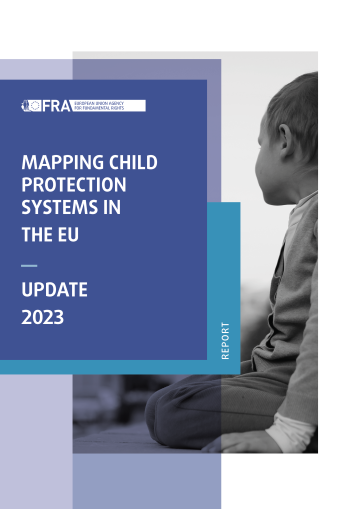
Mapping Child Protection Systems in the EU – Update 2023

Children’s rights exist to ensure the safety and wellbeing of every child. Improved child protection systems ensure that these rights are met. In recent years, the EU has taken significant steps to improve child protection systems. This mapping of child protection systems gives an overview of the state of such systems at national level and developments since 2015. It promotes the improvement of integrated child protection systems. It is an update of FRA’s mapping of child protection systems in 2015, based on data collected in 2023 in the 27 EU Member States. By publishing this, FRA aims to support securing the sustainable well-being, safety and rights of all children living in the EU.
Report / Paper / Summary
25
October
2023

Being Black in the EU – Experiences of people of African descent

FRA's first Being Black in the EU report exposed widespread and entrenched racism against people of African descent in Europe. Now updated with new data, this report revisits the situation revealing persistent racial discrimination, harassment and violence. Overall, experiences of racial discrimination increased in the EU countries since 2016, reaching as high as 77%. The lack of progress is alarming despite binding anti-discrimination law in the EU since 2000 and significant EU policy developments since then.
Montage of faces of various Black people.
Report / Paper / Summary
20
October
2023

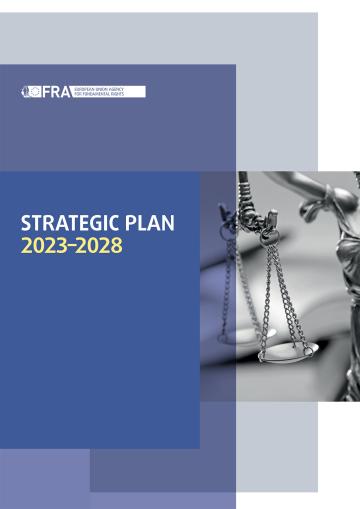
FRA Strategic Plan 2023-2028

FRA’s strategic priorities and objectives are based on the agency’s role and mission as defined in its amended founding regulation. They build on FRA’s 2018–2022 strategy as well as how it performed, its experience and its vision. Their design takes into account future fundamental rights challenges facing Europe, the agency’s mandate, the broader operational context and the resources available.
Handbook / Guide / Manual
20
March
2023

Implementing the UN Convention on the Rights of Persons with Disabilities: Human rights indicators

This guide helps independent national monitoring frameworks to fulfil their monitoring responsibility set out in Article 33 of the Convention on the Rights of Persons with Disabilities (CRPD). It focuses on the use of indicators. It does not deal with aspects such as compliance with the Paris Principles or the efficiency of complaints mechanisms. Its objective is to support national monitoring frameworks in designing or improving indicators for assessing progress of CRPD implementation at national level.
Little Girl With Down Syndrome And Boy Hugging
kali9 © iStockphoto.com, 2022
Report / Paper / Summary
25
October
2022
02 November 2022

Roma in 10 European Countries - Main results

This report presents findings from FRA’s 2021 survey on Roma in Croatia, Czechia, Greece, Hungary, Italy, Portugal, Romania and Spain, as well as in North Macedonia and Serbia. The survey includes interviews with more than 8,400 Roma, collecting information on more than 20,000 individuals living in their households. By focusing on Roma, the survey provides unique data and information that are not available from European general population surveys, which do not disaggregate on grounds of ethnic origin. The findings present a bleak but familiar picture of exclusion, deprivation, discrimination and racism.
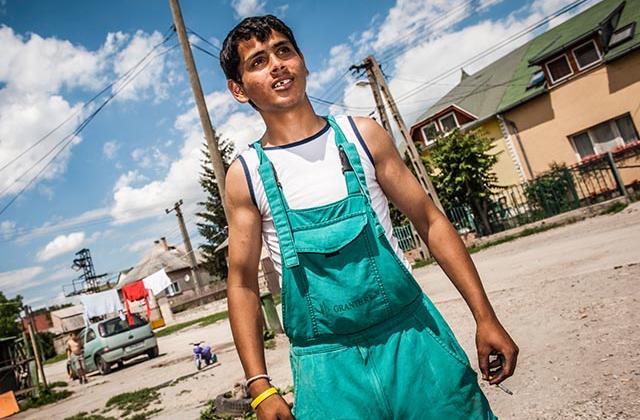
Roma man outside housing in Hungary
Christophe Vander Eecken / EEA and Norway Grants
Az FRA-RÓL

Bővebb információ az Ügynökségről és tevékenységéről.

  • Az FRA-ról
  • az Európai Unió Alapjogi Chartája
  • Hová fordulhat segítségért?
  • Hírek
  • Iratkozzon fel híreinkre
Kapcsolat

Address

European Union Agency for Fundamental Rights
Rennweg 12
1030 Vienna, Austria

E-mail

Írjon nekünk

Newsletter

Iratkozzon fel híreinkre!s

  • Facebook
  • Twitter
  • LinkedIn
  • YouTube
  • Newsletter
  • E-mail
  • RSS

© European Union Agency for Fundamental Rights, 2007-2026

  • About this website
  • Legal notice
  • Cookies
  • Data Protection
  • Accessibility

Custom Topbar

Home

Search the FRA website

    • Work on rights
    • Az EU Alapjogi Chartája
      • Mik azok az alapvető jogok?
      • What is the EU Charter of Fundamental Rights?
      • Preambulum
      • I. Cím: Méltóság
        • 1 - Az emberi méltóság
        • 2 - Az élethez való jog
        • 3 - A személyi sérthetetlenséghez való jog
        • 4 - A kínzás és az embertelen vagy megalázó bánásmód és büntetés tilalma
        • 5 - A rabszolgaság és a kényszermunka tilalma
      • II. Cím: Szabadságok
        • 6 - A szabadsághoz és biztonsághoz való jog
        • 7 - A magán
        • 8 - A személyes adatok védelme
        • 9 - A házasságkötéshez és a családalapításhoz való jog
        • 10 - A gondolat-, a lelkiismeret
        • 11 - A véleménynyilvánítás és a tájékozódás szabadsága
        • 12 - A gyülekezés és az egyesülés szabadsága
        • 13 - A művészet és a tudomány szabadsága
        • 14 - Az oktatáshoz való jog
        • 15 - A foglalkozás megválasztásának szabadsága és a munkavállaláshoz való jog
        • 16 - A vállalkozás szabadsága
        • 17 - A tulajdonhoz való jog
        • 18 - A menedékjog
        • 19 - Védelem a kitoloncolással, a kiutasítással és a kiadatással szemben
      • III. Cím: Egyenlőség
        • 20 - A törvény előtti egyenlőség
        • 21 - A megkülönböztetés tilalma
        • 22 - A kulturális, vallási és nyelvi sokféleség
        • 23 - A nők és férfiak közötti egyenlőség
        • 24 - A gyermekek jogai
        • 25 - Az idősek jogai
        • 26 - A fogyatékkal élő személyek beilleszkedése
      • IV. Cím: Szolidaritás
        • 27 - A munkavállalók joga a vállalkozásnál a tájékoztatáshoz és konzultációhoz
        • 28 - A kollektív tárgyaláshoz és fellépéshez való jog
        • 29 - A munkaközvetítői szolgáltatások igénybevételéhez való jog
        • 30 - Az indokolatlan elbocsátással szembeni védelem
        • 31 - Tisztességes és igazságos munkafeltételek
        • 32 - A gyermekmunka tilalma és a fiatalok munkahelyi védelme
        • 33 - A család és a munka
        • 34 - A szociális biztonság és a szociális segítségnyújtás
        • 35 - Egészségvédelem
        • 36 - Az általános gazdasági érdekű szolgáltatásokhoz való hozzáférés
        • 37 - Környezetvédelem
        • 38 - A fogyasztók védelme
      • V. Cím: A polgárok jogai
        • 39 - Aktív és passzív választójog az európai parlamenti választásokon
        • 40 - Aktív és passzív választójog a helyhatósági választásokon
        • 41 - A megfelelő ügyintézéshez való jog
        • 42 - A dokumentumokhoz való hozzáférés joga
        • 43 - Az európai ombudsman
        • 44 - A petíciós jog
        • 45 - A mozgás és a tartózkodás szabadsága
        • 46 - A diplomáciai és konzuli védelem
      • VI. Cím: Igazságszolgáltatás
        • 47 - A hatékony jogorvoslathoz és a tisztességes eljáráshoz való jog
        • 48 - Az ártatlanság vélelme és a védelemhez való jog
        • 49 - A bűncselekmények és büntetések törvényességének és arányosságának elvei
        • 50 - A kétszeres eljárás alá vonás és a kétszeres büntetés tilalma
      • VII. Cím: Általános rendelkezések
        • 51 - Alkalmazási kör
        • 52 - A jogok és elvek hatálya és értelmezése
        • 53 - A védelem szintje
        • 54 - A joggal való visszaélés tilalma
    • Tools
      • EU Fundamental Rights Information System - EFRIS
      • Criminal detention database
      • Anti-Muslim hatred database
      • National human rights structures navigator
      • Case-law database
      • Charterpedia
      • FRA e-learning platform
      • Data visualisation
      • Equality data collection: promising practices
      • Fighting hate crime: promising practices
    • Termékek
  • About FRA
    • Who we are
      • Structure of FRA
      • Management Board
        • Management Board members
        • Management Board meeting documents
      • Executive Board
      • Scientific Committee
        • Scientific Committee members
      • Director
      • Management team
    • What we do
      • Research and data
      • FRA for children
        • What are my rights?
        • Where do my rights come from?
      • Areas of work
      • Work Programme
        • Archive
      • Annual Activity report
        • Archive
      • Projects
    • Working at FRA
      • Vacancies and selections
        • Previous vacancies
      • What we offer
      • Work-life balance
      • Application instructions
      • Seconded National Experts
      • Traineeship
      • Study visits at FRA
    • Procurement
      • Ongoing procedures
      • Closed procedures
      • Contracts awarded
    • Finance and budget
      • Financial Rules
      • Financial documents
    • A dokumentumokhoz való hozzáférés
      • Access to documents
      • A dokumentumokhoz való hozzáférés iránti kérelem
    • Data protection within FRA
      • Records registry
  • Cooperation
    • Uniós intézmények és más szervek
      • European Parliament
      • Council of the European Union
      • European Commission
      • EU agencies
        • Justice and Home Affairs Agencies Network
      • European Committee of the Regions
      • European Economic and Social Committee
      • European Ombudsman
      • EU CRPD Framework
        • Promotion
        • Protection
        • Monitoring
        • Review process
        • Resources
    • Az EU tagállamai
      • National Liaison Officers
      • National Parliaments
    • Európa Tanács
    • A civil társadalom és az alapjogi platform
      • FRP organisations
      • Activities
      • Civic space
      • Platform library
      • How to register
    • Nemzeti emberi jogi intézmények, egyenlőségi szervek és ombudsmani intézmények
    • Az ENSZ, az EBESZ és más nemzetközi szervezetek
      • EEA and Norway Grants
  • Newsroom
    • Media contacts
    • News
    • Press releases
    • Stories
    • Events
      • Past Events
    • FRA products 2026
      • FRA products 2025
      • FRA products 2024
      • FRA products 2023
      • FRA products 2022
      • FRA products 2021
      • FRA Products 2020
      • FRA Products 2019
    • Multimedia
      • Videos
      • Infographics
      • Podcasts
    • Speeches
    • Press packs
      • EU LGBTIQ survey - Press pack
      • Fundamental Rights Survey
      • EU LGBTI survey II
      • From institutions to community living for persons with disabilities: perspectives from the ground
      • Second European Union Minorities and Discrimination Survey – Main results
      • Second European Union Minorities and Discrimination Survey (EU-MIDIS II) Muslims
      • Together in the EU: Promoting the participation of migrants and their descendants
      • Second European Union Minorities and Discrimination Survey (EU-MIDIS II) Roma
      • Severe labour exploitation in the EU
      • Child-friendly justice – perspectives and experiences of professionals: Press pack
      • Fundamental rights at EU borders
      • Violence against women press pack
      • Jewish people’s experiences and perceptions of hate crime, discrimination and antisemitism
      • EU LGBT Press pack
      • Child-friendly justice – perspectives and experiences of children
    • Newsletter
  • Account
    • Log in

Top Menu

  • Az FRA-ról
  • Együttműködés
  • Newsroom
  • Cookies
  • Contact

Main menu

Home
  • Work on rights
  • Az EU Alapjogi Chartája
    Az EU Alapjogi Chartája
    • Mik azok az alapvető jogok?
    • What is the EU Charter of Fundamental Rights?
    • Preambulum
    • I. Cím: Méltóság
      • 1 - Az emberi méltóság
      • 2 - Az élethez való jog
      • 3 - A személyi sérthetetlenséghez való jog
      • 4 - A kínzás és az embertelen vagy megalázó bánásmód és büntetés tilalma
      • 5 - A rabszolgaság és a kényszermunka tilalma
    • II. Cím: Szabadságok
      • 6 - A szabadsághoz és biztonsághoz való jog
      • 7 - A magán
      • 8 - A személyes adatok védelme
      • 9 - A házasságkötéshez és a családalapításhoz való jog
      • 10 - A gondolat-, a lelkiismeret
      • 11 - A véleménynyilvánítás és a tájékozódás szabadsága
      • 12 - A gyülekezés és az egyesülés szabadsága
      • 13 - A művészet és a tudomány szabadsága
      • 14 - Az oktatáshoz való jog
      • 15 - A foglalkozás megválasztásának szabadsága és a munkavállaláshoz való jog
      • 16 - A vállalkozás szabadsága
      • 17 - A tulajdonhoz való jog
      • 18 - A menedékjog
      • 19 - Védelem a kitoloncolással, a kiutasítással és a kiadatással szemben
    • III. Cím: Egyenlőség
      • 20 - A törvény előtti egyenlőség
      • 21 - A megkülönböztetés tilalma
      • 22 - A kulturális, vallási és nyelvi sokféleség
      • 23 - A nők és férfiak közötti egyenlőség
      • 24 - A gyermekek jogai
      • 25 - Az idősek jogai
      • 26 - A fogyatékkal élő személyek beilleszkedése
    • IV. Cím: Szolidaritás
      • 27 - A munkavállalók joga a vállalkozásnál a tájékoztatáshoz és konzultációhoz
      • 28 - A kollektív tárgyaláshoz és fellépéshez való jog
      • 29 - A munkaközvetítői szolgáltatások igénybevételéhez való jog
      • 30 - Az indokolatlan elbocsátással szembeni védelem
      • 31 - Tisztességes és igazságos munkafeltételek
      • 32 - A gyermekmunka tilalma és a fiatalok munkahelyi védelme
      • 33 - A család és a munka
      • 34 - A szociális biztonság és a szociális segítségnyújtás
      • 35 - Egészségvédelem
      • 36 - Az általános gazdasági érdekű szolgáltatásokhoz való hozzáférés
      • 37 - Környezetvédelem
      • 38 - A fogyasztók védelme
    • V. Cím: A polgárok jogai
      • 39 - Aktív és passzív választójog az európai parlamenti választásokon
      • 40 - Aktív és passzív választójog a helyhatósági választásokon
      • 41 - A megfelelő ügyintézéshez való jog
      • 42 - A dokumentumokhoz való hozzáférés joga
      • 43 - Az európai ombudsman
      • 44 - A petíciós jog
      • 45 - A mozgás és a tartózkodás szabadsága
      • 46 - A diplomáciai és konzuli védelem
    • VI. Cím: Igazságszolgáltatás
      • 47 - A hatékony jogorvoslathoz és a tisztességes eljáráshoz való jog
      • 48 - Az ártatlanság vélelme és a védelemhez való jog
      • 49 - A bűncselekmények és büntetések törvényességének és arányosságának elvei
      • 50 - A kétszeres eljárás alá vonás és a kétszeres büntetés tilalma
    • VII. Cím: Általános rendelkezések
      • 51 - Alkalmazási kör
      • 52 - A jogok és elvek hatálya és értelmezése
      • 53 - A védelem szintje
      • 54 - A joggal való visszaélés tilalma
  • Tools
    Tools
    • EU Fundamental Rights Information System - EFRIS
    • Criminal detention database
    • Anti-Muslim hatred database
    • National human rights structures navigator
    • Case-law database
    • Charterpedia
    • FRA e-learning platform
    • Data visualisation
    • Equality data collection: promising practices
    • Fighting hate crime: promising practices
  • Termékek