Top Menu

  • About FRA
  • Cooperation
  • Newsroom
  • Cookies
  • Contact

Select site language

  • Български
  • Čeština
  • Dansk
  • Deutsch
  • Ελληνικά
  • English
  • Español
  • Eesti
  • Suomi
  • Français
  • Gaeilge
  • Hrvatski
  • Magyar
  • Italiano
  • Lietuvių
  • Latviešu
  • Malti
  • Nederlands
  • Polski
  • Português
  • Română
  • Slovenčina
  • Slovenščina
  • Svenska

Custom Topbar

Home

Search the FRA website

      • Work on rights
        • Justice, victims’ rights and judicial cooperation
          • Victims’ rights
          • Defendants’ rights
          • Civil justice
          • Judicial cooperation and rule of law
          • Security
          • Business and human rights
        • Equality, non-discrimination and racism
          • Children, youth and older people
          • People with disabilities
          • Hate crime
          • Racial and ethnic origin
          • Religion and belief
          • Roma
          • Sex, sexual orientation and gender
        • Asylum, migration and borders
          • Access to asylum
          • Borders and information systems
          • Child protection
          • Irregular migration, return and immigration detention
          • Legal migration and integration
          • Trafficking and labour exploitation
        • Data protection, privacy and new technologies
          • Artificial intelligence and big data
          • Borders and information systems
          • Data protection
          • Unlawful profiling
        • Support for human rights systems and defenders
          • EU Charter of Fundamental Rights
          • Inter-governmental human rights systems
          • National human rights systems and bodies
          • Civil society
        • Environmental and social sustainability
          • Climate change and environmental protection
          • Just and green transition
          • Business and human rights
          • Human rights due diligence
          • Consumer protection
      • EU Charter of Fundamental Rights
        • What are fundamental rights ?
        • What is the EU Charter of Fundamental Rights?
        • Preamble
        • Title I: Dignity
          • 1 - Human dignity
          • 2 - Right to life
          • 3 - Right to integrity of the person
          • 4 - Prohibition of torture and inhuman or degrading treatment or punishment
          • 5 - Slavery / Forced Labour
        • Title II: Freedoms
          • 6 - Right to liberty and security
          • 7 - Respect for private and family life
          • 8 - Protection of personal data
          • 9 - Right to marry and right to found a family
          • 10 - Freedom of thought, conscience and religion
          • 11 - Freedom of expression and information
          • 12 - Freedom of assembly and of association
          • 13 - Freedom of the arts and sciences
          • 14 - Right to education
          • 15 - Freedom to choose an occupation and right to engage in work
          • 16 - Freedom to conduct a business
          • 17 - Right to property
          • 18 - Right to asylum
          • 19 - Protection in the event of removal, expulsion or extradition
        • Title III: Equality
          • 20 - Equality before the law
          • 21 - Non-discrimination
          • 22 - Cultural, religious and linguistic diversity
          • 23 - Equality between women and men
          • 24 - The rights of the child
          • 25 - The rights of the elderly
          • 26 - Integration of persons with disabilities
        • Title IV: Solidarity
          • 27 - Workers' right to information and consultation within the undertaking
          • 28 - Right of collective bargaining and action
          • 29 - Right of access to placement services
          • 30 - Protection in the event of unjustified dismissal
          • 31 - Fair and just working conditions
          • 32 - Prohibition of child labour and protection of young people at work
          • 33 - Family and professional life
          • 34 - Social security and social assistance
          • 35 - Health care
          • 36 - Access to services of general economic interest
          • 37 - Environmental protection
          • 38 - Consumer protection
        • Title V: Citizens' rights
          • 39 - Right to vote and to stand as a candidate at elections to the European Parliament
          • 40 - Right to vote and to stand as a candidate at municipal elections
          • 41 - Right to good administration
          • 42 - Right of access to documents
          • 43 - European Ombudsman
          • 44 - Right to petition
          • 45 - Freedom of movement and of residence
          • 46 - Diplomatic and consular protection
        • Title VI: Justice
          • 47 - Right to an effective remedy and to a fair trial
          • 48 - Presumption of innocence and right of defence
          • 49 - Principles of legality and proportionality of criminal offences and penalties
          • 50 - Right not to be tried or punished twice in criminal proceedings for the same criminal offence
        • Title VII: General provisions
          • 51 - Field of application
          • 52 - Scope and interpretation
          • 53 - Level of protection
          • 54 - Abuse of rights
      • Tools
        • EU Fundamental Rights Information System - EFRIS
        • Criminal detention database
        • Anti-Muslim hatred database
        • National human rights structures navigator
        • Case-law database
        • Charterpedia
        • FRA e-learning platform
        • Data visualisation
        • Equality data collection: promising practices
        • Fighting hate crime: promising practices
      • Publications and data
    • About FRA
      • Who we are
        • Structure of FRA
        • Management Board
          • Management Board members
          • Management Board meeting documents
        • Executive Board
        • Scientific Committee
          • Scientific Committee members
        • Director
        • Management team
      • What we do
        • Research and data
        • Capacity-building
        • Advising
        • Convening people
        • FRA for children
          • What are my rights?
          • Where do my rights come from?
        • Areas of work
          • Multi-annual Framework 2007-2022
        • Work Programme
          • Archive
        • Annual Activity report
          • Archive
        • Projects
      • Working at FRA
        • Vacancies and selections
          • Previous vacancies
        • What we offer
        • Work-life balance
        • Application instructions
        • Seconded National Experts
        • Traineeship
        • Study visits at FRA
      • Procurement
        • Ongoing procedures
        • Closed procedures
        • Contracts awarded
      • Finance and budget
        • Financial Rules
        • Financial documents
      • Register of documents
        • Access to documents
        • Application for access to documents
      • Data protection within FRA
        • Records registry
    • Cooperation
      • EU institutions and other bodies
        • European Parliament
        • Council of the European Union
        • European Commission
        • EU agencies
          • Justice and Home Affairs Agencies Network
        • European Committee of the Regions
        • European Economic and Social Committee
        • European Ombudsman
        • EU CRPD Framework
          • Promotion
          • Protection
          • Monitoring
          • Review process
          • Resources
      • Member States of the EU
        • National Liaison Officers
        • National Parliaments
      • Council of Europe
      • Civil society and the Fundamental Rights Platform
        • Activities
        • Civic space
        • Platform library
        • How to register
      • NHRIs, Equality Bodies and Ombudsperson Institutions
      • UN, OSCE and other international organisations
        • EEA and Norway Grants
      • FRANET
    • Newsroom
      • Media contacts
      • News
      • Press releases
      • Stories
      • Events
        • Past Events
      • FRA products 2026
        • FRA products 2025
        • FRA products 2024
        • FRA products 2023
        • FRA products 2022
        • FRA products 2021
        • FRA Products 2020
        • FRA Products 2019
      • Multimedia
        • Videos
        • Infographics
        • Podcasts
      • Speeches
      • Press packs
        • EU LGBTIQ survey - Press pack
        • Fundamental Rights Survey
        • EU LGBTI survey II
        • From institutions to community living for persons with disabilities: perspectives from the ground
        • Second European Union Minorities and Discrimination Survey – Main results
        • Second European Union Minorities and Discrimination Survey (EU-MIDIS II) Muslims
        • Together in the EU: Promoting the participation of migrants and their descendants
        • Second European Union Minorities and Discrimination Survey (EU-MIDIS II) Roma
        • Severe labour exploitation in the EU
        • Child-friendly justice – perspectives and experiences of professionals: Press pack
        • Fundamental rights at EU borders
        • Violence against women press pack
        • Jewish people’s experiences and perceptions of hate crime, discrimination and antisemitism
        • EU LGBT Press pack
        • Child-friendly justice – perspectives and experiences of children
      • Newsletter
    • Account
      • Log in

Main menu

Home
  • Work on rights
    Work on rights
    • Justice, victims’ rights and judicial cooperation
      • Victims’ rights
      • Defendants’ rights
      • Civil justice
      • Judicial cooperation and rule of law
      • Security
      • Business and human rights
    • Equality, non-discrimination and racism
      • Children, youth and older people
      • People with disabilities
      • Hate crime
      • Racial and ethnic origin
      • Religion and belief
      • Roma
      • Sex, sexual orientation and gender
    • Asylum, migration and borders
      • Access to asylum
      • Borders and information systems
      • Child protection
      • Irregular migration, return and immigration detention
      • Legal migration and integration
      • Trafficking and labour exploitation
    • Data protection, privacy and new technologies
      • Artificial intelligence and big data
      • Borders and information systems
      • Data protection
      • Unlawful profiling
    • Support for human rights systems and defenders
      • EU Charter of Fundamental Rights
      • Inter-governmental human rights systems
      • National human rights systems and bodies
      • Civil society
    • Environmental and social sustainability
      • Climate change and environmental protection
      • Just and green transition
      • Business and human rights
      • Human rights due diligence
      • Consumer protection
  • EU Charter of Fundamental Rights
    EU Charter of Fundamental Rights
    • What are fundamental rights ?
    • What is the EU Charter of Fundamental Rights?
    • Preamble
    • Title I: Dignity
      • 1 - Human dignity
      • 2 - Right to life
      • 3 - Right to integrity of the person
      • 4 - Prohibition of torture and inhuman or degrading treatment or punishment
      • 5 - Slavery / Forced Labour
    • Title II: Freedoms
      • 6 - Right to liberty and security
      • 7 - Respect for private and family life
      • 8 - Protection of personal data
      • 9 - Right to marry and right to found a family
      • 10 - Freedom of thought, conscience and religion
      • 11 - Freedom of expression and information
      • 12 - Freedom of assembly and of association
      • 13 - Freedom of the arts and sciences
      • 14 - Right to education
      • 15 - Freedom to choose an occupation and right to engage in work
      • 16 - Freedom to conduct a business
      • 17 - Right to property
      • 18 - Right to asylum
      • 19 - Protection in the event of removal, expulsion or extradition
    • Title III: Equality
      • 20 - Equality before the law
      • 21 - Non-discrimination
      • 22 - Cultural, religious and linguistic diversity
      • 23 - Equality between women and men
      • 24 - The rights of the child
      • 25 - The rights of the elderly
      • 26 - Integration of persons with disabilities
    • Title IV: Solidarity
      • 27 - Workers' right to information and consultation within the undertaking
      • 28 - Right of collective bargaining and action
      • 29 - Right of access to placement services
      • 30 - Protection in the event of unjustified dismissal
      • 31 - Fair and just working conditions
      • 32 - Prohibition of child labour and protection of young people at work
      • 33 - Family and professional life
      • 34 - Social security and social assistance
      • 35 - Health care
      • 36 - Access to services of general economic interest
      • 37 - Environmental protection
      • 38 - Consumer protection
    • Title V: Citizens' rights
      • 39 - Right to vote and to stand as a candidate at elections to the European Parliament
      • 40 - Right to vote and to stand as a candidate at municipal elections
      • 41 - Right to good administration
      • 42 - Right of access to documents
      • 43 - European Ombudsman
      • 44 - Right to petition
      • 45 - Freedom of movement and of residence
      • 46 - Diplomatic and consular protection
    • Title VI: Justice
      • 47 - Right to an effective remedy and to a fair trial
      • 48 - Presumption of innocence and right of defence
      • 49 - Principles of legality and proportionality of criminal offences and penalties
      • 50 - Right not to be tried or punished twice in criminal proceedings for the same criminal offence
    • Title VII: General provisions
      • 51 - Field of application
      • 52 - Scope and interpretation
      • 53 - Level of protection
      • 54 - Abuse of rights
  • Tools
    Tools
    • EU Fundamental Rights Information System - EFRIS
    • Criminal detention database
    • Anti-Muslim hatred database
    • National human rights structures navigator
    • Case-law database
    • Charterpedia
    • FRA e-learning platform
    • Data visualisation
    • Equality data collection: promising practices
    • Fighting hate crime: promising practices
  • Publications and data

You are here

  • Home
  • Work On Rights
  • Environmental and social sustainability
  • Climate change and environmental protection
  • Towards a fundamental rights-compliant European Green Deal
Towards a fundamental rights-compliant European Green Deal
glebzter/AdobeStock
15
January
2025

Towards a fundamental rights-compliant European Green Deal

Climate change and environmental protection
Business and human rights
Environmental and social sustainability
Climate change affects the daily lives of everyone in the EU and has significant environmental, economic, social and health impacts. To tackle this, the European Green Deal was adopted in 2019. This report examines the Green Deal from a fundamental rights perspective, with the aim of protecting the right to a safe, clean, healthy and sustainable environment for all. It highlights the lack of fundamental rights in EU climate policy and the need to incorporate these rights into future legislation. It also considers how applying a human-rights-based approach to climate policy could support a fair and inclusive transition.
Read news item
  • Read Online
  • Related
Export to PDF
Search inside this publication
  • Introduction
  • 1. A human-rights-based approach to the Green Deal
  • 2. The human right to a safe, clean, healthy and sustainable environment
    • 2.1. The European Union’s commitment to environmental protection
    • 2.2. International recognition of the human right to a safe, clean, healthy and sustainable environment
    • 2.3. The Council of Europe and the human right to a safe, clean, healthy and sustainable environment
  • 3. The Green Deal through a fundamental rights lens
    • 3.1. EU funds and the common provisions regulation
      • 3.1.1. Just Transition Mechanism & Social Climate Fund
      • 3.1.2. Recovery and Resilience Facility
    • 3.2. EU action to address energy poverty
    • 3.3. The European Pillar of Social Rights
    • 3.4. The EU environment action programme to 2030
  • 4. Challenges from existing EU legislation and policies
    • 4.1. Reinforcing existing inequalities through the green transition
    • 4.2. Climate change, health and impact on vulnerable groups
    • 4.3. Energy poverty and fundamental rights
    • 4.4. Employment and green jobs in the just transition
    • 4.5. Equal access to essential services
    • 4.6. Monitoring the just transition
  • Ways forward
    • Systematic integration of fundamental rights in the EU’s green transition
    • Effective application of fundamental rights as enabling conditions of EU funds
    • A monitoring framework for a just transition
    • Ensure effective participation
    • Access to justice and adequate enforcement
  • Abbreviations
  • About this publication


Abbreviations

  • CSDDD - corporate sustainability due diligence directive
  • CRPD - Convention on the Rights of Persons with Disabilities
  • EAP - environment action programme
  • ECHR - European Convention on Human Rights
  • ECtHR - European Court of Human Rights
  • EEA - European Environmental Agency
  • EPSR - European Pillar of Social Rights
  • ESC - European Social Charter
  • EU - European Union
  • Eurofound - European Foundation for the Improvement of Living and Working Conditions
  • HRBA - human-rights-based approach
  • JTF - Just Transition Fund
  • NGO - non-governmental organisation
  • RRF - Recovery and Resilience Facility
  • SCF - Social Climate Fund
  • SDG - sustainable development goals
  • TEU - Treaty on European Union
  • TFEU - Treaty on the Functioning of the European Union
  • UN - United Nations
Ways forwardAbout this publication
Related
Photograph of an elderly couple which is covered in blankets and is sitting next to a heater studying a bill.
AdobeStock@257248327
Report / Paper / Summary
Just and green transition
Environmental and social sustainability
29
January
2026

Fundamental rights and housing in the EU’s climate and energy transition

Making homes energy efficient and equipping them with clean energy can help the EU to reach its climate and energy goals. These measures improve living conditions and support fighting energy poverty, but they can also compromise affordability and displace low-income families. This report looks at housing renovation and clean energy installation programmes and wider EU climate and energy transition policies. It analyses their impact on fundamental rights. It finds that measures often inadvertently exclude people or risk exacerbating existing inequalities. Climate and social policies must comply with fundamental rights obligations. This report builds on FRA’s 2025 publication: Towards a fundamental rights-compliant European Green Deal.
Read Press Release
Report / Paper / Summary
Environmental and social sustainability
Climate change and environmental protection
15
December
2025

Climate change - ECtHR and CJEU Case-Law

This factsheet outlines key judgments of the Court of Justice of the European Union (CJEU) and the European Court of Human Rights (ECtHR) relating to the intersection of climate change and human rights. The issues examined include territorial jurisdiction, standards of protection, standing and victim status, and procedural guarantees in climate-related cases, including the rights of access to information. It is intended to assist legal practitioners, policymakers, and researchers in understanding and applying the evolving human rights jurisprudence in the context of climate change within the European legal space.
Read news item
Creative collage of law and justice, gavel and scales
BillionPhotos.com / adobestock.com, 2025
Report / Paper / Summary
EU Charter of Fundamental Rights
Support for human rights systems and defenders
8
December
2025

Better legislation – Human rights impact assessments in lawmaking

This report examines how human rights impact assessments (HRIAs) are built into lawmaking across the EU and its Member States. It highlights that, although progress has been made, the use of HRIAs remains uneven and often superficial. In many EU countries, the EU Charter of Fundamental Rights is frequently overlooked. The report identifies insufficient consultation with external experts, limited stakeholder participation and a lack of evaluation once laws are in force. To address these gaps, it offers practical recommendations for more systematic, inclusive and evidence-based HRIAs that strengthen human rights protection and ensure better, more accountable legislation throughout the EU.
Read news item
Fundamental Rights Report
Support for human rights systems and defenders
Asylum, migration and borders
Data protection, privacy and new technologies
Equality, non-discrimination and racism
Justice, victims’ rights and judicial cooperation
10
June
2025

Fundamental Rights Report 2025 - FRA opinions

This publication is an excerpt from the Fundamental Rights Report 2025, the annual report of the European Union Agency for Fundamental Rights (FRA). It presents selected critical developments in fundamental rights in 2024, as well as the key findings and FRA opinions from the report’s chapters.
Read press release
Download full report
Download opinions
Lady justice with EU flag as background
respiro888 / Adobestock.com, 2019
Fundamental Rights Report
Support for human rights systems and defenders
Asylum, migration and borders
Data protection, privacy and new technologies
Equality, non-discrimination and racism
Justice, victims’ rights and judicial cooperation
10
June
2025

Fundamental Rights Report 2025

The Fundamental Rights Report 2025 is the annual report of the European Union Agency for Fundamental Rights (FRA). It provides an overview of the state of fundamental rights in the EU and highlights selected critical developments and trends in 2024. The report covers issues such as inclusive elections, gender-based violence, and the implementation of the EU Charter of Fundamental Rights. It presents FRA’s opinions on these developments, setting out the actions that the EU and Member States should take. This annual publication is a valuable resource for those seeking to stay informed about the EU’s shifting landscape of fundamental rights.
Read press release
Download full report
Download opinions
Report / Paper / Summary
Religion and belief
Equality, non-discrimination and racism
Hate crime
Racial and ethnic origin
25
October
2024

Being Muslim in the EU - Experiences of Muslims

Racism towards Muslims is increasing in countries across the EU. Muslims face racial discrimination and racist harassment because of their religion, skin colour or ethnic background. This report shows a sharp rise since the last survey in 2016.
Read press release
FRA's Fundamental rights report 2024
Fundamental Rights Report
Support for human rights systems and defenders
Asylum, migration and borders
Data protection, privacy and new technologies
Equality, non-discrimination and racism
Justice, victims’ rights and judicial cooperation
Environmental and social sustainability
5
June
2024

Fundamental Rights Report 2024

FRA’s Fundamental Rights Report 2024 analyses the year’s developments in fundamental rights. It focuses on the most pressing fundamental rights concerns facing Europe in 2023: the cost-of-living crisis, rights concerns at the EU’s external borders and migration, and threats to democracy. Re-structured, this year’s new approach is a shorter and sharper analysis. It also presents FRA’s opinions on these developments, including a summary of the evidence supporting these opinions.
Read press release
Download full report
Download opinions
Industry smoking chimneys with forest overlay.
Report / Paper / Summary
Consumer protection
Justice, victims’ rights and judicial cooperation
Environmental and social sustainability
7
March
2024

Enforcing consumer rights to combat greenwashing

Tackling greenwashing is an issue where human rights, consumer rights and climate goals align. Companies use greenwashing to convince people to buy products that are not always as environmentally friendly as they claim to be. They mislead consumers and harm the environment. This report shows how a human rights approach can combat greenwashing. It is based on consultations with experts in 10 Member States. The report identifies gaps in existing laws and enforcement. It includes case studies of consumers seeking remedies for misleading environmental claims.
Read news item
Report / Paper / Summary
Child protection
Asylum, migration and borders
Equality, non-discrimination and racism
Children, youth and older people
31
January
2024

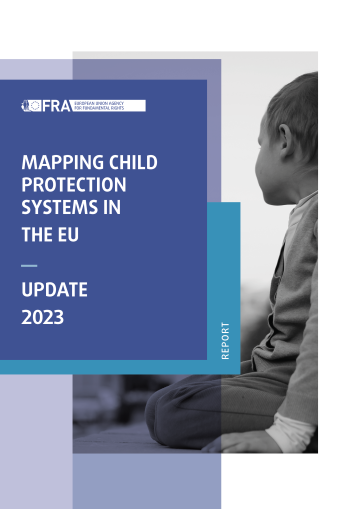
Mapping Child Protection Systems in the EU – Update 2023

Children’s rights exist to ensure the safety and wellbeing of every child. Improved child protection systems ensure that these rights are met. In recent years, the EU has taken significant steps to improve child protection systems. This mapping of child protection systems gives an overview of the state of such systems at national level and developments since 2015. It promotes the improvement of integrated child protection systems. It is an update of FRA’s mapping of child protection systems in 2015, based on data collected in 2023 in the 27 EU Member States. By publishing this, FRA aims to support securing the sustainable well-being, safety and rights of all children living in the EU.
Access the data explorer
Montage of faces of various Black people.
Report / Paper / Summary
Racial and ethnic origin
Equality, non-discrimination and racism
Hate crime
25
October
2023

Being Black in the EU – Experiences of people of African descent

FRA's first Being Black in the EU report exposed widespread and entrenched racism against people of African descent in Europe. Now updated with new data, this report revisits the situation revealing persistent racial discrimination, harassment and violence. Overall, experiences of racial discrimination increased in the EU countries since 2016, reaching as high as 77%. The lack of progress is alarming despite binding anti-discrimination law in the EU since 2000 and significant EU policy developments since then.
Read press release
Report / Paper / Summary
Support for human rights systems and defenders
Asylum, migration and borders
Data protection, privacy and new technologies
Equality, non-discrimination and racism
Justice, victims’ rights and judicial cooperation
20
October
2023

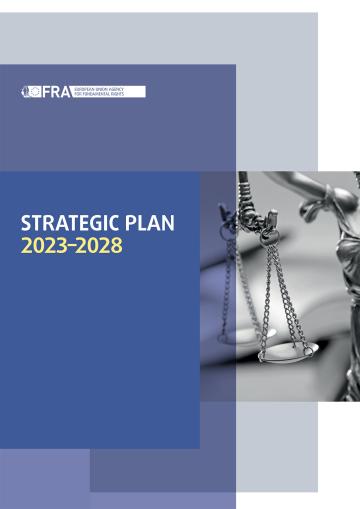
FRA Strategic Plan 2023-2028

FRA’s strategic priorities and objectives are based on the agency’s role and mission as defined in its amended founding regulation. They build on FRA’s 2018–2022 strategy as well as how it performed, its experience and its vision. Their design takes into account future fundamental rights challenges facing Europe, the agency’s mandate, the broader operational context and the resources available.
Little Girl With Down Syndrome And Boy Hugging
kali9 © iStockphoto.com, 2022
Handbook / Guide / Manual
People with disabilities
Equality, non-discrimination and racism
20
March
2023

Implementing the UN Convention on the Rights of Persons with Disabilities: Human rights indicators

This guide helps independent national monitoring frameworks to fulfil their monitoring responsibility set out in Article 33 of the Convention on the Rights of Persons with Disabilities (CRPD). It focuses on the use of indicators. It does not deal with aspects such as compliance with the Paris Principles or the efficiency of complaints mechanisms. Its objective is to support national monitoring frameworks in designing or improving indicators for assessing progress of CRPD implementation at national level.
Read news item
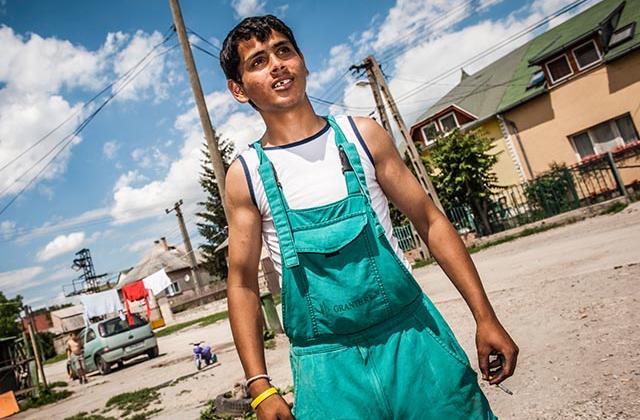
Roma man outside housing in Hungary
Christophe Vander Eecken / EEA and Norway Grants
Report / Paper / Summary
Roma
Equality, non-discrimination and racism
Children, youth and older people
Hate crime
25
October
2022
02 November 2022

Roma in 10 European Countries - Main results

This report presents findings from FRA’s 2021 survey on Roma in Croatia, Czechia, Greece, Hungary, Italy, Portugal, Romania and Spain, as well as in North Macedonia and Serbia. The survey includes interviews with more than 8,400 Roma, collecting information on more than 20,000 individuals living in their households. By focusing on Roma, the survey provides unique data and information that are not available from European general population surveys, which do not disaggregate on grounds of ethnic origin. The findings present a bleak but familiar picture of exclusion, deprivation, discrimination and racism.
Read Press Release
Explore survey data
Download dataset

About FRA

Find out more about the Agency and its work here.

  • About FRA
  • EU Charter of Fundamental Rights
  • Where to turn for help
  • Tools
  • Working at FRA
  • News
  • Subscribe for updates

Get in touch

European Union Agency for Fundamental Rights
Schwarzenbergplatz 11
A-1040 Vienna, Austria

Contact us

Follow us on:

  • LinkedIn
  • Instagram
  • Facebook
  • YouTube
  • Twitter
  • Newsletter
  • E-mail
  • RSS

© European Union Agency for Fundamental Rights, 2007-2026

  • About this website
  • Legal notice
  • Cookies
  • Data Protection
  • Accessibility