eu-charter

Karta praw podstawowych Unii Europejskiej

Preambuła

Narody Europy, tworząc między sobą coraz ściślejszy związek, są zdecydowane dzielić ze sobą pokojową przyszłość opartą na wspólnych wartościach. Świadoma swego duchowo-religijnego i moralnego dziedzictwa, Unia jest zbudowana na niepodzielnych, powszechnych wartościach godności osoby ludzkiej, wolności, równości i solidarności; opiera się na zasadach demokracji i państwa prawnego. Poprzez ustanowienie obywatelstwa Unii oraz stworzenie przestrzeni wolności, bezpieczeństwa i sprawiedliwości stawia jednostkę w centrum swych działań.
Unia przyczynia się do ochrony i rozwoju tych wspólnych wartości, szanując przy tym różnorodność kultur i tradycji narodów Europy, jak również tożsamość narodową Państw Członkowskich i organizację ich władz publicznych na poziomach: krajowym, regionalnym i lokalnym; dąży do wspierania zrównoważonego i stałego rozwoju oraz zapewnia swobodny przepływ osób, usług, towarów i kapitału oraz swobodę przedsiębiorczości.
W tym celu, w obliczu zmian w społeczeństwie, postępu społecznego oraz rozwoju naukowego i technologicznego, niezbędne jest wzmocnienie ochrony praw podstawowych poprzez wyszczególnienie tych praw w Karcie i przez to uczynienie ich bardziej widocznymi.
Niniejsza Karta potwierdza, przy poszanowaniu kompetencji i zadań Unii oraz zasady pomocniczości, prawa wynikające zwłaszcza z tradycji konstytucyjnych i zobowiązań międzynarodowych wspólnych Państwom Członkowskim, europejskiej Konwencji o ochronie praw człowieka i podstawowych wolności, Kart Społecznych przyjętych przez Unię i Radę Europy oraz z orzecznictwa Trybunału Sprawiedliwości Unii Europejskiej i Europejskiego Trybunału Praw Człowieka. W tym kontekście, sądy Unii i Państw Członkowskich będą interpretowały Kartę z należytym uwzględnieniem wyjaśnień sporządzonych pod kierownictwem Prezydium Konwentu, który opracował Kartę, i za których uaktualnienie odpowiada Prezydium Konwentu Europejskiego.
Korzystanie z tych praw rodzi odpowiedzialność i nakłada obowiązki wobec innych osób, wspólnoty ludzkiej i przyszłych pokoleń.
Unia uznaje zatem prawa, wolności i zasady wymienione poniżej.

Wyjaśnienia

  • Text:
    Source:
    Preamble - Explanations relating to the Charter of Fundamental Rights:

Orzecznictwo

0 results found

krajowego prawa konstytucyjnego

0 results found

Prawo unijne

0 results found

Prawo międzynarodowe

0 results found

PRODUKTY

  • Periodic updates / Series
    17
    April
    2024
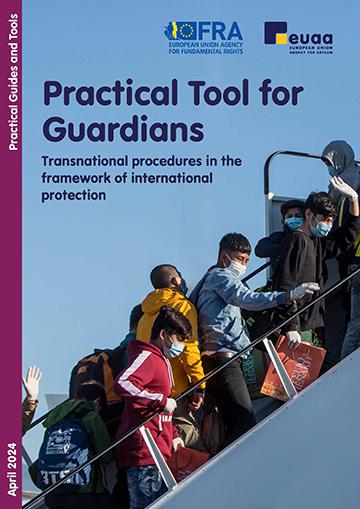
    This booklet is intended to support guardians assigned to children in the asylum procedure. It covers the technical aspects of the legal procedures related to the cross-border movement of such children. This booklet covers only procedures related to international protection. It is part of a series of four practical tools for guardians of unaccompanied children with international protection needs. The objective is to support guardians in their daily tasks and responsibilities during the asylum procedure, including the procedure under the Dublin III regulation and temporary protection. The tools have been developed by the European Union Agency for Asylum (EUAA) and FRA.
  • Report / Paper / Summary
    10
    April
    2024
    Racism in the police can include discriminatory racial profiling practices through to excessive use of force. Incidents like these highlight deeper systemic issues that need addressing. Many in society are affected by racism in policing, not only the individuals or communities targeted. Lack of trust in policing can fuel social exclusion and damages the foundations of a fair and equal society, however promising practices are developing to address these issues. This is the first EU-wide report on racism in policing. FRA’s findings identify gaps in regulatory frameworks and propose concrete steps for action.
  • Report / Paper / Summary
    26
    March
    2024
    The European Arrest Warrant (EAW) allows Member States to implement judicial decisions issued in another Member State. It applies to decisions such as arrests for the purpose of criminal prosecutions or the execution of custodial sentences. After being in force for over 20 years, FRA’s findings provide evidence for an assessment of the legislation in practice. This report looks at the fundamental rights challenges that people face who are requested through an EAW. It provides a unique insight into their experiences and those of the professionals involved. FRA’s findings indicate that shared challenges exist across EU Member States. They must increase efforts to ensure that people are able to take part in criminal proceedings and receive a fair trial.
  • Periodic updates / Series
    6
    February
    2024
    The 2024 update on NHRIs accreditation status and mandates also covers their engagement in the monitoring of fundamental rights compliance in the use of EU funds at national level. Moreover, the update also shows how NHRIs make use of the EU Charter of Fundamental Rights in their work when advising government or in education, training and awareness raising activities. Since its 2020 report 'Strong and effective national human rights institutions – challenges, promising practices and opportunities', the European Union Agency for Fundamental Rights (FRA) has been regularly tracking the accreditation status and mandates of NHRIs.
    babaroga/Adobe Stock
  • Report / Paper / Summary
    2
    February
    2024
    This technical report provides all the relevant technical information on the design, implementation and finalisation of the survey on immigrants and descendants of immigrants. Details of the data collection process also contribute to the iterative improvement of survey methodologies, especially when it comes to surveying populations and groups that are considered ‘hard-to-reach’ or difficult to survey.
  • Report / Paper / Summary
    31
    January
    2024
    Children’s rights exist to ensure the safety and wellbeing of every child. Improved child protection systems ensure that these rights are met. In recent years, the EU has taken significant steps to improve child protection systems. This mapping of child protection systems gives an overview of the state of such systems at national level and developments since 2015. It promotes the improvement of integrated child protection systems. It is an update of FRA’s mapping of child protection systems in 2015, based on data collected in 2023 in the 27 EU Member States. By publishing this, FRA aims to support securing the sustainable well-being, safety and rights of all children living in the EU.
  • Leaflet / Flyer
    20
    December
    2023
    A list of all FRA reports, translations and other outputs published in 2023.
  • Report / Paper / Summary
    19
    December
    2023
    All EU funds must be spent in a way that respect fundamental rights. The EU spends billions of euros on creating jobs, economic growth, sustainable development and improving people’s lives. To prevent funds from being spent in ways that directly violate people’s fundamental rights, the EU strengthened the conditions how funds can be spent in 2021. This report looks at how the newly introduced conditions related to the EU Charter of Fundamental Rights and the United Nations Convention on the Rights of Persons with Disabilities can be upheld in practice. It analyses the potential role of national human rights institutions, ombudsperson institutions and equality bodies. These safeguards can advance compliance with fundamental rights.
  • Report / Paper / Summary
    18
    December
    2023
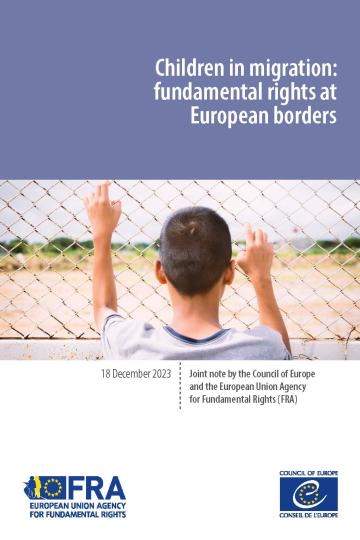
    Council of Europe (CoE) and European Union (EU) Member States have an undeniable sovereign right to control the entry of non-nationals into their territory. While carrying out border control, states have a duty to protect fundamental rights of all people under their jurisdiction, regardless of their nationality, status, or age. Children as a category
    of vulnerable persons with special needs require heightened protection.