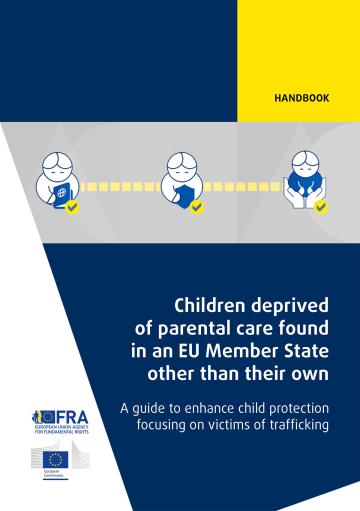
Manualul Copiii lipsiți de îngrijire părintească aflați într-un alt stat membru al UE decât statul lor
de origine își propune să consolideze răspunsul tuturor actorilor relevanți din domeniul protecției
copilului. Protecția acestor fete și băieți este de importanță capitală și reprezintă o obligație pentru
statele membre ale UE, derivată din cadrul juridic internațional și european. Prezentul ghid pune
accentul pe copiii care devin victime ale traficului de persoane și pe copiii aflați în pericol, punând în
aplicare o acțiune prevăzută în Comunicarea din 2017 privind intensificarea acțiunii UE de combatere
a traficului de persoane, și ține seama de tiparele identificate, inclusiv în ceea ce privește specificul
de gen al infracțiunii.
How much progress can we expect in a decade? Various rights-related instruments had been in place for 10 years in 2018, prompting both sobering and encouraging reflection on this question.
Anul 2018 a adus atât progrese, cât și regrese în ceea ce privește protecția drepturilor fundamentale. Raportul privind drepturile fundamentale 2019 al FRA analizează evoluțiile majore din domeniu, identificând atât realizările, cât și domeniile de interes nesoluționate. Această publicație prezintă opiniile FRA în legătură cu principalele evoluții înregistrate în domeniile tematice acoperite, precum și o sinteză a dovezilor care vin în sprijinul acestor opinii.
Almost 25 million children under 18 are at risk of poverty or social exclusion in the EU. Poverty deprives children of educational
opportunities, childcare, access to health care, adequate food and housing, family support and even protection from violence.
This report outlines data and survey findings that highlight the magnitude of child poverty in the EU, but also presents tools
available to counter this phenomenon and keep track of progress made.
In November 2017, the European Commission requested FRA’s support in evaluating the impact on fundamental rights of the European Border Surveillance System (Eurosur) Regulation. Further to this request, FRA reviewed the work of the European Border and Coast Guard Agency (Frontex) and analysed cooperation agreements concluded by EU Member States with third countries which are relevant for the exchange of information for the purposes of Eurosur. This report presents the main findings of such review.
Across the European Union, Member States are faced with the challenge of integrating Europe’s most deprived
and disenfranchised minority groups. As a follow up to the EU-MIDIS II findings on Roma, this report presents
FRA’s findings relating to the issues of education and employment. Encouraging Roma participation in education
and employment equips communities with higher incomes, better life opportunities and greater social inclusion.
European societies are not getting any younger! It is a simple truth we must face both about ourselves and Europe as a whole. In two generations, by 2080, those aged 65 or above will account for almost 30% of the European Union’s population.
The year 2017 brought both progress and setbacks in terms of rights protection. The European Pillar of Social Rights marked an important move towards a more ‘social Europe’. But, as experiences with the EU Charter of Fundamental Rights underscore, agreement on a text is merely a first step. Even in its eighth year as the EU's binding bill of rights, the Charter's potential was not fully exploited, highlighting the need to more actively promote its use.
The methods used to determine the age of
an applicant may include “invasive” medical tests which interfere with the rights of the child, including their right to dignity,
integrity and privacy. It is often a challenge to find the right balance between protecting children from harm and promoting
their participation in these procedures. This report provides important insights and identifies the implications of collecting
children’s biometric data and conducting age assessments.



 Report / Paper / Summary13September2023
 Handbook / Guide / Manual7April2022