Cilj je vodiča Djeca bez roditeljske skrbi pronađena u drugoj državi članici EU-a povećati mogućnosti
reakcije svih relevantnih strana u pogledu zaštite djece. Zaštita tih djevojčica i dječaka presudna
je i predstavlja obvezu država članica EU-a koja proizlazi iz međunarodnog i europskog pravnog
okvira. U središtu su pozornosti vodiča djeca žrtve trgovanja ljudima i djeca koja su izložena riziku
te provedba mjera opisanih u Komunikaciji iz 2017. o jačanju mjera EU-a protiv trgovanja ljudima.
Pritom se u obzir uzimaju utvrđeni obrasci, uključujući one povezane sa spolnom dimenzijom
kaznenih djela.
How much progress can we expect in a decade? Various rights-related instruments had been in place for 10 years in 2018, prompting both sobering and encouraging reflection on this question.
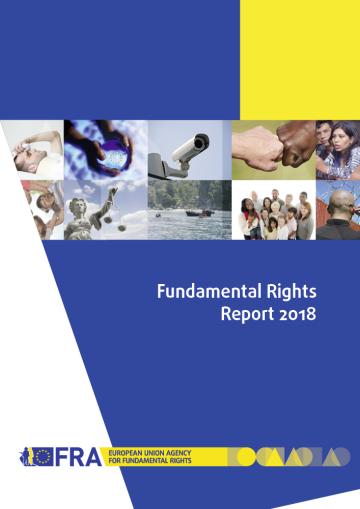
Godina 2018. sa sobom je donijela i napredovanja i nazadovanja u pogledu zaštite temeljnih prava. U Izvješću FRA-e o temeljnim pravima 2019. daje se pregled važnih novih događaja i postignuća u tom području te se ističu područja koja još izazivaju zabrinutost. U ovoj publikaciji navode se mišljenja FRA-e o glavnim kretanjima u obuhvaćenim tematskim područjima te se iznose dokazi kojima se potkrjepljuju ta mišljenja.
Almost 25 million children under 18 are at risk of poverty or social exclusion in the EU. Poverty deprives children of educational
opportunities, childcare, access to health care, adequate food and housing, family support and even protection from violence.
This report outlines data and survey findings that highlight the magnitude of child poverty in the EU, but also presents tools
available to counter this phenomenon and keep track of progress made.
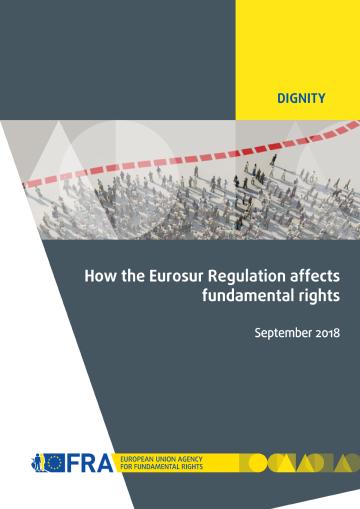
In November 2017, the European Commission requested FRA’s support in evaluating the impact on fundamental rights of the European Border Surveillance System (Eurosur) Regulation. Further to this request, FRA reviewed the work of the European Border and Coast Guard Agency (Frontex) and analysed cooperation agreements concluded by EU Member States with third countries which are relevant for the exchange of information for the purposes of Eurosur. This report presents the main findings of such review.
Across the European Union, Member States are faced with the challenge of integrating Europe’s most deprived
and disenfranchised minority groups. As a follow up to the EU-MIDIS II findings on Roma, this report presents
FRA’s findings relating to the issues of education and employment. Encouraging Roma participation in education
and employment equips communities with higher incomes, better life opportunities and greater social inclusion.
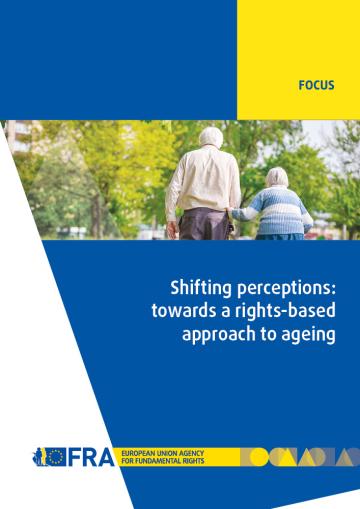
European societies are not getting any younger! It is a simple truth we must face both about ourselves and Europe as a whole. In two generations, by 2080, those aged 65 or above will account for almost 30% of the European Union’s population.
The year 2017 brought both progress and setbacks in terms of rights protection. The European Pillar of Social Rights marked an important move towards a more ‘social Europe’. But, as experiences with the EU Charter of Fundamental Rights underscore, agreement on a text is merely a first step. Even in its eighth year as the EU's binding bill of rights, the Charter's potential was not fully exploited, highlighting the need to more actively promote its use.
The methods used to determine the age of
an applicant may include “invasive” medical tests which interfere with the rights of the child, including their right to dignity,
integrity and privacy. It is often a challenge to find the right balance between protecting children from harm and promoting
their participation in these procedures. This report provides important insights and identifies the implications of collecting
children’s biometric data and conducting age assessments.



 Report / Paper / Summary13September2023
 Handbook / Guide / Manual7April2022