Z hľadiska ochrany základných práv rok 2020 priniesol
pokrok i určité nezdary. V publikácii agentúry FRA
Správa o základných právach 2021 je uvedený
prehľad hlavného vývoja v tejto oblasti, poukazuje
sa na úspechy, ale aj na oblasti, ktoré ešte stále
vyvolávajú obavy.
FRA’s Fundamental Rights Report 2021 reviews major developments in the field in 2020, identifying both achievements and areas of concern. It also presents FRA’s opinions on these developments, including a synopsis of the evidence supporting these opinions. This year’s focus chapter explores the impact of the COVID-19 pandemic on fundamental rights. The remaining chapters cover: the EU Charter of Fundamental Rights; equality and non-discrimination; racism, xenophobia and related intolerance; Roma equality and inclusion; asylum, borders and migration; information society, privacy and data protection; rights of the child; access to justice; and the implementation of the Convention on the Rights of Persons with Disabilities.
This focus looks at COVID-19’s impact on fundamental rights. It underscores that a human rights-based approach to tackling the pandemic requires balanced measures that are based on law, necessary, temporary and proportional. It also requires addressing the pandemic’s socio-economic impact, protecting the vulnerable and fighting racism.
This paper presents statistical survey data for the EU on how often people are stopped by the police, in what kind of situations they are stopped, the action taken by the police during stops, and views on whether or not the police acted respectfully.
This opinion illustrates the extent and nature of lived experiences of inequality and discrimination across the EU. It does so with reference to the grounds of discrimination and areas of life covered by the racial and employment equality directives, as well as in relation to the grounds and areas covered by the proposed Equal Treatment Directive.
FRA’s 2019 survey on Roma and Travellers in Belgium, France, Ireland, the Netherlands, Sweden and the United Kingdom interviewed almost 4 700 Roma and Travellers, collecting information on more than 8 200 individuals living in their households.
This note outlines how to help ensure a dignified stay for third-country nationals who are apprehended or intercepted at external borders. Specifically, FRA identifies twelve points for protection-sensitive and fundamental rights-compliant planning and design of initial-reception facilities at such borders. These are based on the agency’s work at external borders, including data collection and research activities.
В настоящото резюме се представят основните
изводи от втория основен доклад на FRA, които
се базират на проучването ѝ за основните
права. В проучването са събрани данни от около
35 000 лица относно техния опит, възприятия
и мнения по редица въпроси, които са
обхванати по различен начин от правата на
човека.
Dette sammendrag fremlægger den vigtigste
information fra FRA’s anden hovedrapport, der er
baseret på agenturets undersøgelse om
grundlæggende rettigheder. I undersøgelsen blev
der indsamlet data fra ca. 35 000 personer om
deres oplevelser, opfattelse og holdninger
vedrørende en række problemstillinger, der på
forskellig vis er omfattet af
menneskerettighederne.
Η παρούσα περίληψη παρουσιάζει τα κυριότερα
στοιχεία της δεύτερης κύριας έκθεσης του Οργανισμού
Θεμελιωδών Δικαιωμάτων της Ευρωπαϊκής Ένωσης
(FRA) η οποία βασίζεται στην έρευνά του για τα
θεμελιώδη δικαιώματα. Για τις ανάγκες της έρευνας
συλλέχθηκαν δεδομένα από περίπου 35 000 πολίτες
σχετικά με τις εμπειρίες, τις αντιλήψεις και τη γνώμη
τους για μια σειρά θεμάτων που άπτονται με ποικίλους
τρόπους των ανθρωπίνων δικαιωμάτων.
This summary presents the main insights from FRA’s second main report based on its Fundamental Rights Survey. The survey collected data from around 35,000 people about their experiences, perceptions and opinions on a range of issues that are variously encompassed by human rights.
Tässä tiivistelmässä esitetään keskeiset
näkemykset perusoikeusviraston toisesta
perusoikeuksia koskevaan tutkimukseen
perustuvasta pääkertomuksesta. Tutkimuksessa
kerättiin noin 35 000 henkilöltä tietoa heidän
kokemuksistaan, näkemyksistään ja mielipiteistään
joukosta aiheita, jotka koskevat eri tavoin
ihmisoikeuksia.
Ez az összefoglaló az FRA által az alapjogi felmérése
alapján készített második jelentés legfontosabb
meglátásait mutatja be. A felmérés során mintegy
35 000 embertől gyűjtöttek adatokat számos, az
emberi jogokra különböző mértékben kiterjedő
kérdéssel kapcsolatos tapasztalataikról,
észrevételeikről és véleményeikről.
In deze samenvatting worden de belangrijkste
inzichten uit het tweede hoofdverslag van het FRA
op basis van zijn enquête over de grondrechten
gepresenteerd. Met deze enquête zijn van
ongeveer 35 000 mensen gegevens verzameld
over hun ervaringen, belevingen en opvattingen
met betrekking tot allerlei kwesties die op
verschillende manieren te maken hebben met
mensenrechten.
V tomto zhrnutí sú uvedené hlavné poznatky
z druhej správy agentúry FRA vychádzajúcej
z prieskumu o základných právach, ktorý
uskutočnila agentúra. V prieskume boli
zhromaždené údaje približne od 35 000 osôb
o skúsenostiach, vnímaní a názoroch týkajúcich sa
celého radu záležitostí, ktoré sa rôznym spôsobom
týkajú ľudských práv.
This is the second main report from FRA’s Fundamental Rights Survey, which collected data from 35,000 people on a range of issues. This report focuses on respondents’ experiences as victims of selected types of crime, including violence, harassment, and property crime. The report also examines how often these crimes are reported to the police, and presents further details relating to harassment and violence, such as the perpetrators and where the incidents took place.
Never take today’s freedoms for granted. FRA’s Jana Gajdošová remembers authoritarian rule in her native Czechoslovakia. Then, shortages, secret police and petty corruption were the norm. The State Security even posted spies to watch churchgoers at mass. Jana tells how the repression she experienced in her childhood inspired her to fight for the rights we all enjoy now in Europe. If you care for freedom, this is a must-listen.
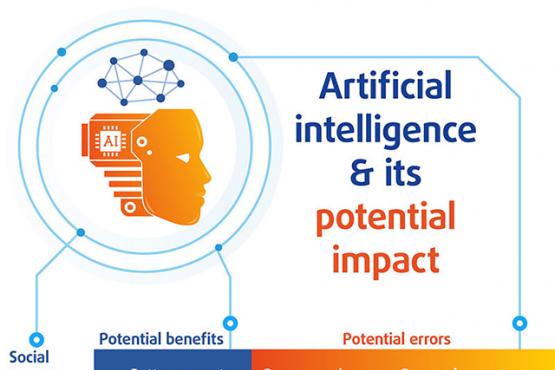
Artificial intelligence (AI) already plays a role in many decisions that affect our daily lives. From deciding what unemployment benefits someone gets to where a burglary is likely to take place. But we need to make sure to fully uphold fundamental rights standards when using AI. Drawing on the ‘Getting the future right – Artificial intelligence and fundamental rights’ report, FRA explores the potential benefits and possible errors that can occur focusing on four core areas – social benefits, predictive policing, health services and targeted advertising.
Докладът на FRA относно изкуствения интелект и основните права представя конкретни примери за начина, по който дружествата и държавните администрации в ЕС използват или се опитват да използват ИИ. В настоящото резюме се представят основните заключения от доклада. Те могат да послужат за информация при създаване на политики на равнището на ЕС и на национално равнище за регламентиране на използването на инструменти с ИИ в съответствие с правата на човека и основните права.
I FRA’s rapport om kunstig intelligens og grundlæggende rettigheder gives der konkrete eksempler på, hvordan virksomheder og offentlige forvaltninger i EU bruger eller forsøger at bruge kunstig intelligens. Dette resumé indeholder hovedresultaterne fra rapporten. Disse kan danne grundlag for EU’s og medlemsstaternes politiske bestræbelser på at regulere brugen af AI-værktøjer i overensstemmelse med menneskerettighederne og de grundlæggende rettigheder.