Children are full-fledged holders of rights. They are beneficiaries of all human and fundamental rights and subjects of special regulations, given their specific characteristics. This handbook aims to illustrate how European law and case law accommodate the specific interests and needs of children. It also considers the importance of parents and guardians or other legal representatives and makes reference, where appropriate, to situations in which rights and responsibilities are most prominently vested in children’s carers. It is a point of reference on both European Union (EU) and Council of Europe (CoE) law related to these subjects, explaining how each issue is regulated under EU law, including the Charter of Fundamental Rights of the European Union, as well as under the European Convention on Human Rights, the European Social Charter and other CoE instruments.
Los niños son titulares plenos de derechos. Son beneficiarios de todos los derechos humanos y fundamentales, y están sujetos a una regulación especial por sus características específicas. El presente manual tiene el propósito de ilustrar el modo en que la legislación y la jurisprudencia europeas se adecuan a los intereses y las necesidades específicas de los niños. Muestra también la importancia de los padres, tutores u otro tipo de representantes legales, y hace referencia, cuando procede, a los supuestos en que los derechos y las responsabilidades se asignan principalmente a los cuidadores de los niños. Este manual tiene el objeto de elevar la sensibilización y mejorar el conocimiento en relación con la normativa que protege y fomenta los derechos de los niños en Europa. Es un punto de referencia en Derecho de la UE y el CdE en relación con estos ámbitos de interés y explica cómo se regula cada cuestión en el Derecho de la UE, incluida la Carta de los Derechos Fundamentales de la Unión Europea, así como el CEDH, la CSE y otros instrumentos del CdE.
Les enfants sont des titulaires de droits à part entière. Ils sont bénéficiaires de tous les droits fondamentaux et de tous les droits de l’homme, et sont sujets de réglementations particulières compte tenu de leurs caractéristiques spécifiques. Le présent manuel a pour but de montrer comment le droit et la jurisprudence européens s’adaptent aux intérêts et besoins particuliers des enfants. Il illustre également l’importance des parents et des tuteurs ou d’autres représentants légaux et fait référence, le cas échéant, aux principaux droits et responsabilités conférés aux personnes ayant la charge des enfants. Ce manuel entend sensibiliser le lecteur et approfondir ses connaissances des normes juridiques qui protègent et promeuvent les droits de l’enfant en Europe. Il constitue un ouvrage de référence sur le droit de l’Union européenne et du Conseil de l’Europe dans ces domaines. Il explique comment chaque question est réglementée en vertu du droit de l’UE, y compris de la charte des droits fondamentaux de l’Union européenne, ainsi qu’en vertu de la convention européenne des droits de l’homme, de la charte sociale européenne et d’autres instruments du Conseil de l’Europe.
A gyermekek teljes jogú jogosultak. Megilleti őket az összes emberi és alapvető jog, és sajátos jellemzőikre tekintettel rájuk különleges szabályok vonatkoznak. E kézikönyv célja annak bemutatása, hogy az európai jog és ítélkezési gyakorlat hogyan kezeli a gyermekek sajátos érdekeit és szükségleteit. Bemutatja a szülők és gyámok vagy más törvényes képviselők jelentőségét is, és adott esetben utal arra, ha egyes jogok és felelősségek elsősorban a gyermekek gondviselőit illetik. Forrásként szolgál mind az Európai Unió (EU), mind az Európa Tanács e témákhoz kapcsolódó jogával kapcsolatban, és kifejti, hogy az egyes kérdéseket hogyan szabályozza az uniós jog, ezen belül az Európai Unió Alapjogi Chartája, illetve az emberi jogok európai egyezménye (EJEE), az Európai Szociális Charta és az Európa Tanács más eszközei.
I minori sono titolari di diritti a pieno titolo. Sono beneficiari di tutti i diritti umani e fondamentali nonché oggetto di regolamenti speciali, in virtù delle loro caratteristiche specifiche. Il presente manuale si prefigge lo scopo di illustrare in che modo il diritto e la giurisprudenza europei tengono conto degli interessi e delle esigenze specifici dei minori. Evidenzia altresì l’importanza del ruolo svolto dai genitori e dai tutori o da altri rappresentanti legali e fa riferimento, ove opportuno, alle situazioni in cui diritti e responsabilità sono conferiti prevalentemente alle persone che si prendono cura dei minori. Il manuale mira a sensibilizzare e migliorare le conoscenze delle norme di legge che proteggono e promuovono questi diritti in Europa. Esso rappresenta un punto di riferimento per quanto concerne sia il diritto dell’Unione europea (UE) sia il diritto del Consiglio d’Europa (CdE) in materia e illustra come ciascun tema sia disciplinato dal diritto dell’UE, compresa la Carta dei diritti fondamentali dell’Unione europea, oltre che dalla Convenzione europea dei diritti dell’uomo, dalla Carta sociale europea e da altri strumenti del Consiglio d’Europa.
Kinderen hebben net als ieder ander rechten. Zij genieten alle mensen- en grondrechten en vallen onder speciale regelgeving in verband met hun specifieke kenmerken. Dit handboek wil illustreren hoe de Europese wetgeving en jurisprudentie voorzien in de specifieke belangen en behoeften van kinderen, maar laat ook zien hoe belangrijk ouders en voogden en andere wettelijke vertegenwoordigers zijn. Het geeft in voorkomend geval aan op welke gebieden de rechten en verantwoordelijkheden voornamelijk bij de verzorgers van kinderen liggen. Dit handboek beoogt om de bekendheid met en de kennis van de rechtsnormen die de rechten van het kind in Europa beschermen en bevorderen, te vergroten. Het is een naslagwerk over het recht van de Europese Unie (EU) en de Raad van Europa (RvE) met betrekking tot deze onderwerpen en licht toe hoe elk onderwerp is geregeld in het EU-recht, met inbegrip van het Handvest van de grondrechten van de Europese Unie, en in het Europees Verdrag voor de Rechten van de Mens (EVRM), het Europees Sociaal Handvest (ESH) en andere RvE-instrumenten.
Dzieci są pełnoprawnymi podmiotami praw. Są beneficjentami wszystkich praw człowieka i praw podstawowych i podmiotami, które ze względu na swoje cechy szczególne podlegają przepisom szczególnym. Celem niniejszego podręcznika jest pokazanie, w jaki sposób konkretne interesy i potrzeby dzieci są uwzględnione w europejskim prawie i orzecznictwie. Przedstawiono w nim również znaczenie rodziców i opiekunów lub innych przedstawicieli prawnych, a także w stosownych przypadkach odniesiono się do sytuacji, w których prawa i obowiązki nadane są głównie opiekunom dzieci. Celem tego podręcznika jest podniesienie świadomości i poszerzenie wiedzy na temat norm prawnych, które chronią i promują prawa dziecka w Europie. Jest on punktem odniesienia zarówno do prawa Unii Europejskiej, jak i do prawa Rady Europy związanego z tymi obszarami tematycznymi i zawiera objaśnienia poszczególnych regulacji w tym zakresie w prawie UE, w tym w Karcie praw podstawowych Unii Europejskiej, oraz w europejskiej konwencji praw człowieka, Europejskiej karcie społecznej i innych instrumentach Rady Europy.
Barn har alldeles egna rättigheter. De är berättigade till alla mänskliga och grundläggande rättigheter och omfattas av ett särskilt regelverk med tanke på deras särskilda egenskaper. Syftet med denna handbok är att visa hur europeisk lagstiftning och rättspraxis tar till vara barns särskilda intressen och behov. Den beskriver också föräldrars, vårdnadshavares eller andra juridiska företrädares betydelse och anger i tillämpliga fall var rättigheter och ansvar i första hand innehas av barnens vårdnadshavare. Den är en första referenspunkt för både unionsrätten och Europarådets regelverk avseende dessa ämnesområden och förklarar hur varje fråga regleras enligt unionsrätten och enligt EU-stadgan om de grundläggande rättigheterna, Europakonventionen, den europeiska sociala stadgan och Europarådets övriga instrument.
Діти є повноправними носіями прав. Вони є бенефіціарами всіх прав людини та основоположних прав, а також суб’єктами спеціального регулювання, враховуючи їхні специфічні особливості. Цей посібник має на меті проілюструвати, як європейське законодавство та судова практика враховують специфічні інтереси та потреби дітей. Він також ілюструє важливість батьків, опікунів та інших законних представників і, де це доречно, вказує на те, які права та обов’язки найчастіше покладаються на осіб, що здійснюють догляд за дітьми. Він є довідником з права Європейського Союзу (ЄС) та Ради Європи (РЄ), пов’язаного з цими питаннями, і пояснює, як кожне питання регулюється законодавством ЄС, включаючи Хартію основних прав Європейського Союзу, а також Європейською конвенцією з прав людини (ЄКПЛ), Європейською соціальною хартією (ЄСХ) та іншими інструментами РЄ.
Copiii sunt îndreptățiți să se bucure de drepturi depline. Ei beneficiază de toate drepturile omului și de toate drepturile fundamentale și fac obiectul unor reglementări speciale, date fiind caracteristicile lor specifice. Manualul de față își propune să ilustreze modul în care legislația și jurisprudența europeană răspund intereselor și nevoilor specifice ale copiilor. De asemenea, ilustrează importanța rolului jucat de părinți și tutori sau alți reprezentanți legali și face referire, unde este cazul, la situațiile în care drepturile și responsabilitățile le revin în cea mai mare măsură persoanelor în grija cărora se află copiii. El constituie un punct de referință în ceea ce privește dreptul Uniunii Europene (UE) și al Consiliului Europei (CoE) cu privire la aceste domenii, deoarece explică modul în care este reglementat fiecare aspect în dreptul UE, inclusiv în Cartă, precum și în Convenția europeană a drepturilor omului (Convenția), în Carta socială europeană și în alte instrumente juridice ale CoE.
The EU Agency for Fundamental Rights has been regularly collecting data on asylum and migration since September 2015. This report focuses on the fundamental rights situation of people arriving in Member States and EU candidate countries particularly affected by migration. It addresses fundamental rights concerns between 1 October and 31 December 2021.
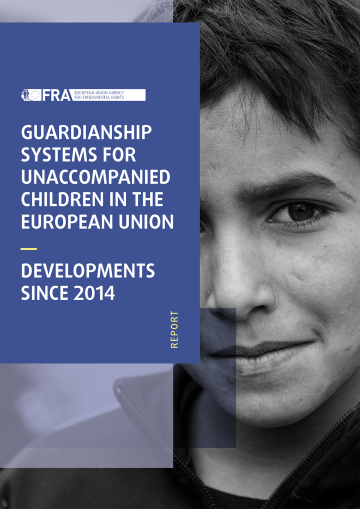
In 2015 and 2016, the numbers of unaccompanied children arriving in Europe increased dramatically, straining national guardianship systems. This report looks at how EU Member States, as well as North Macedonia and Serbia, have adapted their guardianship systems for unaccompanied children since that time.
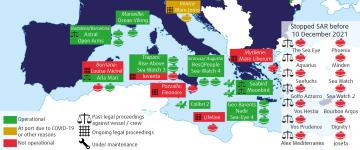
The EU Agency for Fundamental Rights (FRA) regularly collects data on NGO vessels involved in search and rescue in the Mediterranean. This includes any legal proceedings against them, as well as any difficulties disembarking migrants in safe ports. The International Organization for Migration estimates that from January to 10 December 2021 about 1,654 people have died or gone missing while crossing the Mediterranean Sea to reach Europe to escape war or persecution or to pursue a better life. This is an average of more than four people per day. Deadly incidents have also occurred recently in the Channel (La Manche).
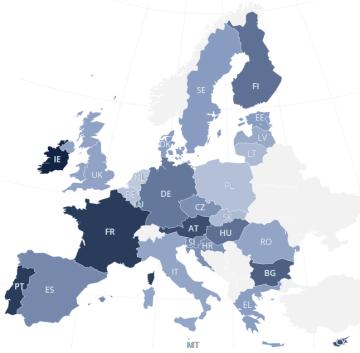
The EU Agency for Fundamental Rights has been regularly collecting data on asylum and migration since September 2015. This report focuses on the fundamental rights situation of people arriving in Member States and EU candidate countries particularly affected by migration. It addresses fundamental rights concerns between 1 July and 30 September 2021.
Since 2014, FRA has been publishing an annual update of the forced return monitoring systems EU Member States have set up under Article 8 (6) of the EU’s Return Directive. This overview describes different indicators for an effective forced return monitoring system. It includes the organisation responsible for monitoring forced return, the number of operations monitored in 2020, the phases of monitored return operations, the number of staff trained and working as monitors, and whether the monitoring body issued public reports about their monitoring.
V Mnenju agencije FRA 1/2021 sta predstavljena obseg in narava doživetih izkušenj neenakosti ter diskriminacije po vsej EU. Pri tem se sklicuje na razloge za diskriminacijo in področja življenja, ki so obravnavani v direktivah o rasni enakosti in enakosti pri zaposlovanju, pa tudi v predlagani direktivi o enakem obravnavanju. Mnenje je bilo izdano 30. aprila 2021. V tem povzetku so predstavljena glavna priporočila („Ključne ugotovitve in mnenja“) iz Mnenja agencije FRA 1/2021.
FRA Opinion 1/21 illustrates the extent and nature of lived experiences of inequality and discrimination across the EU. It does so with reference to the grounds of discrimination and areas of life covered by the racial and employment equality directives, as well as by the proposed Equal Treatment Directive. It was issued on 30 April 2021. This summary presents the main recommendations (‘Key findings and opinions’) outlined in FRA Opinion 1/21.
В Становище 1/21 на Агенцията на Европейския съюз за основните права (FRA) са илюстрирани степента и естеството на преживените случаи на неравенство и дискриминация в ЕС. Становището посочва основанията на дискриминация и областите на живот, обхванати в директивите за равенство между расите и за равно третиране во бластта на заетостта, както и в предложената Директива за равно третиране. То е издадено на 30 април 2021 г. В настоящото резюме са представени основните препоръки („Основни констатации и становища“), описани в Становище 1/21 на FRA.
Stanovisko agentury FRA č. 1/21 dokládá rozsah a povahu každodenních zkušeností s nerovností a diskriminací v celé EU. Činí tak s ohledem na důvody diskriminace a na oblasti života, na něž se vztahují směrnice o rasové rovnosti a směrnice o rovnosti v zaměstnání, jakož i navrhovaná směrnice o rovném zacházení. Stanovisko bylo vydáno dne 30. dubna 2021. Toto shrnutí předkládá hlavní doporučení („klíčová zjištění a stanoviska“) uvedená ve stanovisku agentury FRA č. 1/21.
FRA’s udtalelse 1/21 viser omfanget og arten af de faktiske erfaringer med ulighed og forskelsbehandling i hele EU. Det gør den med henvisning til de grunde til forskelsbehandling og de livsområder, der er omfattet af direktivet om racelighed og direktivet om ligebehandling på beskæftigelsesområdet, samt det foreslåede ligebehandlingsdirektiv. Den blev udfærdiget den 30. april 2021. Dette sammendrag indeholder de vigtigste anbefalinger (»Vigtigste resultater og udtalelser«), der er beskrevet i FRA’s udtalelse 1/21.