Top Menu

  • Az FRA-ról
  • Együttműködés
  • Newsroom
  • Cookies
  • Contact

Select site language

  • Български
  • Čeština
  • Dansk
  • Deutsch
  • Ελληνικά
  • English
  • Español
  • Eesti
  • Suomi
  • Français
  • Gaeilge
  • Hrvatski
  • Magyar
  • Italiano
  • Lietuvių
  • Latviešu
  • Malti
  • Nederlands
  • Polski
  • Português
  • Română
  • Slovenčina
  • Slovenščina
  • Svenska

Custom Topbar

Home

Search the FRA website

      • Work on rights
        • Igazságszolgáltatás, a sértettek jogai és igazságügyi együttműködés
          • Bűncselekmények áldozatainak jogai
          • Vádlottak jogai
          • Polgári igazságszolgáltatás
          • Igazságügyi együttműködés és jogállamiság
          • Biztonság
          • Üzleti tevékenység és emberi jogok
        • Egyenlőség, megkülönböztetésmentesség és rasszizmus
          • Gyermekek, fiatalok és idősebbek
          • Fogyatékossággal élők
          • Gyűlölet-bűncselekmények
          • Faji és etnikai származás
          • Vallás és meggyőződés
          • Romák
          • Nem, szexuális irányultság és társadalmi nem
        • Menedékjog, migráció és határok
          • A menekültügyi eljárásokhoz való hozzáférés
          • Határok és információs rendszerek
          • Gyermekvédelem
          • Irreguláris migráció, visszaküldés és idegenrendészeti őrizet
          • Legális migráció és integráció
          • Emberkereskedelem és munkaerő-kizsákmányolás
        • Adatvédelem, magánélet és új technológiák
          • Mesterséges intelligencia és nagy adathalmazok
          • Határok és információs rendszerek
          • Adatvédelem
          • Jogellenes profilalkotás
        • Az emberi jogi rendszerek és jogvédők támogatása
          • Az Európai Unió Alapjogi Chartája
          • Kormányközi emberi jogi rendszerek
          • Nemzeti emberi jogi rendszerek és szervek
          • Civil társadalom
        • Environmental and social sustainability
          • Climate change and environmental protection
          • Just and green transition
          • Business and human rights
          • Human rights due diligence
          • Consumer protection
      • Az EU Alapjogi Chartája
        • Mik azok az alapvető jogok?
        • What is the EU Charter of Fundamental Rights?
        • Preambulum
        • I. Cím: Méltóság
          • 1 - Az emberi méltóság
          • 2 - Az élethez való jog
          • 3 - A személyi sérthetetlenséghez való jog
          • 4 - A kínzás és az embertelen vagy megalázó bánásmód és büntetés tilalma
          • 5 - A rabszolgaság és a kényszermunka tilalma
        • II. Cím: Szabadságok
          • 6 - A szabadsághoz és biztonsághoz való jog
          • 7 - A magán
          • 8 - A személyes adatok védelme
          • 9 - A házasságkötéshez és a családalapításhoz való jog
          • 10 - A gondolat-, a lelkiismeret
          • 11 - A véleménynyilvánítás és a tájékozódás szabadsága
          • 12 - A gyülekezés és az egyesülés szabadsága
          • 13 - A művészet és a tudomány szabadsága
          • 14 - Az oktatáshoz való jog
          • 15 - A foglalkozás megválasztásának szabadsága és a munkavállaláshoz való jog
          • 16 - A vállalkozás szabadsága
          • 17 - A tulajdonhoz való jog
          • 18 - A menedékjog
          • 19 - Védelem a kitoloncolással, a kiutasítással és a kiadatással szemben
        • III. Cím: Egyenlőség
          • 20 - A törvény előtti egyenlőség
          • 21 - A megkülönböztetés tilalma
          • 22 - A kulturális, vallási és nyelvi sokféleség
          • 23 - A nők és férfiak közötti egyenlőség
          • 24 - A gyermekek jogai
          • 25 - Az idősek jogai
          • 26 - A fogyatékkal élő személyek beilleszkedése
        • IV. Cím: Szolidaritás
          • 27 - A munkavállalók joga a vállalkozásnál a tájékoztatáshoz és konzultációhoz
          • 28 - A kollektív tárgyaláshoz és fellépéshez való jog
          • 29 - A munkaközvetítői szolgáltatások igénybevételéhez való jog
          • 30 - Az indokolatlan elbocsátással szembeni védelem
          • 31 - Tisztességes és igazságos munkafeltételek
          • 32 - A gyermekmunka tilalma és a fiatalok munkahelyi védelme
          • 33 - A család és a munka
          • 34 - A szociális biztonság és a szociális segítségnyújtás
          • 35 - Egészségvédelem
          • 36 - Az általános gazdasági érdekű szolgáltatásokhoz való hozzáférés
          • 37 - Környezetvédelem
          • 38 - A fogyasztók védelme
        • V. Cím: A polgárok jogai
          • 39 - Aktív és passzív választójog az európai parlamenti választásokon
          • 40 - Aktív és passzív választójog a helyhatósági választásokon
          • 41 - A megfelelő ügyintézéshez való jog
          • 42 - A dokumentumokhoz való hozzáférés joga
          • 43 - Az európai ombudsman
          • 44 - A petíciós jog
          • 45 - A mozgás és a tartózkodás szabadsága
          • 46 - A diplomáciai és konzuli védelem
        • VI. Cím: Igazságszolgáltatás
          • 47 - A hatékony jogorvoslathoz és a tisztességes eljáráshoz való jog
          • 48 - Az ártatlanság vélelme és a védelemhez való jog
          • 49 - A bűncselekmények és büntetések törvényességének és arányosságának elvei
          • 50 - A kétszeres eljárás alá vonás és a kétszeres büntetés tilalma
        • VII. Cím: Általános rendelkezések
          • 51 - Alkalmazási kör
          • 52 - A jogok és elvek hatálya és értelmezése
          • 53 - A védelem szintje
          • 54 - A joggal való visszaélés tilalma
      • Tools
        • EU Fundamental Rights Information System - EFRIS
        • Criminal detention database
        • Anti-Muslim hatred database
        • National human rights structures navigator
        • Case-law database
        • Charterpedia
        • FRA e-learning platform
        • Data visualisation
        • Equality data collection: promising practices
        • Fighting hate crime: promising practices
      • Termékek
    • About FRA
      • Who we are
        • Structure of FRA
        • Management Board
          • Management Board members
          • Management Board meeting documents
        • Executive Board
        • Scientific Committee
          • Scientific Committee members
        • Director
        • Management team
      • What we do
        • Research and data
        • Capacity-building
        • Advising
        • Convening people
        • FRA for children
          • What are my rights?
          • Where do my rights come from?
        • Areas of work
          • Multi-annual Framework 2007-2022
        • Work Programme
          • Archive
        • Annual Activity report
          • Archive
        • Projects
      • Working at FRA
        • Vacancies and selections
          • Previous vacancies
        • What we offer
        • Work-life balance
        • Application instructions
        • Seconded National Experts
        • Traineeship
        • Study visits at FRA
      • Procurement
        • Ongoing procedures
        • Closed procedures
        • Contracts awarded
      • Finance and budget
        • Financial Rules
        • Financial documents
      • A dokumentumokhoz való hozzáférés
        • Access to documents
        • A dokumentumokhoz való hozzáférés iránti kérelem
      • Data protection within FRA
        • Records registry
    • Cooperation
      • Uniós intézmények és más szervek
        • European Parliament
        • Council of the European Union
        • European Commission
        • EU agencies
          • Justice and Home Affairs Agencies Network
        • European Committee of the Regions
        • European Economic and Social Committee
        • European Ombudsman
        • EU CRPD Framework
          • Promotion
          • Protection
          • Monitoring
          • Review process
          • Resources
      • Az EU tagállamai
        • National Liaison Officers
        • National Parliaments
      • Európa Tanács
      • A civil társadalom és az alapjogi platform
        • Activities
        • Civic space
        • Platform library
        • How to register
      • Nemzeti emberi jogi intézmények, egyenlőségi szervek és ombudsmani intézmények
      • Az ENSZ, az EBESZ és más nemzetközi szervezetek
        • EEA and Norway Grants
      • FRANET
    • Newsroom
      • Media contacts
      • News
      • Press releases
      • Stories
      • Events
        • Past Events
      • FRA products 2026
        • FRA products 2025
        • FRA products 2024
        • FRA products 2023
        • FRA products 2022
        • FRA products 2021
        • FRA Products 2020
        • FRA Products 2019
      • Multimedia
        • Videos
        • Infographics
        • Podcasts
      • Speeches
      • Press packs
        • EU LGBTIQ survey - Press pack
        • Fundamental Rights Survey
        • EU LGBTI survey II
        • From institutions to community living for persons with disabilities: perspectives from the ground
        • Second European Union Minorities and Discrimination Survey – Main results
        • Second European Union Minorities and Discrimination Survey (EU-MIDIS II) Muslims
        • Together in the EU: Promoting the participation of migrants and their descendants
        • Second European Union Minorities and Discrimination Survey (EU-MIDIS II) Roma
        • Severe labour exploitation in the EU
        • Child-friendly justice – perspectives and experiences of professionals: Press pack
        • Fundamental rights at EU borders
        • Violence against women press pack
        • Jewish people’s experiences and perceptions of hate crime, discrimination and antisemitism
        • EU LGBT Press pack
        • Child-friendly justice – perspectives and experiences of children
      • Newsletter
    • Account
      • Log in

Main menu

Home
  • Work on rights
    Work on rights
    • Igazságszolgáltatás, a sértettek jogai és igazságügyi együttműködés
      • Bűncselekmények áldozatainak jogai
      • Vádlottak jogai
      • Polgári igazságszolgáltatás
      • Igazságügyi együttműködés és jogállamiság
      • Biztonság
      • Üzleti tevékenység és emberi jogok
    • Egyenlőség, megkülönböztetésmentesség és rasszizmus
      • Gyermekek, fiatalok és idősebbek
      • Fogyatékossággal élők
      • Gyűlölet-bűncselekmények
      • Faji és etnikai származás
      • Vallás és meggyőződés
      • Romák
      • Nem, szexuális irányultság és társadalmi nem
    • Menedékjog, migráció és határok
      • A menekültügyi eljárásokhoz való hozzáférés
      • Határok és információs rendszerek
      • Gyermekvédelem
      • Irreguláris migráció, visszaküldés és idegenrendészeti őrizet
      • Legális migráció és integráció
      • Emberkereskedelem és munkaerő-kizsákmányolás
    • Adatvédelem, magánélet és új technológiák
      • Mesterséges intelligencia és nagy adathalmazok
      • Határok és információs rendszerek
      • Adatvédelem
      • Jogellenes profilalkotás
    • Az emberi jogi rendszerek és jogvédők támogatása
      • Az Európai Unió Alapjogi Chartája
      • Kormányközi emberi jogi rendszerek
      • Nemzeti emberi jogi rendszerek és szervek
      • Civil társadalom
    • Environmental and social sustainability
      • Climate change and environmental protection
      • Just and green transition
      • Business and human rights
      • Human rights due diligence
      • Consumer protection
  • Az EU Alapjogi Chartája
    Az EU Alapjogi Chartája
    • Mik azok az alapvető jogok?
    • What is the EU Charter of Fundamental Rights?
    • Preambulum
    • I. Cím: Méltóság
      • 1 - Az emberi méltóság
      • 2 - Az élethez való jog
      • 3 - A személyi sérthetetlenséghez való jog
      • 4 - A kínzás és az embertelen vagy megalázó bánásmód és büntetés tilalma
      • 5 - A rabszolgaság és a kényszermunka tilalma
    • II. Cím: Szabadságok
      • 6 - A szabadsághoz és biztonsághoz való jog
      • 7 - A magán
      • 8 - A személyes adatok védelme
      • 9 - A házasságkötéshez és a családalapításhoz való jog
      • 10 - A gondolat-, a lelkiismeret
      • 11 - A véleménynyilvánítás és a tájékozódás szabadsága
      • 12 - A gyülekezés és az egyesülés szabadsága
      • 13 - A művészet és a tudomány szabadsága
      • 14 - Az oktatáshoz való jog
      • 15 - A foglalkozás megválasztásának szabadsága és a munkavállaláshoz való jog
      • 16 - A vállalkozás szabadsága
      • 17 - A tulajdonhoz való jog
      • 18 - A menedékjog
      • 19 - Védelem a kitoloncolással, a kiutasítással és a kiadatással szemben
    • III. Cím: Egyenlőség
      • 20 - A törvény előtti egyenlőség
      • 21 - A megkülönböztetés tilalma
      • 22 - A kulturális, vallási és nyelvi sokféleség
      • 23 - A nők és férfiak közötti egyenlőség
      • 24 - A gyermekek jogai
      • 25 - Az idősek jogai
      • 26 - A fogyatékkal élő személyek beilleszkedése
    • IV. Cím: Szolidaritás
      • 27 - A munkavállalók joga a vállalkozásnál a tájékoztatáshoz és konzultációhoz
      • 28 - A kollektív tárgyaláshoz és fellépéshez való jog
      • 29 - A munkaközvetítői szolgáltatások igénybevételéhez való jog
      • 30 - Az indokolatlan elbocsátással szembeni védelem
      • 31 - Tisztességes és igazságos munkafeltételek
      • 32 - A gyermekmunka tilalma és a fiatalok munkahelyi védelme
      • 33 - A család és a munka
      • 34 - A szociális biztonság és a szociális segítségnyújtás
      • 35 - Egészségvédelem
      • 36 - Az általános gazdasági érdekű szolgáltatásokhoz való hozzáférés
      • 37 - Környezetvédelem
      • 38 - A fogyasztók védelme
    • V. Cím: A polgárok jogai
      • 39 - Aktív és passzív választójog az európai parlamenti választásokon
      • 40 - Aktív és passzív választójog a helyhatósági választásokon
      • 41 - A megfelelő ügyintézéshez való jog
      • 42 - A dokumentumokhoz való hozzáférés joga
      • 43 - Az európai ombudsman
      • 44 - A petíciós jog
      • 45 - A mozgás és a tartózkodás szabadsága
      • 46 - A diplomáciai és konzuli védelem
    • VI. Cím: Igazságszolgáltatás
      • 47 - A hatékony jogorvoslathoz és a tisztességes eljáráshoz való jog
      • 48 - Az ártatlanság vélelme és a védelemhez való jog
      • 49 - A bűncselekmények és büntetések törvényességének és arányosságának elvei
      • 50 - A kétszeres eljárás alá vonás és a kétszeres büntetés tilalma
    • VII. Cím: Általános rendelkezések
      • 51 - Alkalmazási kör
      • 52 - A jogok és elvek hatálya és értelmezése
      • 53 - A védelem szintje
      • 54 - A joggal való visszaélés tilalma
  • Tools
    Tools
    • EU Fundamental Rights Information System - EFRIS
    • Criminal detention database
    • Anti-Muslim hatred database
    • National human rights structures navigator
    • Case-law database
    • Charterpedia
    • FRA e-learning platform
    • Data visualisation
    • Equality data collection: promising practices
    • Fighting hate crime: promising practices
  • Termékek

You are here

  • Home
  • Work On Rights
  • Environmental and social sustainability
  • Climate change and environmental protection
  • Towards a fundamental rights-compliant European Green Deal
Towards a fundamental rights-compliant European Green Deal
glebzter/AdobeStock
15
January
2025

Towards a fundamental rights-compliant European Green Deal

Climate change and environmental protection
Business and human rights
Environmental and social sustainability
Climate change affects the daily lives of everyone in the EU and has significant environmental, economic, social and health impacts. To tackle this, the European Green Deal was adopted in 2019. This report examines the Green Deal from a fundamental rights perspective, with the aim of protecting the right to a safe, clean, healthy and sustainable environment for all. It highlights the lack of fundamental rights in EU climate policy and the need to incorporate these rights into future legislation. It also considers how applying a human-rights-based approach to climate policy could support a fair and inclusive transition.
Read news item
  • Read Online
  • Related
Export to PDF
Search inside this publication
  • Introduction
  • 1. A human-rights-based approach to the Green Deal
  • 2. The human right to a safe, clean, healthy and sustainable environment
    • 2.1. The European Union’s commitment to environmental protection
    • 2.2. International recognition of the human right to a safe, clean, healthy and sustainable environment
    • 2.3. The Council of Europe and the human right to a safe, clean, healthy and sustainable environment
  • 3. The Green Deal through a fundamental rights lens
    • 3.1. EU funds and the common provisions regulation
      • 3.1.1. Just Transition Mechanism & Social Climate Fund
      • 3.1.2. Recovery and Resilience Facility
    • 3.2. EU action to address energy poverty
    • 3.3. The European Pillar of Social Rights
    • 3.4. The EU environment action programme to 2030
  • 4. Challenges from existing EU legislation and policies
    • 4.1. Reinforcing existing inequalities through the green transition
    • 4.2. Climate change, health and impact on vulnerable groups
    • 4.3. Energy poverty and fundamental rights
    • 4.4. Employment and green jobs in the just transition
    • 4.5. Equal access to essential services
    • 4.6. Monitoring the just transition
  • Ways forward
    • Systematic integration of fundamental rights in the EU’s green transition
    • Effective application of fundamental rights as enabling conditions of EU funds
    • A monitoring framework for a just transition
    • Ensure effective participation
    • Access to justice and adequate enforcement
  • Abbreviations
  • About this publication


2. The human right to a safe, clean, healthy and sustainable environment

While the 1948 Universal Declaration of Human Rights does not include an explicit reference to ‘environment’, there has been slow but steady recognition of the right to a clean, healthy and sustainable environment at the international level and in the EU.

‘A safe, clean, healthy and sustainable environment is necessary for the full enjoyment of a vast range of human rights, including the rights to life, health, food, water and development’

UN General Assembly, Note by the Secretary-General (2019)


2.1. The European Union’s commitment to environmental protection

Article 191 of the TFEU provides the legal basis for EU policy on the environment. It enunciates the objectives of EU policy on the environment, which include preserving, protecting and improving the quality of the environment, protecting human health and promoting measures at the international level to deal with regional or worldwide environmental problems. Article 11 of the TFEU requires that the EU integrate environmental protection requirements into the definition and implementation of its policies and activities. Several treaty provisions allow the EU to adopt measures to protect the health, safety and economic interests of consumers (Article 169 of the TFEU). Article 37 of the Charter provides the principle of environmental protection, as shown below.

Legal corner - Charter of Fundamental Rights of the European Union: Title IV Solidarity: Article 37: Environmental protection

A high level of environmental protection and the improvement of the quality of the environment must be integrated into the policies of the EU and ensured in accordance with the principle of sustainable development.

Although Article 37 of the Charter is a principle and not a right, it can be read in conjunction with other Charter rights to enhance the protection of the individual in the context of the environment.

The general EU commitment to environmental protection has generated a range of legislative measures. These include Directive 2011/92/EU,which requires Member States to conduct environmental impact assessments to identify any direct or indirect effects of a project on its environment – including human beings, fauna, flora, soil, water, air, climate, the landscape, material assets and the cultural heritage – and the interactions between any of these factors in order to contribute to the protection of the right to live in an environment which is adequate for personal health and well-being embedded in Article 191 of the TFEU and the Aarhus Convention. The Green Deal is the EU’s response to tackling climate and environmental-related challenge and to meeting the commitments and global climate objectives of the Paris Agreement. It is a comprehensive package of policy initiatives adopted in 2019, aimed at setting the EU on the path to a green transition, with the ultimate goal of reaching no net emissions of greenhouse gases by 2050 and reducing net greenhouse gas emissions by at least 55 % by 2030. The European climate law sets the legally binding target of the Green Deal to reach net zero greenhouse gas emissions by 2050. The EU has established a regulatory framework to ensure the timely and effective implementation of the targets and objectives of the Green Deal. EU institutions and the Member States are bound to take the measures necessary at the EU and national levels to meet the target, taking into account the need to promote fairness and solidarity among Member States.

The European climate law refers to the rights and principles laid out in the Charter, particularly Article 37, but much of the remaining EU environmental legislation does not. The legislative package for implementation of the Green Deal and fit for 55 comprises more than 100 legal and policy documents with only limited references to fundamental rights or the Charter. Although the Charter strategy demands that proposals that have a particular link with fundamental rights include specific recitals explaining how the proposal complies with the Charter, this requirement is not always applied.

An initial screening of the respective impact assessments undertaken for legislation under the Green Deal does not show that the fundamental rights checklist was used or that it makes reference to the Charter. For example, the most recent nature restoration law within the EU biodiversity strategy refers to a limited number of rights, such as judicial protection (point 82) and rights of indigenous peoples and local communities (point 4), but without a general reference to fundamental rights or to the Charter itself. The memorandum accompanying the proposal for the nature restoration law states that the proposal respects fundamental rights and the Charter but with no further details.

However, some other measures do include limited references to the Charter or to rights protected by the Charter. The EU chemicals strategy for sustainability (point 2.5) recognises chemical pollution as a threat to the right to a life with dignity, notably for children, especially in low- and middle-income countries. The new regulation concerning batteries and waste batteries (point 138 of the recital) aims to reduce environmental and social impacts throughout the life cycle of the battery by establishing clear due diligence rules. It links the application of the regulation with the principles of the Charter, but does so solely in respect of procedural safeguards for the imposition of penalties.

Energy poverty has been on the EU legislative agenda since 2009 and became a high priority since the energy crisis accelerated due to the Russian war of aggression against Ukraine. Since then, the Commission has set a number of legislative initiatives to not only control energy prices and enhance energy efficiency, but to protect and target the households most vulnerable to energy poverty. For example, the most recent revised energy performance of buildings directive, which entered into force in May 2024, makes explicit reference to Article 17 of the Charter (the right to property) and Article 34, which ‘recognises and respects the right to social and housing assistance in order to combat social exclusion and poverty’ (see also Section 3.2).

A number of other key policy files reflect environmental and social considerations, and even concerns relating to vulnerable groups, but none of the final legislative acts explicitly refer to the Charter. Examples of this approach include:

  • the EU forest strategy for 2030,
  • the EU strategy on adaptation to climate change,
  • the EU new industrial strategy.

In addition to its signature climate law, the EU has adopted a range of legislative measures on the reporting of social and environmental risks and on corporate responsibility relating to environmental and social impacts; several of these refer to or are anchored in fundamental rights and in international human rights law instruments and standards:

  • the non-financial reporting directive enhances greater business transparency and accountability on social and environmental issues;
  • the corporate sustainability reporting directive established reporting requirements on social and environmental risks;
  • the EU taxonomy regulation introduced a green classification system that translates the EU’s climate and environmental objectives into criteria for specific economic activities for investment purposes;
  • the CSDDD, adopted in 2024, introduces mandatory human rights and environmental due diligence obligations across various stages of a supply chain, and requirements to adopt transition plans for climate change mitigation for larger companies operating in the EU.

The Charter applies universally to all EU legislation, regardless of whether the legislation includes an explicit mention of it. However, when secondary law lacks specific and explicit reference to the Charter, there is a heightened risk that the legislation may overlook or downplay pertinent Charter provisions. This risk is particularly pronounced when fundamental rights impact assessments are conducted on a case-by-case basis rather than systematically. Thus, the absence of a reference to fundamental rights is not indicative of whether rights were considered or somehow (de facto) reflected in the legislation. However, this absence is of some concern, as a thorough assessment of fundamental risks and impacts actually did take place. Indeed, without such an explicit reference, it is difficult to substantiate the assertion that such impacts were thoroughly considered and to understand how such impacts could be effectively monitored going forward. Moreover, it is important to acknowledge that merely referencing Charter articles in Commission impact assessments – which is the case for most of the legislative proposals analysed – does not constitute a fundamental rights impact assessment. A comprehensive evaluation of potential impacts on fundamental rights requires a more thorough and systematic approach and, it is argued here, a fundamental rights impact assessment.


2.2. International recognition of the human right to a safe, clean, healthy and sustainable environment

The 1992 Rio Declaration on Environment and Development was a key instrument recognising the link between human rights and the environment and the importance of local citizen participation in environmental issues. The 2012 Rio+20 UN Conference on Sustainable Development launched a process to develop SDGs and adopted the ground-breaking guidelines on green economy policies. And in 2022, 50 years after the UN Conference on the Human Environment, the UN reconvened in Stockholm, addressing the ‘triple planetary crisis of climate change, pollution and waste, nature and biodiversity loss, as well as other planetary ills that are affecting current and future prosperity and wellbeing.’ The ‘Stockholm+50’ report underscored the urgent need for bold and deliberate actions, as well as clear political will to accelerate action on these commitments. It also highlighted the need for a combination of incentives and policies, finance and capacity support to achieve sustainable development, putting human well-being at the centre of a healthy planet and prosperity for all.

The now defunct UN Sub-Commission on Prevention of Discrimination and Protection of Minorities had long emphasised the relevance of human rights, including the right to life, health, food, water, housing, culture, property and the right to privacy in the environmental context, effectively ‘[greening] existing human rights.’ The term ‘the human rights to a healthy environment’ emerged as a denominator ‘for the environmental aspects of the entire range of human rights’.

The Aarhus Convention was the first international treaty to include an explicit reference to the right to a healthy environment, providing for ‘the right of every person of present and future generations to live in an environment adequate to his or her health and well-being’ (Article 1). The EU and its 27 Member States are all parties to the Aarhus Convention.

In 2012, the Human Rights Council established the mandate for an independent expert on human rights and the environment (resolution 19/10), whose first report mapped the human rights obligations relating to the enjoyment of a safe, clean, healthy and sustainable environment.

FRA activity - enforcing consumer rights to combat greenwashing

A 2024 FRA report examines legal frameworks and case-law in selected Member States to assess whether they ensure consumers’ access to accurate information about the environmental effects of products and services, and whether they hold companies accountable for making misleading green claims (‘greenwashing’), in line with Articles 11, 37, 38 and 47 of the Charter.

The study also analyses the application of the Aarhus Convention, which allows individuals to access environmental information held by public agencies, potentially including information related to specific products or services. In this context, the findings show that exceptions, such as those applicable to cases which involve protected data, ongoing legal cases, public security concerns or where a company’s competitive position is harmed, are sometimes applied too broadly. Furthermore, challenging such denials of access to information can be ineffective and slow, and the relevance of the information may decrease over time.

Source: FRA (2024), Enforcing consumer rights to combat greenwashing.

In October 2021, at the recommendation of the Special Rapporteur on the issue of human rights obligations relating to the enjoyment of a safe, clean, healthy and sustainable environment, the United Nations Human Rights Council adopted a resolution on the ‘right to a safe, clean, healthy and sustainable development’. A resolution soon followed in the United Nations General Assembly. The UN has published a user guide on the human right to a clean, healthy and sustainable environment. It provides guidance on how the right can be used to prevent unsustainable and unjust laws, policies, projects and plans proposed by governments and businesses, and how it can be used to advance the transformative and systemic changes urgently needed to achieve a just and sustainable future.

In its 2023 General Comment 26, the UN Committee on the Rights of the Child outlines a child-rights-based approach to environmental protection, with a special focus on climate change, and recognises the principle of intergenerational equity. It underscores the role of children’s rights in both the process and the outcome of protecting children rights in the context of climate change.

The 2015 Paris Agreement enshrines global obligations in response to the urgent threat of climate change, aiming to cut greenhouse gas emissions and ‘to limit the temperature increase to 1.5° C above pre-industrial levels.’ In doing so, the agreement acknowledges that ‘parties should, when taking action to address climate change, respect, promote and consider their respective obligation on human rights, the right to health, the rights of indigenous peoples, local communities, migrants, children, persons with disabilities and people in vulnerable situations, and the right to development, as well as gender equality, empowerment of women and intergenerational equity.’ The Paris Agreement and its goals are reflected in the Green Deal to make Europe climate-neutral by 2050 and to reduce greenhouse gases by at least 55 % by 2030.

The issue of environmental or climate justice has continued to gain traction at the international level. This is because the disproportionate impacts of climate change on marginalised groups require a broader conceptualisation of climate or environmental justice, in order to tailor mitigation and adaptation efforts to mitigate those impacts and effectively protect the most vulnerable. In this regard, the European Economic and Social Committee calls for a ‘drafting of an EU Bill of Climate Rights to encapsulate the rights of EU citizens and nature in the context of the challenges of climate change and encourages EU institutions and National Governments to examine the application of the principles of Climate Justice at all levels’.


2.3. The Council of Europe and the human right to a safe, clean, healthy and sustainable environment

Neither the ECHR nor the ESC include an explicit provision on the protection of the environment or the right to a safe, clean, healthy and sustainable environment. However, the Council of Europe’s Manual on Human Rights and the Environment sets out principles derived from the ECHR and the ESC. For example, Article 2 of the ECHR – the right to life – entails not only the obligation to avoid deaths directly related to acts and omissions of the state but also, as part of the ‘doctrine of positive obligations’, a duty of public authorities to take positive steps in anticipation of threats that may derive from non-state actors.

ECtHR case-law points to important links between the enjoyment of human rights enshrined in the European Convention of Human Rights and the environment. For example, the Court has recognised that environmental hazards can pose a threat to the right to life (Öneryıldız v. Turkey). Environmental pollution has been found to interfere with the right to respect for private and family life (López Ostra v. Spain). The Court has also acknowledged the importance of environmental protection in relation to freedom of expression (Steel and Morris v. the United Kingdom). Environmental regulations and their impact on property rights have been addressed in Fredin v. Sweden and in Taşkın and Others v. Turkey. In these judgments, the ECtHR emphasised the importance of access to information and public participation in decision-making processes related to environmental issues.

More recently the ECtHR affirmed the human rights link to climate policies in three landmark rulings delivered on 9 April 2024, confirming for the first time in its jurisprudence that the adverse impacts of climate change fall within the ambit of human rights protection under the convention (see Legal corner - ECtHR recognises climate action as a human right).

On 27 September 2022, the Council of Europe Committee of Ministers adopted a recommendation to Member States to actively consider recognising the right to a clean, healthy and sustainable environment as a human right in national law. The 2023 Reykjavik Declaration underscored the need for coordinated action for the protection of the environment. It emphasised an inter-generational and sustainable approach, affirming that ‘human rights and the environment are intertwined and that a clean, healthy and sustainable environment is integral to the full enjoyment of human rights by present and future generations.’ In March 2024, the Council of Europe Drafting Group on Human Rights and Environment adopted a draft report on the need for and the feasibility of a further Council of Europe instrument on environment and human rights.

Legal corner - ECtHR recognises climate action as a human right

The ECtHR case of Verein KlimaSeniorinnen Schweiz and Others v. Switzerland of 9 April 2024 represents a milestone in climate change litigation and the interpretation of Article 8 of the ECHR.

The ECtHR has significantly advanced the interpretation of Article 8 in the context of climate change, and established important precedents for climate action.

  • Recognition of climate change as a human rights issue: the Court has firmly established that the impacts of climate change fall within the scope of human rights protected by the ECHR, particularly Article 8, which protects the right to respect for private and family life. According to the Court, this right encompasses a right to effective protection by state authorities from the serious adverse effects of climate change on lives, health, well-being and quality of life.
  • Positive obligations of states: the ruling established that states have positive obligations under the convention to combat climate change effectively. This includes implementing adequate domestic regulatory frameworks, such as carbon budgets or national greenhouse gas emissions limitations. Taking effective action on climate change is not just as a matter of policy but a requirement under human rights law. While recognising that national authorities have wide discretion in implementing legislation and measures, the Court held that Swiss authorities had failed to act in a timely and appropriate manner to address climate change.

The ECtHR’s ruling includes the Court’s interpretation of standing (locus standi) and victim status.

  • The Court highlighted the importance of access to justice for non-governmental organisations (NGOs) in climate litigation. The Court found that the applicant association had the right (locus standi) to bring a complaint regarding the threats arising from climate change in the respondent state on behalf of those individuals who could arguably claim to be subject to specific threats or adverse effects of climate change on their life, health, well-being and quality of life as protected under the convention. This was a significant development, as it recognised the crucial role that NGOs can play in advocating for climate justice and holding states accountable for their climate policies.
  • Ultimately however, the Court held that the four individual applicants did not fulfil the victim-status criteria under Article 34 of the convention and declared their complaints inadmissible. In the context of complaints concerning harm or risk of harm resulting from alleged failures by the state to combat climate change, applicants failed to show that were personally and directly affected by the impugned failures. Several other judgements delivered on the same day, such as Duarte Agostinho and Others v. Portugal and 32 Others and Carême v. France, were declared inadmissible.

Source: European Court of Human Rights (9.4.2024): Verein KlimaSeniorinnen Schweiz and Others v. Switzerland; Duarte Agostinho and Others v. Portugal and 32 Others; Carême v. France.

While recognising that national authorities enjoy wide discretion in the implementation of legislation and measures, the Court held that the Swiss authorities had not acted in time and in an appropriate way to devise, develop and implement relevant legislation and measures in this case. The rulings are expected to lead to similar challenges to governments’ climate policies in the future and influence litigation strategies against both States and companies. The Council of Europe’s Committee of Ministers will now supervise the implementation of the judgment by the Swiss authorities.

1. A human-rights-based approach to the Green Deal3. The Green Deal through a fundamental rights lens
Related
Photograph of an elderly couple which is covered in blankets and is sitting next to a heater studying a bill.
AdobeStock@257248327
Report / Paper / Summary
Just and green transition
Environmental and social sustainability
29
January
2026

Fundamental rights and housing in the EU’s climate and energy transition

Making homes energy efficient and equipping them with clean energy can help the EU to reach its climate and energy goals. These measures improve living conditions and support fighting energy poverty, but they can also compromise affordability and displace low-income families. This report looks at housing renovation and clean energy installation programmes and wider EU climate and energy transition policies. It analyses their impact on fundamental rights. It finds that measures often inadvertently exclude people or risk exacerbating existing inequalities. Climate and social policies must comply with fundamental rights obligations. This report builds on FRA’s 2025 publication: Towards a fundamental rights-compliant European Green Deal.
Read Press Release
Report / Paper / Summary
Environmental and social sustainability
Climate change and environmental protection
15
December
2025

Climate change - ECtHR and CJEU Case-Law

This factsheet outlines key judgments of the Court of Justice of the European Union (CJEU) and the European Court of Human Rights (ECtHR) relating to the intersection of climate change and human rights. The issues examined include territorial jurisdiction, standards of protection, standing and victim status, and procedural guarantees in climate-related cases, including the rights of access to information. It is intended to assist legal practitioners, policymakers, and researchers in understanding and applying the evolving human rights jurisprudence in the context of climate change within the European legal space.
Read news item
Creative collage of law and justice, gavel and scales
BillionPhotos.com / adobestock.com, 2025
Report / Paper / Summary
EU Charter of Fundamental Rights
Support for human rights systems and defenders
8
December
2025

Better legislation – Human rights impact assessments in lawmaking

This report examines how human rights impact assessments (HRIAs) are built into lawmaking across the EU and its Member States. It highlights that, although progress has been made, the use of HRIAs remains uneven and often superficial. In many EU countries, the EU Charter of Fundamental Rights is frequently overlooked. The report identifies insufficient consultation with external experts, limited stakeholder participation and a lack of evaluation once laws are in force. To address these gaps, it offers practical recommendations for more systematic, inclusive and evidence-based HRIAs that strengthen human rights protection and ensure better, more accountable legislation throughout the EU.
Read news item
Fundamental Rights Report
Support for human rights systems and defenders
Asylum, migration and borders
Data protection, privacy and new technologies
Equality, non-discrimination and racism
Justice, victims’ rights and judicial cooperation
10
June
2025

Fundamental Rights Report 2025 - FRA opinions

This publication is an excerpt from the Fundamental Rights Report 2025, the annual report of the European Union Agency for Fundamental Rights (FRA). It presents selected critical developments in fundamental rights in 2024, as well as the key findings and FRA opinions from the report’s chapters.
Read press release
Download full report
Download opinions
Lady justice with EU flag as background
respiro888 / Adobestock.com, 2019
Fundamental Rights Report
Support for human rights systems and defenders
Asylum, migration and borders
Data protection, privacy and new technologies
Equality, non-discrimination and racism
Justice, victims’ rights and judicial cooperation
10
June
2025

Fundamental Rights Report 2025

The Fundamental Rights Report 2025 is the annual report of the European Union Agency for Fundamental Rights (FRA). It provides an overview of the state of fundamental rights in the EU and highlights selected critical developments and trends in 2024. The report covers issues such as inclusive elections, gender-based violence, and the implementation of the EU Charter of Fundamental Rights. It presents FRA’s opinions on these developments, setting out the actions that the EU and Member States should take. This annual publication is a valuable resource for those seeking to stay informed about the EU’s shifting landscape of fundamental rights.
Read press release
Download full report
Download opinions
Report / Paper / Summary
Religion and belief
Equality, non-discrimination and racism
Hate crime
Racial and ethnic origin
25
October
2024

Being Muslim in the EU - Experiences of Muslims

Racism towards Muslims is increasing in countries across the EU. Muslims face racial discrimination and racist harassment because of their religion, skin colour or ethnic background. This report shows a sharp rise since the last survey in 2016.
Read press release
FRA's Fundamental rights report 2024
Fundamental Rights Report
Support for human rights systems and defenders
Asylum, migration and borders
Data protection, privacy and new technologies
Equality, non-discrimination and racism
Justice, victims’ rights and judicial cooperation
Environmental and social sustainability
5
June
2024

Fundamental Rights Report 2024

FRA’s Fundamental Rights Report 2024 analyses the year’s developments in fundamental rights. It focuses on the most pressing fundamental rights concerns facing Europe in 2023: the cost-of-living crisis, rights concerns at the EU’s external borders and migration, and threats to democracy. Re-structured, this year’s new approach is a shorter and sharper analysis. It also presents FRA’s opinions on these developments, including a summary of the evidence supporting these opinions.
Read press release
Download full report
Download opinions
Industry smoking chimneys with forest overlay.
Report / Paper / Summary
Consumer protection
Justice, victims’ rights and judicial cooperation
Environmental and social sustainability
7
March
2024

Enforcing consumer rights to combat greenwashing

Tackling greenwashing is an issue where human rights, consumer rights and climate goals align. Companies use greenwashing to convince people to buy products that are not always as environmentally friendly as they claim to be. They mislead consumers and harm the environment. This report shows how a human rights approach can combat greenwashing. It is based on consultations with experts in 10 Member States. The report identifies gaps in existing laws and enforcement. It includes case studies of consumers seeking remedies for misleading environmental claims.
Read news item
Report / Paper / Summary
Child protection
Asylum, migration and borders
Equality, non-discrimination and racism
Children, youth and older people
31
January
2024

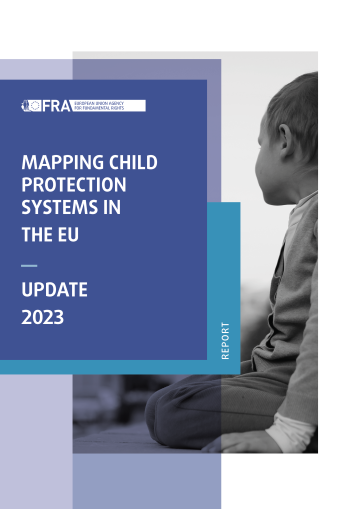
Mapping Child Protection Systems in the EU – Update 2023

Children’s rights exist to ensure the safety and wellbeing of every child. Improved child protection systems ensure that these rights are met. In recent years, the EU has taken significant steps to improve child protection systems. This mapping of child protection systems gives an overview of the state of such systems at national level and developments since 2015. It promotes the improvement of integrated child protection systems. It is an update of FRA’s mapping of child protection systems in 2015, based on data collected in 2023 in the 27 EU Member States. By publishing this, FRA aims to support securing the sustainable well-being, safety and rights of all children living in the EU.
Access the data explorer
Montage of faces of various Black people.
Report / Paper / Summary
Racial and ethnic origin
Equality, non-discrimination and racism
Hate crime
25
October
2023

Being Black in the EU – Experiences of people of African descent

FRA's first Being Black in the EU report exposed widespread and entrenched racism against people of African descent in Europe. Now updated with new data, this report revisits the situation revealing persistent racial discrimination, harassment and violence. Overall, experiences of racial discrimination increased in the EU countries since 2016, reaching as high as 77%. The lack of progress is alarming despite binding anti-discrimination law in the EU since 2000 and significant EU policy developments since then.
Read press release
Report / Paper / Summary
Support for human rights systems and defenders
Asylum, migration and borders
Data protection, privacy and new technologies
Equality, non-discrimination and racism
Justice, victims’ rights and judicial cooperation
20
October
2023

FRA Strategic Plan 2023-2028

FRA’s strategic priorities and objectives are based on the agency’s role and mission as defined in its amended founding regulation. They build on FRA’s 2018–2022 strategy as well as how it performed, its experience and its vision. Their design takes into account future fundamental rights challenges facing Europe, the agency’s mandate, the broader operational context and the resources available.
Little Girl With Down Syndrome And Boy Hugging
kali9 © iStockphoto.com, 2022
Handbook / Guide / Manual
People with disabilities
Equality, non-discrimination and racism
20
March
2023

Implementing the UN Convention on the Rights of Persons with Disabilities: Human rights indicators

This guide helps independent national monitoring frameworks to fulfil their monitoring responsibility set out in Article 33 of the Convention on the Rights of Persons with Disabilities (CRPD). It focuses on the use of indicators. It does not deal with aspects such as compliance with the Paris Principles or the efficiency of complaints mechanisms. Its objective is to support national monitoring frameworks in designing or improving indicators for assessing progress of CRPD implementation at national level.
Read news item
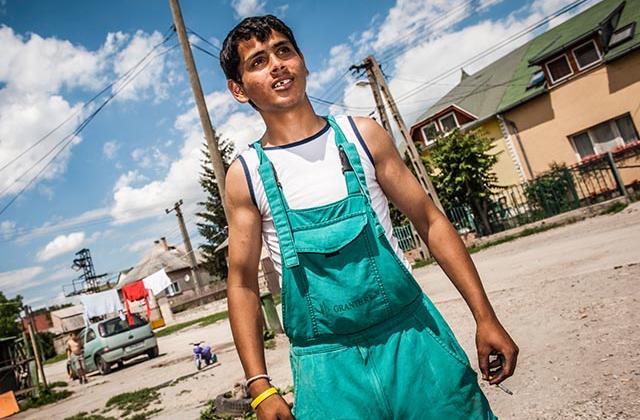
Roma man outside housing in Hungary
Christophe Vander Eecken / EEA and Norway Grants
Report / Paper / Summary
Roma
Equality, non-discrimination and racism
Children, youth and older people
Hate crime
25
October
2022
02 November 2022

Roma in 10 European Countries - Main results

This report presents findings from FRA’s 2021 survey on Roma in Croatia, Czechia, Greece, Hungary, Italy, Portugal, Romania and Spain, as well as in North Macedonia and Serbia. The survey includes interviews with more than 8,400 Roma, collecting information on more than 20,000 individuals living in their households. By focusing on Roma, the survey provides unique data and information that are not available from European general population surveys, which do not disaggregate on grounds of ethnic origin. The findings present a bleak but familiar picture of exclusion, deprivation, discrimination and racism.
Read Press Release
Explore survey data
Download dataset
Az FRA-RÓL

Bővebb információ az Ügynökségről és tevékenységéről.

  • Az FRA-ról
  • az Európai Unió Alapjogi Chartája
  • Hová fordulhat segítségért?
  • Hírek
  • Iratkozzon fel híreinkre
Kapcsolat
Address
European Union Agency for Fundamental Rights
Schwarzenbergplatz 11
A-1040 Vienna, Austria
E-mail
Írjon nekünk
Newsletter
Iratkozzon fel híreinkre!s
  • Facebook
  • Twitter
  • LinkedIn
  • YouTube
  • Newsletter
  • E-mail
  • RSS

© European Union Agency for Fundamental Rights, 2007-2026

  • About this website
  • Legal notice
  • Cookies
  • Data Protection
  • Accessibility