Equality

Gyermekek, fiatalok és idősebbek

Highlights

  • Report / Paper / Summary
    13
    September
    2023
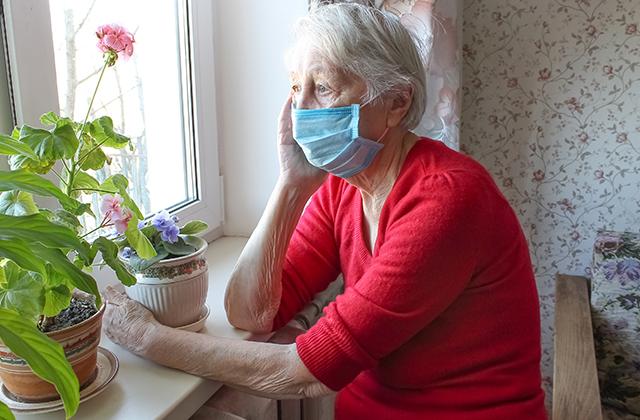
    Europe’s ageing population is ever-increasing, and our societies are becoming more digitalised. Many public services are now available online, with many more services in the process of being digitalised. But the digitalisation of public services poses a risk of exclusion for older persons. In this new report, FRA explores the impact of digitalisation on the fundamental rights of older persons. The report maps the current legislation, policies and practices fostering digital inclusion. It provides an overview of the laws at the national level that provide for equal access to public services, both online and offline. The findings show how Member States safeguard older person’s rights to access services undergoing digitalisation. It outlines how Member States can support digital skills and ensure older people can fully participate in public life.

  • Handbook / Guide / Manual
    7
    April
    2022
    A gyermekek teljes jogú jogosultak. Megilleti őket az összes emberi és alapvető jog, és sajátos jellemzőikre tekintettel rájuk különleges szabályok vonatkoznak. E kézikönyv célja annak bemutatása, hogy az európai jog és ítélkezési gyakorlat hogyan kezeli a gyermekek sajátos érdekeit és szükségleteit. Bemutatja a szülők és gyámok vagy más törvényes képviselők jelentőségét is, és adott esetben utal arra, ha egyes jogok és felelősségek elsősorban a gyermekek gondviselőit illetik. Forrásként szolgál mind az Európai Unió (EU), mind az Európa Tanács e témákhoz kapcsolódó jogával kapcsolatban, és kifejti, hogy az egyes kérdéseket hogyan szabályozza az uniós jog, ezen belül az Európai Unió Alapjogi Chartája, illetve az emberi jogok európai egyezménye (EJEE), az Európai Szociális Charta és az Európa Tanács más eszközei.
  • Leaflet / Flyer
    20
    November
    2019
    Child rights come first. Measures to ensure child protection and participation apply to all children in the EU. This brochure guides you to relevant FRA reports and tools that can support you when promoting and protecting the rights of all children in the EU.
  • Report / Paper / Summary
    25
    April
    2018
    The right to access justice and all other relevant procedural rights are not just rights in themselves; they also protect against violations of every other right. Respect for children’s rights in the area of justice is therefore essential. International treaties, the Charter of Fundamental Rights of the European Union, European Union (EU) secondary law, and national legislation provide a number of relevant rights.
    Termékek
    17
    March
    2020
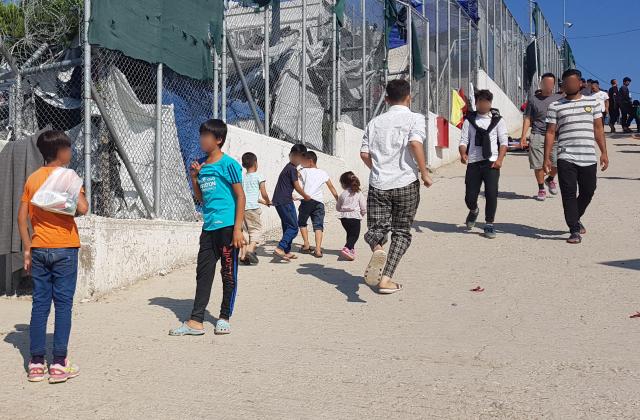
    The EU Agency for Fundamental Rights (FRA) urges Member States to agree on a simple and practical workflow as soon as possible, to avoid lack of clarity and delays in the relocation process. This paper provides practical suggestions on relocation of unaccompanied children from Greece, building on lessons learned from previous mandatory and voluntary relocation schemes. The paper provides FRA input on the initiative of the European Commission and a group of Member States to relocate unaccompanied children.
    19
    November
    2019
    Over 2.5 million people applied for international protection in the 28 EU Member States in 2015 and 2016. Many of those who were granted some form of protection are young people, who are likely to stay and settle in the EU. The EU Agency for Fundamental Rights interviewed some of them, as well as professionals working with them in 15 locations across six EU Member States: Austria, France, Germany, Greece, Italy and Sweden. This report presents the result of FRA’s fieldwork research, focusing on young people between the
    ages of 16 and 24.
    20
    November
    2019
    French and German versions now available
    21 April 2020
    Child rights come first. Measures to ensure child protection and participation apply to all children in the EU. This brochure guides you to relevant FRA reports and tools that can support you when promoting and protecting the rights of all children in the EU.
    In this edition Michael O'Flaherty reports back from his visit to the asylum seeker facility in Lesbos and calls for the support of all EU Member States to improve in particular the situation of unaccompanied children.
    18
    September
    2019
    Individuals who are not entitled to stay in the European Union are typically subject to being returned to their home countries. This includes children who are not accompanied by their parents or by another primary caregiver. But returning such children, or finding another durable solution, is a delicate matter, and doing so in full compliance with fundamental rights protections can be difficult. This focus paper therefore aims to help national authorities involved in return-related tasks, including child-protection services, to ensure full rights compliance.
    4
    July
    2019
    Based on FRA’s second large-scale survey on experiences and perceptions of antisemitism, this report focuses on the perspectives of young Jewish Europeans (aged 16-34) living in twelve EU Member States. It first describes this particular group and takes a look at defining antisemitism and understanding the place of Israel in it.

    Fundamental Rights Report 2019: Not all children benefit equally from efforts to guarantee child rights.
    Some groups face particular difficulties.
    13
    June
    2019
    New language versions: BG, DE, EL, FR, RO
    02 July 2020
    A Szülői felügyelet nélkül maradt gyermekek a sajátjuktól eltérő uniós tagállamban című kézikönyv
    célja, hogy megerősítse a gyermekvédelem valamennyi szereplőjének reakcióját. E lányok és fiúk
    védelme elengedhetetlen, és az uniós tagállamok kötelezettsége, amely a nemzetközi és európai
    jogi keretből származik. Az útmutató az emberkereskedelem gyermek áldozataira, valamint
    a veszélynek kitett gyermekekre összpontosít, és végrehajtja Az uniós fellépés fokozása az
    emberkereskedelem elleni küzdelem terén c. 2017. évi közleményt, továbbá figyelembe veszi az
    azonosított mintákat, beleértve a bűncselekmény nemspecifikus jellegével kapcsolatosakat.
    6
    June
    2019
    How much progress can we expect in a decade? Various rights-related instruments had been in place for 10 years in 2018, prompting both sobering and encouraging reflection on this question.
    6
    June
    2019
    A 2018-as év előrelépést és visszaeséseket is hozott az alapjogok védelme terén. Az FRA 2019. évi alapjogi jelentése áttekinti a terület legfontosabb fejleményeit, és felhívja a figyelmet az eredményekre, illetve az aggályos kérdésekre . Ez a kiadvány ismerteti az FRA véleményét az érintett tematikus területeken bekövetkezett legfontosabb fejleményekről, és összefoglalja a véleményt alátámasztó tényeket.
    In the latest edition of his video blog, FRA Director Michael O'Flaherty talks about discrimination on the basis of age in the EU and calls for more respect for Human- and Fundamental Rights of older people.
    MDX Dataset
    This set of variables maps the various patterns concerning age requirements for children to acquire rights across the EU. This data is correct up to 20 November 2017. No updates to reflect new or amended legislation have been made since this date.
    This video blog by FRA Director Michael O'Flaherty is released periodically and will address burning fundamental rights themes.
    17
    October
    2018
    Almost 25 million children under 18 are at risk of poverty or social exclusion in the EU. Poverty deprives children of educational
    opportunities, childcare, access to health care, adequate food and housing, family support and even protection from violence.
    This report outlines data and survey findings that highlight the magnitude of child poverty in the EU, but also presents tools
    available to counter this phenomenon and keep track of progress made.
    12
    September
    2018
    In November 2017, the European Commission requested FRA’s support in evaluating the impact on fundamental rights of the European Border Surveillance System (Eurosur) Regulation. Further to this request, FRA reviewed the work of the European Border and Coast Guard Agency (Frontex) and analysed cooperation agreements concluded by EU Member States with third countries which are relevant for the exchange of information for the purposes of Eurosur. This report presents the main findings of such review.
    19
    July
    2018
    Across the European Union, Member States are faced with the challenge of integrating Europe’s most deprived
    and disenfranchised minority groups. As a follow up to the EU-MIDIS II findings on Roma, this report presents
    FRA’s findings relating to the issues of education and employment. Encouraging Roma participation in education
    and employment equips communities with higher incomes, better life opportunities and greater social inclusion.
    In the latest edition of his video blog, FRA Director Michael O'Flaherty focuses on the importance of shifting perceptions towards a rights-based approach to ageing.
    6
    June
    2018
    Finnish version now available
    27 January 2020
    European societies are not getting any younger! It is a simple truth we must face both about ourselves and Europe as a whole. In two generations, by 2080, those aged 65 or above will account for almost 30% of the European Union’s population.
    6
    June
    2018
    The year 2017 brought both progress and setbacks in terms of rights protection. The European Pillar of Social Rights marked an important move towards a more ‘social Europe’. But, as experiences with the EU Charter of Fundamental Rights underscore, agreement on a text is merely a first step. Even in its eighth year as the EU's binding bill of rights, the Charter's potential was not fully exploited, highlighting the need to more actively promote its use.
    17
    May
    2018
    Az Európai Unióban a civil társadalmi szervezetek alapvető szerepet játszanak az alapvető jogok előmozdításában, ez ugyanakkor egyre nehezebb számukra a különböző jogi és gyakorlati korlátozások miatt. Jóllehet valamennyi uniós tagállamban léteznek kihívások, azok konkrét természete és mértéke eltérő. Az ezzel kapcsolatos adatok és kutatások – összehasonlító kutatást is ideértve – gyakran hiányoznak.
    Az FRA jelentése ezért áttekinti az EU-ban emberi jogi területen működő, civil társadalmi szervezetek előtt álló kihívások különböző típusait és tendenciáit. Kiemeli továbbá azokat
    az ígéretes gyakorlatokat, amelyek képesek ezeket az aggasztó tendenciákat ellensúlyozni.