Justice

Õigusküsimused, ohvrite õigused ja õigusalane koostöö

<p>Your access to justice is a fundamental right. It is central to making your other rights a reality.</p>
<p>It protects rights of the individual. It puts right civil wrongs. It holds power to account. We shine a light on obstacles to access to justice. And we give evidence-based advice on overcoming them.</p>

Highlights
  • Report / Paper / Summary
    24
    February
    2026
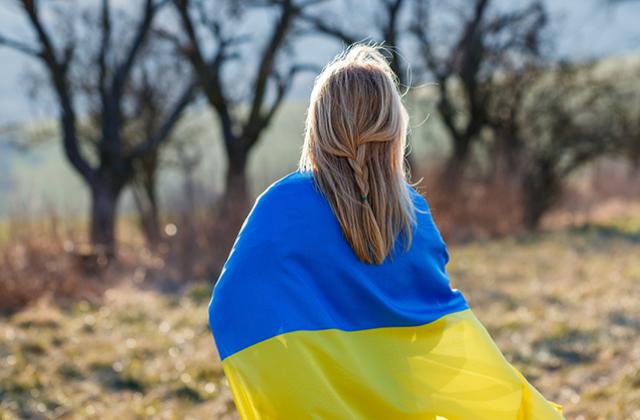
    The start of Russia’s war of aggression against Ukraine on 24 February 2022 shocked the global community and gave rise to a
    series of urgent fundamental rights challenges across Europe. While much attention has focused on the scale of devastation and its wider impact on all Ukrainians, the war has also inflicted profound personal harm. This report sheds light on the violence, sexual harassment and exploitation experienced by women displaced from Ukraine. Drawing on a survey and in-depth interviews with women from Ukraine, the report documents the prevalence, forms and patterns of gender-based violence and sets out practical measures to improve safety, access to justice and support.
  • Video
    There are no truly safe spaces for women. At home, at work, in public or online, 1 in 3 women and girls have experienced some form of gender-based violence. This ranges from hate, harassment, abuse, to physical and sexual violence. Women are being silenced and harmed - online and offline - every day, as the EU gender-based survey findings show. But we have the tools to fight it. By preventing violence before it starts, by strengthen legal protection, by funding support services for victims and by training police and healthcare professionals.
  • Report / Paper / Summary
    13
    November
    2025
    FRA analysed 31 digital tools and systems across seven EU Member States, exploring potential positive and negative effects on victims, claimants and defendants. By identifying risks early, investing in skills and training, and embedding protections from the outset, policymakers and practitioners can build effective and inclusive justice systems. This report provides practical suggestions to help ensure that digitalised justice systems are accessible and deliver fair outcomes for all.
  • Page
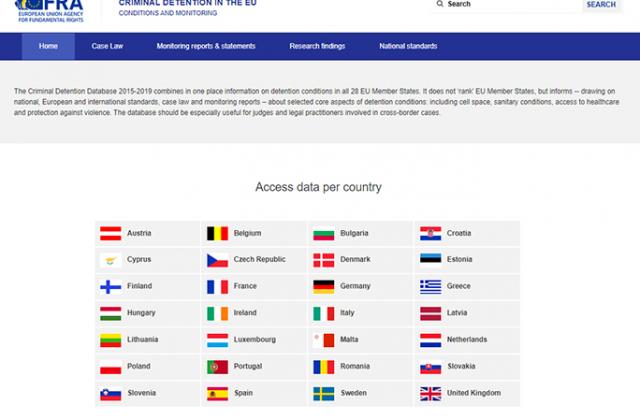
    The Criminal Detention Database 2015-2022 combines in one place information on detention conditions in all 27 EU Member States as well as the United Kingdom.
    Tooted
    Fundamental Rights Report 2019: In some Member States access to justice faces challenges. Judicial independence continues to cause
    concerns. Victims’ procedural rights need more effective implementation. Gaps in preventing
    violence against women and domestic violence remain.
    13
    June
    2019
    New language versions: ES, HU, IT, NL, PL
    15 September 2020
    Juhendi „Vanemliku hoolitsuseta lapsed, kes leitakse ELi liikmesriigist, mis ei ole nende
    päritoluliikmesriik“ eesmärk on tõhustada kõigi lastekaitsega tegelevate üksuste tegevust. Selliste
    tüdrukute ja poiste kaitsmine on väga tähtis. See on ka ELi liikmesriikide kohustus, mis tuleneb
    rahvusvahelisest ja Euroopa õigusraamistikust. Juhendis pööratakse eritähelepanu inimkaubanduse
    lapsohvritele ja ohus olevatele lastele ning sellega viiakse ellu meede, mis nähti ette 2017. aasta
    teatises inimkaubanduse vastaste ELi meetmete tugevdamise kohta, võttes arvesse kindlakstehtud
    mustreid, sealhulgas kuritegevuse soolist eripära.
    11
    June
    2019
    Algorithms used in machine learning systems and artificial intelligence (AI) can only be as good as the data used for their development. High quality data are essential for high quality algorithms. Yet, the call for high quality data in discussions around AI often remains without any further specifications and guidance as to what this actually means.
    6
    June
    2019
    How much progress can we expect in a decade? Various rights-related instruments had been in place for 10 years in 2018, prompting both sobering and encouraging reflection on this question.
    6
    June
    2019
    2018. aasta tähendas põhiõiguste kaitse jaoks nii edusamme kui ka tagasilööke. Euroopa Liidu Põhiõiguste Ameti (FRA) 2019. aasta põhiõiguste aruandes esitatakse ülevaade valdkonna peamistest arengusuundadest, tuues esile saavutused ja endiselt probleemsena püsivad valdkonnad. Selles väljaandes esitatakse FRA arvamused peamiste hõlmatud teemavaldkondade arengu kohta ja neid arvamusi toetavate tõendite kokkuvõte.
    25
    April
    2019
    Victims of violent crime have various rights, including to protection and to access justice. But how are these rights playing out in practice? Are victims of violent crime properly seen, informed, empowered and heard? Do they tend to feel that justice has been done? Our four-part report series takes a closer look at these questions, based on interviews with victims, people working for victim support organisations, police officers, attorneys, prosecutors and judges.
    25
    April
    2019
    Victims of violent crime have various rights, including to protection and to access justice. But how are these rights playing out in practice? Are victims of violent crime properly seen, informed, empowered and heard? Do they tend to feel that justice has been done? Our four-part report series takes a closer look at these questions, based on interviews with victims, people working for victim support organisations, police officers, attorneys, prosecutors and judges.
    25
    April
    2019
    Victims of violent crime have various rights, including to protection and to access justice. But how are these rights playing out in practice? Are victims of violent crime properly seen, informed, empowered and heard? Do they tend to feel that justice has been done? Our four-part report series takes a closer look at these questions, based on interviews with victims, people working for victim support organisations, police officers, attorneys, prosecutors and judges.
    20
    February
    2019
    This Opinion aims to inform the European Parliament’s position on the legislative proposal for a Regulation on preventing the dissemination of terrorist content online, presented by the European Commission on 12 September 2018.
    5
    December
    2018
    Last versions available are EL and NL
    11 March 2021
    Käesolevas juhendis selgitatakse, mida profiilide koostamine endast kujutab, milliste õigusaktidega seda reguleeritakse ning miks on nii profiilide koostamise seaduslikkus põhiõiguste tagamiseks kui ka politseitegevuse ja piirihalduse tõhus toimimine olulised. Juhendis antakse ka praktilisi soovitusi selle kohta, kuidas vältida politsei- ja piirivalvetoimingutes ebaseaduslikku profiilide koostamist.
    26
    October
    2018
    The EU Agency for Fundamental Rights’ 2018 Fundamental Rights Forum
    brought together more than 700 human rights champions at a time of
    widening social divisions and increasingly polarised politics across
    Europe.
    5
    September
    2018
    Severe labour exploitation is widespread across the European Union. While workplace inspections can help counter this phenomenon, they need to be strengthened to do so effectively. Based on interviews and focus group discussions with almost 240 exploited workers active in diverse economic sectors, this report provides important evidence on how unscrupulous employers manipulate and undermine inspections, and on what can be done to counteract such efforts.
    6
    September
    2018
    Workers are being severely exploited for their labour across the EU, and
    inspections are not effective at stopping this reality. Based on interviews with
    almost 240 workers – including non-EU citizens who came to the EU and
    EU nationals who moved to another EU country to work – a new FRA report
    outlines the problem and identifies ways to bolster inspections.
    6
    June
    2018
    The year 2017 brought both progress and setbacks in terms of rights protection. The European Pillar of Social Rights marked an important move towards a more ‘social Europe’. But, as experiences with the EU Charter of Fundamental Rights underscore, agreement on a text is merely a first step. Even in its eighth year as the EU's binding bill of rights, the Charter's potential was not fully exploited, highlighting the need to more actively promote its use.
    6
    June
    2018
    2017. aasta tähendas põhiõiguste kaitse jaoks nii edusamme kui ka tagasilööke. Euroopa Liidu Põhiõiguste Ameti (FRA) 2018. aasta põhiõiguste aruandes esitatakse ülevaade valdkonna peamistest arengusuundadest, tuues esile nii saavutused kui ka püsivad muret tekitavad valdkonnad.
    17
    May
    2018
    Euroopa Liidu kodanikuühiskonna organisatsioonidel on oluline roll põhiõiguste edendamisel, kuid nii õiguslike kui ka praktiliste piirangute tõttu on neil seda üha raskem teha. Probleemid esinevad kõigis ELi liikmesriikides, ehkki nende olemus ja ulatus on erinev. Selle valdkonna andmed ja teadusuuringud – ka võrdlevad teadusuuringud – on üldiselt puudulikud.
    Seepärast käsitleb FRA aruanne ELi inimõiguste valdkonnas tegutsevate kodanikuühiskonna organisatsioonide ees seisvate probleemide eri liike ja trende.
    9
    May
    2018
    Et terrorismi, küberrünnakute ja organiseeritud kuritegevuse ohud ELis üha kasvavad, on luureteenistuste töö muutunud kiireloomulisemaks, keerukamaks ja rahvusvahelisemaks. Selline töö võib põhiõigusi, eelkõige eraelu puutumatust ja andmekaitset, tugevalt riivata. Kuigi jätkuvad tehnoloogilised edusammud selliste rikkumiste ohtu suurendavad, aitavad tõhus järelevalve ja õiguskaitsevahendid kuritarvituste võimalusi vähendada.
    25
    April
    2018
    This report outlines Member States’ approaches to age requirements and limits
    regarding child participation in judicial proceedings; procedural safeguards for, and rights of, children involved in criminal
    proceedings; as well as issues related to depriving children of their liberty.
    25
    April
    2018
    The right to access justice and all other relevant procedural rights are not just rights in themselves; they also protect against violations of every other right. Respect for children’s rights in the area of justice is therefore essential. International treaties, the Charter of Fundamental Rights of the European Union, European Union (EU) secondary law, and national legislation provide a number of relevant rights.