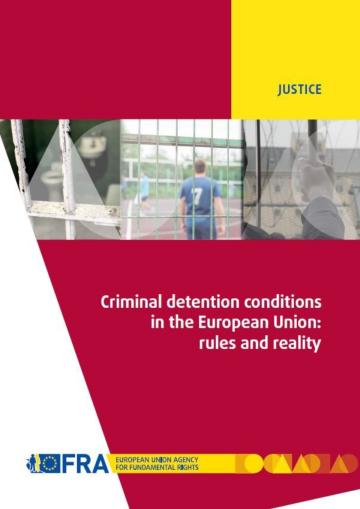
This report looks at five core aspects of detention conditions in EU Member States: the size of cells; the amount of time detainees can spend outside of these cells, including outdoors; sanitary conditions; access to healthcare; and whether detainees are protected from violence. For each of these aspects of detention conditions, the report first summarises the minimum standards at international and European levels. It then looks at how these standards are translated into national laws and other rules of the EU Member States.
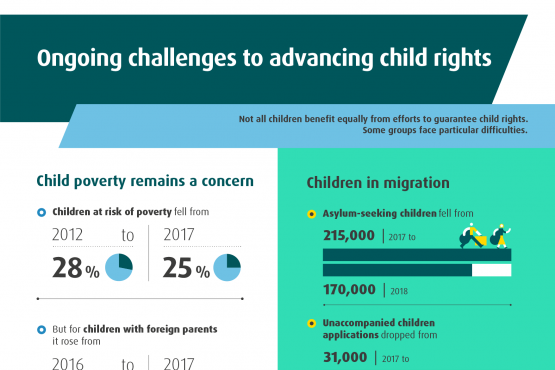
Child rights come first. Measures to ensure child protection and participation apply to all children in the EU. This brochure guides you to relevant FRA reports and tools that can support you when promoting and protecting the rights of all children in the EU.
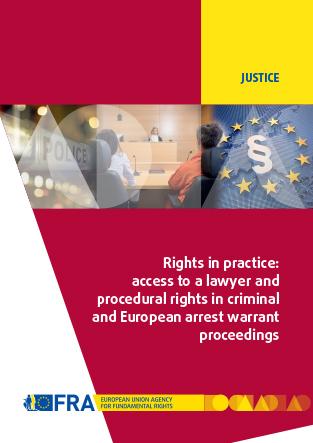
Protecting the rights of anyone suspected or accused of a crime is an essential element of the rule of law. Courts, prosecutors and police officers need certain powers to enforce the law – but trust in the outcomes of their efforts will quickly erode without effective safeguards. Such safeguards take on various forms, and include the right to certain information and to a lawyer.
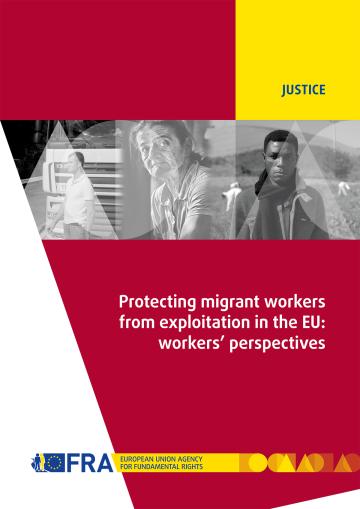
This report is the EU Fundamental Rights Agency’s fourth on the topic of severe labour exploitation. Based on interviews with 237 exploited workers, it paints a bleak picture of severe exploitation and abuse. The workers include both people who came to the EU, and EU nationals who moved to another EU country. They were active in diverse sectors, and their legal status also varied.
In 2018, some 2,299 people are estimated to have died or gone missing at sea while crossing the sea to reach Europe to escape war or persecution or to pursue a better life. This is on average more than six people per day. Before mid-2017, a significant share of migrants in distress at sea have been rescued by civil society vessels deployed with a humanitarian mandate to reduce fatalities and bring rescued migrants to safety. In 2018, however, authorities in some Member States viewed civil society-deployed rescue vessels with hostility. As a reaction, they seized rescue vessels, arrested crew members, and initiated legal procedures against them (more than a dozen altogether). In some cases, rescue vessels were blocked in harbours due to flag issues.
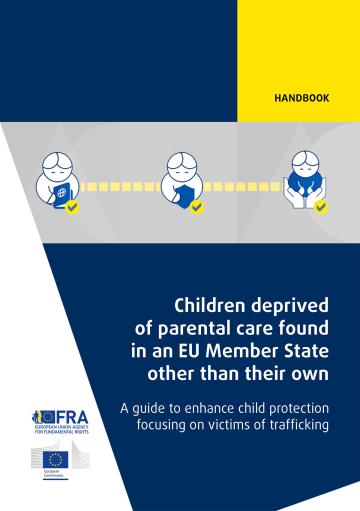
Children deprived of parental care found in another EU Member State other than their own aims to strengthen the response of all relevant actors for child protection. The protection of those girls and boys is paramount and an obligation for EU Member States, derived from the international and European legal framework. The guide includes a focus on child victims of trafficking and children at risk, implementing an action set forth in the 2017 Communication stepping up EU action against trafficking in human beings, and takes into account identified patterns, including with respect to the gender specificity of the crime.
Victims of violent crime have various rights, including to protection and to access justice. But how are these rights playing out in practice? Are victims of violent crime properly seen, informed, empowered and heard? Do they tend to feel that justice has been done? Our four-part report series takes a closer look at these questions, based on interviews with victims, people working for victim support organisations, police officers, attorneys, prosecutors and judges.
Victims of violent crime have various rights, including to protection and to access justice. But how are these rights playing out in practice? Are victims of violent crime properly seen, informed, empowered and heard? Do they tend to feel that justice has been done? Our four-part report series takes a closer look at these questions, based on interviews with victims, people working for victim support organisations, police officers, attorneys, prosecutors and judges.
Victims of violent crime have various rights, including to protection and to access justice. But how are these rights playing out in practice? Are victims of violent crime properly seen, informed, empowered and heard? Do they tend to feel that justice has been done? Our four-part report series takes a closer look at these questions, based on interviews with victims, people working for victim support organisations, police officers, attorneys, prosecutors and judges.
Victims of violent crime have various rights, including to protection and to access justice. But how are these rights playing out in practice? Are victims of violent crime properly seen, informed, empowered and heard? Do they tend to feel that justice has been done? Our four-part report series takes a closer look at these questions, based on interviews with victims, people working for victim support organisations, police officers, attorneys, prosecutors and judges.
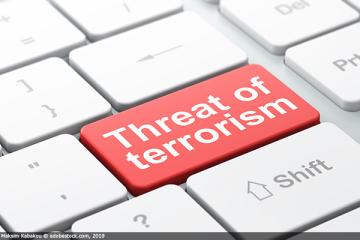
This Opinion aims to inform the European Parliament’s position on the legislative proposal for a Regulation on preventing the dissemination of terrorist content online, presented by the European Commission on 12 September 2018.
This note draws attention to the recent trend of criminalising search and rescue operations (SAR) in the Mediterranean Sea carried out by non-governmental organisations (NGOs) or other private entities. This includes seizing rescue vessels, as well as arrests for crew members, in some EU Member States. Most of such incidents concerned NGOs operating in the Central Mediterranean Sea.
Rychlý vývoj informací a komunikačních technologií zdůrazňuje rostoucí potřebu spolehlivé ochrany osobních
údajů – práva, jež zaručují jak nástroje Evropské unie (EU), tak nástroje Rady Evropy (RE). Ochrana tohoto
důležitého práva přináší nové a významné výzvy, jelikož technologický pokrok rozšiřuje hranice oblastí, jako
je dozor, odposlouchávání komunikací a uchovávání údajů. Tato příručka je určena k tomu, aby právníky,
kteří se nespecializují na oblast ochrany údajů, s touto oblastí práva seznámila. Poskytuje přehled platných
právních rámců EU a RE. Vysvětluje rovněž klíčovou judikaturu, shrnuje hlavní rozhodnutí Evropského soudu
pro lidská práva i Soudního dvora Evropské unie. Kromě toho představuje hypotetické scénáře, které slouží
jako praktické ilustrace rozmanitých problémů, s nimiž se v tomto neustále se měnícím oboru potýkáme.
Den hurtige udvikling inden for informations- og kommunikationsteknologi fremhæver det øgede behov for
solid beskyttelse af personoplysninger – en ret, der er sikret ved både EU’s og Europarådets instrumenter.
Beskyttelse af denne vigtige rettighed indebærer nye og væsentlige udfordringer, da teknologiske fremskridt
udvider mulighederne for f.eks. overvågning, opfangelse af kommunikation og lagring af data. Denne håndbog
har til formål at give jurister, som ikke er specialister inden for databeskyttelse, kendskab til dette nye
juridiske område.
The rapid development of information technology has exacerbated the need for robust personal data protection, the right to which is safeguarded by both European Union (EU) and Council of Europe (CoE) instruments. Safeguarding this important right entails new and significant challenges as technological advances expand the frontiers of areas such as surveillance, communication interception and data storage. This handbook is designed to familiarise legal practitioners not specialised in data protection with this emerging area of the law.
Infotehnoloogia hoogne areng on teravdanud vajadust tugeva isikuandmete kaitse järele, sest õigus
isikuandmete kaitsele on sätestatud nii Euroopa Liidu kui ka Euroopa Nõukogu õigusaktides. Selle olulise
õiguse tagamisel tekib uusi ja olulisi probleeme, sest tehnika areng laiendab selliseid valdkondi nagu seire,
side pealtkuulamine ja andmete säilitamine. Käsiraamatu eesmärk on tutvustada andmekaitset kui arenevat
õigusvaldkonda juristidele, kes ei ole andmekaitse spetsialistid.
Tieto- ja viestintätekniikoiden nopea kehitys on kasvattanut vankan tietosuojan tarvetta. Tämä oikeus
vahvistetaan sekä Euroopan unionin (EU) että Euroopan neuvoston säädöksissä. Tekniikan kehittymisen
myötä esimerkiksi tarkkailun, telepakkokeinojen ja tietojen säilyttämisen rajat ovat väljentyneet asettaen
uusia ja merkittäviä haasteita tämän tärkeän oikeuden turvaamiselle. Tämän käsikirjan tarkoituksena
on tarjota tietosuojaoikeuteen liittyvää tietoa oikeusalan ammattilaisille, jotka eivät ole erikoistuneet
tähän kehittyvään oikeuden alaan.
De snelle ontwikkeling van de informatietechnologie heeft de noodzaak voor een degelijke bescherming
van persoonsgegevens weer versterkt, het recht dat wordt gewaarborgd door zowel de Europese Unie
(EU) als de Raad van Europa (RvE). De bescherming van dit belangrijke recht brengt nieuwe en belangrijke
uitdagingen met zich mee, aangezien technologische ontwikkelingen de grenzen van domeinen zoals
toezicht, onderschepping van communicatie en gegevensopslag, verlegt. Deze handleiding is bedoeld voor
beoefenaars van juridische beroepen die niet gespecialiseerd zijn in gegevensbescherming, om vertrouwd
te raken met dit opkomende domein van de wet.
A rápida evolução das tecnologias da informação exacerbou a necessidade de uma proteção sólida dos dados pessoais, cujo direito é garantido por instrumentos da União Europeia (UE) e do Conselho da Europa (CdE). A salvaguarda deste importante direito implica importantes novos desafios porque os avanços tecnológicos expandem as fronteiras de áreas como a vigilância, a interceção das comunicações e o armazenamento dos dados. O presente manual destina-se a familiarizar os profissionais do Direito que não são especializados em proteção de dados com esta área emergente do Direito.