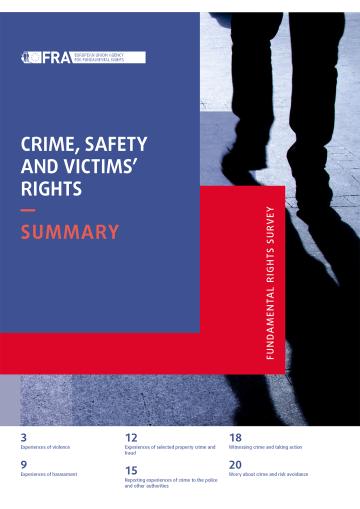
Ez az összefoglaló az FRA által az alapjogi felmérése
alapján készített második jelentés legfontosabb
meglátásait mutatja be. A felmérés során mintegy
35 000 embertől gyűjtöttek adatokat számos, az
emberi jogokra különböző mértékben kiterjedő
kérdéssel kapcsolatos tapasztalataikról,
észrevételeikről és véleményeikről.
The EU Agency for Fundamental Rights has been regularly collecting data on asylum and migration since September 2015. This report focuses on the fundamental rights situation of people arriving in Member States and EU candidate countries particularly affected by migration. It addresses fundamental rights concerns between 1 October and 31 December 2020.
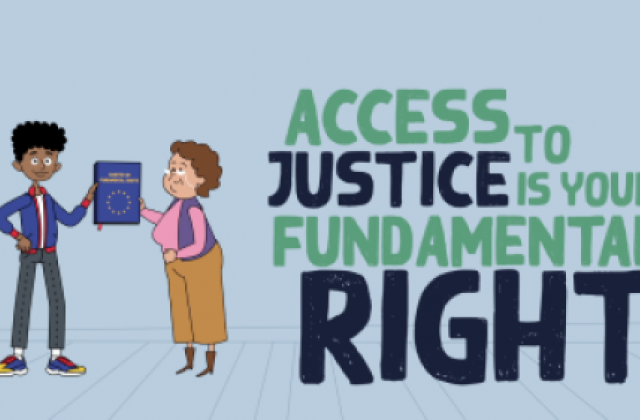
Crime can touch any of us – as witnesses or as victims. But no matter who you are, we all have rights when it comes to justice. These three short clips show some aspects of working together for justice, rights of victims of crime and rights of witnesses of crime.
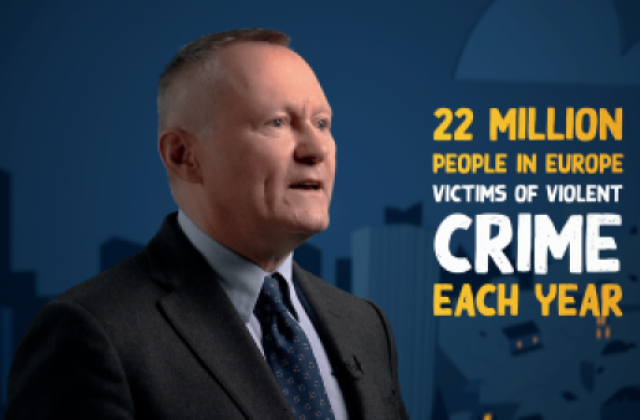
We don’t all experience crime in the same way, and we might deal with it differently. But it’s vital – as victims or witnesses – that our rights are guaranteed, because access to justice is our fundamental right. Watch FRA Director Michael O’Flaherty speaking on the Fundamental Rights Survey report on crime, safety and victims’ rights.
Crime can touch any of us – as witnesses or as victims. But no matter who you are, we all have rights when it comes to justice. It is for this reason that the European Union Agency for Fundamental Rights asked 35,000 people across Europe about their experiences of crime in its Fundamental Rights Survey, and the results are in.
This is the second main report from FRA’s Fundamental Rights Survey, which collected data from 35,000 people on a range of issues. This report focuses on respondents’ experiences as victims of selected types of crime, including violence, harassment, and property crime. The report also examines how often these crimes are reported to the police, and presents further details relating to harassment and violence, such as the perpetrators and where the incidents took place.
Докладът на FRA относно изкуствения интелект и основните права представя конкретни примери за начина, по който дружествата и държавните администрации в ЕС използват или се опитват да използват ИИ. В настоящото резюме се представят основните заключения от доклада. Те могат да послужат за информация при създаване на политики на равнището на ЕС и на национално равнище за регламентиране на използването на инструменти с ИИ в съответствие с правата на човека и основните права.
FRA’s report on artificial intelligence and fundamental rights presents concrete examples of how companies and public administrations in the EU are using, or trying to use, AI. This summary presents the main insights from the report. These can inform EU and national policymaking efforts to regulate the use of AI tools in compliance with human and fundamental rights.
Az FRA mesterséges intelligenciával és alapvető jogokkal kapcsolatos jelentése konkrét példákkal illusztrálja, hogyan használják vagy próbálják használni az MI-t az EU-ban a vállalkozások és a közigazgatások. A jelentés négy kulcsfontosságú területre összpontosít: szociális ellátás, prediktív rendészet, egészségügyi ellátás és célzott marketing. A jelentés megvitatja az alapvető jogokkal kapcsolatos lehetséges hatásokat, és elemzi, hogyan veszik figyelembe ezeket a jogokat az MI-alkalmazások használatakor vagy fejlesztésekor.
National Human Rights Institutions (NHRIs) are a vital part of the country-level human rights protection system. By raising awareness, providing advice, monitoring and holding authorities to account, they have a central role in navigating the great human rights challenges of our day – tackling both persistent concerns like discrimination and inequality, and novel issues such as the rights implications of artificial intelligence and of the COVID-19 pandemic.
This is a recording from the morning session of the high-level virtual event "Doing Artificial Intelligence the European way" which took place on 14 December 2020.
This is a recording from the afternoon session of the high-level virtual event "Doing Artificial Intelligence the European way" which took place on 14 December 2020.
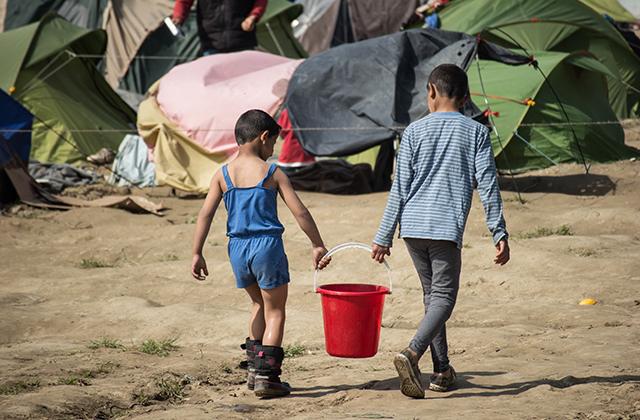
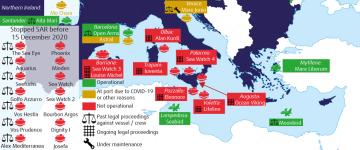
In 2020 (until 15 December), the International Organization for Migration estimated that about 1,054 people have died or gone missing while crossing the Mediterranean Sea to reach Europe to escape war or persecution or to pursue a better life. This is an average of almost three people per day. In the past years, a significant number of migrants in distress at sea have been rescued by civil society vessels deployed with a humanitarian mandate to reduce fatalities and bring rescued migrants to safety. Since 2018, however, national authorities initiated some 50 administrative and criminal proceedings against crew members or vessels, also seizing the latter. In some cases, rescue vessels were blocked in harbours due to flag issues or the inability to meet maritime safety-related and other technical requirements.
Европейската конвенция за защита на правата на човека (ЕКПЧ) и правото на Евро- пейския съюз (ЕС) предоставят рамка за защита на правата на чужденците, чието значение непрестанно се повишава. Законодателството на Европейския съюз относно убежището, границите и имиграцията се развива бързо. Съществува вну- шителна по обем съдебна практика на Европейския съд по правата на човека във връзка по-специално с членове 3, 5, 8 и 13 от ЕКПЧ. Към Съда на Европейския съюз биват отправяни все повече искания да се произнесе по отношение на тълкуването на разпоредбите на правото на Европейския съюз в тази област. Третото издание на този наръчник, актуализирано до юли 2020 г., предоставя по достъпен начин това законодателство на Европейския съюз и съвкупността от съдебната практика на европейските съдилища. Наръчникът е предназначен за практикуващи юристи, съдии, прокурори, служители на имиграционните служби и неправителствени орга- низации в държавите — членки на ЕС, и на Съвета на Европа.
The European Convention on Human Rights and European Union law provide an increasingly important framework for the protection of the rights of foreigners. European Union legislation relating to asylum, borders and immigration is developing fast. There is an impressive body of case law by the European Court of Human Rights relating in particular to Articles 3, 5, 8 and 13 of the ECHR. The Court of Justice of the European Union is increasingly asked to pronounce on the interpretation of European Union law provisions in this field. The third edition of this handbook, updated up to July 2020, presents this European Union legislation and the body of case law by the two European courts in an accessible way.
Az emberi jogok európai egyezménye és az európai uniós jog egyre fontosabb keretet biztosít a külföldiek jogainak védelméhez. A menekültügyre, a határokra és a bevándorlásra vonatkozó európai uniós joganyag gyorsan fejlődik. Az Emberi Jogok Európai Bíróságának tekintélyes esetjogi korpusza alakult ki, különösen az EJEE 3., 5., 8. és 13. cikkével kapcsolatban. Az Európai Unió Bíróságát egyre gyakrabban kérik fel, hogy nyilatkozzon az Európai Unió e területre vonatkozó jogi rendelkezéseinek értelmezéséről. E kézikönyv 2020 júliusáig aktualizált harmadik kiadása hozzáférhető módon mutatja be ezeket az európai uniós jogszabályokat, valamint a két európai bíróság ítélkezési gyakorlatát. A kézikönyv az EU és az Európa Tanács tagállamaiban dolgozó gyakorló jogi szakembereknek, bíráknak, ügyészeknek, bevándorlási tisztviselőknek és nem kormányzati szervezeteknek szól.
В настоящото резюме се представят основните
изводи от първия доклад на FRA, които се
базират на проучването ѝ за основните права.
В проучването са събрани данни от около 35 000
лица относно техния опит, възприятия и мнения
по редица въпроси, които са обхванати по
различен начин от правата на човека.
The EU is founded on the values of democracy, rule of law and respect for human rights. Yet these values, and discussions on fundamental rights at the EU and Member State level, can seem remote in people’s daily lives. With this in mind, FRA explored what people understand, know and experience with respect to their fundamental rights in practice. The resulting data provide comprehensive and comparable evidence on these aspects.
Ez az összefoglaló az FRA által az alapjogi
felméréséről készített első jelentés legfontosabb
meglátásait mutatja be. A felmérés során mintegy
35 000 embertől gyűjtöttek adatokat számos, az
emberi jogokra különböző mértékben kiterjedő
kérdéssel kapcsolatos tapasztalataikról,
észrevételeikről és véleményeikről.