eu-charter

Listina základních práv EU

Článek 21 - Zákaz diskriminace

Článek 21 - Zákaz diskriminace

  1. Zakazuje se jakákoli diskriminace založená zejména na pohlaví, rase, barvě pleti, etnickém nebo sociálním původu, genetických rysech, jazyku, náboženském vyznání nebo přesvědčení, politických názorech či jakýchkoli jiných názorech, příslušnosti k národnostní menšině, majetku, narození, zdravotním postižení, věku nebo sexuální orientaci.
  2. V oblasti působnosti Smluv, a aniž jsou dotčena jejich zvláštní ustanovení, se zakazuje jakákoli diskriminace na základě státní příslušnosti.

Vysvětlivky

  • Text:

    Odstavec 1 čerpá z článku 13 Smlouvy o ES, nyní nahrazeného článkem 19 Smlouvy o fungování Evropské unie a článku 14 EÚLP a článku 11 Úmluvy o lidských právech a biomedicíně, pokud jde o genetické dědictví. Použije se v souladu s článkem 14 EÚLP v míře, v jaké mu odpovídá.

    Odstavec 1 a článek 19 Smlouvy o fungování Evropské unie, který má jiný smysl a rozsah, si neodporují a jsou navzájem slučitelné: článek 19 svěřuje Unii pravomoc přijímat právní akty, včetně harmonizace právních předpisů členských států, a bojovat proti některým formám diskriminace v něm vyčerpávajícím způsobem vyjmenovaným. Takové právní předpisy mohou zahrnovat činnost orgánů členského státu (a také vztahy mezi soukromými osobami) ve všech oblastech v rámci pravomocí Unie. Odstavec 1 článku 21 naproti tomu nevytváří žádné pravomoci přijímat antidiskriminační právní předpisy v oblastech pravomocí členského státu nebo v soukromé sféře ani nestanoví obecný zákaz diskriminace v těchto širokých oblastech. Místo toho upravuje pouze diskriminaci ze strany orgánů a institucí samotné Unie při výkonu pravomocí, které jí svěřují Smlouvy, a ze strany členských států, pouze provádějí-li právo Unie. Odstavec 1 proto nemění rozsah pravomocí udělených článkem 19 ani jeho výklad.

    Odstavec 2 odpovídá čl. 18 prvnímu pododstavci Smlouvy o fungování Evropské unie a musí být uplatňován v souladu s ním.

    Source:
    Úřední věstník Evropské unie C 303/17 - 14.12.2007
    Preamble - Explanations relating to the Charter of Fundamental Rights:
    Tato vysvětlení byla původně vyhotovena pod vedením prezídia Konventu, který vypracoval Listinu základních práv Evropské unie. Byla aktualizována pod vedením prezídia Evropského konventu s ohledem na změny návrhu znění Listiny provedené Konventem (zejména článků 51 a 52) a na vývoj práva Unie. Ačkoliv sama nemají právní závaznost, jsou cenným výkladovým nástrojem pro vyjasnění ustanovení Listiny.

Soudcovské právo

Vnitrostátního ústavního práva

57 results found

  • Portugal / Constitution of the Portuguese Republic
    Země:
    Portugal

    Article 13 (Principle of equality) (1) All citizens possess the same social dignity and are equal before the law. (2) No one may be privileged, favoured, prejudiced, deprived of any right or exempted from any duty for reasons of ancestry, sex, race, language, territory of origin, religion, political or ideological beliefs, education, economic situation, social circumstances or sexual orientation.

  • Preamble to the Constitution of 27 October 1946
    Země:
    France

    1 In the morrow of the victory achieved by the free peoples over the regimes that had sought to enslave and degrade humanity, the people of France proclaim anew that each human being, without distinction of race, religion or creed, possesses sacred and inalienable rights. They solemnly reaffirm the rights and freedoms of man and the citizen enshrined in the Declaration of Rights of 1789 and the fundamental principles acknowledged in the laws of the Republic. 3 The law guarantees women equal rights to those of men in all spheres. 5 Each person has the duty to work and the right to employment. No person may suffer prejudice in his work or employment by virtue of his origins, opinions or beliefs. 12 The Nation proclaims the solidarity and equality of all French people in bearing the burden resulting from national calamities.

  • Préambule de la Constitution du 27 octobre 1946
    Země:
    France

    1. Au lendemain de la victoire remportée par les peuples libres sur les régimes qui ont tenté d'asservir et de dégrader la personne humaine, le peuple français proclame à nouveau que tout être humain, sans distinction de race, de religion ni de croyance, possède des droits inaliénables et sacrés. Il réaffirme solennellement les droits et libertés de l'homme et du citoyen consacrés par la Déclaration des droits de 1789 et les principes fondamentaux reconnus par les lois de la République. 3. La loi garantit à la femme, dans tous les domaines, des droits égaux à ceux de l'homme. 5. Chacun a le devoir de travailler et le droit d'obtenir un emploi. Nul ne peut être lésé, dans son travail ou son emploi, en raison de ses origines, de ses opinions ou de ses croyances. 12. La Nation proclame la solidarité et l'égalité de tous les Français devant les charges qui résultent des calamités nationales.

  • Romania / Constitution of Romania
    Země:
    Romania

      Article 4 (...) (2) Romania is the common and indivisible homeland of all its citizens, without any discrimination on account of race, nationality, ethnic origin, language, religion, sex, opinion, political adherence, property or social origin.

  • Slovakia / Constitution of the Slovak Republic
    Země:
    Slovakia

    Article 12 (...) (2) Basic rights and freedoms on the territory of the Slovak Republic are guaranteed to everyone regardless of sex, race, color of skin, language, faith and religion, political, or other thoughts, national or social origin, belonging to a national minority or an ethnic group, property, gender, or any other status. No one may be harmed, preferred, or discriminated against on these grounds. (...)

  • Slovenia / Constitution of the Republic of Slovenia
    Země:
    Slovenia

    Article 14 In Slovenia everyone shall be guaranteed equal human rights and fundamental freedoms irrespective of national origin, race, sex, language, religion, political or other conviction, material standing, birth, education, social status, disability or any other personal circumstance. All are equal before the law.

  • Spain / Constitution of the Kingdom of Spain
    Země:
    Spain

    Section 14 Spaniards are equal before the law and may not in any way be discriminated against on account of birth, race, sex, religion, opinion or any other personal or social condition or circumstance.

  • Suomen perustuslaki
    Země:
    Finland

    6 § Yhdenvertaisuus Ihmiset ovat yhdenvertaisia lain edessä. Ketään ei saa ilman hyväksyttävää perustetta asettaa eri asemaan sukupuolen, iän, alkuperän, kielen, uskonnon, vakaumuksen, mielipiteen, terveydentilan, vammaisuuden tai muun henkilöön liittyvän syyn perusteella. Lapsia on kohdeltava tasa-arvoisesti yksilöinä, ja heidän tulee saada vaikuttaa itseään koskeviin asioihin kehitystään vastaavasti. Sukupuolten tasa-arvoa edistetään yhteiskunnallisessa toiminnassa sekä työelämässä, erityisesti palkkauksesta ja muista palvelussuhteen ehdoista määrättäessä, sen mukaan kuin lailla tarkemmin säädetään.

  • The Belgian Constitution
    Země:
    Belgium

    Article 11.Enjoyment of the rights and freedoms recognised for Belgians must be provided without discrimination. To this end, laws and federate laws* guarantee among others the rights and freedoms of ideological and philosophical minorities. Article 131.The law determines the measures designed to prevent all forms of discrimination for ideological or philosophical reasons.

  • The Constitution of the Republic of Cyprus
    Země:
    Cyprus

    Article 28
    1. All persons are equal before the law, the administration and justice and are entitled to equal protection thereof and treatment thereby.
    2. Every person shall enjoy all the rights and liberties provided for in this Constitution without any direct or indirect discrimination against any person on the ground of his community, race, religion, language, sex, political
    or other convictions, national or social descent, birth, colour, wealth, social class, or on any ground whatsoever, unless there is express provision to the contrary in this Constitution.
    3. No citizen shall be entitled to use or enjoy any privilege of any title of nobility or of social distinction within the territorial limits of the Republic.
    4. No title or nobility or other social distinction shall be conferred by or recognised in the Republic. Article 6
    Subject to the express provisions of this Constitution no law or decision of the House of Representatives or of any of the Communal Chambers, and no act or decision of any organ, authority or person in the Republic exercising executive power or administrative functions, shall discriminate against any of the two Communities or any person as a person or by virtue of being a member of a Community.

  • The Constitutional Act of Denmark
    Země:
    Denmark

    Section 70. No person shall by reason of his creed or descent be deprived of access to the full enjoyment of civic and political rights, nor shall he escape compliance with any common civic duty for such reasons.
    Section 71. Subsection 1. Personal liberty shall be inviolable. No Danish subject shall, in any manner whatsoever, be deprived of his liberty because of his political or religious convictions or because of his descent.
    Section 83. All legislative privileges attaching to nobility, title, and rank shall be abolished.

  • The Fundamental Law of Hungary
    Země:
    Hungary

    Article XV (Freedom and Responsibility) [...] (2) Hungary shall guarantee fundamental rights to everyone without discrimination and in particular without discrimination on grounds of race, colour, sex, disability, language, religion, political or other opinion, national or social origin, property, birth or any other status. [...]
    (4) By means of separate measures, Hungary shall help to achieve equality of
    opportunity and social inclusion.

  • Tο Σύνταγμα της Κυπριακής Δημοκρατίας
    Země:
    Cyprus

    ΑΡΘΡΟΝ 28
    1. Πάντες είναι ίσοι ενώπιον του νόμου, της διοικήσεως και της δικαιοσύνης και δικαιούνται να τύχωσι ίσης προστασίας και μεταχειρίσεως.
    2. Έκαστος απολαύει πάντων των δικαιωμάτων και των ελευθεριών των προβλεπομένων υπό του Συντάγματος άνευ ουδεμιάς δυσμενούς διακρίσεως αμέσου ή εμμέσου εις βάρος οιουδήποτε ατόμου ένεκα της κοινότητος, της φυλής, του χρώματος, της θρησκείας, της γλώσσης, του φύλου, των πολιτικών ή άλλων πεποιθήσεων, της εθνικής ή κοινωνικής καταγωγής, της γεννήσεως, του πλούτου, της κοινωνικής τάξεως αυτού ή ένεκα οιουδήποτε άλλου λόγου, εκτός εάν διά ρητής διατάξεως του Συντάγματος ορίζηται το αντίθετον.
    3. Ουδείς πολίτης δικαιούται να χρησιμοποιή τίτλον ευγενείας ή κοινωνικής διακρίσεως ή να απολαύη οιουδήποτε προνομίου εκ ταύτης εντός των εδαφικών ορίων της Δημοκρατίας.
    4. Ουδείς τίτλος ευγενείας ή άλλης κοινωνικής διακρίσεως απονέμεται ή αναγνωρίζεται εν τη Δημοκρατία. ΑΡΘΡΟΝ 6
    Τηρουμένων των ρητών διατάξεων του Συντάγματος ουδείς νόμος ή ουδεμία απόφασις της Βουλής ή οιασδήποτε των Κοινοτικών Συνελεύσεων ως και ουδεμία πράξις ή απόφασις οιουδήποτε οργάνου, αρχής ή προσώπου εν τη Δημοκρατία ασκούντος εκτελεστικήν εξουσίαν ή διοικητικόν λειτούργημα θέλει υποβάλλει εις δυσμενή διάκρισιν οιανδήποτε εκ των δύο κοινοτήτων ή οιονδήποτε πρόσωπον ως τοιούτον ή υπό την ιδιότητα αυτού ως μέλους κοινότητος.

  • Ustav Republike Hrvatske
    Země:
    Croatia

    Članak 14.
    (1) Svatko u Republici Hrvatskoj ima prava i slobode, neovisno o njegovoj rasi, boji kože, spolu, jeziku, vjeri, političkom ili drugom uvjerenju, nacionalnom ili socijalnom podrijetlu, imovini, rođenju, naobrazbi, društvenom položaju ili drugim osobinama.

    Članak 39.
    Zabranjeno je i kažnjivo svako pozivanje ili poticanje na rat ili uporabu nasilja, na nacionalnu, rasnu ili vjersku mržnju ili bilo koji oblik nesnošljivosti.

  • Võrdse kohtlemise seadus
    Země:
    Estonia

    § 1. Seaduse eesmärk ja reguleerimisala
    (1) Seaduse eesmärk on tagada isikute kaitse diskrimineerimise eest rahvuse (etnilise kuuluvuse), rassi, nahavärvuse, usutunnistuse või veendumuste, vanuse, puude või seksuaalse sättumuse alusel.
    (2) Käesoleva paragrahvi lõikes 1 nimetatud eesmärgi saavutamiseks sätestab seadus:
    1) võrdse kohtlemise põhimõtted;
    2) ülesanded võrdse kohtlemise põhimõtte rakendamisel ja edendamisel;
    3) diskrimineerimisvaidluste lahendamise.

  • Το Σύνταγμα της Ελλάδας
    Země:
    Greece

    Άρθρο 4 (5) Oι Έλληνες πoλίτες συνεισφέρoυν χωρίς διακρίσεις στα δημόσια βάρη, ανάλoγα με τις δυνάμεις τoυς. […] Άρθρο 5 (2) Όλoι όσoι βρίσκoνται στην Eλληνική Eπικράτεια απoλαμβάνoυν την απόλυτη πρoστασία της ζωής, της τιμής και της ελευθερίας τoυς, χωρίς διάκριση εθνικότητας, φυλής, γλώσσας και θρησκευτικών ή πoλιτικών πεπoιθήσεων. Eξαιρέσεις επιτρέπoνται στις περιπτώσεις πoυ πρoβλέπει τo διεθνές δίκαιo. [...]

  • КОНСТИТУЦИЯ на Република България
    Země:
    Bulgaria

    Чл. 6. (1) Всички хора се раждат свободни и равни по достойнство и права. (2) Всички граждани са равни пред закона. Не се допускат никакви ограничения на правата или привилегии, основани на раса, народност, етническа принадлежност, пол, произход, религия, образование, убеждения, политическа принадлежност, лично и обществено положение или имуществено състояние.

Právo EU

33 results found

  • Regulation (EU) 2021/692 of the European Parliament and of the Council of 28 April 2021 establishing the Citizens, Equality, Rights and Values Programme and repealing Regulation (EU) No 1381/2013 of the European Parliament

    Article 1

    Subject matter

    This Regulation establishes the Citizens, Equality, Rights and Values Programme (the ‘Programme’) for the duration of the multiannual financial framework 2021-2027, as laid down in Regulation (EU, Euratom) 2020/2093.

    It lays down the objectives of the Programme, the budget for the period 2021–2027, the forms of Union funding and the rules for providing such funding.

  • Regulation (EU) 2019/1896 of the European Parliament and of the Council of 13 November 2019 on the European Border and Coast Guard and repealing Regulations (EU) No 1052/2013 and (EU) 2016/1624

    Preamble

    (103) This Regulation respects the fundamental rights and observes the principles recognised by Articles 2 and 6 TEU and by the Charter of Fundamental Rights of the European Union (‘the Charter’), in particular respect for human dignity, the right to life, the prohibition of torture and inhuman or degrading treatment or punishment, the prohibition of trafficking in human beings, the right to liberty and security, the right to the protection of personal data, the right of access to documents, the right to asylum and to protection against removal and expulsion, non-refoulement, non-discrimination and the rights of the child.

    Article 1: Subject matter

    This Regulation establishes a European Border and Coast Guard to ensure European integrated border management at the external borders with a view to managing those borders efficiently in full compliance with fundamental rights and to increasing the efficiency of the Union return policy.

    This Regulation addresses migratory challenges and potential future challenges and threats at the external borders. It ensures a high level of internal security within the Union in full respect of fundamental rights, while safeguarding the free movement of persons within the Union. It contributes to the detection, prevention and combating of cross-border crime at the external borders.

    Article 43: Instructions to the teams

    4.   Members of the teams shall, in the performance of their tasks and in the exercise of their powers, fully respect fundamental rights, including access to asylum procedures and human dignity, and shall pay particular attention to vulnerable persons. Any measures taken in the performance of their tasks and in the exercise of their powers shall be proportionate to the objectives pursued by such measures. While performing their tasks and exercising their powers, they shall not discriminate against persons on the basis of any grounds such as sex, race, colour, ethnic or social origin, genetic features, language, religion or belief, political or any other opinion, membership of a national minority, property, birth, disability, age or sexual orientation in line with Article 21 of the Charter.

  • Directive 2012/29/EU of the European Parliament and of the Council of 25 October 2012 establishing minimum standards on the rights, support and protection of victims of crime, and replacing Council Framework Decision 2001/220/JHA

    Preamble:

    (14) In applying this Directive, children's best interests must be a primary consideration, in accordance with the Charter of Fundamental Rights of the European Union and the United Nations Convention on the Rights of the Child adopted on 20 November 1989. Child victims should be considered and treated as the full bearers of rights set out in this Directive and should be entitled to exercise those rights in a manner that takes into account their capacity to form their own views.
    (16) Victims of terrorism have suffered attacks that are intended ultimately to harm society. They may therefore need special attention, support and protection due to the particular nature of the crime that has been committed against them. Victims of terrorism can be under significant public scrutiny and often need social recognition and respectful treatment by society. Member States should therefore take particular account of the needs of victims of terrorism, and should seek to protect their dignity and security.’
    ‘(38) [...] A main task of these services and their staff, which play an important role in supporting the victim to recover from and overcome potential harm or trauma as a result of a criminal offence, should be to inform victims about the rights set out in this Directive so that they can take decisions in a supportive environment that treats them with dignity, respect and sensitivity. The types of support that such specialist support services should offer could include providing shelter and safe accommodation, immediate medical support, referral to medical and forensic examination for evidence in cases of rape or sexual assault, short and long-term psychological counselling, trauma care, legal advice, advocacy and specific services for children as direct or indirect victims.’
    ‘(52) Measures should be available to protect the safety and dignity of victims and their family members from secondary and repeat victimisation, from intimidation and from retaliation, such as interim injunctions or protection or restraining orders.’

    (66) This Directive respects fundamental rights and observes the principles recognised by the Charter of Fundamental Rights of the European Union. In particular, it seeks to promote the right to dignity, life, physical and mental integrity, liberty and security, respect for private and family life, the right to property, the principle of non-discrimination, the principle of equality between women and men, the rights of the child, the elderly and persons with disabilities, and the right to a fair trial.

    Article 18 - Right to protection
    ‘Without prejudice to the rights of the defence, Member States shall ensure that measures are available to protect victims and their family members from secondary and repeat victimisation, from intimidation and from retaliation, including against the risk of emotional or psychological harm, and to protect the dignity of victims during questioning and when testifying. When necessary, such measures shall also include procedures established under national law for the physical protection of victims and their family members.’

Mezinárodní právo

4 results found

  • Committee on the Elimination of Racial Discrimination, General recommendation No. 35 Combating racist hate speech

    ‘24. Article 5 of the Convention enshrines the obligation of States parties to prohibit and eliminate racial discrimination and to guarantee the right of everyone, without distinction as to race, colour, or national or ethnic origin, to equality before the law, notably in the enjoyment of civil, political, economic, social and cultural rights, including the rights to freedom of thought, conscience and religion, freedom of opinion and expression, and freedom of peaceful assembly and association.‘
    ‘25. The Committee considers that the expression of ideas and opinions made in the context of academic debates, political engagement or similar activity, and without incitement to hatred, contempt, violence or discrimination, should be regarded as legitimate exercises of the right to freedom of expression, even when such ideas are controversial.‘
    ‘26. In addition to its inclusion in article 5, freedom of opinion and expression is recognized as a fundamental right in a broad range of international instruments, including the Universal Declaration of Human Rights, which affirm that everyone has the right to hold opinions and to seek, receive and impart information and ideas of all kinds through any media and regardless of frontiers. The right to freedom of expression is not unlimited but carries with it special duties and responsibilities. It may therefore be subject to certain restrictions, but only if they are provided by law and are necessary for protection of the rights or reputations of others and for the protection of national security or of public order, or of public health or morals. Freedom of expression should not aim at the destruction of the rights and freedoms of others, including the right to equality and non-discrimination.‘

  • Human Rights Council Resolution 26/15 (2014) - Accelerating efforts to eliminate all forms of violence against women: violence against women as a barrier to women’s political and economic empowerment

    ‘6. Emphasizes that the prohibition of discrimination against women on grounds of sex, pregnancy, maternity, parenthood or care work should be enforced for all women in all areas of work, including in the informal sector;
    7. Requests States to take measures to overcome the barriers to women’s economic opportunities resulting from maternity and the disproportionate burden of unpaid care work in order to permit choice by women and men as to how they allocate work and family duties and in order to enable the complementarity of work and family between women and men;
    8. Urges States to take measures to reduce informal work for women, with a focus on female participation in economic life and by increasing women’s economic opportunities, particularly in formal employment, in order to promote gender equality; [...]‘

  • Human Rights Council Resolution 26/5 (2014) - Elimination of discrimination against women
  • Human Rights Council Resolution 35/18 (2017) - Elimination of discrimination against women and girls

Produkty

  • Handbook / Guide / Manual
    7
    April
    2022
    ES, NL and PL version now available
    17 June 2025
    Děti jsou plnohodnotnými nositeli práv. Požívají všech lidských a základních práv a vzhledem k jejich specifickým charakteristikám se na ně vztahují také zvláštní předpisy. Cílem této příručky je doložit, jak evropské právo a judikatura vycházejí vstříc zvláštním zájmům a potřebám dítěte. Dokládá také důležitost rodičů a poručníků nebo jiných zákonných zástupců, popřípadě odkazuje na
    nejvýznamnější příklady svěření práv a povinností osob, které o děti pečují.
  • Handbook / Guide / Manual
    19
    August
    2022
    Listina základních práv Evropské unie (dále jen „Listina“) je zákon EU týkající se práv. Vždy zavazuje orgány EU a členské státy, pokud jednají v oblasti působnosti práva EU. Posoudit, zda konkrétní případ spadá do oblasti působnosti práva EU, však není zdaleka tak jednoduché. Proto je nezbytné poskytnout právníkům školení a vzdělávací materiály, aby pochopili oblast použití Listiny, jak je stanovena v jejím článku 51. Cílem této příručky pro školitele je poskytnout pokyny k organizaci i provádění takových školení na základě řady případových studií, které budou v budoucnu rozšířeny.
  • Report / Paper / Summary
    25
    October
    2022
    02 November 2022
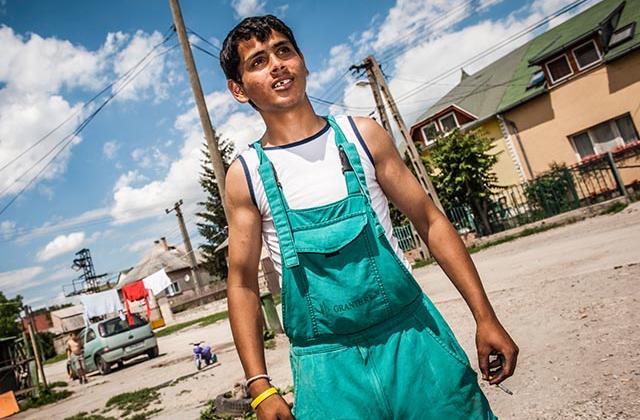
    This report presents findings from FRA’s 2021 survey on Roma in Croatia, Czechia, Greece, Hungary, Italy, Portugal, Romania and Spain, as well as in North Macedonia and Serbia. The survey includes interviews with more than 8,400 Roma, collecting information on more than 20,000 individuals living in their households. By focusing on Roma, the survey provides unique data and information that are not available from European general population surveys, which do not disaggregate on grounds of ethnic origin. The findings present a bleak but familiar picture of exclusion, deprivation, discrimination and racism.
  • Fundamental Rights Report
    8
    June
    2022
    Rok 2021 přinesl v oblasti ochrany základních práv pokrok i nezdary. Zpráva o základních právech 2022 agentury FRA přináší přehled hlavního vývoje v této oblasti a upozorňuje jak na úspěchy, tak na oblasti, které i nadále vzbuzují obavy. Tato publikace představuje stanoviska agentury FRA k hlavnímu vývoji v uvedených tematických oblastech a souhrn důkazů podporujících tato stanoviska. Poskytuje tak hutný, ale informativní přehled hlavních problémů, jimž EU a její členské státy čelí v oblasti základních práv.
  • Report / Paper / Summary
    7
    July
    2021
    Italian version now available
    12 September 2022
    This report examines why victims do not report bias-motivated incidents and the barriers that they face when reporting incidents through national crime reporting systems. By mapping existing practices that have a bearing on the victim’s experiences when reporting bias-motivated violence and harassment, it aims to provide evidence to support national efforts to encourage and facilitate reporting – and ultimately assist Member States in delivering on their duties with regard to combating hate crime.
  • Handbook / Guide / Manual
    21
    March
    2018
    Evropské antidiskriminační právo, které tvoří směrnice EU o zákazu diskriminace a článek 14 a protokol č. 12 Evropské úmluvy o ochraně lidských práv a základních svobod, zakazuje diskriminaci v celé řadě situací a z celé řady důvodů. Tato příručka zkoumá evropské antidiskriminační právo vycházející z uvedených dvou zdrojů jako vzájemně se doplňující systémy, využívá jejich vzájemné zaměnitelnosti v míře, v jaké se tyto systémy překrývají, a upozorňuje na jejich rozdíly, pokud existují.
  • Report / Paper / Summary
    8
    March
    2021
    Toto shrnutí představuje hlavní poznatky z druhé
    hlavní zprávy agentury FRA, která vychází
    z průzkumu o základních právech. Průzkum
    shromáždil od přibližně 35 000 osob údaje o jejich
    zkušenostech, vnímání a názorech na celou řadu
    otázek, které různým způsobem zasahují do oblasti
    lidských práv.
  • Report / Paper / Summary
    16
    December
    2020
    Toto shrnutí představuje hlavní poznatky z první
    zprávy agentury FRA, která vychází z průzkumu
    o základních právech. Průzkum shromáždil od
    přibližně 35 000 lidí údaje o jejich zkušenostech,
    vnímání a názorech na celou řadu otázek, které
    různým způsobem zasahují do oblasti lidských práv.
  • Report / Paper / Summary
    21
    January
    2021
    German language version now available
    26 January 2021
    Národní instituce pro lidská práva jsou důležitou součástí systému ochrany lidských práv na úrovni jednotlivých zemí. Zvyšováním informovanosti, poskytováním poradenství, monitorováním a povoláváním orgánů k odpovědnosti hrají ústřední úlohu při řešení současných velkých výzev v oblasti lidských práv – zabývání se přetrvávajícími problémy, jako je diskriminace a nerovnost, i novými záležitostmi, jako jsou důsledky umělé inteligence a pandemie COVID-19 pro lidská práva.
  • Handbook / Guide / Manual
    5
    December
    2018
    Last versions available are EL and NL
    11 March 2021
    Tento průvodce vysvětluje, co je to profilování, jaké právní rámce je upravují a proč je zákonné provádění profilování jednak nezbytné pro dodržování základních práv a jednak klíčové pro účinný výkon činnosti policie a činnosti v oblasti správy hranic. Tento průvodce rovněž poskytuje praktické pokyny k tomu, jak předcházet nezákonnému profilování v činnosti policie a v oblasti správy hranic.