Equality

Spol, spolna orijentacija i rodni identitet

Highlights

    Proizvodi

    Publications and Data

    Displaying results 11 - 20 of 78
    Report / Paper / Summary
    14
    May
    2020
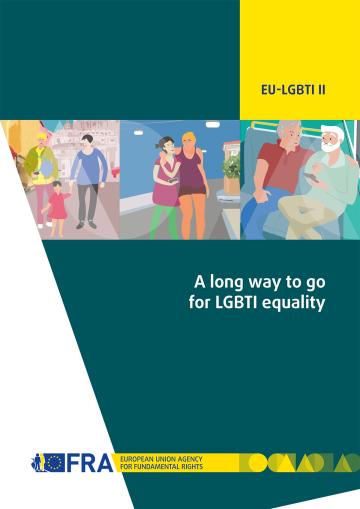
    This report presents select findings from FRA’s 2019 survey on LGBTI people in the EU and North Macedonia and Serbia. With almost 140,000 participants, it is the largest survey of its kind. It follows the agency’s first survey on LGBT people in the EU, conducted in 2012. The new survey results show little progress over the past seven years.
    Report / Paper / Summary
    12
    September
    2019
    FRA’s second EU Minorities and Discrimination survey (EU-MIDIS II) collected information from over 25,000 respondents with different ethnic minority and immigrant backgrounds across all 28 EU Member States. The main findings from the survey, published in 2017, pointed to a number of differences in the way women and men with immigrant backgrounds across the European Union (EU) experience how their rights are respected. This report summarises some of the most relevant survey findings in this regard, which show the need for targeted, gender-sensitive measures that promote the integration of – specifically – women who are immigrants or descendants of immigrants.
    Fundamental Rights Report
    6
    June
    2019
    How much progress can we expect in a decade? Various rights-related instruments had been in place for 10 years in 2018, prompting both sobering and encouraging reflection on this question.
    Report / Paper / Summary
    25
    April
    2019
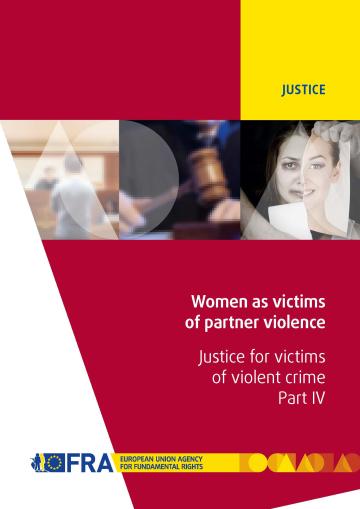
    Victims of violent crime have various rights, including to protection and to access justice. But how are these rights playing out in practice? Are victims of violent crime properly seen, informed, empowered and heard? Do they tend to feel that justice has been done? Our four-part report series takes a closer look at these questions, based on interviews with victims, people working for victim support organisations, police officers, attorneys, prosecutors and judges.

    Report / Paper / Summary
    5
    April
    2019
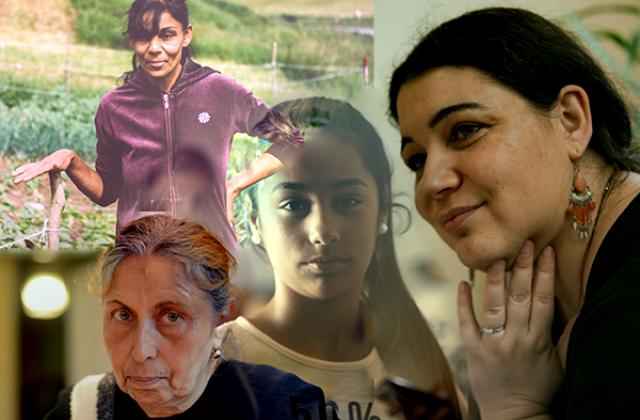
    Despite efforts by the European Union (EU) and its Member States to reduce gender inequalities among citizens of Roma origin, important gender differences persist. Drawing on FRA’s own EU-MIDIS II survey research in nine EU Member States this report highlights the position of Roma women in education, employment and health, as well as the extent to which they experience hate-motivated discrimination, harassment and physical violence.
    Report / Paper / Summary
    15
    June
    2018
    The stories of the domestic workers FRA interviewed for this paper reveal appalling working conditions and fundamental rights abuses in private homes across the EU. These stories indicate that, seven years on from FRA’s first report on domestic workers in 2011, little has changed in terms of the risks and experiences of severe labour exploitation domestic workers in the EU face.
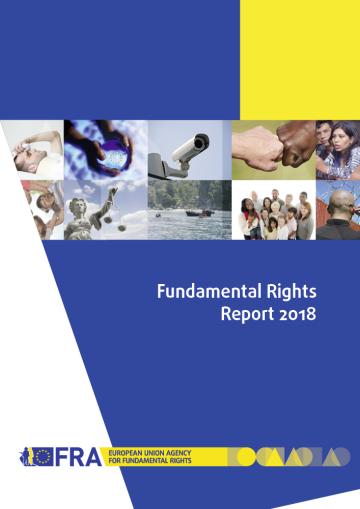
    Fundamental Rights Report
    6
    June
    2018
    The year 2017 brought both progress and setbacks in terms of rights protection. The European Pillar of Social Rights marked an important move towards a more ‘social Europe’. But, as experiences with the EU Charter of Fundamental Rights underscore, agreement on a text is merely a first step. Even in its eighth year as the EU's binding bill of rights, the Charter's potential was not fully exploited, highlighting the need to more actively promote its use.
    Report / Paper / Summary
    17
    May
    2018
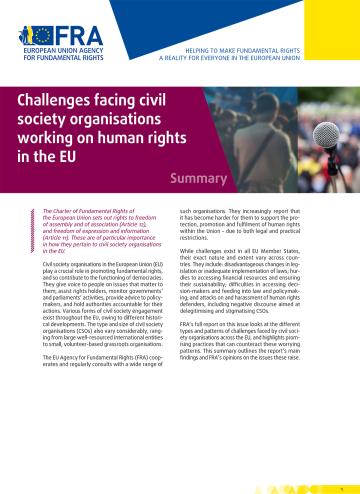
    Organizacije civilnog društva u Europskoj uniji igraju važnu ulogu u promicanju temeljnih prava, no to im je sve teže činiti iz zakonskih i praktičnih razloga. Iako postoje izazovi u svim
    državama članicama EU-a, točna priroda i opseg tih izazova razlikuju se. Općenito govoreći, nedostaju podatci i istraživanja o tom problemu, uključujući komparativna istraživanja.
    Izvještaj FRA-e stoga se osvrće na različite vrste i obrasce izazova s kojima se suočavaju organizacije civilnog društva koje se bave ljudskim pravima u EU-u. Također ističe obećavajuće prakse koje se mogu upotrijebiti za suzbijanje tih zabrinjavajućih obrazaca.