eu-charter

Carta drepturilor fundamentale a Uniunii Europene

Preambul

Popoarele Europei, stabilind între ele o uniune tot mai strânsă, au hotărât să împărtășească un viitor pașnic întemeiat pe valori comune. Conștientă de patrimoniul său spiritual și moral, Uniunea este întemeiată pe valorile indivizibile și universale ale demnității umane, libertății, egalității și solidarității; aceasta se întemeiază pe principiile democrației și statului de drept. Uniunea situează persoana în centrul acțiunii sale, instituind cetățenia Uniunii și creând un spațiu de libertate, securitate și justiție.
Uniunea contribuie la păstrarea și la dezvoltarea acestor valori comune, respectând diversitatea culturilor și tradițiilor popoarelor Europei, precum și identitatea națională a statelor membre și organizarea autorităților lor publice la nivel național, regional și local; Uniunea caută să promoveze o dezvoltare echilibrată și durabilă și asigură libera circulație a persoanelor, serviciilor, mărfurilor și capitalurilor, precum și libertatea de stabilire.
În acest scop, este necesară consolidarea protecției drepturilor fundamentale, făcându-le mai vizibile prin cartă, în spiritul evoluției societății, a progresului social și a dezvoltărilor științifice și tehnologice.
Prezenta cartă reafirmă, cu respectarea competențelor și sarcinilor Uniunii, precum și a principiului subsidiarității, drepturile care rezultă în principal din tradițiile constituționale și din obligațiile internaționale comune statelor membre, din Convenția europeană pentru apărarea drepturilor omului și a libertăților fundamentale, din Cartele sociale adoptate de Uniune și de către Consiliul Europei, precum și din jurisprudența Curții de Justiție a Uniunii Europene și a Curții Europene a Drepturilor Omului. În acest context, carta va fi interpretată de către instanțele judecătorești ale Uniunii și ale statelor membre, acordând atenția cuvenită explicațiilor redactate sub autoritatea prezidiului Convenției care a elaborat carta și actualizate sub răspunderea prezidiului Convenției Europene.
Beneficiul acestor drepturi implică responsabilități și îndatoriri atât față de terți, precum și față de comunitatea umană în general și față de generațiile viitoare.
În consecință, Uniunea recunoaște drepturile, libertățile și principiile enunțate în continuare.

Explicaţii

  • Text:
    Source:
    Preamble - Explanations relating to the Charter of Fundamental Rights:

Jurisprudență

0 results found

Dreptul constituțional național

0 results found

Legislația UE

0 results found

Drept internațional

0 results found

Produse

  • Report / Paper / Summary
    11
    July
    2024
    Antisemitism is still a reality for many Jewish people in the EU today. Faced with prejudice and hostility, most feel unable to live openly Jewish lives. This report presents the results of FRA’s third EU survey of Jewish people’s experiences and perceptions of antisemitism. The survey took place before the Hamas attacks in October 2023 and the war in Gaza; however, it includes evidence from a consultation with national and European Jewish umbrella organisations since. It covers 13 EU Member States that together account for around 96 % of the EU’s Jewish population.
  • Report / Paper / Summary
    4
    July
    2024
    Effectively communicating and promoting human rights is an integral part of fulfilling fundamental rights for all. Raising awareness of the benefits of these rights to people’s lives is essential for diluting the scepticism about the role of the human rights framework in the resolution of today’s social challenges. The FRA Communication Strategy 2023-2028 defines the principal objectives and overall approach that will underpin the agency’s communication activities over the next five years, in support of the implementation of the FRA Strategic Plan 2023-2028.
    klyaksun/stock.adobe.com
  • Periodic updates / Series
    1
    July
    2024
    The EU Agency for Fundamental Rights regularly collects data on the operations of NGO vessels involved in search and rescue in the Mediterranean. This includes any legal proceedings against them, as well as any difficulties in disembarking migrants in safe ports. This paper provides an overview of criminal investigations and other legal proceedings initiated by European Union (EU) Member States against civil society organisations deploying search and rescue vessels and aircraft in the Mediterranean and/or against individual crew members. The latest update covers the period from 2018 up until the end of May 2024.
  • In brief / Factsheet
    18
    June
    2024
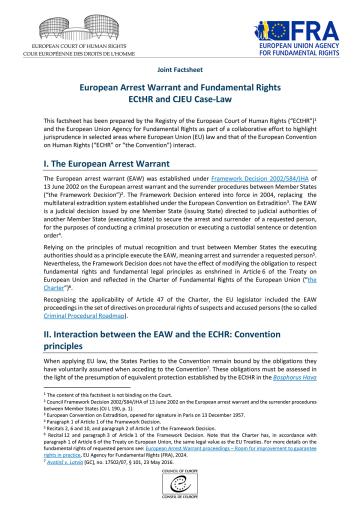
    This factsheet focuses on the European arrest warrant and EU Member States obligations to respect fundamental rights. EU law and the European Convention on Human Rights sometimes overlap. The publication clarifies where there are similar principles in different legislation and provides examples of case law. In collaboration, the EU Agency for Fundamental Rights and the European Court of Human Rights produced this short publication. It is designed to aid lawyers and policymakers in understanding and applying the jurisprudence in this area.
  • Report / Paper / Summary
    18
    June
    2024
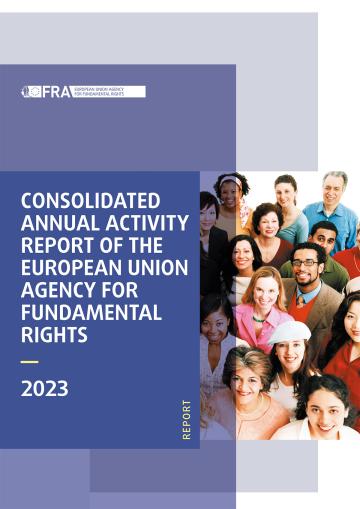
    The Consolidated Annual Activity Report offers a comprehensive summary of the agency's activities and accomplishments in 2023. It details the reports and data published on fundamental rights, as well as the projects completed, demonstrating how the agency met its strategic objectives. Additionally, the report incorporates stakeholder feedback, emphasising the agency's positive impact and significant contributions. Also included are core statistics on the agency's work, as well as the results of internal and external evaluations, financial statistics and resource management information.
  • Report / Paper / Summary
    11
    June
    2024
    Data protection rules protect privacy and prevent personal information from misuse. When the general data protection regulation (GDPR) came into force in 2018, it strengthened the role of data protection authorities. These supervisory bodies are the key enforcers of the fundamental right of protection of personal data. This report analyses the challenges they face in the GDPR implementation. The findings complement the European Commission's forthcoming evaluation of the GDPR.
  • Fundamental Rights Report
    5
    June
    2024
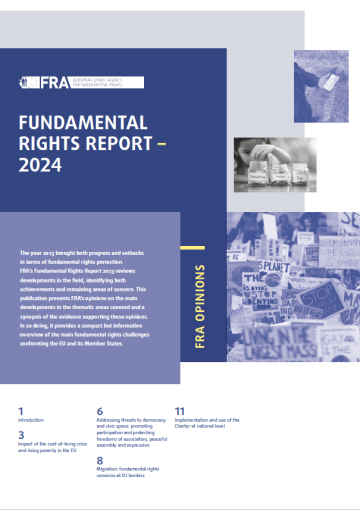
    FRA’s Fundamental Rights Report 2024 analyses the year’s developments in fundamental rights. It focuses on the most pressing fundamental rights concerns facing Europe in 2023: the cost-of-living crisis, rights concerns at the EU’s external borders and migration, and threats to democracy. Re-structured, this year’s new approach is a shorter and sharper analysis. It also presents FRA’s opinions on these developments, including a summary of the evidence supporting these opinions.
  • Fundamental Rights Report
    5
    June
    2024
    Anul 2023 a adus atât progrese, cât și regrese în ceea ce privește protecția drepturilor fundamentale. Raportul privind drepturile fundamentale 2024 al FRA analizează evoluțiile din domeniu, identificând atât realizările, cât și domeniile de interes rămase nesoluționate. Această publicație prezintă opiniile FRA în legătură cu principalele evoluții din domeniile tematice vizate, precum și o sinteză a dovezilor care vin în sprijinul acestor opinii. Astfel, raportul oferă o prezentare compactă, dar informativă a principalelor provocări legate de drepturile fundamentale cu care se confruntă UE și statele sale membre.
  • Report / Paper / Summary
    29
    May
    2024
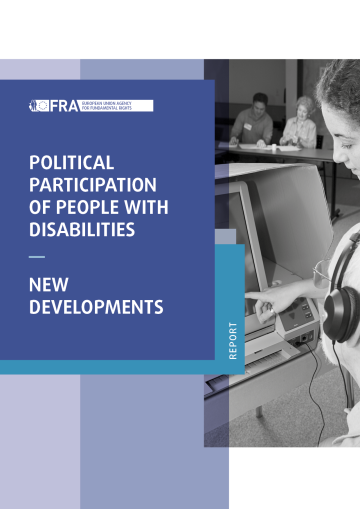
    Ahead of the EU elections, this report explores the political participation of people with disabilities. Although some Member States removed restrictions on the right to vote and to stand for elections, barriers still exist. This report is an update of new developments following FRA’s last report published in 2014. It sets out ways forward to ensure people with disabilities have equal opportunities, in line with the EU Charter of Fundamental Rights and the Convention on the Rights of Persons with Disabilities.
  • Report / Paper / Summary
    14
    May
    2024
    FRA’s third LGBTIQ survey shows that people still experience hate-motivated violence and discrimination. Trans and intersex people face even greater victimisation. Yet, signs of progress show that the EU’s and Member States’ efforts can positively affect people’s lives. More LGBTIQ people are open about their sexual orientation, gender identity, gender expression and sex characteristics.