eu-charter

Charta der Grundrechte der Europäischen Union

Präambel

Die Völker Europas sind entschlossen, auf der Grundlage gemeinsamer Werte eine friedliche Zukunft zu teilen, indem sie sich zu einer immer engeren Union verbinden.

In dem Bewusstsein ihres geistig-religiösen und sittlichen Erbes gründet sich die Union auf die unteilbaren und universellen Werte der Würde des Menschen, der Freiheit, der Gleichheit und der Solidarität. Sie beruht auf den Grundsätzen der Demokratie und der Rechtsstaatlichkeit. Sie stellt den Menschen in den Mittelpunkt ihres Handelns, indem sie die Unionsbürgerschaft und einen Raum der Freiheit, der Sicherheit und des Rechts begründet.
Die Union trägt zur Erhaltung und zur Entwicklung dieser gemeinsamen Werte unter Achtung der Vielfalt der Kulturen und Traditionen der Völker Europas sowie der nationalen Identität der Mitgliedstaaten und der Organisation ihrer staatlichen Gewalt auf nationaler, regionaler und lokaler Ebene bei. Sie ist bestrebt, eine ausgewogene und nachhaltige Entwicklung zu fördern und stellt den freien Personen-, Dienstleistungs-, Waren- und Kapitalverkehr sowie die Niederlassungsfreiheit sicher.
Zu diesem Zweck ist es notwendig, angesichts der Weiterentwicklung der Gesellschaft, des sozialen Fortschritts und der wissenschaftlichen und technologischen Entwicklungen den Schutz der Grundrechte zu stärken, indem sie in einer Charta sichtbarer gemacht werden.
Diese Charta bekräftigt unter Achtung der Zuständigkeiten und Aufgaben der Union und des Subsidiaritätsprinzips die Rechte, die sich vor allem aus den gemeinsamen Verfassungstraditionen und den gemeinsamen internationalen Verpflichtungen der Mitgliedstaaten, aus der Europäischen Konvention zum Schutz der Menschenrechte und Grundfreiheiten, aus den von der Union und dem Europarat beschlossenen Sozialchartas sowie aus der Rechtsprechung des Gerichtshofs der Europäischen Union und des Europäischen Gerichtshofs für Menschenrechte ergeben. In diesem Zusammenhang erfolgt die Auslegung der Charta durch die Gerichte der Union und der Mitgliedstaaten unter gebührender Berücksichtigung der Erläuterungen, die unter der Leitung des Präsidiums des Konvents zur Ausarbeitung der Charta formuliert und unter der Verantwortung des Präsidiums des Europäischen Konvents aktualisiert wurden.
Die Ausübung dieser Rechte ist mit Verantwortung und mit Pflichten sowohl gegenüber den Mitmenschen als auch gegenüber der menschlichen Gemeinschaft und den künftigen Generationen verbunden.
Daher erkennt die Union die nachstehend aufgeführten Rechte, Freiheiten und Grundsätze an.

Erläuterungen

  • Text:
    Quelle:
    Preamble - Explanations relating to the Charter of Fundamental Rights:

Rechtsprechung

0 results found

Nationales Verfassungsrecht

0 results found

EU-Recht

0 results found

Internationales Recht

0 results found

Produkte

  • Report / Paper / Summary
    11
    Juli
    2024
    Antisemitism is still a reality for many Jewish people in the EU today. Faced with prejudice and hostility, most feel unable to live openly Jewish lives. This report presents the results of FRA’s third EU survey of Jewish people’s experiences and perceptions of antisemitism. The survey took place before the Hamas attacks in October 2023 and the war in Gaza; however, it includes evidence from a consultation with national and European Jewish umbrella organisations since. It covers 13 EU Member States that together account for around 96 % of the EU’s Jewish population.
  • Report / Paper / Summary
    4
    Juli
    2024
    Effectively communicating and promoting human rights is an integral part of fulfilling fundamental rights for all. Raising awareness of the benefits of these rights to people’s lives is essential for diluting the scepticism about the role of the human rights framework in the resolution of today’s social challenges. The FRA Communication Strategy 2023-2028 defines the principal objectives and overall approach that will underpin the agency’s communication activities over the next five years, in support of the implementation of the FRA Strategic Plan 2023-2028.
    klyaksun/stock.adobe.com
  • Periodic updates / Series
    1
    Juli
    2024
    The EU Agency for Fundamental Rights regularly collects data on the operations of NGO vessels involved in search and rescue in the Mediterranean. This includes any legal proceedings against them, as well as any difficulties in disembarking migrants in safe ports. This paper provides an overview of criminal investigations and other legal proceedings initiated by European Union (EU) Member States against civil society organisations deploying search and rescue vessels and aircraft in the Mediterranean and/or against individual crew members. The latest update covers the period from 2018 up until the end of May 2024.
  • In brief / Factsheet
    18
    Juni
    2024
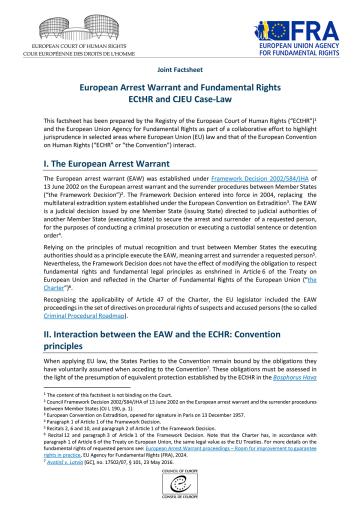
    This factsheet focuses on the European arrest warrant and EU Member States obligations to respect fundamental rights. EU law and the European Convention on Human Rights sometimes overlap. The publication clarifies where there are similar principles in different legislation and provides examples of case law. In collaboration, the EU Agency for Fundamental Rights and the European Court of Human Rights produced this short publication. It is designed to aid lawyers and policymakers in understanding and applying the jurisprudence in this area.
  • Report / Paper / Summary
    18
    Juni
    2024
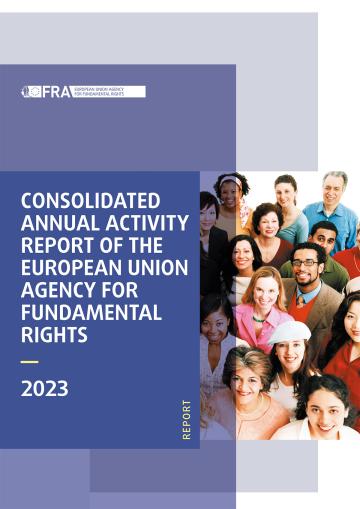
    The Consolidated Annual Activity Report offers a comprehensive summary of the agency's activities and accomplishments in 2023. It details the reports and data published on fundamental rights, as well as the projects completed, demonstrating how the agency met its strategic objectives. Additionally, the report incorporates stakeholder feedback, emphasising the agency's positive impact and significant contributions. Also included are core statistics on the agency's work, as well as the results of internal and external evaluations, financial statistics and resource management information.
  • Report / Paper / Summary
    11
    Juni
    2024
    Data protection rules protect privacy and prevent personal information from misuse. When the general data protection regulation (GDPR) came into force in 2018, it strengthened the role of data protection authorities. These supervisory bodies are the key enforcers of the fundamental right of protection of personal data. This report analyses the challenges they face in the GDPR implementation. The findings complement the European Commission's forthcoming evaluation of the GDPR.
  • Fundamental Rights Report
    5
    Juni
    2024
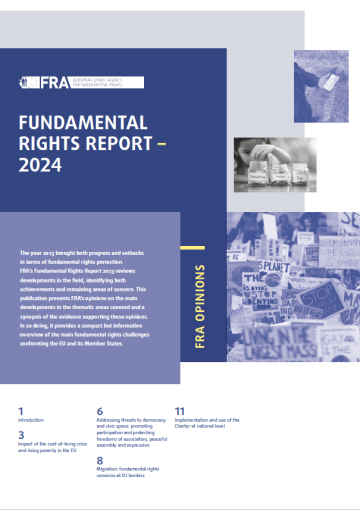
    FRA’s Fundamental Rights Report 2024 analyses the year’s developments in fundamental rights. It focuses on the most pressing fundamental rights concerns facing Europe in 2023: the cost-of-living crisis, rights concerns at the EU’s external borders and migration, and threats to democracy. Re-structured, this year’s new approach is a shorter and sharper analysis. It also presents FRA’s opinions on these developments, including a summary of the evidence supporting these opinions.
  • Fundamental Rights Report
    5
    Juni
    2024
    Das Jahr 2023 brachte im Hinblick auf den Schutz der Grundrechte sowohl Fortschritte als auch Rückschläge. Der Grundrechte-Bericht 2024 der FRA untersucht wichtige Entwicklungen auf diesem Gebiet und zeigt sowohl Erfolge als auch verbleibende Problembereiche auf. Darüber hinaus enthält der Bericht die Stellungnahmen der FRA zu den wichtigsten Entwicklungen in den jeweiligen Themenbereichen und fasst die Informationen, die diesen Stellungnahmen zugrunde liegen, zusammen. Er bietet damit einen kompakten und informativen Überblick über die größten grundrechtlichen Herausforderungen, mit denen die EU und ihre Mitgliedstaaten konfrontiert sind.
  • Report / Paper / Summary
    29
    Mai
    2024
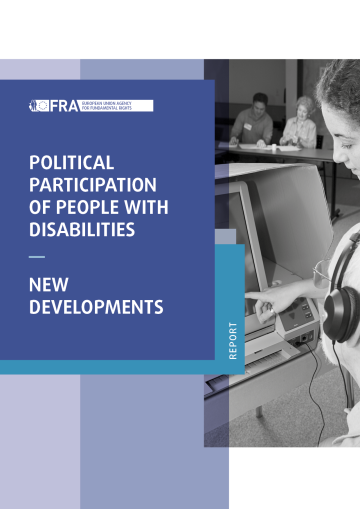
    Ahead of the EU elections, this report explores the political participation of people with disabilities. Although some Member States removed restrictions on the right to vote and to stand for elections, barriers still exist. This report is an update of new developments following FRA’s last report published in 2014. It sets out ways forward to ensure people with disabilities have equal opportunities, in line with the EU Charter of Fundamental Rights and the Convention on the Rights of Persons with Disabilities.
    Lisa F. Young/Adobe Stock
  • Report / Paper / Summary
    14
    Mai
    2024
    FRA’s third LGBTIQ survey shows that people still experience hate-motivated violence and discrimination. Trans and intersex people face even greater victimisation. Yet, signs of progress show that the EU’s and Member States’ efforts can positively affect people’s lives. More LGBTIQ people are open about their sexual orientation, gender identity, gender expression and sex characteristics.