eu-charter

Listina Evropske unije o temeljnih pravicah

Preambula

Evropski narodi so pri oblikovanju vse tesnejše zveze odločeni na podlagi skupnih vrednot deliti mirno prihodnost. Unija, ki se zaveda svoje duhovne in moralne dediščine, temelji na nedeljivih in univerzalnih vrednotah človekovega dostojanstva, svobode, enakopravnosti in solidarnosti; temelji na načelu demokracije in na načelu pravne države. Posameznika postavlja v središče svojih dejavnosti z vzpostavitvijo državljanstva Unije in oblikovanjem območja svobode, varnosti in pravice.
Ob spoštovanju raznolikosti kultur in tradicij evropskih narodov ter nacionalne identitete držav članic in organizacije njihovih organov oblasti na državni, regionalni in lokalni ravni Unija prispeva k ohranjanju in razvijanju teh skupnih vrednot, prizadeva si za spodbujanje uravnoteženega in trajnostnega razvoja ter zagotavlja prosti pretok oseb, storitev, blaga in kapitala ter svobodo ustanavljanja.
V ta namen je treba glede na spremembe v družbi, socialni napredek ter znanstveni in tehnični razvoj okrepiti varstvo temeljnih pravic z Listino, ki te pravice še bolj poudarja.
Ta listina ob upoštevanju pristojnosti in nalog Unije ter načela subsidiarnosti potrjuje pravice, ki izhajajo zlasti iz skupnih ustavnih tradicij in mednarodnih obveznosti držav članic, Evropske konvencije o varstvu človekovih pravic in temeljnih svoboščin, socialnih listin, ki sta jih sprejela Unija in Svet Evrope, ter sodne prakse Sodišča Evropske unije in Evropskega sodišča za človekove pravice. V tem okviru sodišča Unije in držav članic Listino razlagajo ob ustreznem upoštevanju pojasnil, oblikovanih pod vodstvom predsedstva Konvencije, ki je Listino sestavilo, in ki so bila dopolnjena pod vodstvom predsedstva Evropske konvencije.
Uživanje teh pravic je povezano z odgovornostmi in dolžnostmi do soljudi, človeške skupnosti in prihodnjih generacij.
Zato Unija priznava pravice, svoboščine in načela, navedena v nadaljevanju.

Pojasnila

  • Text:
    Source:
    Preamble - Explanations relating to the Charter of Fundamental Rights:

Sodna praksa

0 results found

Nacionalnem ustavnem pravu

0 results found

Pravo EU

0 results found

Mednarodno pravo

0 results found

Gradivo

  • Report / Paper / Summary
    11
    July
    2024
    Antisemitism is still a reality for many Jewish people in the EU today. Faced with prejudice and hostility, most feel unable to live openly Jewish lives. This report presents the results of FRA’s third EU survey of Jewish people’s experiences and perceptions of antisemitism. The survey took place before the Hamas attacks in October 2023 and the war in Gaza; however, it includes evidence from a consultation with national and European Jewish umbrella organisations since. It covers 13 EU Member States that together account for around 96 % of the EU’s Jewish population.
  • Report / Paper / Summary
    4
    July
    2024
    Effectively communicating and promoting human rights is an integral part of fulfilling fundamental rights for all. Raising awareness of the benefits of these rights to people’s lives is essential for diluting the scepticism about the role of the human rights framework in the resolution of today’s social challenges. The FRA Communication Strategy 2023-2028 defines the principal objectives and overall approach that will underpin the agency’s communication activities over the next five years, in support of the implementation of the FRA Strategic Plan 2023-2028.
    klyaksun/stock.adobe.com
  • Periodic updates / Series
    1
    July
    2024
    The EU Agency for Fundamental Rights regularly collects data on the operations of NGO vessels involved in search and rescue in the Mediterranean. This includes any legal proceedings against them, as well as any difficulties in disembarking migrants in safe ports. This paper provides an overview of criminal investigations and other legal proceedings initiated by European Union (EU) Member States against civil society organisations deploying search and rescue vessels and aircraft in the Mediterranean and/or against individual crew members. The latest update covers the period from 2018 up until the end of May 2024.
  • In brief / Factsheet
    18
    June
    2024
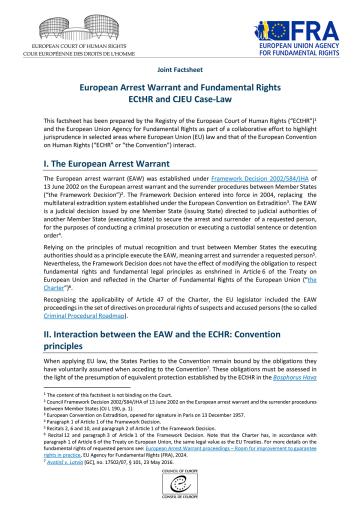
    This factsheet focuses on the European arrest warrant and EU Member States obligations to respect fundamental rights. EU law and the European Convention on Human Rights sometimes overlap. The publication clarifies where there are similar principles in different legislation and provides examples of case law. In collaboration, the EU Agency for Fundamental Rights and the European Court of Human Rights produced this short publication. It is designed to aid lawyers and policymakers in understanding and applying the jurisprudence in this area.
  • Report / Paper / Summary
    18
    June
    2024
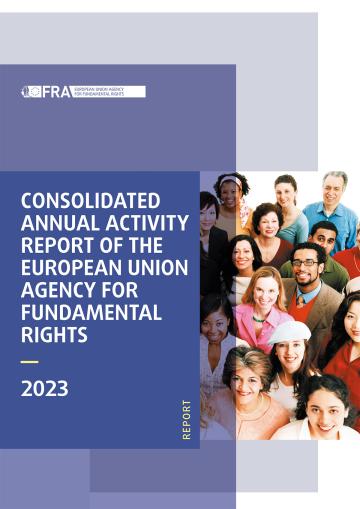
    The Consolidated Annual Activity Report offers a comprehensive summary of the agency's activities and accomplishments in 2023. It details the reports and data published on fundamental rights, as well as the projects completed, demonstrating how the agency met its strategic objectives. Additionally, the report incorporates stakeholder feedback, emphasising the agency's positive impact and significant contributions. Also included are core statistics on the agency's work, as well as the results of internal and external evaluations, financial statistics and resource management information.
  • Report / Paper / Summary
    11
    June
    2024
    Data protection rules protect privacy and prevent personal information from misuse. When the general data protection regulation (GDPR) came into force in 2018, it strengthened the role of data protection authorities. These supervisory bodies are the key enforcers of the fundamental right of protection of personal data. This report analyses the challenges they face in the GDPR implementation. The findings complement the European Commission's forthcoming evaluation of the GDPR.
  • Fundamental Rights Report
    5
    June
    2024
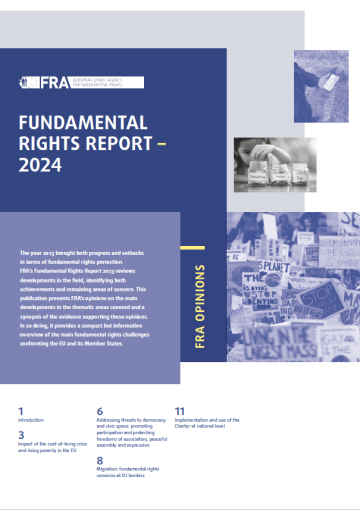
    FRA’s Fundamental Rights Report 2024 analyses the year’s developments in fundamental rights. It focuses on the most pressing fundamental rights concerns facing Europe in 2023: the cost-of-living crisis, rights concerns at the EU’s external borders and migration, and threats to democracy. Re-structured, this year’s new approach is a shorter and sharper analysis. It also presents FRA’s opinions on these developments, including a summary of the evidence supporting these opinions.
  • Fundamental Rights Report
    5
    June
    2024
    Leta 2023 je bil na področju varstva temeljnih pravic sicer dosežen napredek, a je bilo hkrati opazno tudi nazadovanje. V poročilu o temeljnih pravicah za leto 2024, ki ga je pripravila Agencija Evropske unije za temeljne pravice (FRA), so povzeti razvojni dogodki na tem področju ter izpostavljeni dosežki in področja, ki so še vedno zaskrbljujoča. V njem so predstavljena mnenja FRA o glavnem razvoju dogodkov na obravnavanih tematskih področjih in podane utemeljitve za ta mnenja. Tako je nastal jedrnat, vendar informativen pregled glavnih izzivov na področju temeljnih pravic, s katerimi se srečujejo EU in njene države članice.
  • Report / Paper / Summary
    29
    May
    2024
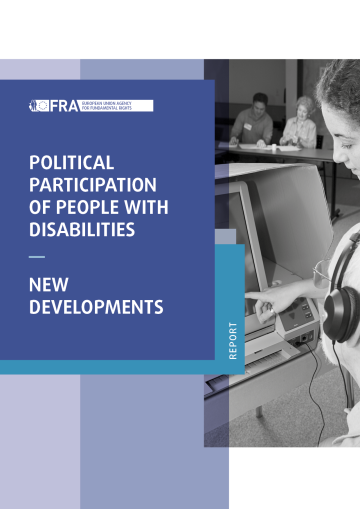
    Ahead of the EU elections, this report explores the political participation of people with disabilities. Although some Member States removed restrictions on the right to vote and to stand for elections, barriers still exist. This report is an update of new developments following FRA’s last report published in 2014. It sets out ways forward to ensure people with disabilities have equal opportunities, in line with the EU Charter of Fundamental Rights and the Convention on the Rights of Persons with Disabilities.
    Lisa F. Young/Adobe Stock
  • Report / Paper / Summary
    14
    May
    2024
    FRA’s third LGBTIQ survey shows that people still experience hate-motivated violence and discrimination. Trans and intersex people face even greater victimisation. Yet, signs of progress show that the EU’s and Member States’ efforts can positively affect people’s lives. More LGBTIQ people are open about their sexual orientation, gender identity, gender expression and sex characteristics.