eu-charter

Eiropas Savienības Pamattiesību harta

Preambula

Eiropas tautas, veidojot arvien ciešāku savstarpēju sadarbību, ir nolēmušas veidot mierpilnu nākotni, kuras pamatā ir kopējas vērtības. Apzinoties savu garīgo un tikumisko mantojumu, Savienība balstās uz nedalāmām, universālām vērtībām – cilvēka cieņu, brīvību, vienlīdzību un solidaritāti; tās pamatā ir demokrātijas un tiesiskuma principi. Vislielāko uzmanību Savienība pievērš indivīdam, iedibinot Savienības pilsonību un izveidojot brīvības, drošības un tiesiskuma telpu.
Savienība veicina šo kopējo vērtību saglabāšanu un attīstību, vienlaikus respektējot Eiropas tautu kultūru un tradīciju dažādību, kā arī dalībvalstu nacionālo identitāti un to valsts iestāžu organizāciju valsts, reģionālā un vietējā līmenī; tā tiecas veicināt līdzsvarotu un stabilu attīstību un nodrošina personu brīvu pārvietošanos, preču, pakalpojumu un kapitāla brīvu apriti un brīvību veikt uzņēmējdarbību.
Šajā nolūkā, ņemot vērā pārmaiņas sabiedrībā, sociālo attīstību, kā arī zinātniskos un tehnoloģiskos sasniegumus, ir nepieciešams stiprināt pamattiesību aizsardzību, šo tiesību nozīmīgumu īpaši uzsverot Hartā.
Šajā Hartā, ievērojot Savienības kompetences un uzdevumus, kā arī subsidiaritātes principu, no jauna ir apstiprinātas tiesības, kuru pamatā ir dalībvalstu konstitucionālās tradīcijas un starptautiskās saistības, Eiropas Cilvēktiesību un pamatbrīvību aizsardzības konvencija, Savienības un Eiropas Padomes pieņemtās Sociālās hartas, kā arī Eiropas Savienības Tiesas un Eiropas Cilvēktiesību tiesas judikatūra. Šajā sakarā Savienības un dalībvalstu tiesas interpretē Hartu, ievērojot paskaidrojumus, kas sagatavoti pēc šo Hartu izstrādājušā Konventa prezidija ierosinājuma un kurus ir papildinājis Eiropas Konventa prezidijs.
Šo tiesību īstenošana ir saistīta ar atbildību un pienākumiem pret citām personām, visu sabiedrību un nākamajām paaudzēm.
Tāpēc Savienība atzīst turpmāk tekstā izklāstītās tiesības, brīvības un principus.

Paskaidrojumi

  • Text:
    Source:
    Preamble - Explanations relating to the Charter of Fundamental Rights:

Tiesu prakse

0 results found

Valstu konstitucionālās tiesības

0 results found

ES tiesības

0 results found

Starptautisko tiesību akti

0 results found

Produkti

  • Report / Paper / Summary
    11
    July
    2024
    Antisemitism is still a reality for many Jewish people in the EU today. Faced with prejudice and hostility, most feel unable to live openly Jewish lives. This report presents the results of FRA’s third EU survey of Jewish people’s experiences and perceptions of antisemitism. The survey took place before the Hamas attacks in October 2023 and the war in Gaza; however, it includes evidence from a consultation with national and European Jewish umbrella organisations since. It covers 13 EU Member States that together account for around 96 % of the EU’s Jewish population.
  • Report / Paper / Summary
    4
    July
    2024
    Effectively communicating and promoting human rights is an integral part of fulfilling fundamental rights for all. Raising awareness of the benefits of these rights to people’s lives is essential for diluting the scepticism about the role of the human rights framework in the resolution of today’s social challenges. The FRA Communication Strategy 2023-2028 defines the principal objectives and overall approach that will underpin the agency’s communication activities over the next five years, in support of the implementation of the FRA Strategic Plan 2023-2028.
    klyaksun/stock.adobe.com
  • Periodic updates / Series
    1
    July
    2024
    The EU Agency for Fundamental Rights regularly collects data on the operations of NGO vessels involved in search and rescue in the Mediterranean. This includes any legal proceedings against them, as well as any difficulties in disembarking migrants in safe ports. This paper provides an overview of criminal investigations and other legal proceedings initiated by European Union (EU) Member States against civil society organisations deploying search and rescue vessels and aircraft in the Mediterranean and/or against individual crew members. The latest update covers the period from 2018 up until the end of May 2024.
  • In brief / Factsheet
    18
    June
    2024
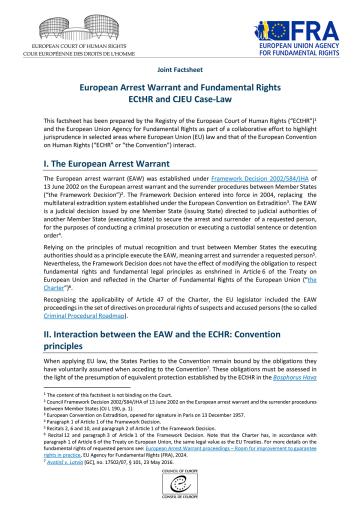
    This factsheet focuses on the European arrest warrant and EU Member States obligations to respect fundamental rights. EU law and the European Convention on Human Rights sometimes overlap. The publication clarifies where there are similar principles in different legislation and provides examples of case law. In collaboration, the EU Agency for Fundamental Rights and the European Court of Human Rights produced this short publication. It is designed to aid lawyers and policymakers in understanding and applying the jurisprudence in this area.
  • Report / Paper / Summary
    18
    June
    2024
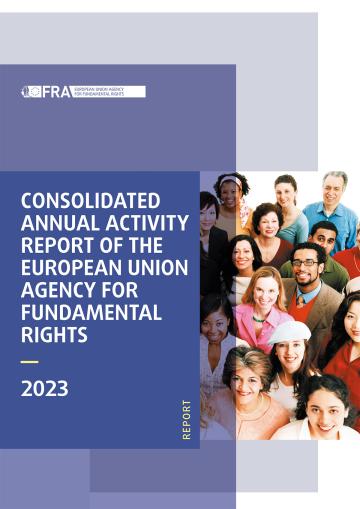
    The Consolidated Annual Activity Report offers a comprehensive summary of the agency's activities and accomplishments in 2023. It details the reports and data published on fundamental rights, as well as the projects completed, demonstrating how the agency met its strategic objectives. Additionally, the report incorporates stakeholder feedback, emphasising the agency's positive impact and significant contributions. Also included are core statistics on the agency's work, as well as the results of internal and external evaluations, financial statistics and resource management information.
  • Report / Paper / Summary
    11
    June
    2024
    Data protection rules protect privacy and prevent personal information from misuse. When the general data protection regulation (GDPR) came into force in 2018, it strengthened the role of data protection authorities. These supervisory bodies are the key enforcers of the fundamental right of protection of personal data. This report analyses the challenges they face in the GDPR implementation. The findings complement the European Commission's forthcoming evaluation of the GDPR.
  • Fundamental Rights Report
    5
    June
    2024
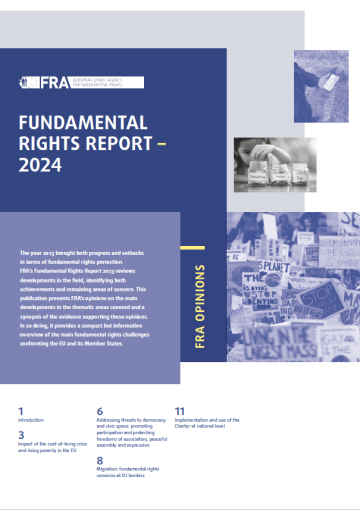
    FRA’s Fundamental Rights Report 2024 analyses the year’s developments in fundamental rights. It focuses on the most pressing fundamental rights concerns facing Europe in 2023: the cost-of-living crisis, rights concerns at the EU’s external borders and migration, and threats to democracy. Re-structured, this year’s new approach is a shorter and sharper analysis. It also presents FRA’s opinions on these developments, including a summary of the evidence supporting these opinions.
  • Fundamental Rights Report
    5
    June
    2024
    Pamattiesību aizsardzības jomā 2023. gadā bija vērojami gan sasniegumi, gan neveiksmes. FRA 2024. gada ziņojumā par pamattiesībām aplūkoti jaunumi pamattiesību jomā, nosakot gan sasniegumus, gan jomas, kas aizvien rada bažas. Šajā publikācijā sniegti FRA atzinumi par galvenajiem jaunumiem attiecīgajās tematiskajās jomās un šos atzinumus pamatojošs pierādījumu apkopojums. Tādējādi ir nodrošināts kompakts, bet informatīvs pārskats par galvenajām pamattiesību problēmām, ar ko saskaras ES un tās dalībvalstis.
  • Report / Paper / Summary
    29
    May
    2024
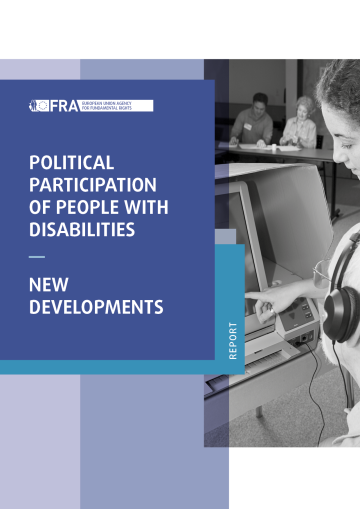
    Ahead of the EU elections, this report explores the political participation of people with disabilities. Although some Member States removed restrictions on the right to vote and to stand for elections, barriers still exist. This report is an update of new developments following FRA’s last report published in 2014. It sets out ways forward to ensure people with disabilities have equal opportunities, in line with the EU Charter of Fundamental Rights and the Convention on the Rights of Persons with Disabilities.
  • Report / Paper / Summary
    14
    May
    2024
    FRA’s third LGBTIQ survey shows that people still experience hate-motivated violence and discrimination. Trans and intersex people face even greater victimisation. Yet, signs of progress show that the EU’s and Member States’ efforts can positively affect people’s lives. More LGBTIQ people are open about their sexual orientation, gender identity, gender expression and sex characteristics.