Asylum

Varjupaiga-, rände- ja piiriküsimused

<p>The migrant crisis has triggered challenges across Europe. FRA encourages rights-compliant responses.</p>
<p>We provide practical expertise on this complex issue. This includes regular updates, focus papers and toolkits. We outline policy alternatives and best practices.</p>

    Tooted

    Publications and Data

    Displaying results 111 - 120 of 234
    Infographic
    Periodic updates / Series
    19
    June
    2019
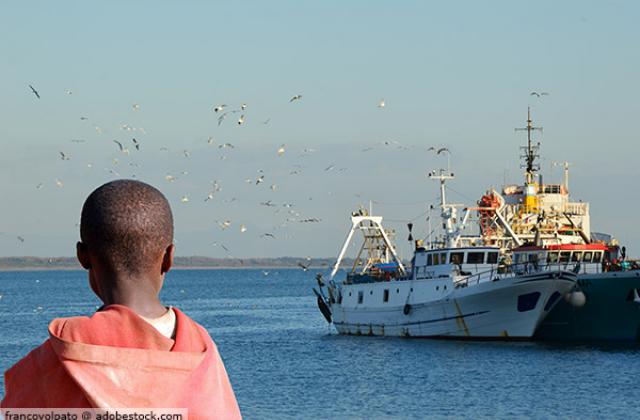
    In 2018, some 2,299 people are estimated to have died or gone missing at sea while crossing the sea to reach Europe to escape war or persecution or to pursue a better life. This is on average more than six people per day. Before mid-2017, a significant share of migrants in distress at sea have been rescued by civil society vessels deployed with a humanitarian mandate to reduce fatalities and bring rescued migrants to safety. In 2018, however, authorities in some Member States viewed civil society-deployed rescue vessels with hostility. As a reaction, they seized rescue vessels, arrested crew members, and initiated legal procedures against them (more than a dozen altogether). In some cases, rescue vessels were blocked in harbours due to flag issues.
    Handbook / Guide / Manual
    13
    June
    2019
    New language versions: ES, HU, IT, NL, PL
    15 September 2020
    Juhendi „Vanemliku hoolitsuseta lapsed, kes leitakse ELi liikmesriigist, mis ei ole nende
    päritoluliikmesriik“ eesmärk on tõhustada kõigi lastekaitsega tegelevate üksuste tegevust. Selliste
    tüdrukute ja poiste kaitsmine on väga tähtis. See on ka ELi liikmesriikide kohustus, mis tuleneb
    rahvusvahelisest ja Euroopa õigusraamistikust. Juhendis pööratakse eritähelepanu inimkaubanduse
    lapsohvritele ja ohus olevatele lastele ning sellega viiakse ellu meede, mis nähti ette 2017. aasta
    teatises inimkaubanduse vastaste ELi meetmete tugevdamise kohta, võttes arvesse kindlakstehtud
    mustreid, sealhulgas kuritegevuse soolist eripära.
    Fundamental Rights Report
    6
    June
    2019
    How much progress can we expect in a decade? Various rights-related instruments had been in place for 10 years in 2018, prompting both sobering and encouraging reflection on this question.
    Fundamental Rights Report
    6
    June
    2019
    2018. aasta tähendas põhiõiguste kaitse jaoks nii edusamme kui ka tagasilööke. Euroopa Liidu Põhiõiguste Ameti (FRA) 2019. aasta põhiõiguste aruandes esitatakse ülevaade valdkonna peamistest arengusuundadest, tuues esile saavutused ja endiselt probleemsena püsivad valdkonnad. Selles väljaandes esitatakse FRA arvamused peamiste hõlmatud teemavaldkondade arengu kohta ja neid arvamusi toetavate tõendite kokkuvõte.
    Periodic updates / Series
    16
    May
    2019
    The EU Agency for Fundamental Rights has been regularly collecting data on migration since
    September 2015. This report focuses on the fundamental rights situation of people arriving in
    Member States and EU candidate countries particularly affected by migration movements.
    It addresses fundamental rights concerns between 1 January and 31 March 2019.
    Periodic updates / Series
    27
    March
    2019
    This report looks into the fundamental rights situation of asylum applicants and beneficiaries of international protection in the EU throughout 2018. It pulls together the main issues identified in FRA’s regular updates on fundamental rights related to asylum, migration and borders in selected EU Member States, which the agency has been publishing since September 2015.
    Opinion / Position Paper
    11
    March
    2019
    In November 2016, FRA formulated 21 individual opinions to address the fundamental rights shortcomings identified in the implementation of the hotspot approach in Greece and Italy. Despite genuine efforts to improve the situation since November 2016, many of the suggestions contained in the 21 opinions FRA formulated at the time remain valid.
    Periodic updates / Series
    18
    February
    2019
    The EU Agency for Fundamental Rights has been regularly collecting data on migration since
    September 2015. This report focuses on the fundamental rights situation of people arriving in
    Member States and EU candidate countries particularly affected by large migration movements.