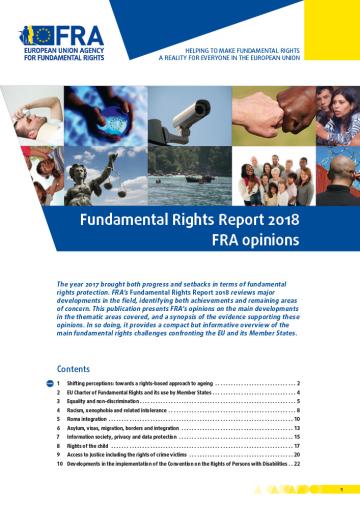
Anul 2017 a adus atât progrese, cât și regrese în ceea ce privește protecția drepturilor fundamentale. Raportul privind drepturile fundamentale 2018 al FRA analizează evoluțiile majore din domeniu, identificând atât realizările, cât și domeniile de interes nesoluționate.
Rok 2017 priniesol z hľadiska ochrany základných práv pokrok i nezdary. V publikácii agentúry FRA Správa ozákladných právach 2018 je uvedený prehľad hlavného vývoja v tejto oblasti, poukazuje sa na úspechy, ale aj
oblasti, ktoré ešte stále vyvolávajú obavy.
V letu 2017 je bil na področju varstva temeljnih pravic dosežen napredek, opazno pa je bilo tudi nazadovanje. Poročilo agencije FRA o temeljnih pravicah 2018 zajema pregled razvoja glavnih dogodkov na tem področju ter
opredeljuje dosežke in področja, ki so še vedno zaskrbljujoča.
År 2017 innebar både framgångar och motgångar för skyddet av de grundläggande rättigheterna. FRA:s Rapport om grundläggande rättigheter 2018 innehåller en granskning av de viktigaste händelserna på området och pekar ut både framsteg och återstående problemområden
Straujā informācijas tehnoloģiju attīstība ir saasinājusi nepieciešamību pēc stabila personas datu aizsardzības
regulējuma, tiesībām, kuras aizsargā gan Eiropas Savienības (ES), gan Eiropas Padomes (EP) instrumenti.
Šo svarīgo tiesību aizsardzība rada jaunas un būtiskas problēmas, jo tehnoloģiju attīstība paplašina tādu
jomu robežas kā novērošana, sakaru pārtveršana un datu glabāšana. Šī rokasgrāmata ir paredzēta, lai
iepazīstinātu ar šo jauno tiesību jomu praktizējošus juristus, kuri nespecializējas datu aizsardzībā.
A rápida evolução das tecnologias da informação exacerbou a necessidade de uma proteção sólida dos dados pessoais, cujo direito é garantido por instrumentos da União Europeia (UE) e do Conselho da Europa (CdE). A salvaguarda deste importante direito implica importantes novos desafios porque os avanços tecnológicos expandem as fronteiras de áreas como a vigilância, a interceção das comunicações e o armazenamento dos dados. O presente manual destina-se a familiarizar os profissionais do Direito que não são especializados em proteção de dados com esta área emergente do Direito.
Civil society organisations in the European Union play a crucial role in promoting fundamental
rights, but it has become harder for them do so – due to both legal and practical restrictions.
This summary outlines the main
findings and FRA’s opinions on the different
types and patterns of challenges faced by civil society
organisations across the EU,
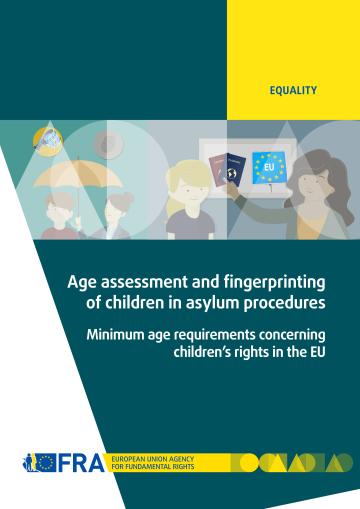
The methods used to determine the age of
an applicant may include “invasive” medical tests which interfere with the rights of the child, including their right to dignity,
integrity and privacy. It is often a challenge to find the right balance between protecting children from harm and promoting
their participation in these procedures. This report provides important insights and identifies the implications of collecting
children’s biometric data and conducting age assessments.
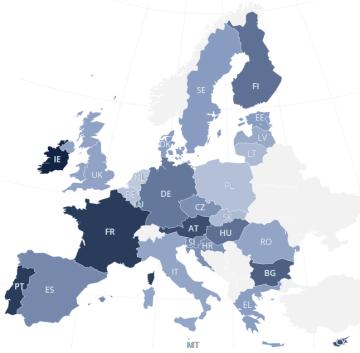
This report outlines Member States’ approaches to age requirements and limits
regarding child participation in judicial proceedings; procedural safeguards for, and rights of, children involved in criminal
proceedings; as well as issues related to depriving children of their liberty.
W niniejszym sprawozdaniu określa się podejścia państw członkowskich do wymogów dotyczących wieku i ograniczeń w zakresie uczestnictwa dzieci w postępowaniach sądowych; gwarancje proceduralne oraz prawa dzieci biorących udział w postępowaniu karnym; a także kwestie dotyczące pozbawiania dzieci wolności.
The right to access justice and all other relevant procedural rights are not just rights in themselves; they also protect against violations of every other right. Respect for children’s rights in the area of justice is therefore essential. International treaties, the Charter of Fundamental Rights of the European Union, European Union (EU) secondary law, and national legislation provide a number of relevant rights.
This report outlines the fundamental rights implications of collecting, storing and using
biometric and other data in EU IT systems in the area of asylum and migration.
European non-discrimination law, as constituted in particular by the EU non-discrimination directives, and Article 14 of and Protocol 12 to the European Convention on Human Rights, prohibits discrimination across a range of contexts and grounds. This handbook examines European non-discrimination law stemming from these two sources as complementary systems, drawing on them interchangeably to the extent that they overlap, while highlighting differences where these exist.
This focus report assesses how the presence of
large numbers of persons in need of international
protection affects local communities in terms of
housing, education, the local economy and social
responses.
EU Member States’ legal and practical responses to migrants and refugees implicate several of their fundamental rights, as enshrined in the Charter of Fundamental Rights of the European Union (EU). The EU Agency for Fundamental Rights (FRA) has regularly reported on these issues since September 2015. This report highlights key trends and persistent concerns between October 2016 and December 2017. It focuses on five areas: access to territory, reception conditions, asylum procedures, unaccompanied children and immigration detention.
Vormünder sind zentral in einem System zum Schutz von Kindern, die vorübergehend oder dauerhaft aus ihrem familiären Umfeld herausgelöst wurden und deren Interessen nicht von ihren Eltern vertreten werden können. Zwischen den Mitgliedstaaten der Europäischen Union (EU) und auch innerhalb der Mitgliedstaaten gibt es große Unterschiede in den Arten von Vormundschaft. Dieser Bericht untersucht die wesentlichen Merkmale von Vormundschaftssystemen, die den Bedürfnissen schutzbedürftiger Kinder gerecht werden sollen. Dies schließt Kinder ein, die Opfer von Menschenhandel und anderen Formen der Ausbeutung sind, und Kinder, die Gefahr laufen, Opfer von Menschenhandel oder anderen Formen der Ausbeutung zu werden.
Guardians are a key element of a protection system for children who are temporarily or
permanently deprived of their family environment and cannot have their interests represented
by their parents. Great disparities exist between the types of guardianship provided
to children in and within European Union (EU) Member States. This report explores the key
features of guardianship systems put in place to cater for the needs of all children in need
of protection, including child victims and those at risk of becoming victims of trafficking in
human beings or of other forms of exploitation.
Les tuteurs sont une composante essentielle d’un système de protection des enfants qui sont, de façon temporaire ou permanente, privés de leur milieu familial et qui ne peuvent pas faire représenter leurs intérêts par leurs parents. De fortes disparités existent entre les types de tutelle dont les enfants bénéficient, tant entre les États membres de l’Union européenne qu’au sein même de ces pays. Ce rapport explore les principales caractéristiques des régimes de tutelle mis en place pour satisfaire aux besoins de tous les enfants qui nécessitent une protection, notamment les enfants victimes de la traite des personnes, ou d’autres formes d’exploitation, ainsi que ceux qui sont exposés au risque de le devenir.
Seventeen years after adoption of EU laws that forbid discrimination, immigrants, descendants of immigrants, and minority ethnic groups continue to face widespread discrimination across the EU and in all areas of life – most often when seeking employment. For many, discrimination is a recurring experience. This is just one of the findings of FRA’s second European Union Minorities and Discrimination Survey (EU-MIDIS II), which collected information from over 25,500 respondents with different ethnic minority and immigrant backgrounds across all 28 EU Member States.