Displaying 1 - 6 of 6
  • 27
    January
    2026
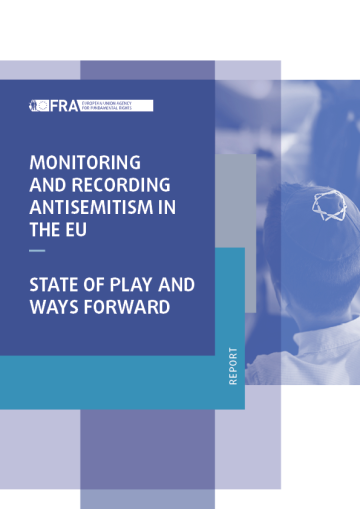
    This report looks at antisemitism in the EU, focusing on what can be done to address gaps in recording and inconsistencies in data collection. It highlights existing tools and guidance for Member States to improve their recording systems. The analysis is based on official administrative data and information from publicly available sources across EU Member States, as well as Albania, North Macedonia, and Serbia. Detailed country overviews are available for all countries covered. Antisemitism has been monitored by FRA since 2004. This report builds on the 2024 publication, ‘Jewish People’s Experiences and Perceptions of Antisemitism’.
  • The report ‘Assessing high-risk artificial intelligence’ examines the development and use of artificial intelligence (AI) in five areas defined as high-risk under the AI Act: asylum, education, employment, law enforcement and public benefits. This video provides information about the findings of the report, underlining the need for a responsible use of AI which in turn earns public trust, fuels innovation and drives sustainable technological progress.
  • 1
    September
    2025
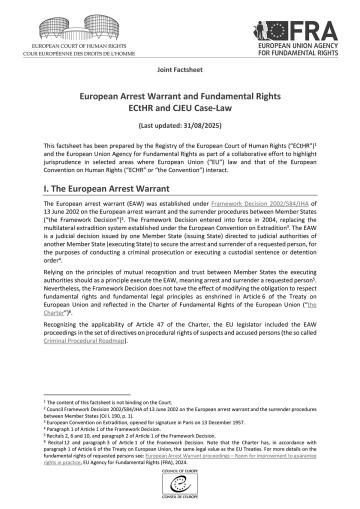
    This factsheet focuses on the European arrest warrant and EU Member States obligations to respect fundamental rights. EU law and the European Convention on Human Rights sometimes overlap. The publication clarifies where there are similar principles in different legislation and provides examples of case law. In collaboration, the EU Agency for Fundamental Rights and the European Court of Human Rights produced this short publication. It is designed to aid lawyers and policymakers in understanding and applying the jurisprudence in this area. The August 2025 version now contains recent case-law developments.
  • Видеозапис
    This creative segment of the FRF explores the intersection of human rights and artistic expression, highlighting the power of art in resisting oppression, amplifying marginalised voices, and representing diversity. Through performances, discussions and exhibitions, artists such as Cesár Sampson, Lisette Ma Neza, or the C'est BEAU! artist collective came together to showcase how creativity can challenge injustice, inspire change and reshape public discourse.