Is-sena 2020 ġabet magħha kemm progress kif
ukoll ostakli f’termini ta’ protezzjoni tad-drittijiet
fundamentali. Ir-Rapport dwar id-Drittijiet
Fundamentali 2021 tal-FRA jirrieżamina l-iżviluppi
ewlenin fil-qasam, filwaqt li jidentifika kemm ilkisbiet
kif ukoll l-oqsma ta’ tħassib li fadal.
Het jaar 2020 kende zowel vooruitgang als
teleurstellingen bij de bescherming van grondrechten.
In het Verslag over de grondrechten 2021 van het
FRA worden de belangrijkste ontwikkelingen op het
gebied van de grondrechten geëvalueerd en wordt
niet alleen ingegaan op de behaalde successen,
maar ook gewezen op blijvende punten van zorg.
Rok 2020 przyniósł zarówno postęp, jak i regres
pod względem ochrony praw podstawowych.
Sprawozdanie FRA na temat praw podstawowych
z 2021 r. zawiera przegląd najważniejszych zmian,
jakie miały miejsce w tym obszarze, wskazując
zarówno na osiągnięcia, jak i kwestie, które nadal
wymagają stosownych działań.
O ano de 2020 trouxe avanços e retrocessos no âmbito
da proteção dos direitos fundamentais. O Relatório
sobre os Direitos Fundamentais 2021 da FRA analisa
os principais desenvolvimentos neste domínio,
identificando tanto as realizações quanto os problemas
que persistem.
Anul 2020 a adus atât progrese, cât și pași înapoi în
ceea ce privește protecția drepturilor fundamentale.
Documentul FRA Fundamental Rights Report 2021
(Raportul privind drepturile fundamentale 2021)
analizează evoluțiile majore din domeniu, reliefând
atât realizările, cât și problemele îngrijorătoare rămase
nesoluționate.
Z hľadiska ochrany základných práv rok 2020 priniesol
pokrok i určité nezdary. V publikácii agentúry FRA
Správa o základných právach 2021 je uvedený
prehľad hlavného vývoja v tejto oblasti, poukazuje
sa na úspechy, ale aj na oblasti, ktoré ešte stále
vyvolávajú obavy.
Leta 2020 je bil na področju varstva temeljnih pravic
sicer dosežen napredek, a je bilo hkrati opazno
tudi nazadovanje. Poročilo o temeljnih pravicah
za leto 2021, ki ga je pripravila Agencija Evropske
unije za temeljne pravice, povzema razvoj glavnih
dogodkov na tem področju ter izpostavlja dosežke
in področja, ki so še vedno zaskrbljujoča.
År 2020 innebar både framgångar och motgångar för
skyddet av de grundläggande rättigheterna. FRA:s
Rapport om grundläggande rättigheter 2021 innehåller
en granskning av de viktigaste händelserna på
området och pekar ut både framsteg och återstående
problemområden.
FRA’s Fundamental Rights Report 2021 reviews major developments in the field in 2020, identifying both achievements and areas of concern. It also presents FRA’s opinions on these developments, including a synopsis of the evidence supporting these opinions. This year’s focus chapter explores the impact of the COVID-19 pandemic on fundamental rights. The remaining chapters cover: the EU Charter of Fundamental Rights; equality and non-discrimination; racism, xenophobia and related intolerance; Roma equality and inclusion; asylum, borders and migration; information society, privacy and data protection; rights of the child; access to justice; and the implementation of the Convention on the Rights of Persons with Disabilities.
This focus looks at COVID-19’s impact on fundamental rights. It underscores that a human rights-based approach to tackling the pandemic requires balanced measures that are based on law, necessary, temporary and proportional. It also requires addressing the pandemic’s socio-economic impact, protecting the vulnerable and fighting racism.
Ce «Focus» porte sur l’impact de la COVID 19 sur les droits fondamentaux. Il souligne qu’une approche de la lutte contre la pandémie fondée sur les droits de l’homme nécessite des mesures équilibrées fondées sur le droit, nécessaires, temporaires et proportionnées. Elle nécessite également de lutter contre les conséquences socio-économiques de la pandémie, de protéger les personnes vulnérables et de combattre le racisme.
This opinion illustrates the extent and nature of lived experiences of inequality and discrimination across the EU. It does so with reference to the grounds of discrimination and areas of life covered by the racial and employment equality directives, as well as in relation to the grounds and areas covered by the proposed Equal Treatment Directive.
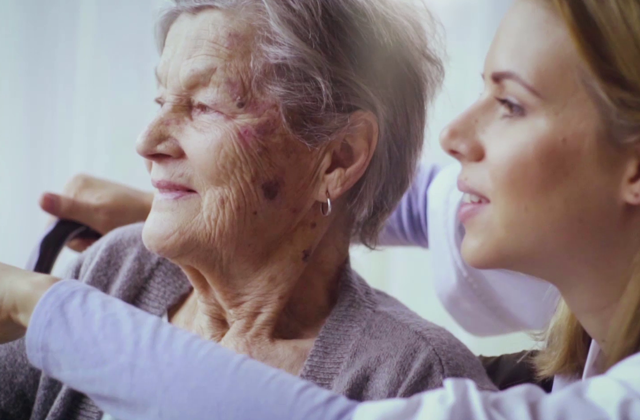
There are many reasons why adults may find themselves in a situation of vulnerability - because of their age, health or disability. Vulnerable people are at greater risk of unfair treatment, exploitation or abuse. And cross-border settings can lead to additional obstacles. It's time to address these challenges and identify the needs of vulnerable adults so everyone can enjoy their fundamental rights.
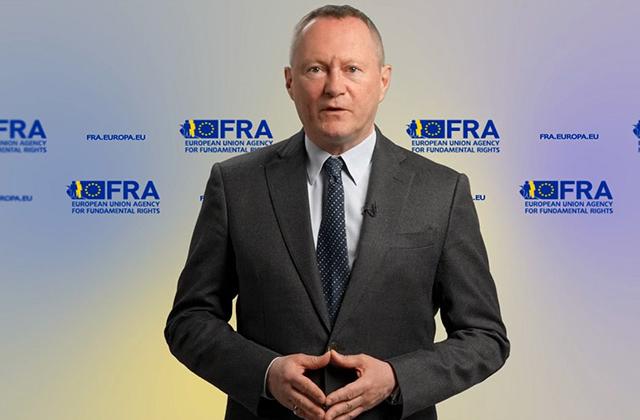
This video statement by FRA Director Michael O’Flaherty was recorded for the online event '2021 Mayors Summit Against Anti-Semitism' which took place on 16 March 2021. The event was hosted by the city of Frankfurt am Main in partnership with the Combat Anti-Semitism Movement (CAM).
Nacionalinės žmogaus teisių institucijos (NŽTI) yra gyvybiškai svarbi žmogaus teisių apsaugos sistemos dalis, veikianti šalies lygmeniu. Didindamos informuotumą, teikdamos rekomendacijas, vykdydamos stebėseną ir užtikrindamos valdžios institucijų atskaitomybę, šios institucijos atlieka pagrindinį vaidmenį sprendžiant sunkiausius šių dienų uždavinius žmogaus teisių srityje – kovoti su tokiais nuolat susirūpinimą keliančiais reiškiniais kaip diskriminacija ir nelygybė, naujomis problemomis, pvz., dirbtinio intelekto poveikiu teisėms, ir COVID-19 pandemija.
Valsts cilvēktiesību iestādes (VCI) ir svarīga valsts līmeņa cilvēktiesību aizsardzības sistēmas daļa. Uzlabojot informētību, sniedzot ieteikumus, uzraugot un saucot iestādes pie atbildības, tām ir galvenā loma mūsdienu cilvēktiesību lielo problēmu risināšanā – cīnoties gan ar nepārejošām problēmām kā diskriminācija un nevienlīdzība, gan jauniem jautājumiem kā mākslīgā intelekta un Covid-19 pandēmijas ietekme uz tiesībām.
L-Istituzzjonijiet Nazzjonali għad-Drittijiet tal-Bniedem (NHRIs) huma parti vitali mis-sistema ta’ protezzjoni tad-drittijiet tal-bniedem fil-livell ta’ pajjiż. Billi jqajmu kuxjenza, jipprovdu pariri, jimmonitorjaw u jżommu lill-awtoritajiet responsabbli, huma għandhom rwol ċentrali fin-navigazzjoni tal-isfidi l-kbar tad-drittijiet tal-bniedem tal-ġurnata tal-lum – billi jindirizzaw kemm it-tħassib persistenti bħad-diskriminazzjoni kif ukoll l-inugwaljanza, u kwistjonijiet ġodda bħall-implikazzjonijiet tad-drittijiet tal-intelliġenza artifiċjali u talpandemija tal-COVID-19.
Nationale mensenrechteninstituten (National Human Rights Institutions — NHRI’s) maken een wezenlijk onderdeel uit van het nationale systeem ter bescherming van de mensenrechten. Zij vervullen een centrale rol in de aanpak van de grote uitdagingen van onze tijd op het gebied van de mensenrechten — aanhoudende zorgen, zoals discriminatie en ongelijkheid, en nieuwe problemen, zoals de gevolgen van kunstmatige intelligentie en de COVID-19-pandemie voor de mensenrechten — door het bewustzijn van mensenrechten te vergroten, advies aan te reiken, een monitoringfunctie te vervullen en instanties op hun verantwoordelijkheid te wijzen.
Krajowe instytucje praw człowieka (NHRI) stanowią istotną część systemu ochrony praw człowieka na szczeblu krajowym. Poprzez podnoszenie świadomości, udzielanie porad, monitorowanie i pociąganie władz do odpowiedzialności odgrywają one główną rolę w podejmowaniu wielkich wyzwań współczesnego świata związanych z prawami człowieka – rozwiązując zarówno utrzymujące się problemy, takie jak dyskryminacja i nierówność, jak i wciąż pojawiające się nowe problemy, takie jak wpływ sztucznej inteligencji i pandemii COVID-19 na prawa człowieka.